Living in a compact space doesn’t mean sacrificing style, comfort, or functionality. Whether you’re in a studio apartment, a tiny urban flat, or a cozy cottage, the right color strategy can completely transform how your space looks and feels. Color is one of the most powerful — and affordable — tools in any decorator’s toolkit, and when used thoughtfully, it can visually expand rooms, define zones, and create a cohesive aesthetic that feels intentional rather than cramped. Here are 7 color tricks that interior designers swear by for making small spaces feel larger and more inviting.
1. Embrace Light and Neutral Base Colors
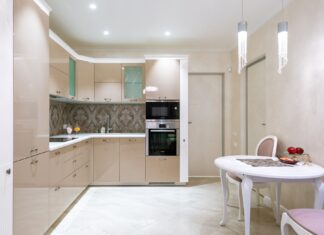
The foundation of any small-space color strategy is a light, neutral base. Soft whites, warm creams, pale greiges (grey-beige blends), and gentle off-whites reflect natural and artificial light more effectively than dark tones, which is key when you’re working with limited square footage. These shades create a seamless visual flow that prevents the eye from stopping at walls, making the space feel like it extends further than it actually does. Don’t feel limited to plain white — explore warm ivory tones or light sage greens to add personality while keeping the airy feel. For inspiration on building a cohesive neutral palette, see our guide on 7 Ways To Improve Your House To Change Your Lifestyle.
2. Use Monochromatic Color Schemes to Unify the Space
A monochromatic scheme — using different shades, tints, and tones of a single color — is a brilliant strategy for small spaces because it eliminates visual clutter and creates a sense of cohesive depth. Rather than breaking the eye with contrasting colors, you guide it through the room in a continuous, harmonious flow. Try layering dove grey walls with silver-toned furniture, charcoal accents, and white trim for a sophisticated, expanded feel. This approach works especially well in studios and open-plan living areas. Explore how clever small space design tricks can amplify this effect even further.
3. Paint the Ceiling a Shade Lighter Than the Walls
Most people forget about the ceiling — often called the “fifth wall” — when planning their color scheme. In a small room, painting the ceiling a shade or two lighter than the walls creates an upward pull that makes the ceiling appear higher and the room feel more spacious. If your walls are a warm greige, go with a barely-there cream on the ceiling. This subtle gradient draws the eye upward and elongates the room vertically, which is particularly useful in apartments with standard-height ceilings. Pair this trick with thoughtful lighting choices to maximize the effect — our article on lighting techniques to brighten your apartment has excellent tips.
4. Use an Accent Wall to Create Depth Without Overwhelm
A single bold accent wall can add personality and depth to a small room without making it feel closed-in — but placement is everything. Choose the wall that your eye naturally travels to when entering the room, typically the one directly facing the door. Deep navy, terracotta, forest green, or even a rich charcoal can work beautifully on an accent wall when balanced with lighter surroundings. This technique tricks the eye into perceiving more dimension in the space, making it feel more dynamic and intentional. If you’re considering a full room refresh, our post on decorating small spaces without sacrificing style offers a comprehensive approach.
5. Leverage Color to Define Zones in Open Plans
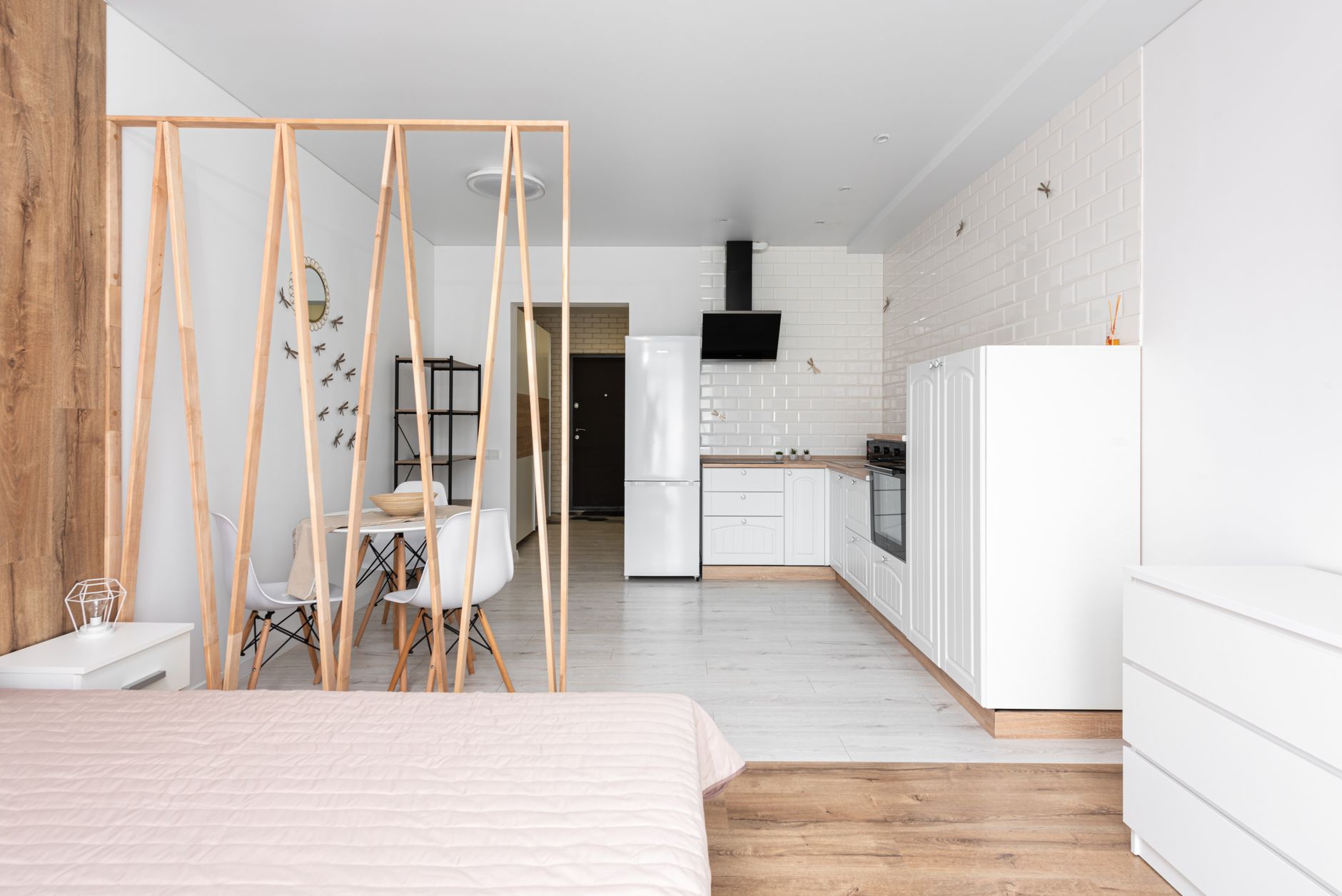
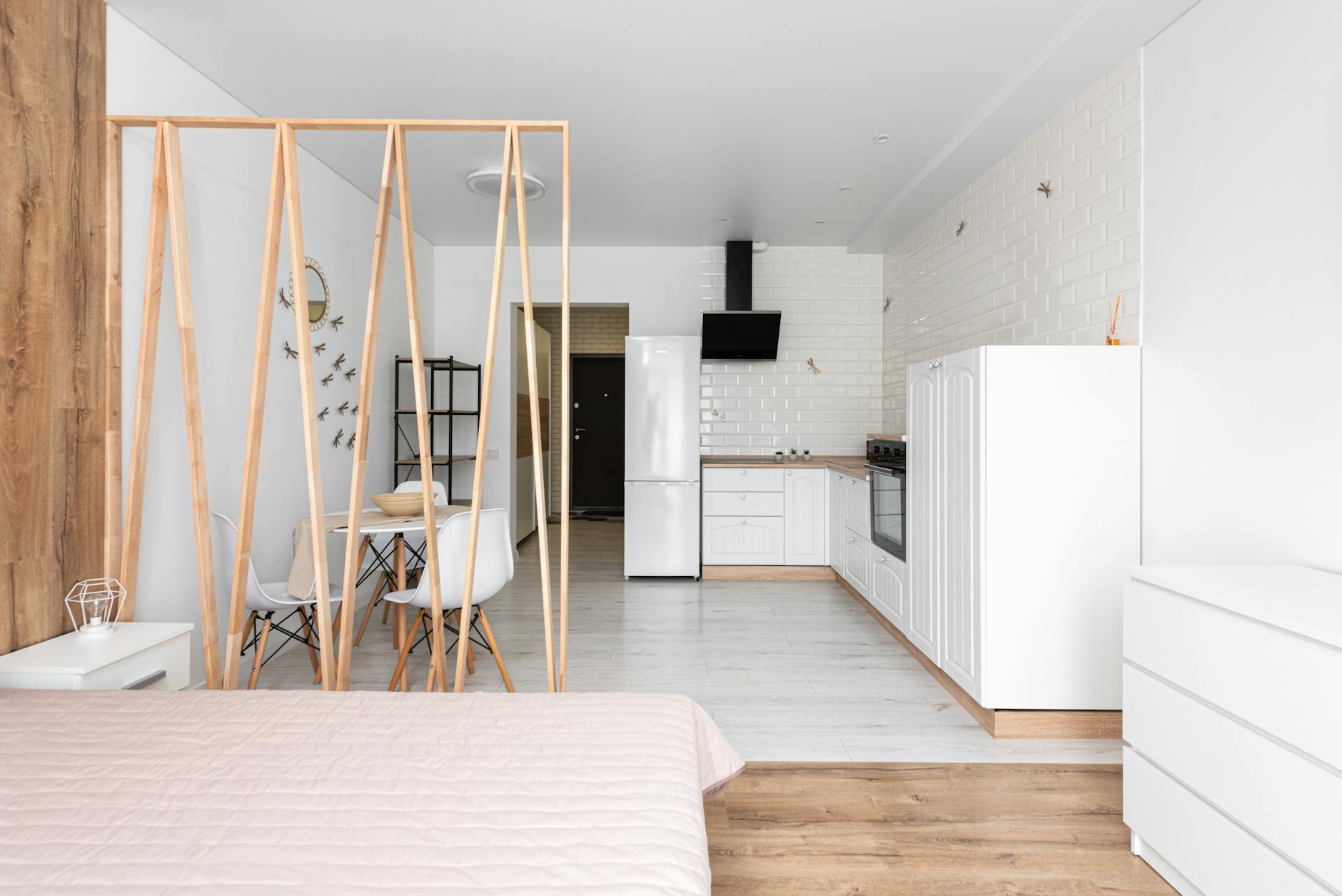
Open-plan studios and micro-apartments benefit enormously from using color to demarcate different functional zones — sleeping, working, dining, and relaxing — without physical partitions. A soft blue-green on the wall behind a Murphy bed, for example, instantly signals “sleeping zone” and makes that area feel purposeful and cozy. Similarly, a warm amber or terracotta tone in the dining corner creates a sense of warmth and social gathering. This strategy gives a small space visual structure and organization, making it feel considered rather than chaotic. For more ideas on making a studio work harder, check out 10 small space design ideas that make every square foot count.
6. Extend Colors Across Surfaces for a Seamless Look
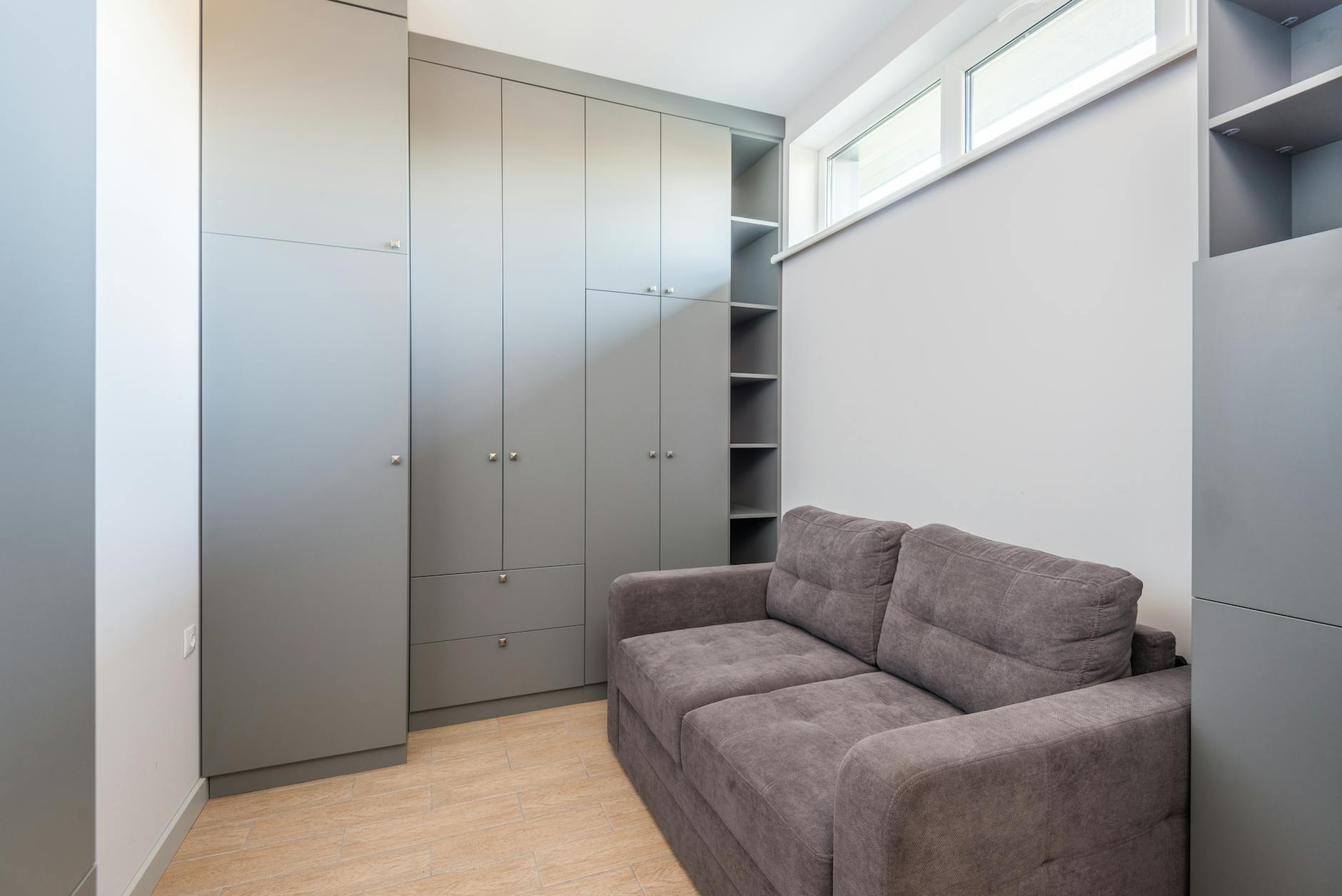
One of the most effective — and underutilized — tricks for expanding the perceived size of a small space is to carry the same color across multiple surfaces. Painting the walls, trim, and built-in shelving in the same hue creates a tonal immersion that blurs boundaries and makes the room feel larger. This technique, sometimes called “color drenching,” removes the stop-and-start visual rhythm that occurs when surfaces are painted differently, instead creating a cocoon-like feel that reads as spacious rather than tight. It works especially well in awkward spaces like alcoves, hallways, or narrow kitchens. See how multifunctional furniture ideas can complement this aesthetic.
7. Bring in Color Through Textiles and Accessories, Not Paint
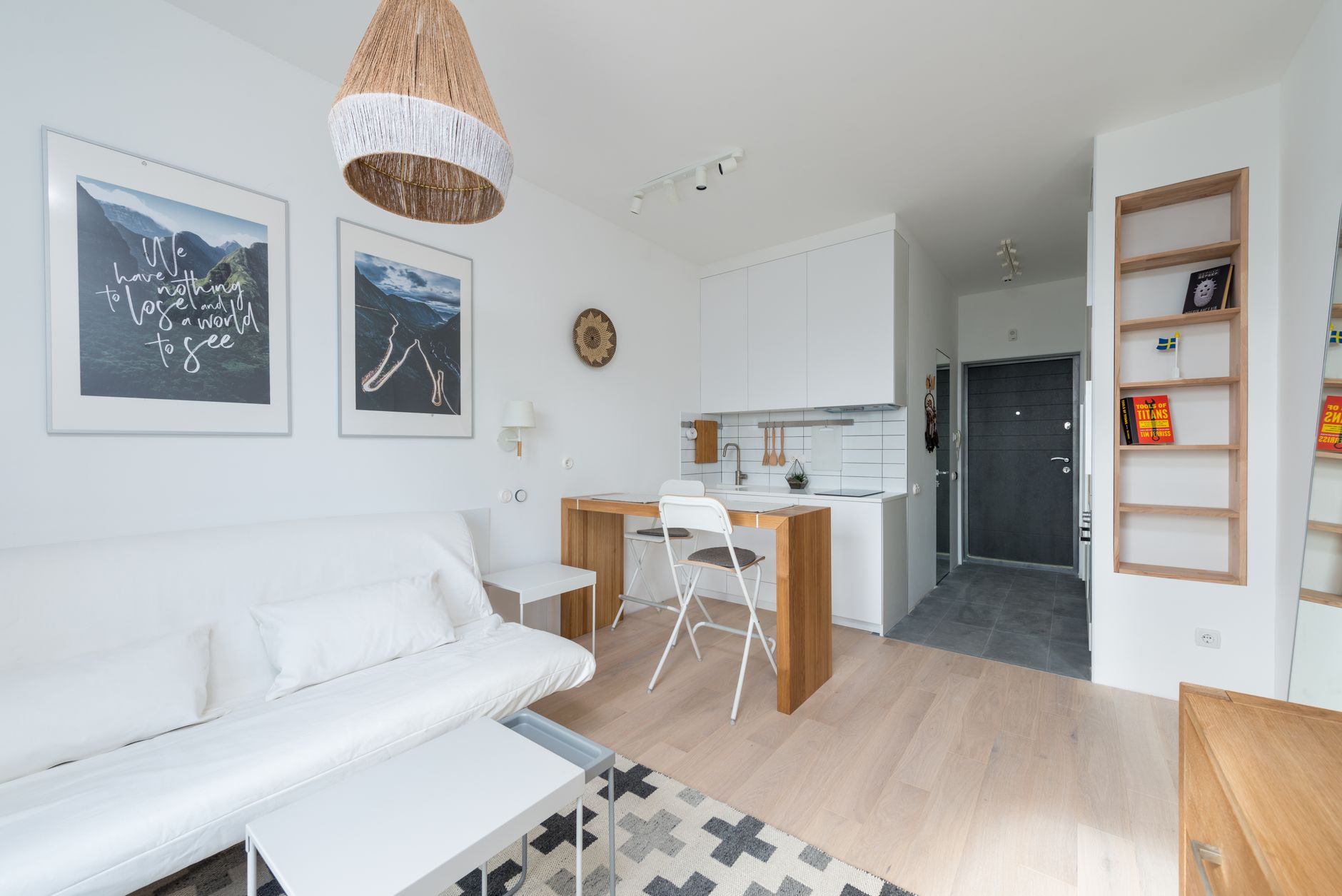
If you’re renting or simply want flexibility, you can still use color powerfully by layering it through textiles, cushions, rugs, curtains, and artwork rather than paint. The key is to choose a consistent color story — two or three complementary hues — and repeat them across different elements in the room to create visual cohesion. A sage green throw echoed in a succulent on the shelf and a geometric print cushion ties a room together effortlessly. This approach also makes it easy to refresh your space seasonally without any commitment. For storage ideas that keep things uncluttered, visit 9 smart storage solutions that will transform your small space.
Final Thoughts
Color is one of the most accessible ways to reshape how a small space looks and feels — without knocking down walls or investing in a major renovation. From choosing light, reflective base tones to cleverly defining zones with accent colors, these seven strategies can make a meaningful difference in even the tiniest rooms. The secret is intentionality: pick a palette you love, use it consistently, and let every color choice serve a purpose. For even more transformation ideas, explore our guide on tiny apartment storage and shelving ideas and start building the small space of your dreams today.