Living in a small space doesn’t mean you have to compromise on style or functionality. Whether you’re in a cozy studio apartment or simply trying to make the most of a compact room, the right design strategies can transform even the tiniest area into a beautifully organized haven. In this guide, we share nine practical and inspiring approaches to help you decorate and organize your small space like a pro.
1. Embrace Vertical Storage Solutions
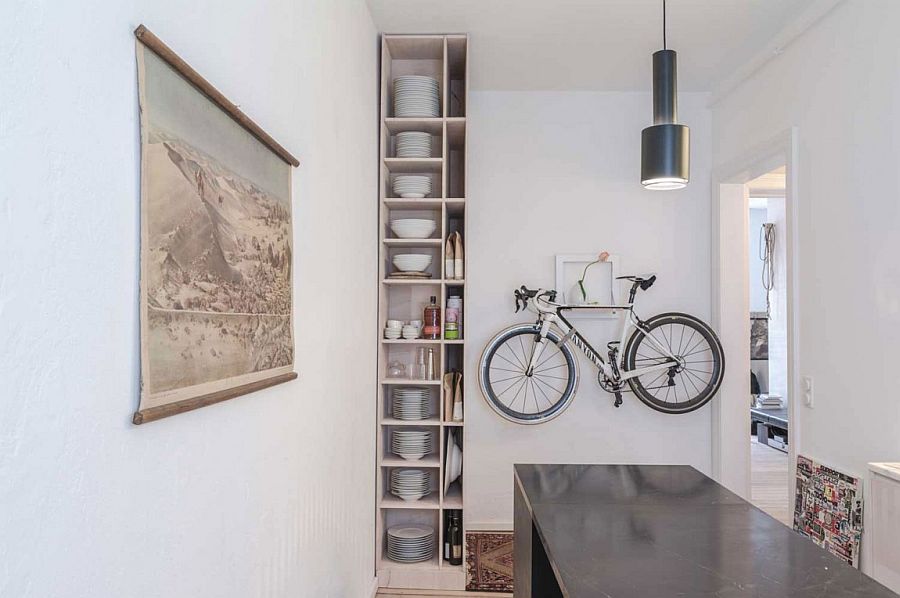
When floor space is limited, think upward. Vertical storage is one of the most effective ways to keep a small room organized without cluttering the floor. Wall-mounted shelves, tall bookcases, and hanging organizers draw the eye upward and create the illusion of height, making the room feel more spacious. Consider installing floating shelves above doorways or in narrow hallways — these overlooked spots are perfect for storing books, plants, or decorative objects.
2. Choose Multifunctional Furniture
Every piece of furniture in a small space should earn its place by serving more than one purpose. An ottoman with hidden storage can act as seating, a coffee table, and a place to stash blankets. A fold-down desk attached to the wall transforms a living area into a home office in seconds. Murphy beds, nesting tables, and storage benches are all excellent choices that combine comfort with clever concealment. If you’re looking for more ideas on how to make small apartments feel larger, check out our guide on small apartment interior design with just 40 square meters.
3. Use Mirrors to Create the Illusion of Space
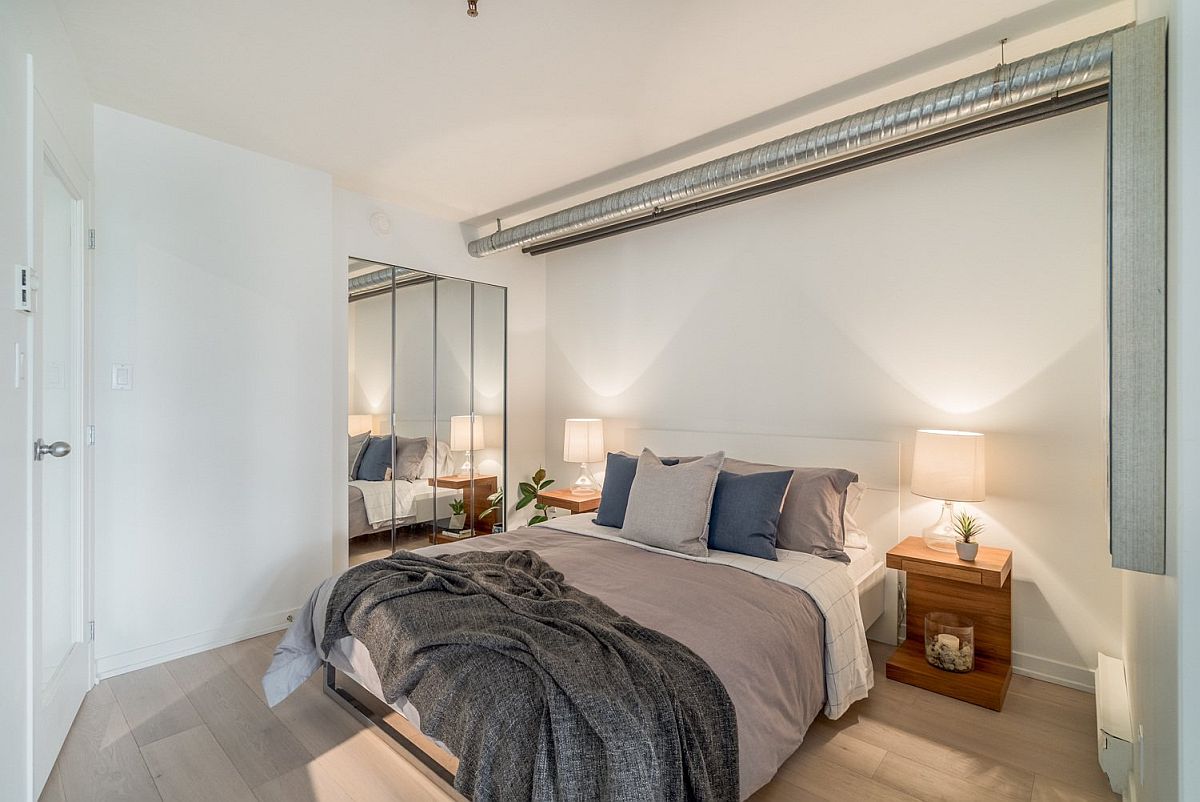
Mirrors are a small space decorator’s best friend. Placing a large mirror on a wall opposite a window reflects natural light throughout the room and visually doubles the perceived area. Mirrored furniture pieces, such as side tables or wardrobe doors, achieve a similar effect while adding a touch of glamour. A gallery wall of small mirrors in varying frames can also serve as a focal point while bouncing light around the room.
4. Master the Art of Decluttering
In a small space, clutter is the enemy of calm. Adopting a minimalist mindset helps keep your home feeling open and breathable. Start by sorting your belongings into categories and letting go of items that don’t serve a purpose or bring you joy. Once you’ve pared down, invest in attractive storage containers and baskets that keep everyday items out of sight but within easy reach. The key is to create a system that’s easy to maintain so clutter doesn’t creep back in.
5. Go Light with Your Color Palette
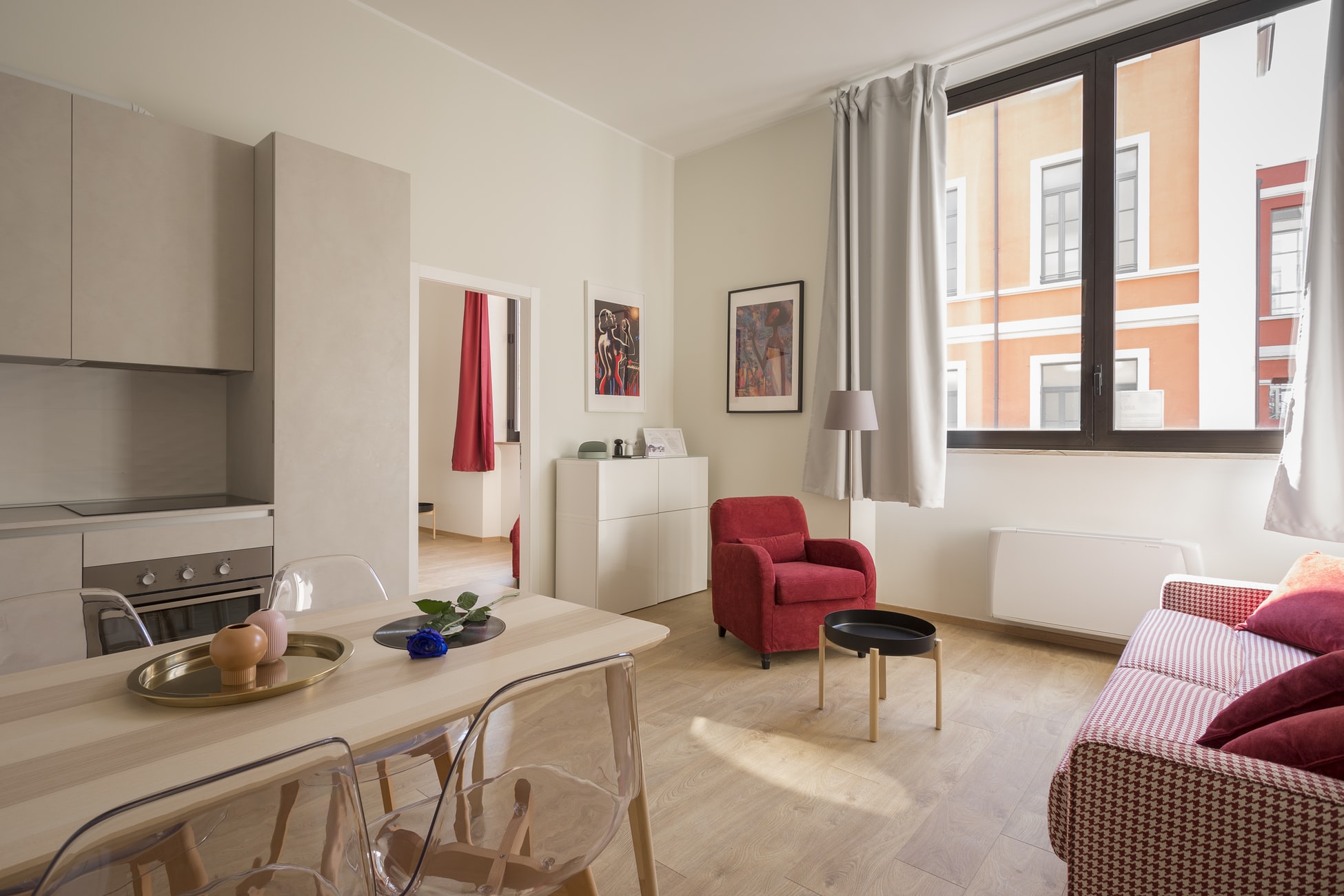
Light, neutral colors on walls and large surfaces make small rooms feel airy and expansive. Whites, soft grays, pale blues, and warm creams reflect light and push the walls back visually. This doesn’t mean your space has to be bland — add personality through colorful accent pillows, throws, artwork, and small decorative items. A monochromatic scheme with varying textures also adds depth without making the room feel busy. For more design inspiration, explore our collection of 10 clever small space design ideas for 2026.
6. Turn Corners into Functional Zones
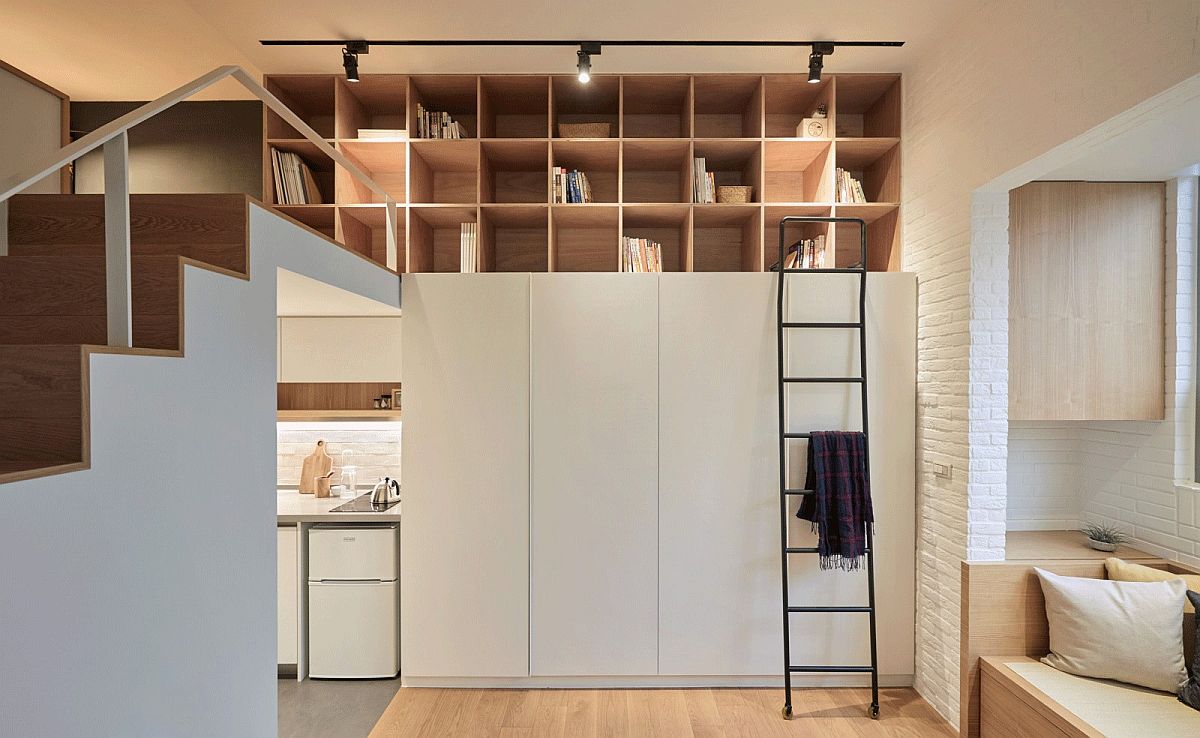
Corners are often the most wasted areas in a room, but in a small space, they hold tremendous potential. A corner desk creates an instant workspace, while corner shelving units can display plants, books, or keepsakes without intruding into the room’s flow. Even a cozy reading nook with a small armchair and a floor lamp can turn a forgotten corner into your favorite spot in the house. If your small space includes a compact bathroom, you’ll find plenty of ideas in our post on 32 small, modern, and functional bathroom ideas.
7. Let Natural Light Flow Freely
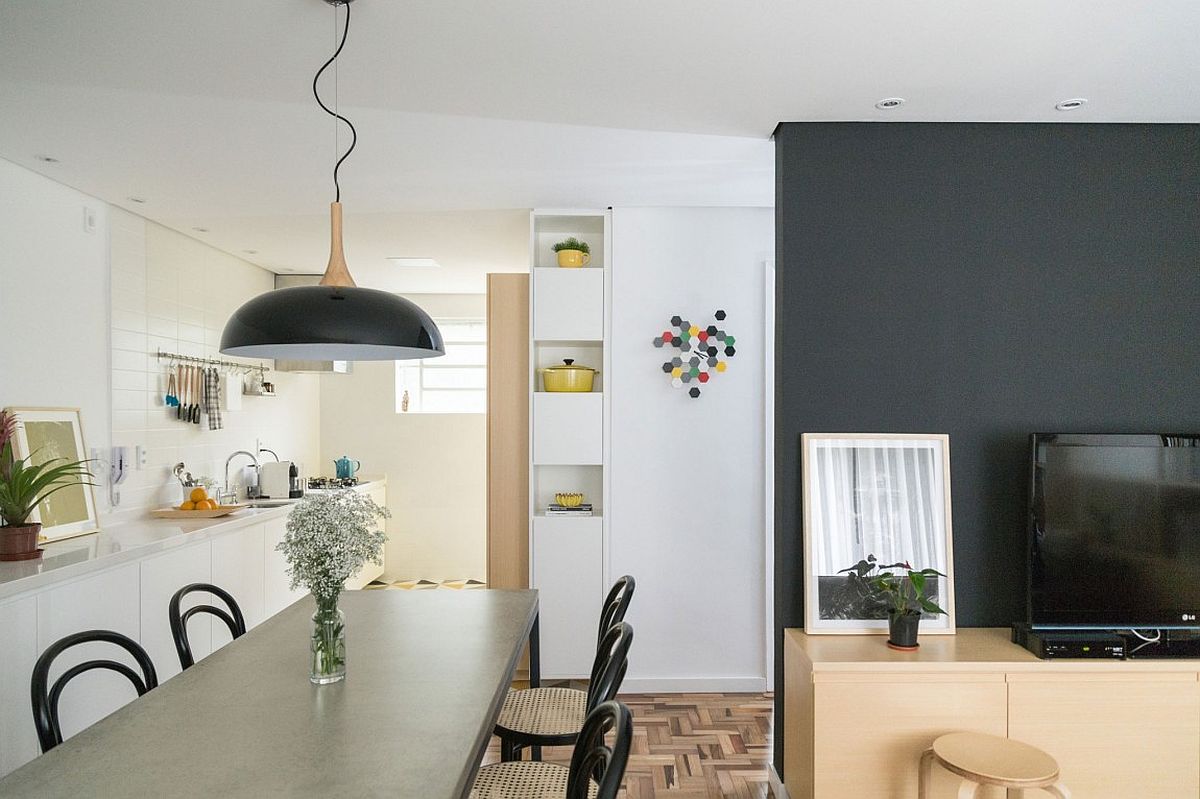
Natural light makes any room feel larger and more inviting. Avoid heavy curtains that block windows — instead, opt for sheer fabrics, Roman blinds, or simple linen panels that let sunlight filter through while still offering privacy. Keep windowsills clear of clutter to allow maximum light penetration. If your space has limited windows, strategically placed lamps with warm-toned bulbs can mimic the effect of natural light and create a welcoming atmosphere after sunset.
8. Invest in Custom and Built-In Storage
Off-the-shelf furniture doesn’t always fit the unique dimensions of a small space. Custom-built storage — such as shelves fitted into alcoves, under-stair cabinets, or built-in window seats with hidden compartments — can make use of every awkward nook and cranny. While custom solutions may require a higher upfront investment, they pay off in the long run by providing perfectly tailored storage that freestanding furniture simply can’t match. For inspiration on complete small home layouts, take a look at our feature on small home designs under 50 square meters.
9. Define Zones Without Walls
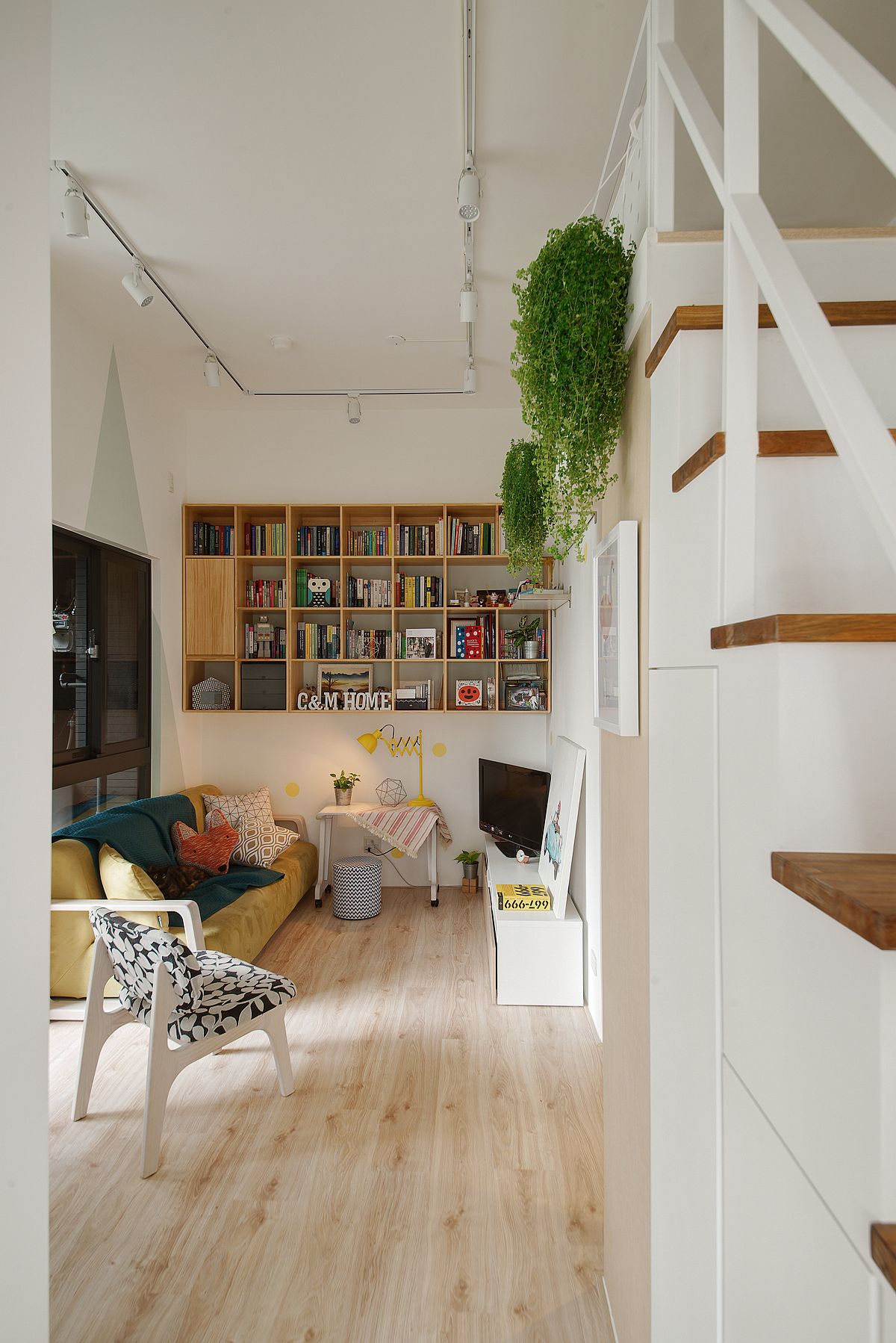
In open-plan or studio living, creating distinct zones for sleeping, working, dining, and relaxing is essential — but adding walls would make the space feel cramped. Instead, use area rugs, room dividers, curtains, or even different lighting schemes to subtly define each area. A bookshelf placed perpendicular to a wall can separate the bedroom from the living space while also providing storage. Plants, pendant lights, and changes in flooring material are other effective ways to create visual boundaries without closing off the room. If you’re also planning some hands-on projects, our list of 12 easy DIY home decor projects for spring 2026 is full of budget-friendly ideas.
Final Thoughts
Decorating a small space is a creative challenge that rewards thoughtful planning with big results. By combining vertical storage, multifunctional furniture, a light color palette, and clever zone-defining techniques, you can make any compact area feel spacious, organized, and uniquely yours. Remember, it’s not about how much space you have — it’s about how wisely you use it. Start with one or two ideas from this list and build from there — you’ll be surprised at how quickly your small space transforms into a stylish, functional retreat.