Architecture is more than just walls and a roof — it is the art of creating spaces that inspire, comfort, and connect us to the world around us. As we move through 2026, the world of residential architecture is experiencing a remarkable shift. Homeowners and designers are embracing bold new ideas that blend sustainability, technology, and timeless beauty. In this article, we explore seven of the most exciting architectural trends that are redefining modern homes this year.
1. Biophilic Design: Bringing Nature Indoors
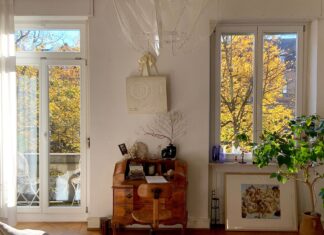
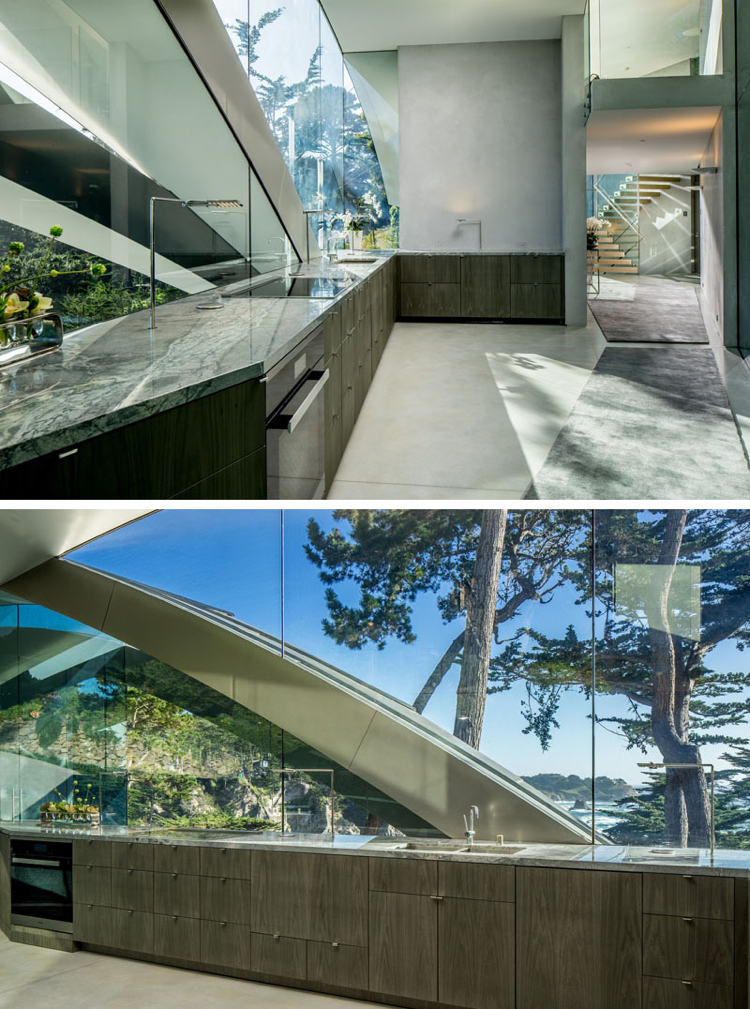
One of the strongest movements in architecture today is biophilic design — the concept of integrating natural elements directly into the built environment. Think floor-to-ceiling windows that frame garden views, living green walls in the foyer, and interior courtyards filled with native plants. This trend goes far beyond aesthetics; research shows that biophilic design can reduce stress, boost productivity, and improve overall well-being. Architects in 2026 are prioritizing natural light, ventilation, and organic materials like stone, timber, and bamboo to blur the line between indoors and outdoors.
If you are looking for inspiration on how to bring nature into your home, check out our earlier article on Advantages of Eco-Friendly Construction for a deeper dive into green building techniques.
2. Sculptural Facades and Bold Geometric Forms
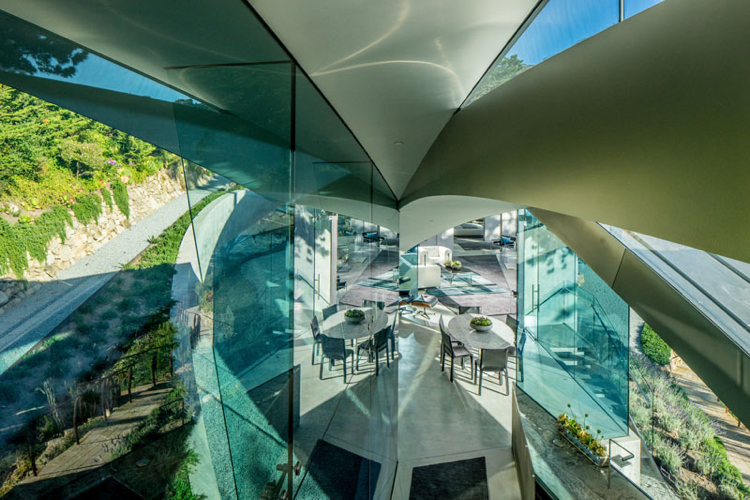
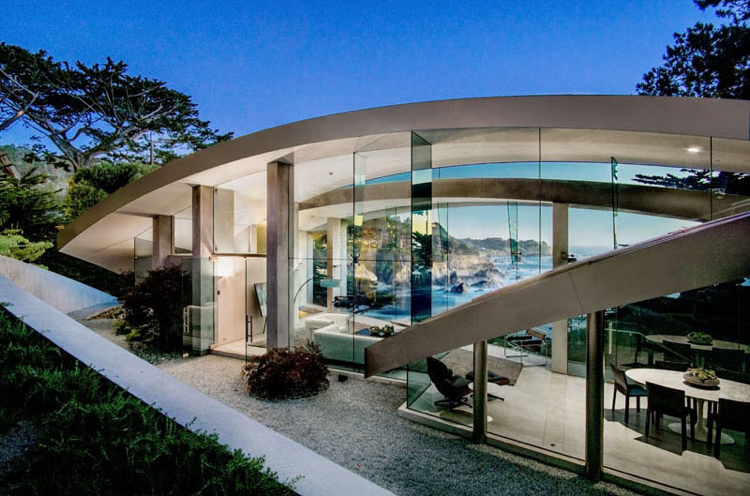
Gone are the days when a home exterior was an afterthought. In 2026, facades have become a canvas for artistic expression. Sculptural facades featuring asymmetric lines, cantilevered volumes, and mixed material palettes — such as weathered steel paired with smooth concrete — are making a powerful statement. These bold geometric forms not only catch the eye but also serve functional purposes, such as shading living spaces or channeling rainwater for collection systems.
For more striking examples of how glass and concrete can transform a home, take a look at Facade of Glass Makes It Possible for Far-Reaching Views.

3. Sustainable and Net-Zero Homes
Sustainability is no longer a niche concern — it is the foundation of forward-thinking architecture. Net-zero homes, which generate as much energy as they consume, are rapidly gaining popularity. These homes combine high-performance insulation, solar panel arrays, geothermal heating systems, and smart energy management to minimize environmental impact. Architects are also sourcing reclaimed and locally produced materials, reducing the carbon footprint of the construction process itself. The result is a home that is both luxurious and responsible.
4. Indoor-Outdoor Living Spaces
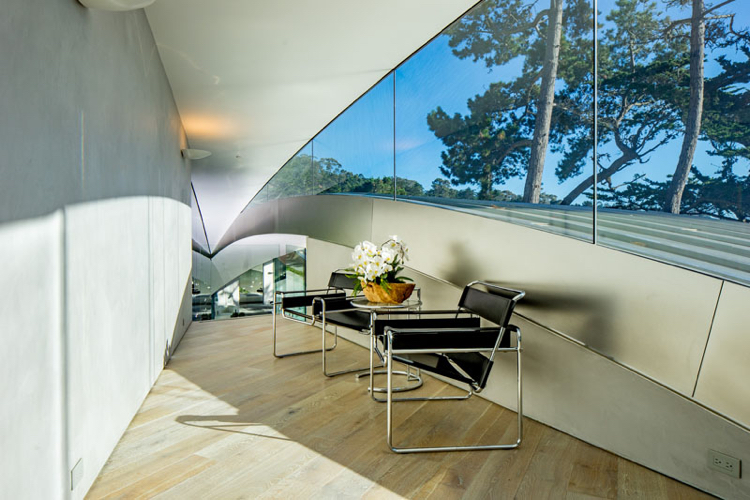
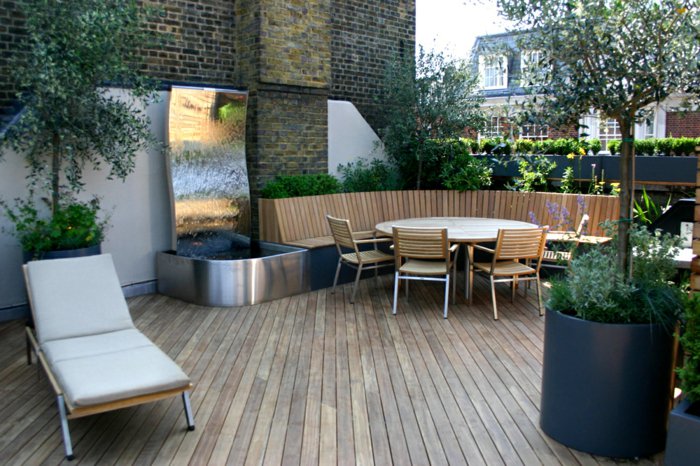
The boundaries between interior and exterior living continue to dissolve. Retractable glass walls, covered terraces, and open-air kitchens are becoming standard features in modern homes. This architectural approach extends the usable living area and creates a seamless flow between the home and its surrounding landscape. Whether it is a rooftop deck overlooking a cityscape or a ground-floor patio opening onto a private garden, indoor-outdoor living is transforming how families interact with their homes.
Our article on 10 Stunning Outdoor Living Ideas to Transform Your Patio and Backyard in 2026 offers plenty of practical tips for designing these spaces.
5. Modular and Prefabricated Architecture
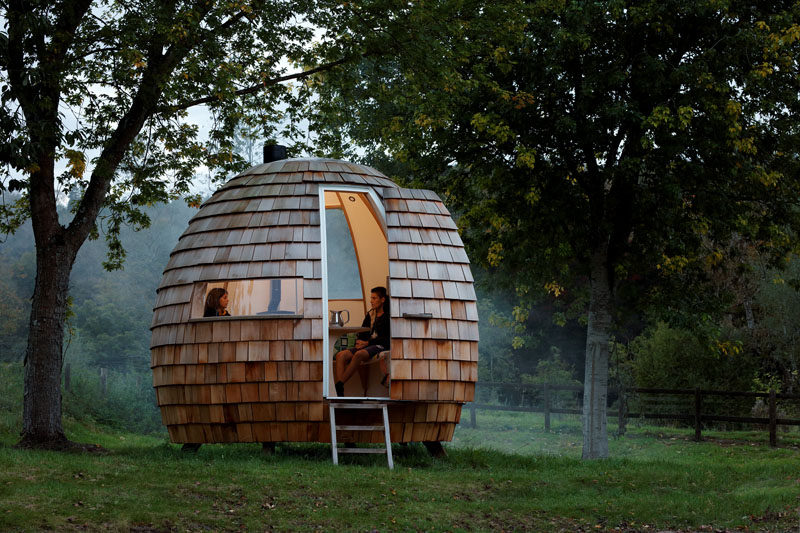
Prefabricated and modular construction has evolved far beyond its humble origins. Today prefab homes feature high-end finishes, customizable layouts, and architectural sophistication that rivals traditional builds. The appeal lies in shorter construction timelines, reduced waste, and often lower costs. Modular architecture also lends itself to creative configurations — stackable units, expandable rooms, and even relocatable structures that can adapt to changing needs over time.
See how creative cabin-style modular design can look in our feature on Rammed Earth and Timber Characteristic During This Australian Home.
6. Smart Home Integration from the Ground Up
In 2026, smart technology is not an afterthought — it is baked into the architectural blueprint from day one. Homes are being designed with integrated wiring for automated lighting, climate control, security, and entertainment systems. Voice-activated controls, AI-driven energy optimization, and app-managed home ecosystems are becoming standard. The key architectural consideration is creating clean, uncluttered spaces where the technology enhances daily life without becoming visually intrusive.
7. Adaptive Reuse and Heritage Preservation
One of the most inspiring trends in modern architecture is adaptive reuse — the practice of repurposing old buildings for new functions. Warehouses become loft apartments, churches transform into community hubs, and factories are reimagined as creative studios. This approach preserves architectural heritage while reducing the environmental cost of demolition and new construction. In 2026, more homeowners are seeking out properties with history and character, working with architects to blend original features with contemporary design.
If heritage-inspired interiors fascinate you, our look at the Luxury Brazilian Villa showcases a stunning blend of traditional and modern elements.
Final Thoughts
The architectural landscape of 2026 is defined by a beautiful tension between innovation and tradition, technology and nature, boldness and simplicity. Whether you are planning a new build, renovating an existing property, or simply dreaming about your future home, these seven trends offer a wealth of inspiration. Architecture is evolving to meet the demands of modern life while honoring our deep desire for beauty, comfort, and connection to the natural world.