Living in a small space doesn’t mean sacrificing style, comfort, or function. With the right strategies, even the most compact apartment or studio can feel open, organized, and beautifully designed. Whether you’re downsizing, renting your first place, or simply looking to get more out of every square foot, these 10 small space design ideas will help you make the most of what you have — without compromising on aesthetics.
1. Embrace a Light, Neutral Color Palette
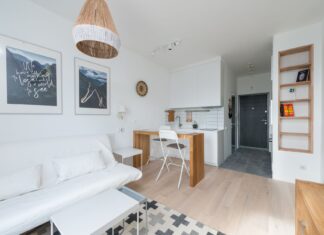
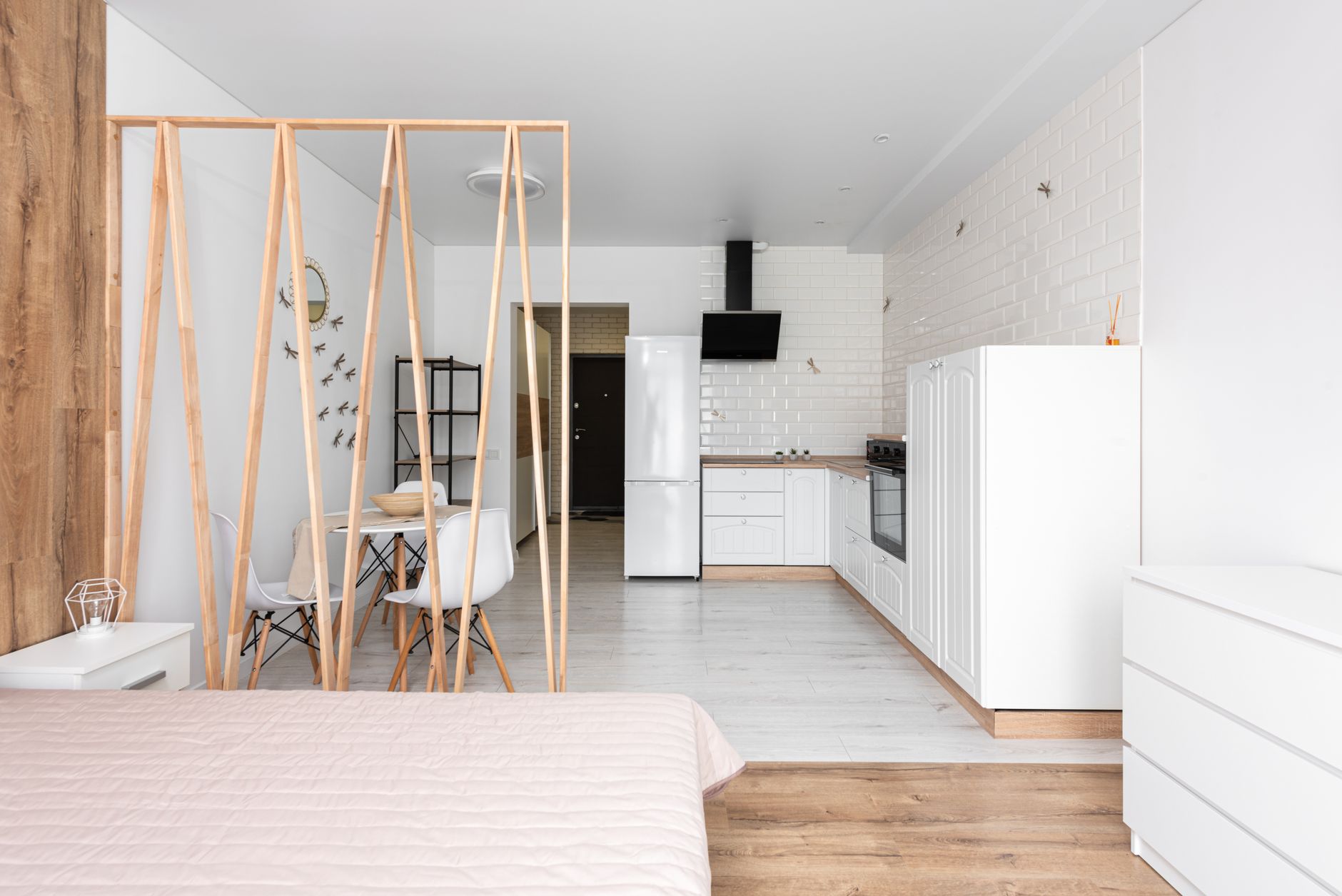
Color is one of the most powerful tools in a small space. Light shades like soft whites, warm creams, and pale greys reflect natural light and visually push walls outward, making rooms feel more expansive. Stick to a cohesive palette throughout the space to avoid visual fragmentation, and use subtle tonal variations to add depth without clutter. If you crave a pop of personality, introduce color through accessories, cushions, or a single accent wall rather than committing to bold paint across every surface. This approach keeps the room feeling airy and cohesive at the same time.
2. Invest in Multifunctional Furniture
Every piece of furniture in a small home should earn its place — ideally by serving more than one purpose. A sofa bed accommodates overnight guests without a dedicated guest room. An ottoman with internal storage doubles as a coffee table and a place to stash blankets or books. Nesting tables can spread out for entertaining and tuck away neatly the rest of the time. Before buying any new piece, ask yourself: does this do more than one job? For more inspiring ideas, check out our guide on 9 Multifunctional Furniture Ideas That Transform Small Spaces in 2026. Smart furniture choices are the foundation of a well-functioning compact home.
3. Go Vertical to Maximize Storage
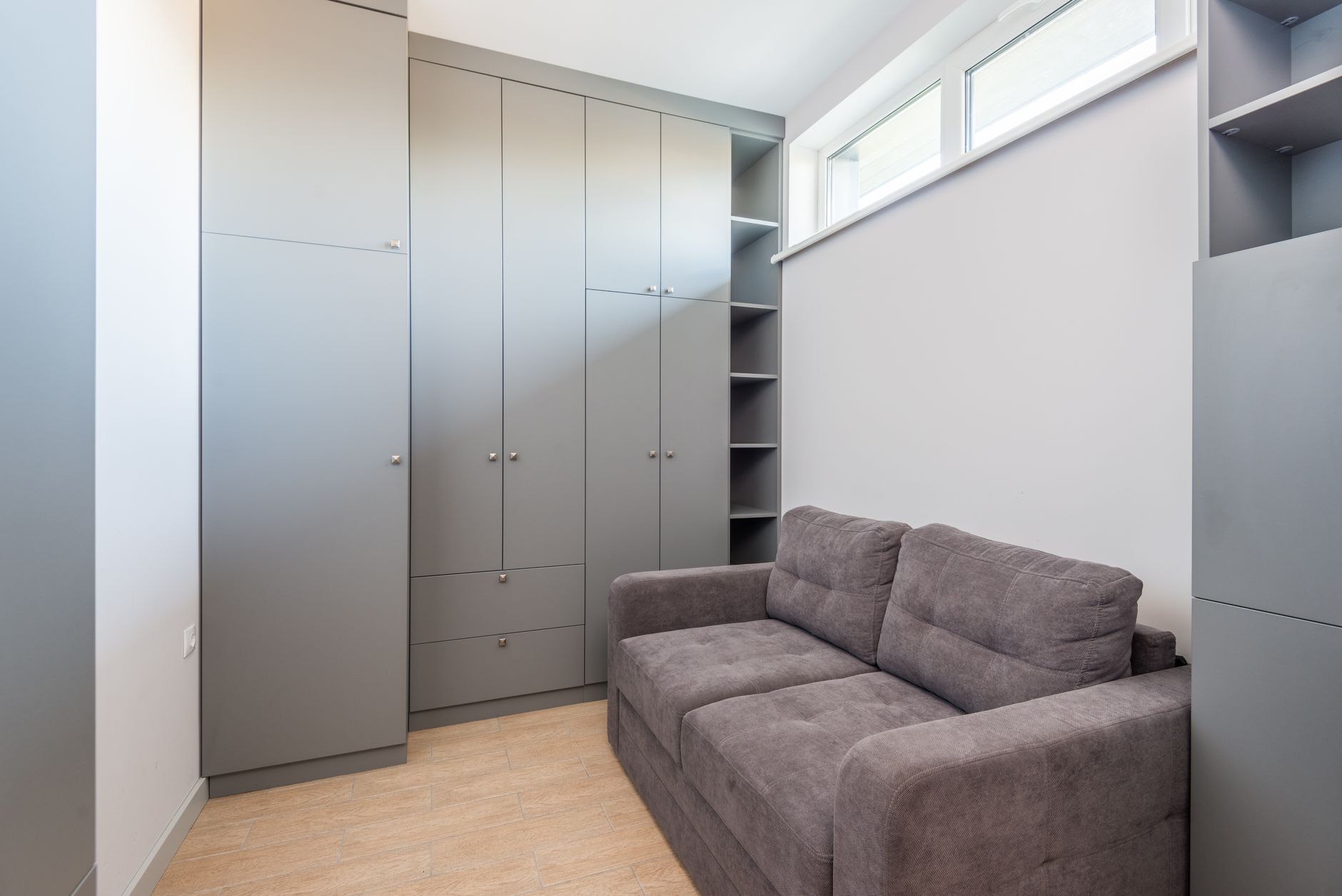
When floor space is limited, think upward. Floor-to-ceiling shelving units draw the eye up and dramatically increase storage capacity without taking extra square footage. Install floating shelves above desks, sofas, and beds to keep surfaces clear while displaying books, plants, and décor. In kitchens, tall cabinetry that reaches the ceiling eliminates the wasted space above standard-height units. Wall-mounted pegboards in craft rooms or home offices keep tools and supplies accessible but off the desk. Vertical thinking is one of the simplest, most budget-friendly ways to gain storage in a small space. You can also explore 9 Smart Storage Solutions That Will Transform Your Small Space in 2026 for a deeper dive.
4. Use Mirrors Strategically
Mirrors are a designer’s secret weapon in compact spaces. A large mirror on a main wall can effectively double the perceived depth of a room by reflecting both light and space. Position mirrors opposite windows to bounce natural light deeper into the room, brightening even the darkest corners. A mirrored wardrobe door, a gallery wall of mixed-size mirrors, or a full-length floor mirror leaned casually against a wall all work beautifully. The goal is to create the illusion of more space without adding bulk. For more tricks on opening up small rooms, see our post on 8 Clever Small Space Design Tricks That Make Any Room Feel Larger.
5. Declutter Ruthlessly and Organize Intentionally
In a small home, clutter is the enemy. Every item left on a surface competes for visual attention and makes a room feel smaller and more chaotic. Adopt a “one in, one out” policy: whenever something new enters the home, something else leaves. Invest in attractive storage solutions — woven baskets, labeled bins, drawer organizers — that contain belongings while still looking intentional. Hidden storage, like under-bed drawers or benches with lift-top lids, keeps items accessible but invisible. A decluttered, well-organized space always feels larger than its square footage suggests. For practical decoration advice that works in any size home, our 9 Smart Ways to Decorate and Organize Small Spaces Without Sacrificing Style is a great resource.
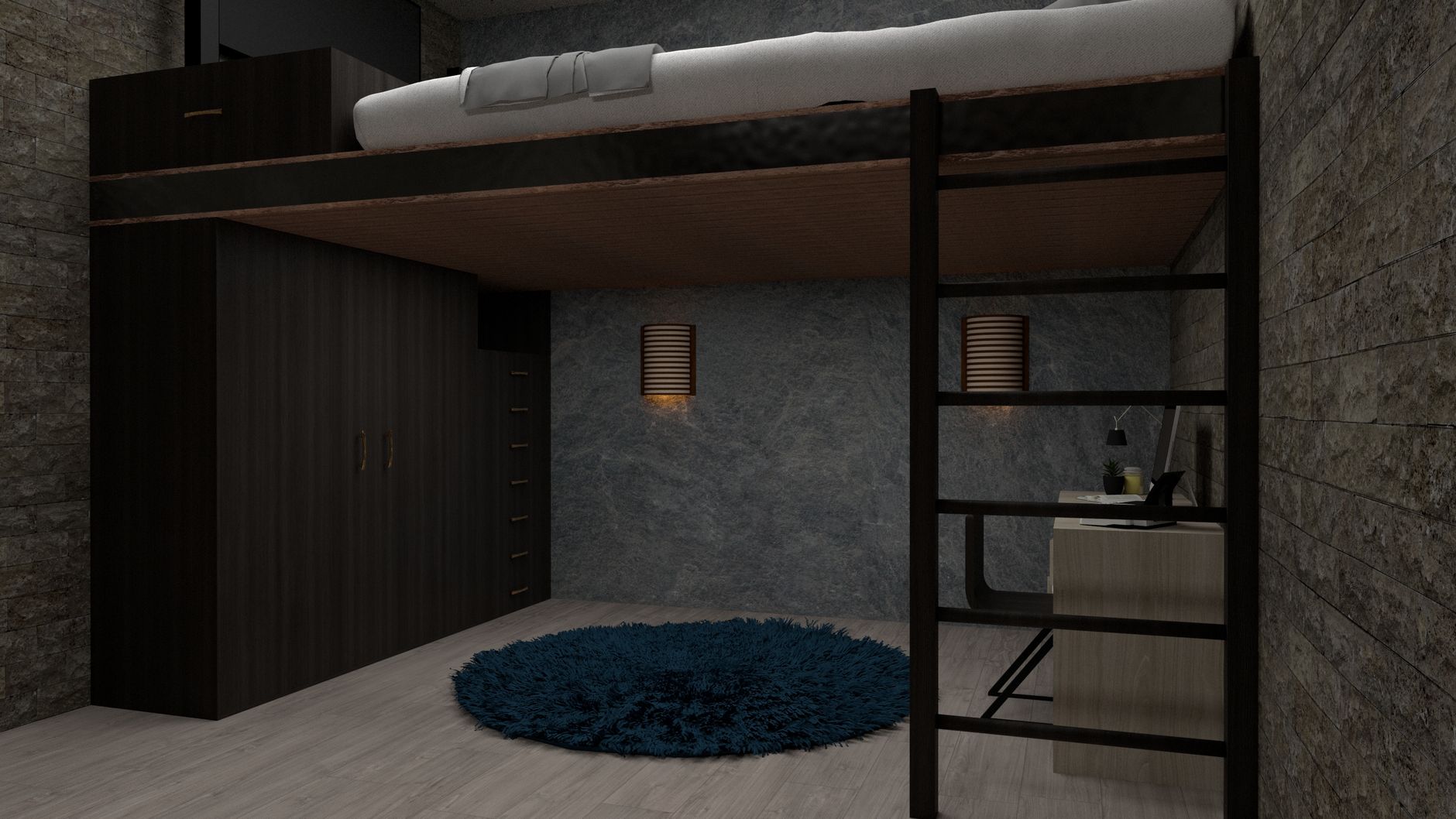
6. Define Zones with Rugs and Lighting
Open-plan studios and small apartments benefit enormously from visual zoning — the art of creating distinct “rooms” within a single space without building walls. Area rugs are the easiest tool: a rug under the sofa defines the living area, while a different rug under the dining table signals a separate zone. Lighting plays a complementary role; a pendant over the dining table, a floor lamp beside the reading chair, and under-cabinet lights in the kitchen each carve out a purposeful area. This layered approach to zoning makes a small space feel structured and intentional. For broader interior design principles that transform any room, our dedicated guide is well worth reading.
7. Choose Furniture with Exposed Legs
Furniture that sits flush to the floor can make a small room feel heavy and closed in. Pieces with slim, raised legs — sofas, armchairs, side tables, and bed frames — allow light and sightlines to pass beneath them, creating a sense of visual openness. This simple detail tricks the eye into reading the room as more spacious. Pair legged furniture with a light-colored rug to amplify the effect. Acrylic and glass pieces work on the same principle: they take up physical space without visual weight. The cumulative effect of several light-feeling furniture choices in one room is a space that breathes. For more inspiration, explore 10 Genius Small Space Design Ideas to Transform Your Tiny Home in 2026.
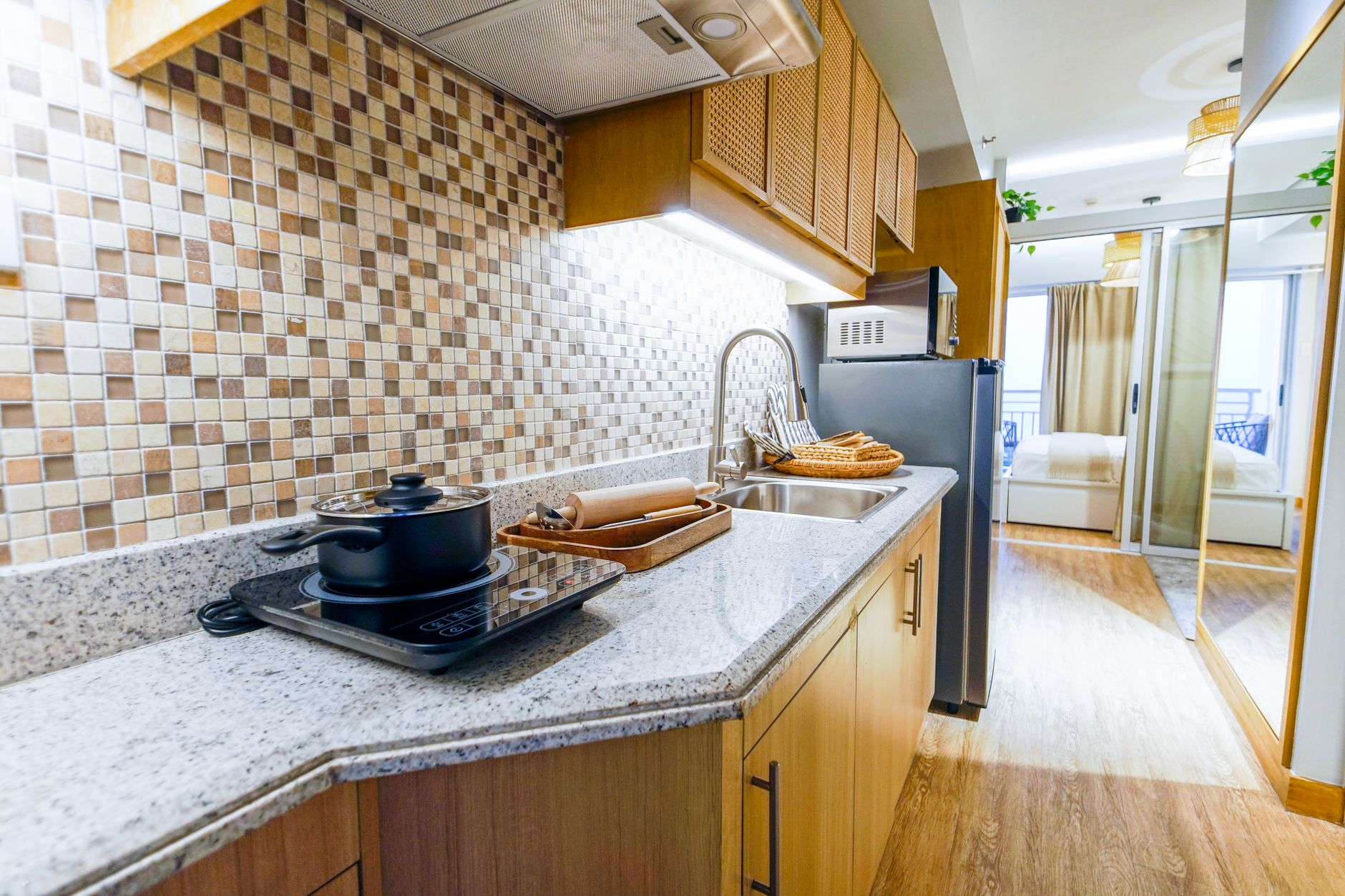
8. Maximize Natural Light
Natural light is perhaps the single most effective way to make a small space feel larger and more welcoming. Avoid heavy drapes that block precious daylight; swap them for sheer panels, Roman shades, or plantation shutters that let light in while maintaining privacy. Keep windowsills clear of bulky objects. Choose furniture placement that doesn’t block windows. When artificial light is necessary, layer sources — ambient ceiling lights, task lamps, and accent lighting — to mimic the warmth and depth of natural light. A well-lit small space always feels more livable. For additional design inspiration, 8 Interior Design Tips to Transform Your Living Room covers light and layout in depth.
9. Scale Furniture to the Room
Oversized furniture is one of the most common mistakes in small space design. A hulking sectional sofa that fills an entire living room or a king-size bed that leaves no room to walk around it will always feel oppressive, no matter how stylish the piece. Instead, choose furniture scaled to the room: a loveseat or apartment-sized sofa, a full or queen bed rather than a king, a compact dining table that extends when guests arrive. Proportion is everything in a small space. When in doubt, measure twice and leave breathing room around each piece — at least 24–36 inches for walkways. Thoughtful scaling creates a home that feels tailored rather than cramped.
10. Bring in Plants and Natural Textures
Even the most perfectly arranged small space can feel sterile without warmth and life. Houseplants are an inexpensive, effective way to add color, texture, and a sense of vitality to any room. Choose vertical growers like snake plants or fiddle-leaf figs for corners, or trailing varieties like pothos for shelves and windowsills. Natural materials — linen, jute, wood, rattan — add warmth and tactile interest without visual weight. A single statement plant in a beautiful pot can anchor a reading corner or enliven a bare wall. The goal is to create a space that feels alive, personal, and inviting — no matter how small. For more ideas on how small space living ideas can make your home feel bigger and brighter, our dedicated article has plenty of inspiration.
Final Thoughts
Designing a small space well is ultimately about intentionality: every color choice, furniture selection, and storage solution should serve the goal of a home that feels open, organized, and genuinely comfortable. The 10 ideas above — from light palettes and multifunctional furniture to strategic mirrors and natural textures — can be mixed, matched, and layered to suit any style and any budget. Small space living, done right, is not a compromise. It’s a design challenge that, when solved thoughtfully, results in a home that feels curated, calm, and completely yours.