Creating a home that feels both elegant and livable is one of the most rewarding design challenges you can take on. Whether you’re starting fresh or refreshing a tired space, the right interior design principles can completely transform how a room looks — and how it makes you feel. In this guide, we’ll walk through nine proven strategies that bring harmony, personality, and lasting style to any home interior.
1. Start With a Cohesive Color Palette
Color is the single most powerful tool in interior design. Before purchasing furniture or decor, choose a palette of three to five complementary colors that will flow throughout your home. Anchor the palette with one neutral base, add a mid-tone secondary hue, and reserve one or two accent shades for pillows, art, and accessories. A cohesive palette creates visual continuity between rooms and gives your home a polished, intentional feel. If you’re unsure where to start, natural tones — warm whites, soft greiges, and muted sage greens — are endlessly versatile and deeply calming.
2. Prioritize Natural Light Wherever Possible
Natural light is the great equalizer — it makes small rooms feel larger, dark corners feel welcoming, and colors read true. Maximize it by keeping window treatments light and airy, using mirrors to bounce sunlight deeper into a room, and choosing furniture placement that doesn’t block key light sources. When natural light is limited, layer artificial lighting with overhead fixtures, floor lamps, and task lighting to mimic its warmth and depth. As explored in 8 Interior Design Tips to Transform Your Living Room Into a Stunning Retreat, thoughtful lighting choices are one of the most impactful upgrades you can make.
3. Choose Furniture That Scales to the Room
Oversized furniture in a compact room — or tiny pieces lost in a grand space — instantly throws off a room’s balance. Before shopping, sketch your floor plan and note the dimensions of any piece you’re considering. As a rule of thumb, leave at least 18 inches of walkway around major furniture, and ensure seating arrangements allow easy conversation without shouting across the room. Investing in well-scaled pieces from the start saves the costly mistake of buying furniture that simply doesn’t fit. For smaller spaces, multifunctional pieces like storage ottomans and extendable dining tables are invaluable allies.
4. Layer Textures for Warmth and Depth
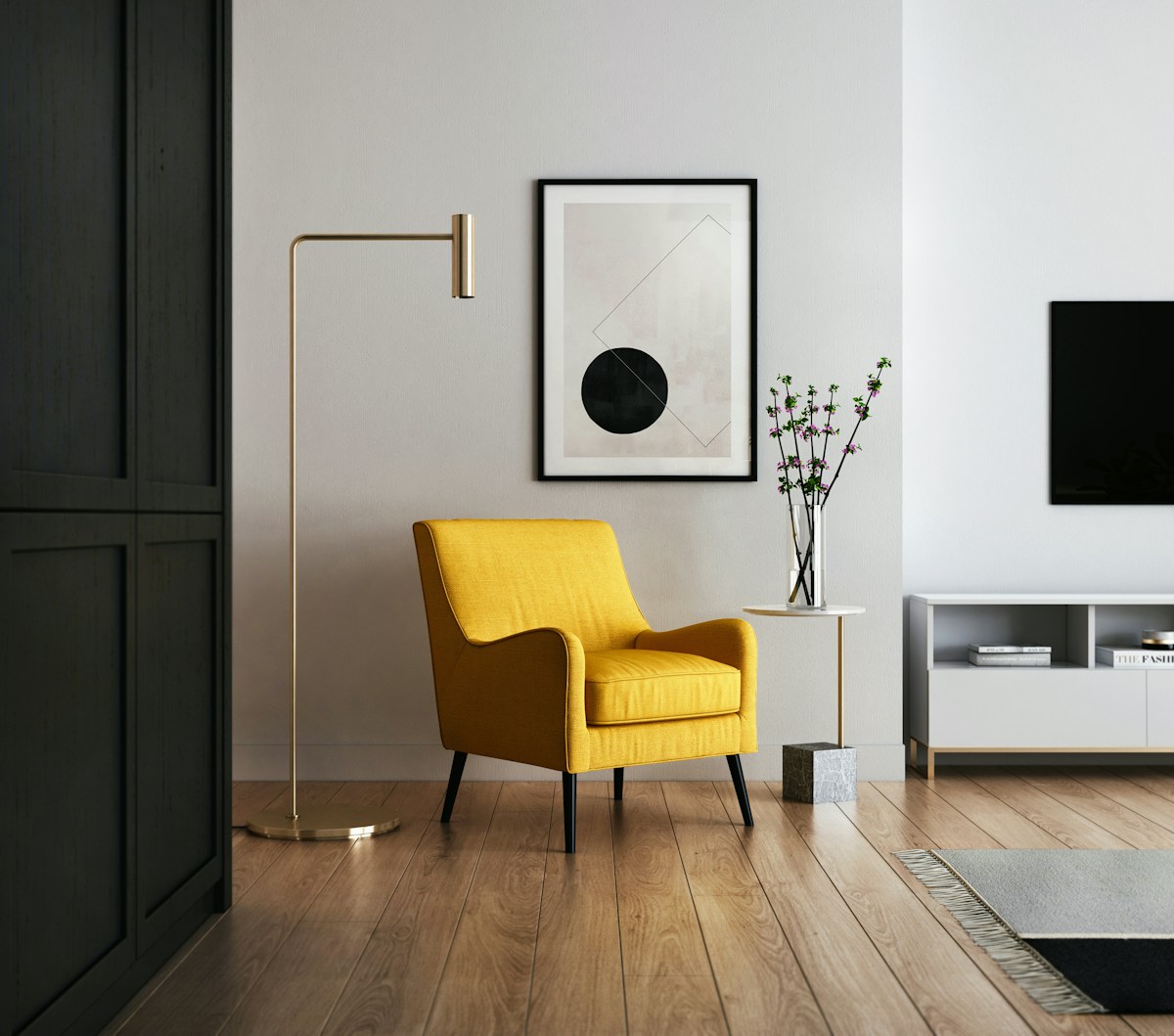
A room furnished entirely in smooth, flat surfaces tends to feel cold and incomplete — even if the colors are perfect. Texture is what gives a space its sense of warmth and tactile richness. Mix materials deliberately: pair a linen sofa with a chunky knit throw, layer a jute rug beneath a soft wool area rug, and combine matte wood with polished metal hardware. Using Carpets and Rugs to Change a Room’s Look is a fantastic starting point for understanding how floor coverings alone can redefine an interior’s character. The key is variety — aim for at least four distinct textures in any well-styled room.
5. Anchor Every Seating Area With a Rug
A rug that’s too small for the seating area it serves is one of the most common interior design mistakes. The front legs of all major seating pieces should sit on the rug — this visually ties the furniture together and defines the zone within a larger open-plan room. In dining rooms, the rug should extend at least 24 inches beyond the table on all sides so chairs remain on the rug even when pulled out. Choosing the right size and material is also critical: high-traffic areas benefit from durable flatweaves or wool, while bedrooms can indulge in plush, soft-underfoot options. Don’t underestimate the transformative power of the right rug as highlighted in our coverage of 33 Dining Room Interiors with Tables Setups.
6. Create a Focal Point in Every Room
Every room needs a visual anchor — a single element that draws the eye first and around which the rest of the room is organized. This could be a fireplace, a gallery wall, a statement piece of furniture, or an architectural feature like a bay window. Once you’ve identified your focal point, arrange furniture to face or complement it, and use lighting to emphasize it. Rooms without a clear focal point tend to feel chaotic or uncertain. If your room lacks a natural focal point, bold wallpaper on a single accent wall or a large-format piece of art can create one instantly.
7. Mix Old and New for Character
Rooms furnished entirely with new pieces can feel showroom-sterile, while spaces filled only with antiques risk feeling like a museum. The sweet spot is a deliberate mix: a sleek contemporary sofa paired with a vintage side table, modern pendant lights hanging above a farmhouse dining table, or an heirloom rug anchoring a minimalist bedroom. This approach adds personality and tells a story. As Contemporary-Style Family Interior in Brownish Hues beautifully demonstrates, blending finishes and eras creates interiors that feel curated and genuinely lived-in.
8. Don’t Neglect the Ceiling — Your Fifth Wall
Most homeowners focus so intently on the four walls and floor that they forget about the ceiling entirely. Yet the ceiling offers tremendous design opportunity. A coat of paint in a deeper shade of the room’s main color adds instant drama and coziness. Exposed beams, shiplap, or decorative molding can add architectural interest where none exists. Even something as simple as bringing the wall color six inches onto the ceiling creates the illusion of more height. For bold moves, consider a wallpapered ceiling, a painted sky mural, or dramatic pendant lighting that draws the eye upward. 7 Ways To Improve Your House To Change Your Lifestyle offers more unconventional ideas for updating spaces creatively.
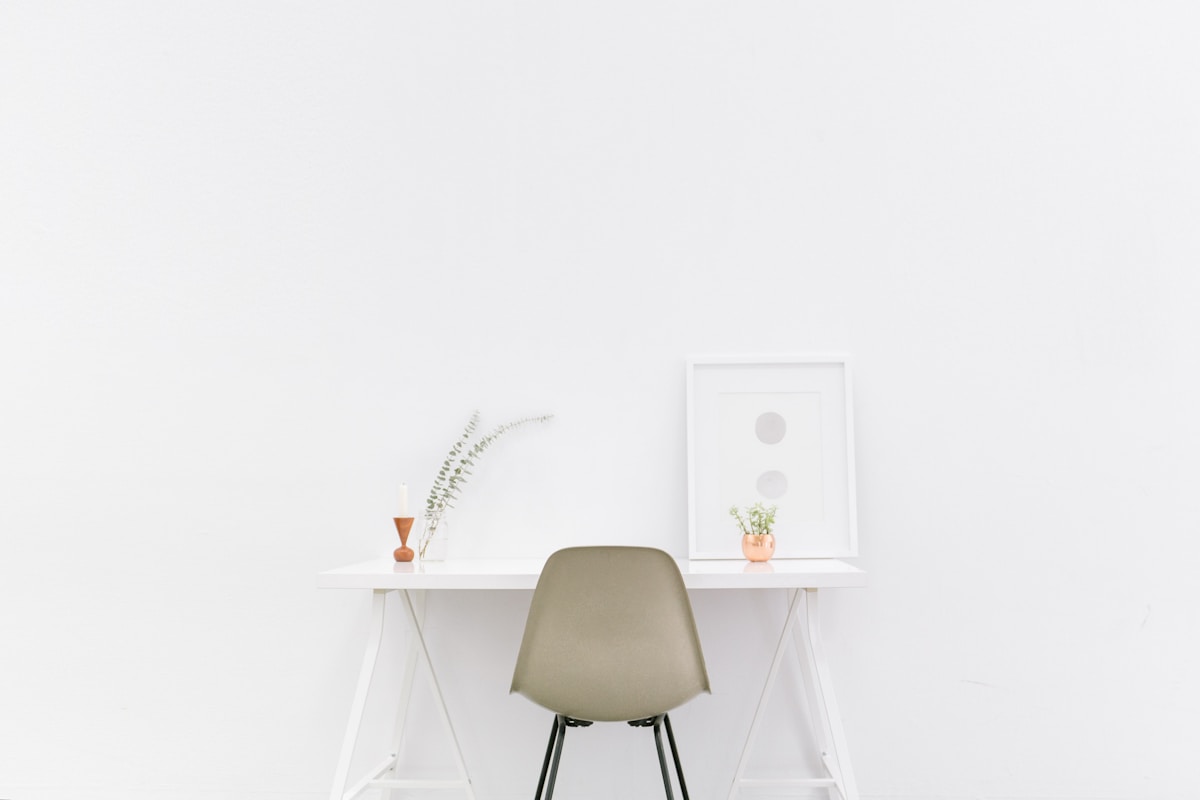
9. Edit Ruthlessly — Less Is More
One of the most underrated skills in interior design is knowing what to remove. Clutter, even of beautiful objects, creates visual noise that undermines even a well-planned scheme. Edit your accessories down to only the pieces you truly love, and give each one breathing room. Group objects in odd numbers — threes and fives — and vary height within each grouping for dynamic display. If you find yourself hesitating on whether to keep something, the answer is usually to store it. A curated, spacious room always reads as more sophisticated than an overflowing one. For more inspiration on working smarter with what you have, explore 5 Home Makeovers To Invite Coolness During Warm Days.
Final Thoughts
Great interior design isn’t about having an unlimited budget or following every trend — it’s about understanding proportion, light, texture, and the story you want your home to tell. By applying these nine principles thoughtfully, you’ll create spaces that are as beautiful as they are comfortable. Start with one room, implement these ideas at your own pace, and watch as your home transforms into the sanctuary it was always meant to be. For even more ideas and deep dives into specific design styles, browse through our 10 Stunning Home & Garden Decoration Ideas to Transform Your Space and let your creativity lead the way.