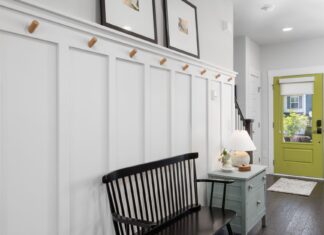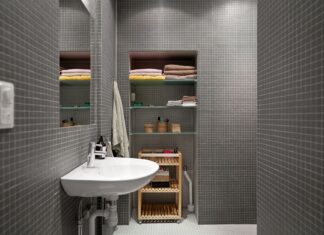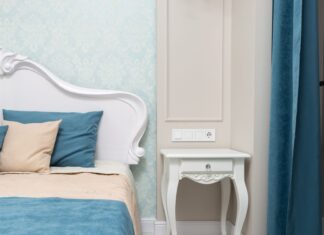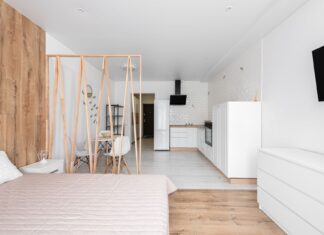
Living in a small space doesn’t mean you have to sacrifice style, comfort, or functionality. With the right design strategies, even the most compact apartments and homes can feel open, organized, and beautifully appointed. Whether you’re working with a studio flat, a narrow city apartment, or simply a room that needs rethinking, these 11 smart small space design ideas will help you make the most of every square foot.
1. Go Vertical with Shelving and Storage
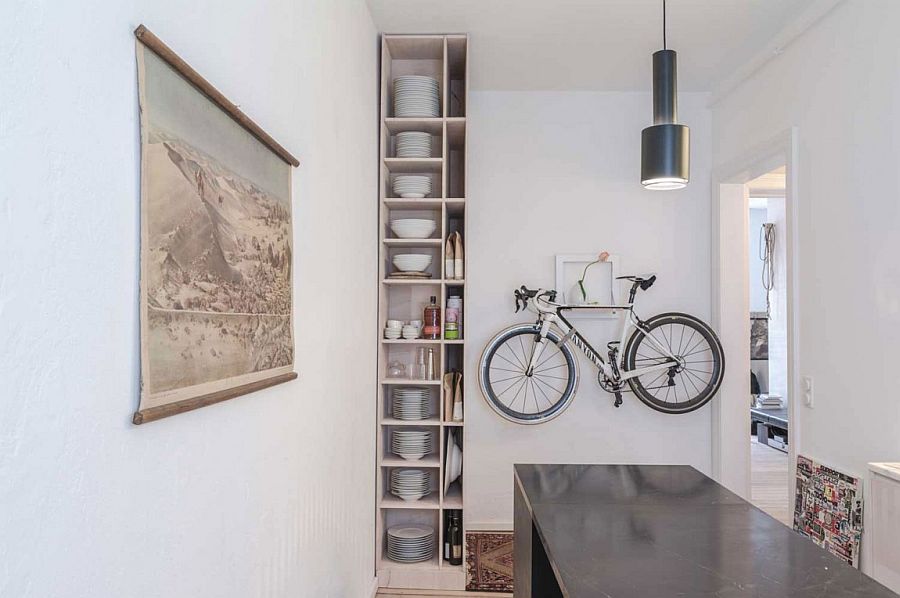
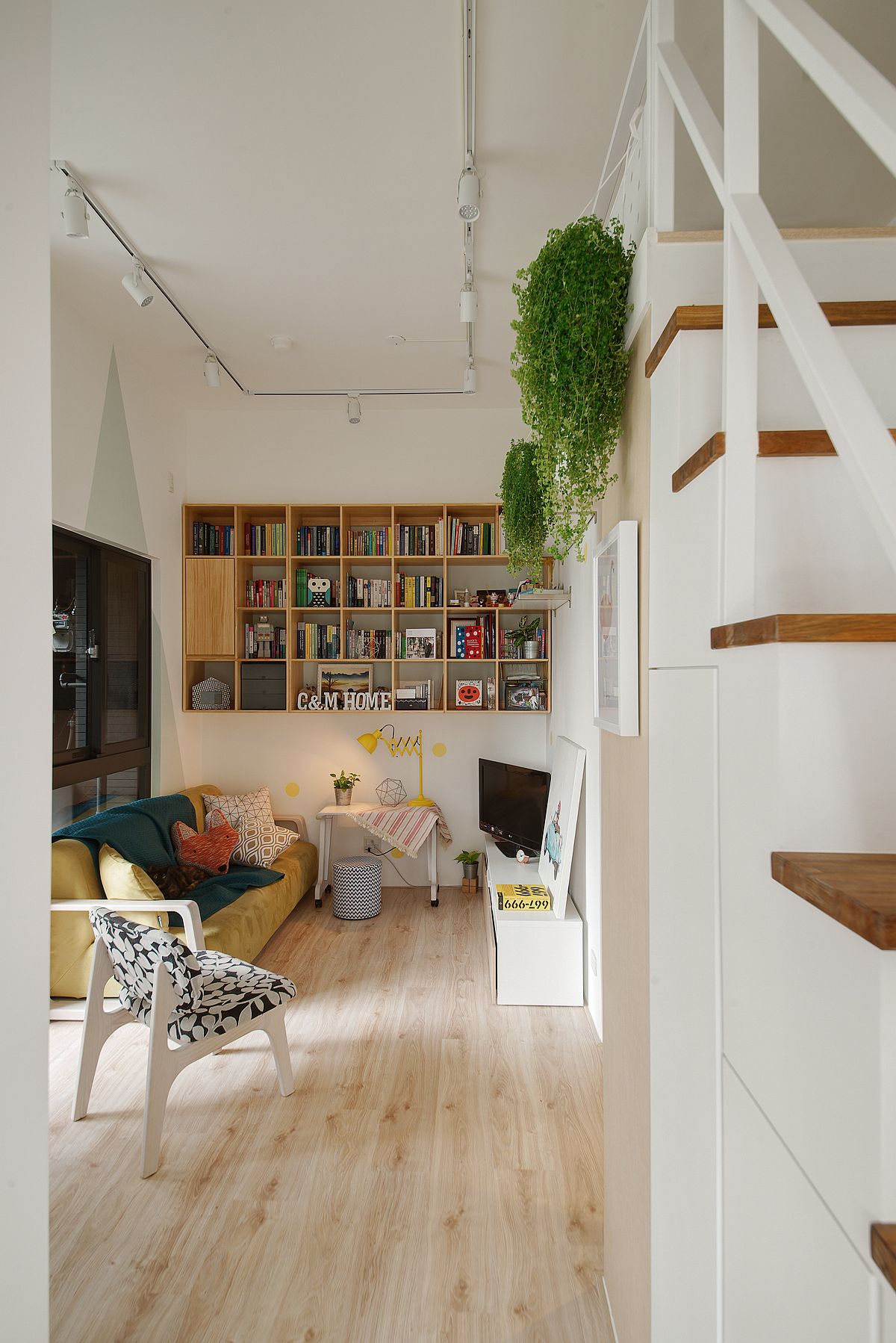
When floor space is limited, the best direction to look is up. Installing tall shelving units, floating wall shelves, and vertical cabinetry draws the eye upward and creates the impression of height while dramatically increasing your storage capacity. Use the upper shelves for seasonal or rarely used items and keep everyday essentials within easy reach. This approach works brilliantly in living rooms, kitchens, and even hallways. Check out these 8 brilliant small space ideas that make every square foot count for more vertical storage inspiration.
2. Choose Multi-Functional Furniture
In a small space, every piece of furniture should earn its place. Look for items that serve double or even triple duty: a storage ottoman that functions as a coffee table and extra seating, a sofa bed for hosting guests, or a dining table that folds flat against the wall when not in use. Murphy beds are another fantastic option for studio apartments, freeing up significant floor space during daytime hours. Investing in smart, multi-functional pieces is one of the most impactful ways to decorate and organize small spaces without sacrificing style.
3. Use Mirrors to Create the Illusion of Space
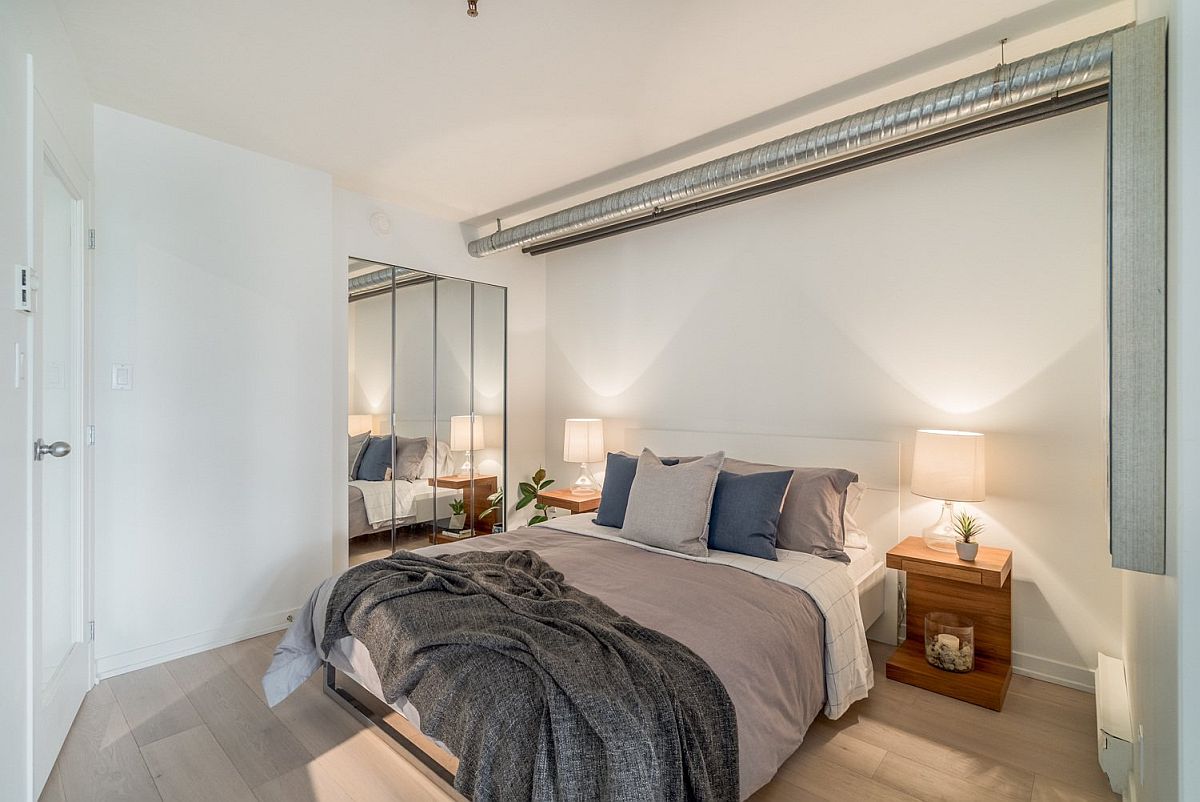
Mirrors are one of the most powerful tools in a small-space designer’s toolkit. A large mirror positioned opposite a window reflects natural light and creates the impression that a room extends further than it actually does. Mirrored wardrobe doors in bedrooms are especially effective, combining storage functionality with visual expansion. Even a gallery wall of smaller mirrors can add depth and brightness. For bedroom-specific inspiration, explore our guide to bedroom design ideas to create your perfect sleep sanctuary.
4. Embrace a Light, Neutral Color Palette
Color has a profound effect on how spacious a room feels. Light shades — whites, soft grays, warm beiges, and pale pastels — reflect light and make walls seem to recede, giving a sense of openness. When in doubt, paint the ceiling the same shade as your walls (or even slightly lighter) to raise the perceived height of the room. You can add personality and depth through textured fabrics, patterned cushions, and carefully selected accent pieces without overwhelming a compact space. For broader design principles, our article on interior design tips to transform your living room covers color and light beautifully.
5. Maximize Hidden and Under-Utilized Storage
Every small space has untapped storage potential — you just need to know where to look. The area under a bed is perfect for flat storage containers holding linens, clothing, or shoes. Corner spaces can be transformed into bespoke cabinetry or fitted shelving. The space above kitchen cabinets, the back of doors, and the area beneath staircases all offer opportunities to hide clutter and keep your living areas clear. Strategic hidden storage is a cornerstone of successful small space design in 2026.
6. Keep Clutter to a Minimum
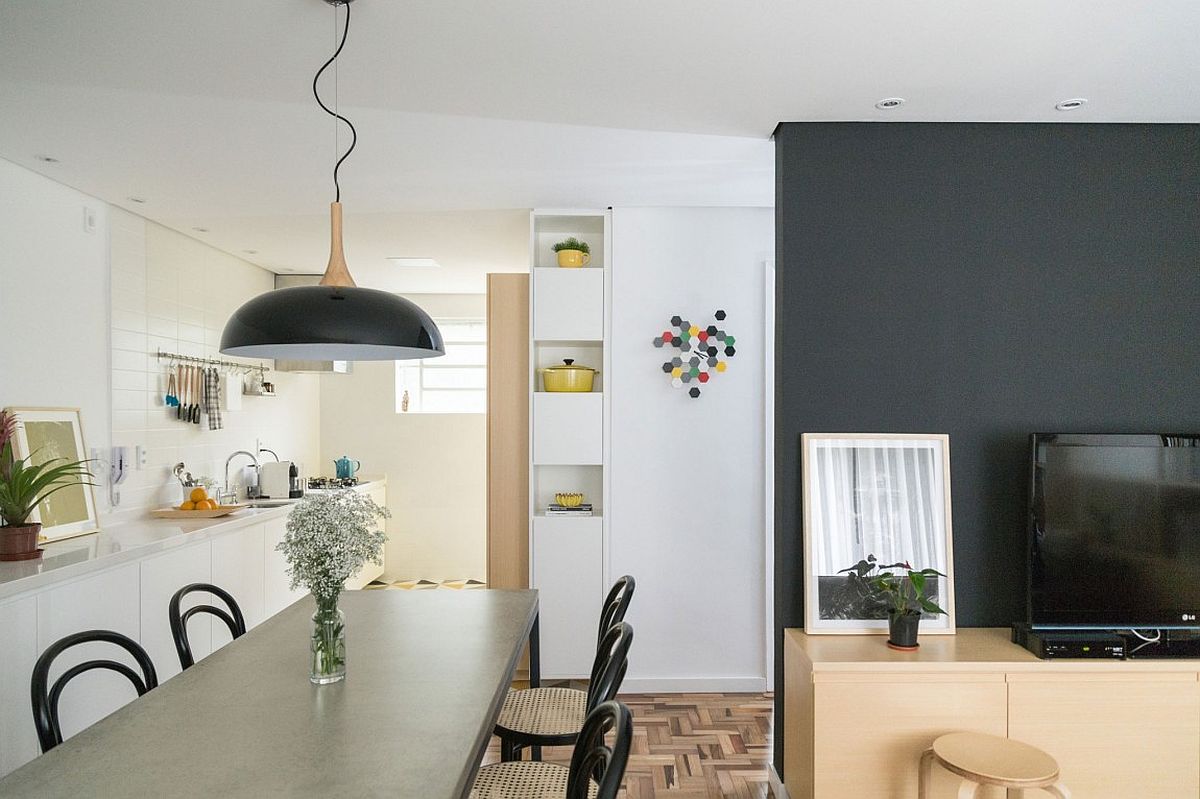
Small spaces are unforgiving when it comes to clutter — even a few misplaced items can make a room feel cramped and chaotic. Adopt a “less is more” philosophy and be intentional about what you bring into your home. Implement a regular decluttering routine, keeping only items that are beautiful, useful, or deeply meaningful to you. When everything has a designated place, your space will feel calm and controlled regardless of its size. This mindset pairs perfectly with the principles behind small home designs under 50 square meters.
7. Let Natural Light Flow Freely
Natural light is your greatest ally in a small space. Avoid heavy drapes or dark window treatments that block light and make a room feel smaller. Instead, opt for sheer curtains, Roman blinds, or even no window coverings at all where privacy permits. Hanging curtains high and wide — extending beyond the window frame — creates an illusion of larger windows and a taller room. Clean windows, strategic mirror placement, and glass or lucite furniture pieces can amplify whatever natural light you have.
8. Define Zones in an Open-Plan Layout
In studio apartments or open-plan small homes, creating defined zones for sleeping, working, dining, and relaxing is essential for both function and psychological comfort. Use area rugs, low bookshelves, different lighting zones, or even curtains on ceiling tracks to delineate spaces without adding walls. This zoning technique makes a single room feel purposeful and organized. For inspiration from compact living done exceptionally well, explore this 40 square meter small apartment interior design.
9. Choose Furniture That Fits the Scale of Your Space
Oversized furniture is one of the most common mistakes made in small spaces. A massive sectional sofa may look beautiful in a showroom but can overwhelm a compact living room, leaving little room to move. Choose furniture that is appropriately scaled — sleek sofas, compact armchairs, and narrow dining tables can provide all the functionality of larger pieces without dominating the room. Look for furniture with slim legs that allow light to pass underneath, making the floor appear larger and the room more open.
10. Add Plants Strategically for Life and Freshness
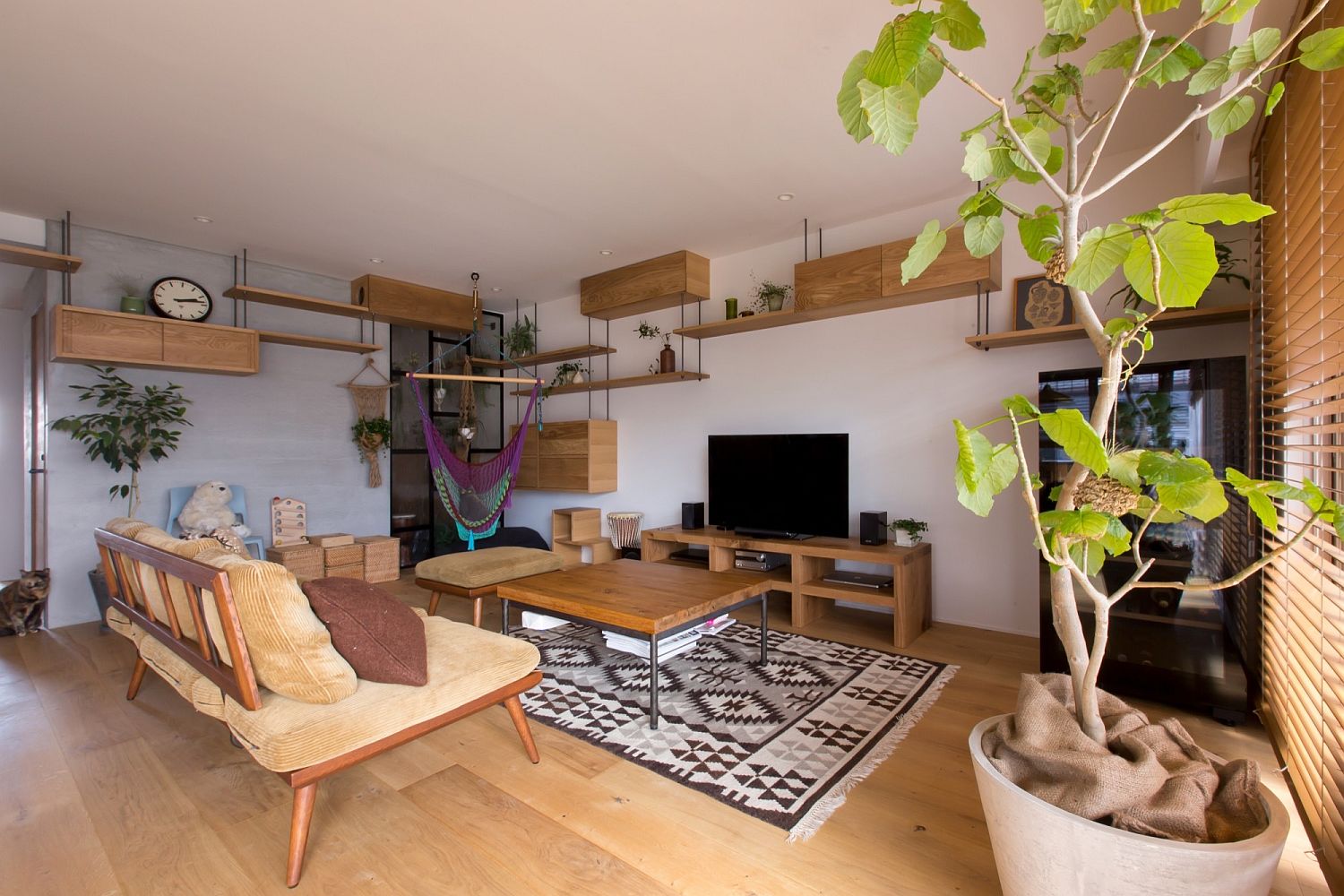
Greenery brings life, color, and a sense of tranquility to any space, however small. In compact rooms, choose plants wisely: tall, slender plants like snake plants or fiddle-leaf figs add vertical interest without taking up much floor space, while trailing plants on high shelves draw the eye upward. Herb gardens on kitchen windowsills combine aesthetic appeal with practicality. Even a single, well-placed potted plant can transform the atmosphere of a small room. For creative ideas on blending indoors and out, our feature on stunning home and garden decoration ideas is a wonderful resource.
11. Invest in Good Lighting at Every Level
Relying on a single overhead light source is a common mistake that makes small rooms feel flat and even smaller. Layer your lighting with a combination of ambient (general), task (functional), and accent (decorative) lights. Table lamps, floor lamps, and under-cabinet lighting add warmth and dimension. Wall sconces are particularly useful in small spaces because they provide light without taking up precious surface or floor area. The right lighting scheme can make a compact room feel cozy, inviting, and far more spacious than it actually is.
Final Thoughts
Small spaces are a design challenge that, when approached creatively, can result in some of the most thoughtful and beautiful interiors imaginable. The key lies in choosing the right furniture, maximizing storage, harnessing natural light, and keeping only what you truly love. Whether your space is 30 square meters or 60, these strategies will help you live larger, feel more comfortable, and enjoy your home to its fullest potential. For even more ideas on making compact living work beautifully, explore our full collection of small spaces articles on Decor10 Blog.