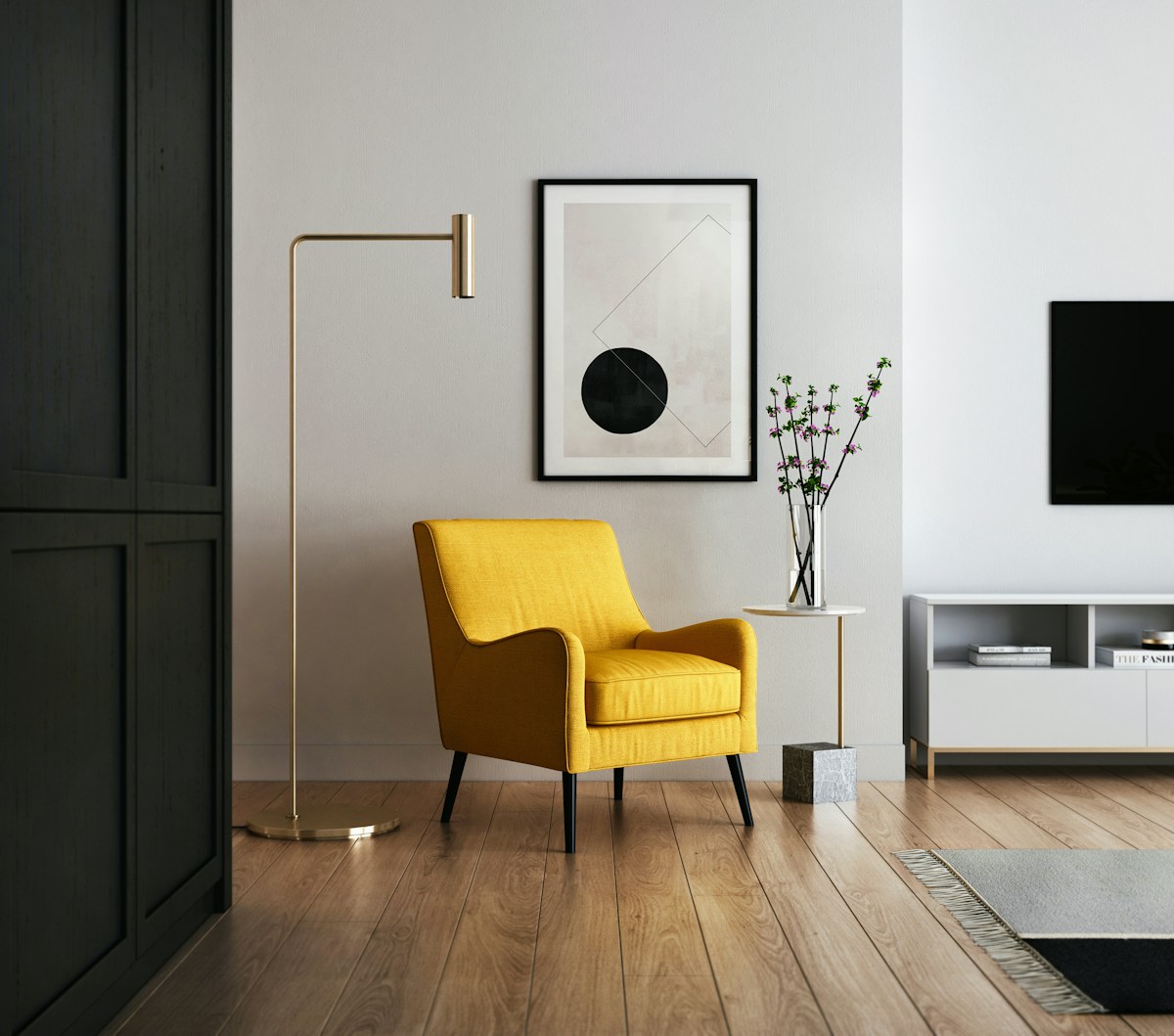
The living room is the heart of your home — a place where comfort meets style and where family and guests gather to connect and relax. Whether you are working with a spacious open-plan layout or a more compact setting, the right interior design choices can completely transform how a space looks and feels. A thoughtfully designed living room is not just visually impressive; it supports the way you actually live, balancing function with beauty in every detail. In this guide, we share eight practical tips to help you create a living room that is stunning, personal, and built to last.
1. Start with a Clear Design Vision
Before you move a single piece of furniture or select a paint color, take the time to define the mood you want your living room to convey. Are you drawn to the clean lines of Scandinavian minimalism, the warmth of a Mediterranean-inspired palette, or the eclectic energy of contemporary bohemian design? Creating a mood board — whether digital or physical — helps you stay consistent as you make decisions. Reference images from design blogs, magazines, and social media to identify patterns in what appeals to you. This clarity will guide every purchase and prevent the costly mistakes that come from impulsive choices. A strong, cohesive vision is the foundation of every successful interior design transformation.
2. Choose a Cohesive Color Palette
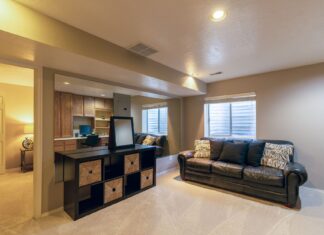
Color is one of the most powerful tools available to any interior designer. A well-chosen palette can make a room feel larger, cozier, brighter, or more grounded — depending entirely on your intentions. Consider anchoring your living room in one or two neutral base tones such as warm whites, soft grays, or earthy taupes, and then layering in accent colors through cushions, rugs, artwork, and accessories. For a timeless result, limit yourself to three or four complementary shades. If you enjoy bolder expression, a single accent wall can introduce drama without overwhelming the space. For inspiration on working with warm, sophisticated tones, explore this contemporary family interior in brownish hues — a masterclass in cohesive color storytelling.
3. Invest in Quality Foundational Furniture
Your sofa, coffee table, and primary storage pieces form the structural backbone of your living room. Investing in quality at this foundational level pays dividends in both longevity and visual impact. Choose pieces that align with your design vision, but also give careful thought to scale — furniture that is too large or too small will throw off the entire room’s sense of proportion. In smaller spaces, lean into multifunctional pieces such as storage ottomans, nesting side tables, or modular shelving units that adapt as your needs change. Neutral upholstery in durable fabrics offers the most versatility, allowing you to refresh the room’s personality through accessories without replacing major furniture.
4. Layer Your Lighting for Atmosphere
Lighting is the element most often overlooked in home design, yet it has an outsized effect on how a room feels. Relying on a single overhead light leaves a space feeling flat and institutional. Instead, layer your lighting across three levels: ambient light from ceiling fixtures for overall illumination, task lighting from floor and table lamps for reading and focused activities, and accent lighting from LED strips, candles, or directional spotlights to highlight artwork and architectural features. Installing dimmer switches is one of the most cost-effective upgrades you can make — they allow you to shift the mood from bright and energetic during the day to warm and intimate at night. Addressing common house malfunctions that affect your interior design, including poor lighting, is often the quickest route to a more polished result.
5. Incorporate Texture and Natural Materials
A room that relies entirely on color and furniture shape can look beautiful in photographs but feel lifeless in person. Texture is the ingredient that makes a space feel genuinely inviting. Layer different textiles — a chunky knit throw draped over the sofa, a woven jute rug underfoot, velvet cushions in complementary tones — to create depth and tactile richness. Beyond soft furnishings, natural materials such as solid wood, polished stone, rattan, and linen introduce an organic warmth that synthetic alternatives cannot replicate. Even subtle touches like a wooden fruit bowl, a stone candle holder, or a rattan pendant light can shift the feeling of a room considerably. Texture transforms a living room from a showroom set into a home.

6. Curate Your Wall Decor with Intention
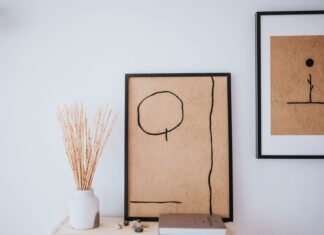
Bare walls leave a living room feeling incomplete, but overcrowded walls create visual clutter that undermines even beautiful furniture. A gallery wall — combining original artwork, framed photography, prints, and small sculptural objects — is one of the most personal and impactful ways to bring character to your space. The key is careful planning: arrange all pieces on the floor first, experimenting with composition before committing to nails. Beyond gallery walls, consider large-format mirrors, which both reflect natural light and create the illusion of greater depth. For a budget-friendly refresh, you can find inspiration in easy DIY home decor projects that produce genuinely sophisticated results at minimal cost.

7. Bring the Outdoors In with Biophilic Design
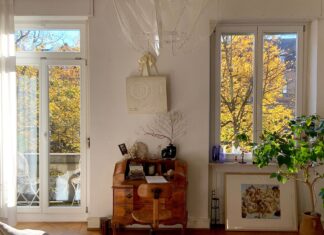
Biophilic design — the practice of weaving natural elements into interior spaces — has become one of the defining movements of contemporary home design. Indoor plants do far more than look attractive; research consistently shows they reduce stress, improve air quality, and foster a sense of calm. The good news is that you do not need a dedicated garden room or a green thumb to benefit from this approach. Low-maintenance plants such as pothos, snake plants, peace lilies, and ZZ plants thrive in typical indoor conditions and require minimal attention. Group plants of different heights to create layered visual interest, and choose planters that complement your existing color palette. A well-placed statement plant — a large fiddle-leaf fig or a sculptural monstera — can anchor a corner and serve as a natural focal point without any additional furniture required.

8. Style Your Space with Considered Accessories
Accessories are the finishing layer that transforms a well-designed room into a truly memorable space. The secret is restraint and intention — every object on display should earn its place either through beauty, meaning, or function. Style in groups of odd numbers, vary heights, and mix materials to avoid a static, symmetrical look that feels more like a shop display than a lived-in home. Coffee table books, sculptural vases, curated collections of ceramics, and meaningful personal objects all contribute to a narrative that makes the room uniquely yours. For additional inspiration, explore how modern design principles applied across the home can create a harmonious flow from room to room, and consider how the same thoughtful approach to accessories in your dining room interior can complement and elevate your living space.
Final Thoughts
Designing a living room you genuinely love is less about budget and more about making thoughtful, intentional choices at every step. Start with a clear vision, build a cohesive palette, invest where it matters most, and layer in texture, light, and greenery to bring the space to life. Whether you undertake a full renovation or simply refresh your accessories and lighting, even small changes made with purpose can produce a remarkable transformation. The most beautiful living rooms are not perfect — they are personal, evolving, and deeply reflective of the people who inhabit them.