Transforming your home doesn’t require a massive budget or a complete overhaul — it starts with the right decorating inspiration. Whether you’re refreshing a single room or giving your entire home a new direction, these ideas will spark your creativity and help you make meaningful changes that feel cohesive and personal. From color palettes to statement pieces, here are 9 decorating inspiration ideas to breathe new life into every corner of your home.
1. Build Around a Signature Color Palette
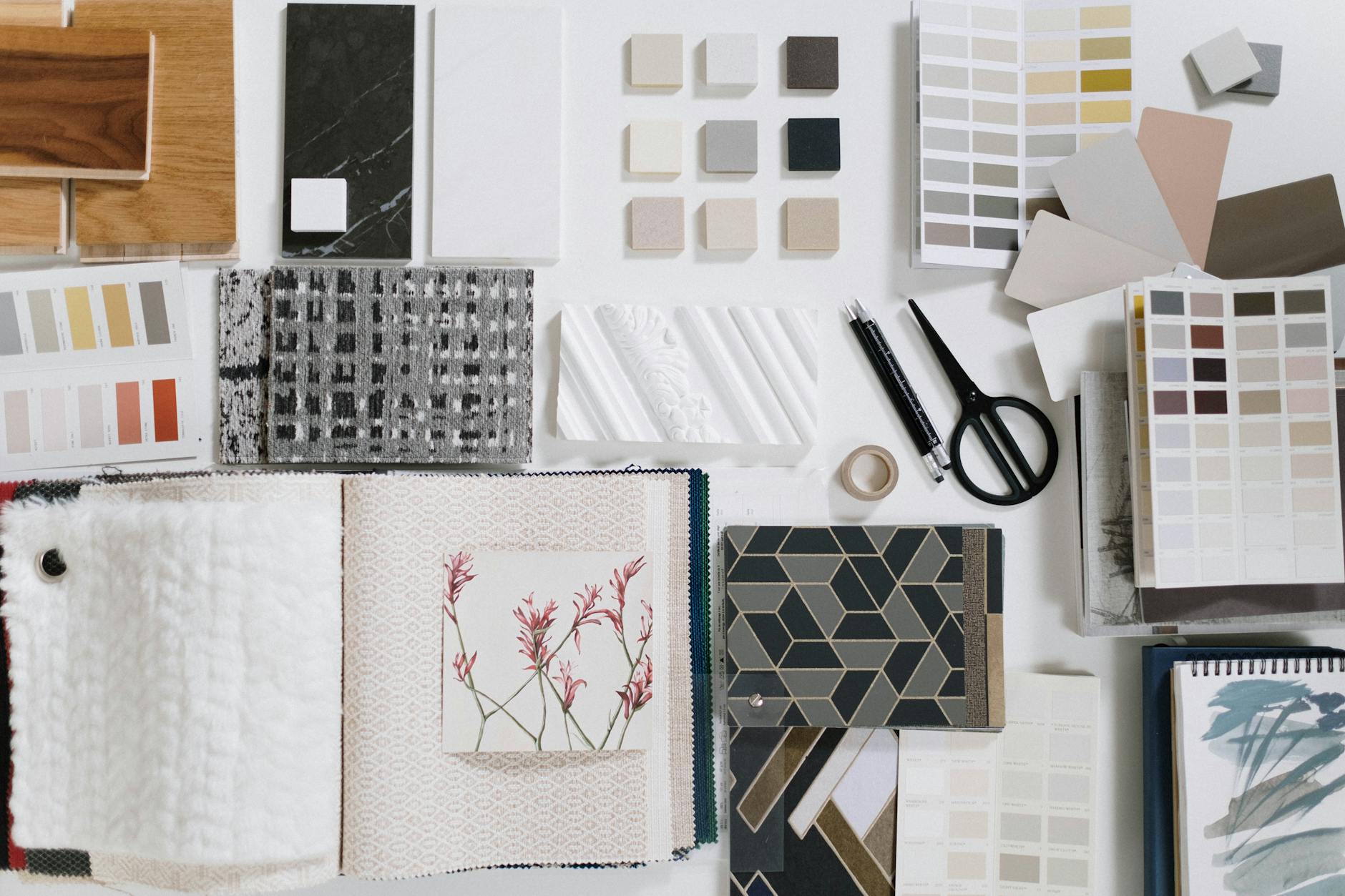
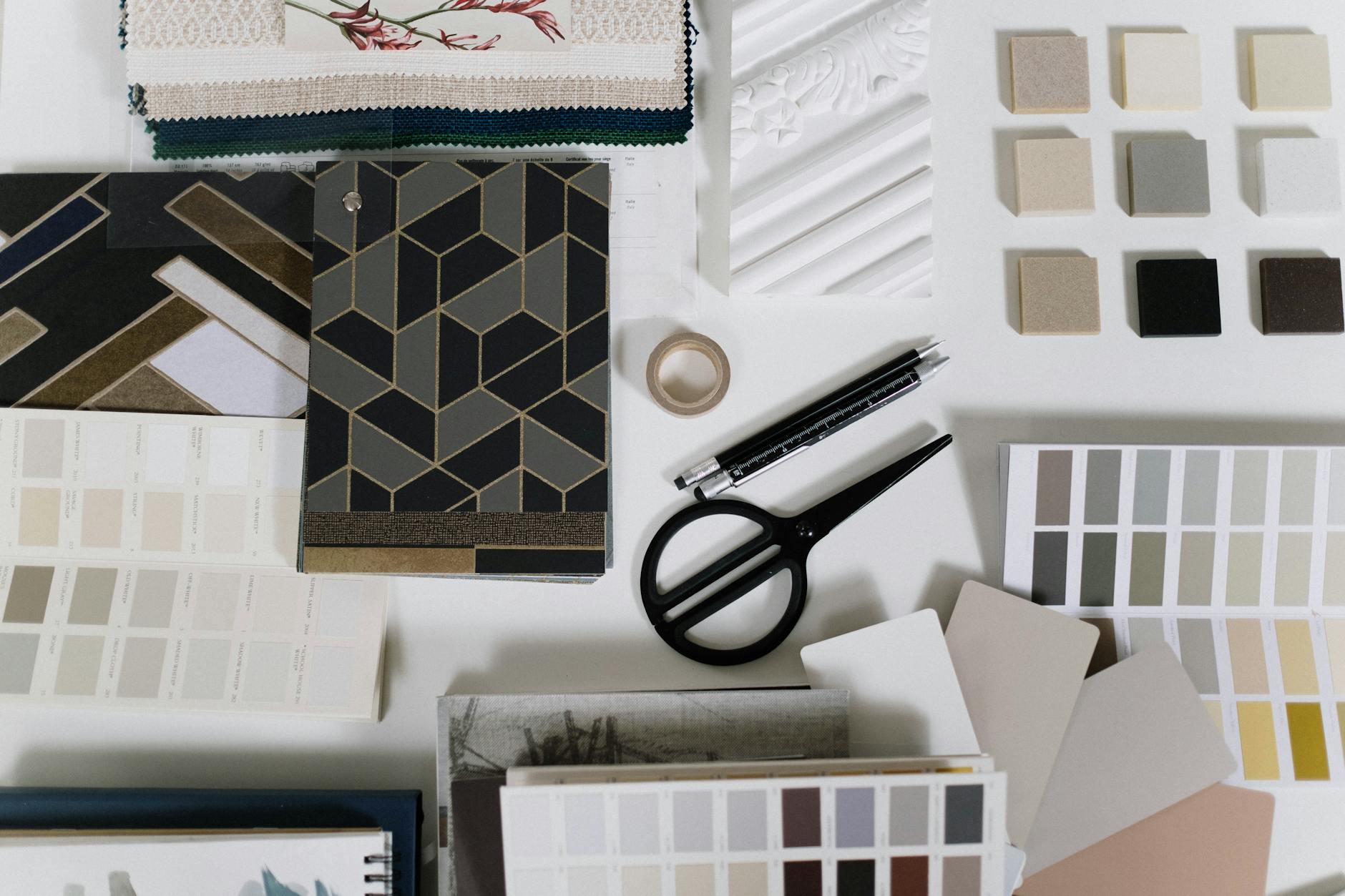
One of the most powerful ways to transform a space is to commit to a deliberate color palette. Choose two or three core colors that work in harmony — a neutral base like warm white or greige, a mid-tone for walls or upholstery, and a rich accent color for cushions, art, or accessories. This approach brings visual cohesion without making your space feel sterile. If you’re unsure where to start, pull inspiration from a piece of artwork or a fabric you love, then build outward from there. A consistent palette is what separates a thoughtfully decorated room from one that simply feels cluttered.
2. Layer Textures for Depth and Warmth
Great decorating is never just about color — it’s about how a room feels when you walk into it. Layering textures adds tactile richness that makes a space feel inviting and complete. Try combining a linen sofa with a chunky wool throw, a jute rug underfoot, and velvet cushions for contrast. Wood, ceramic, rattan, and metal all bring different energy and can be layered beautifully in the same room. If your space currently feels flat despite good furniture, texture is almost certainly the missing element. For more ideas on how texture plays into modern aesthetics, explore 10 Decorating Inspiration Ideas to Elevate Every Room for a deeper dive.
3. Invest in One Statement Piece per Room
Rather than spreading your budget evenly across every element, consider channeling it into one remarkable focal point per room. This could be a sculptural light fixture in the dining room, an oversized piece of artwork in the living room, or a vintage dresser in the bedroom. Statement pieces create a visual anchor that the rest of the room can orbit around, making the overall design feel intentional rather than random. They also give visitors something memorable to talk about. Once you have your statement piece in place, the supporting elements become much easier to choose.
4. Use Lighting to Set the Mood
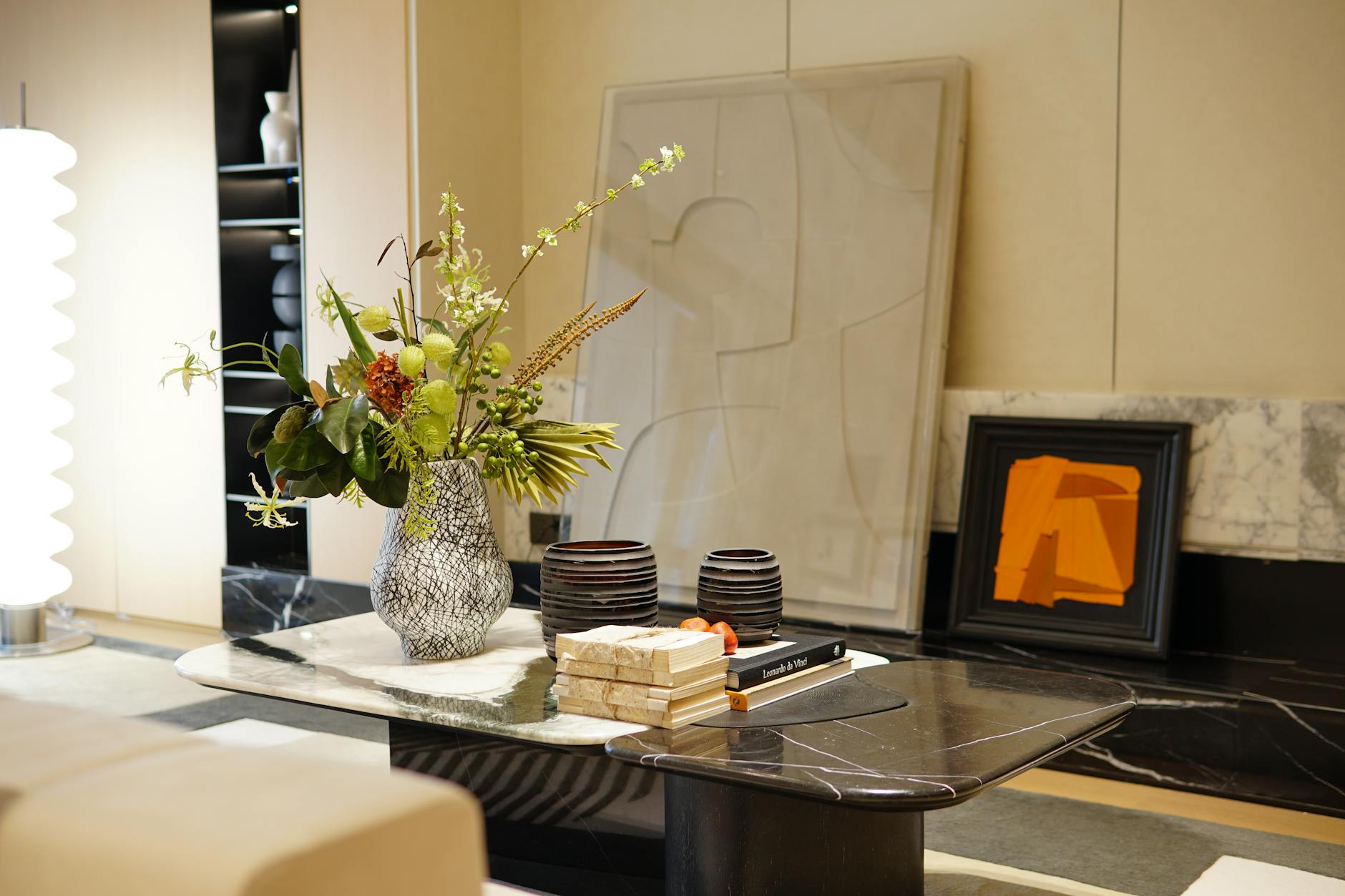
Lighting is the single most underrated tool in home decorating, and getting it right can completely transform how a room feels. Layer your lighting with three sources: ambient (overhead), task (reading lamps, under-cabinet lights), and accent (picture lights, candles, uplighters). Warm-toned bulbs — around 2700K — instantly make a space feel more intimate and welcoming than cool white light. Dimmer switches are a small investment that yield enormous returns in atmosphere. If you want to explore how design choices affect daily living, these design ideas for creating a personal space show how intentional lighting sets the tone.
5. Bring Nature Indoors with Plants and Natural Elements
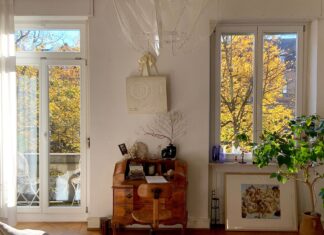
Incorporating greenery is one of the quickest and most affordable ways to add life and vitality to any room. Large-leafed plants like the fiddle-leaf fig, monstera, or bird of paradise make dramatic visual statements in living rooms, while trailing plants like pothos or string of pearls work beautifully on shelves and mantels. Beyond plants, natural elements like driftwood, stone bowls, linen curtains, and wicker baskets all contribute to a grounded, organic aesthetic. This biophilic approach to decorating has been shown to reduce stress and improve well-being, making it a smart choice for any home. The key is to choose plants that suit your light conditions so they actually thrive.
6. Rethink Your Furniture Arrangement
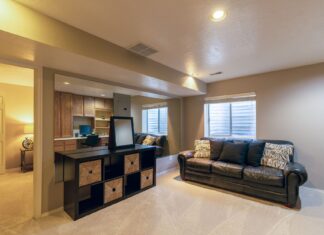
Before buying anything new, experiment with your existing furniture layout — it costs nothing and can yield surprisingly dramatic results. Most people push furniture against walls, which actually makes rooms feel smaller and less intimate. Try pulling seating pieces away from walls and positioning them to face each other, creating a natural conversation area. In a living room, angle two sofas toward a central coffee table rather than lining them up. In a bedroom, consider whether your bed might feel more balanced on a different wall. Sometimes the best decorating inspiration comes not from adding more but from rearranging what you already have. For ideas on maximizing layout in compact homes, this clever bedroom space solution is worth a look.
7. Display Art with Intention
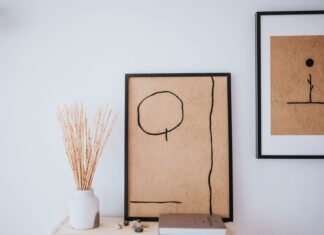
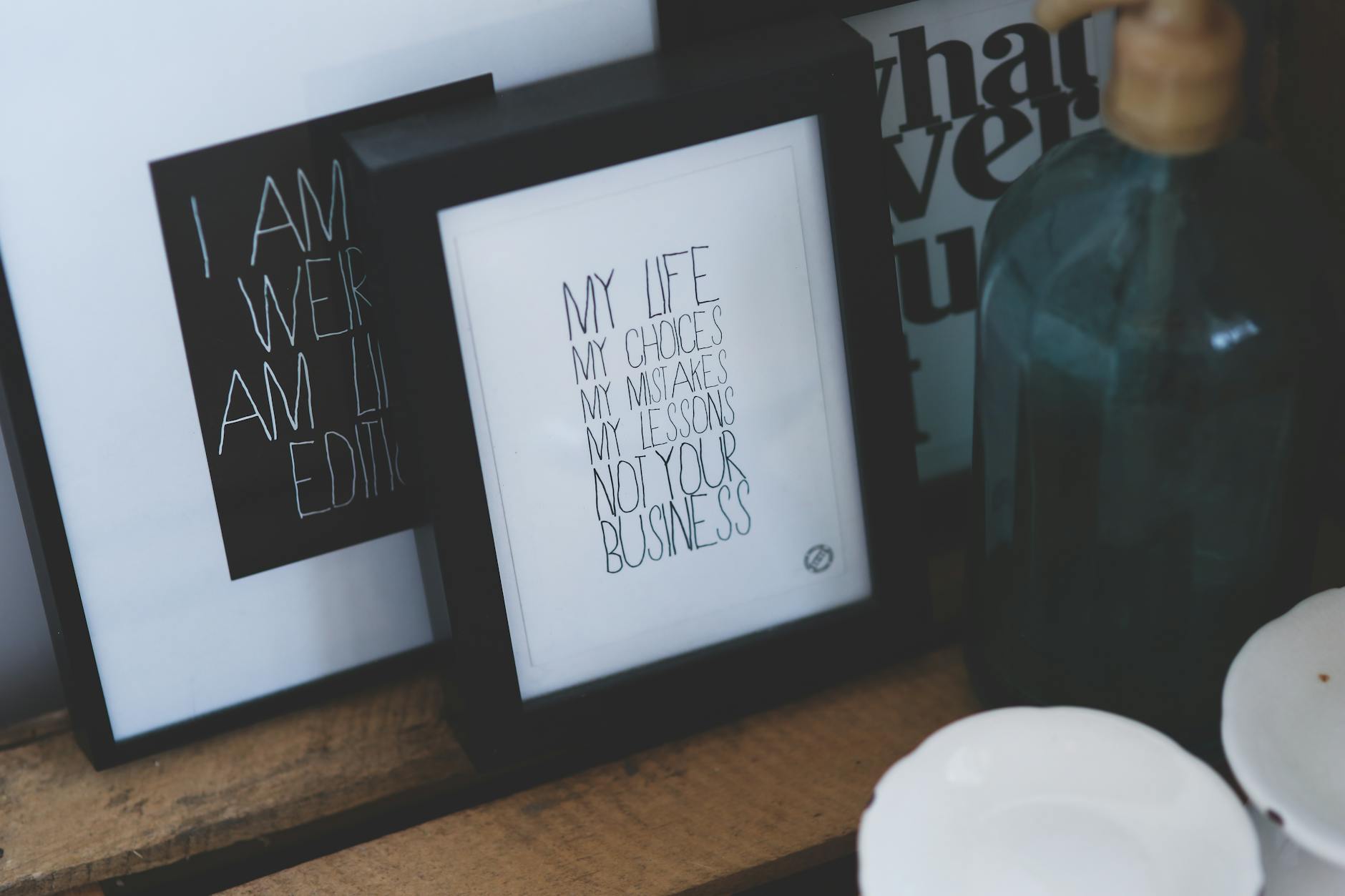
Artwork has the ability to tell your story and inject personality into any room, but how you display it matters as much as what you choose. Gallery walls work best when you establish a consistent frame color or finish to unify different pieces. A single oversized artwork hung at eye level can be more impactful than a dozen smaller ones competing for attention. Mix mediums — photography, illustration, oil paintings, textile art — for visual variety. When hanging art, aim for the center of the piece to be roughly 57 to 60 inches from the floor, which is standard gallery height. For further inspiration on wall art choices, this guide to using flags as wall art offers a creative perspective worth considering.
8. Curate Your Accessories and Edit Ruthlessly
Accessories are the finishing touches that make a room feel complete, but too many of them can tip a space into chaos. A useful rule is to group objects in odd numbers — threes and fives tend to feel more dynamic than pairs or quads. Vary the heights of objects on a shelf or console to create visual rhythm. Most importantly, only keep what you genuinely love or find useful — decorative items that you’re indifferent to simply add visual noise. Step back and look at each surface with fresh eyes, then remove anything that doesn’t earn its place. This editing process is often what elevates a room from looking good to looking truly curated. If you want to see how bold accessories come together in inspiring settings, these basement bar ideas showcase accessorizing done exceptionally well.
9. Add Character with Vintage and Thrifted Finds
Mixing vintage and second-hand pieces into your decor instantly adds character and prevents a space from feeling like a showroom. A mid-century modern side table, a vintage mirror with an ornate frame, or an antique rug can all coexist beautifully with contemporary furniture when balanced thoughtfully. Thrift stores, estate sales, and online marketplaces are goldmines for one-of-a-kind pieces at a fraction of retail price. The patina and history these items carry give your home a layered, lived-in quality that brand-new furniture simply can’t replicate. If you’re inspired by the aesthetic possibilities of mixing eras, this stunning mid-century modern compound is a masterclass in timeless style done right.
Final Thoughts
The best decorating inspiration doesn’t come from following trends — it comes from understanding your own tastes and making deliberate choices that reflect how you want to feel in your home. Start with one room, apply one or two of these ideas, and see how the changes affect the overall atmosphere. Small, thoughtful adjustments often have the biggest impact. Whether you’re drawn to layered textures, bold statement pieces, or a nature-infused palette, the ideas above give you a strong foundation to work from. Your home should feel like a place you genuinely love returning to — and with the right inspiration, that’s entirely achievable.