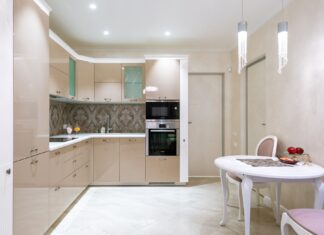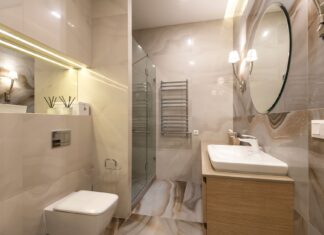
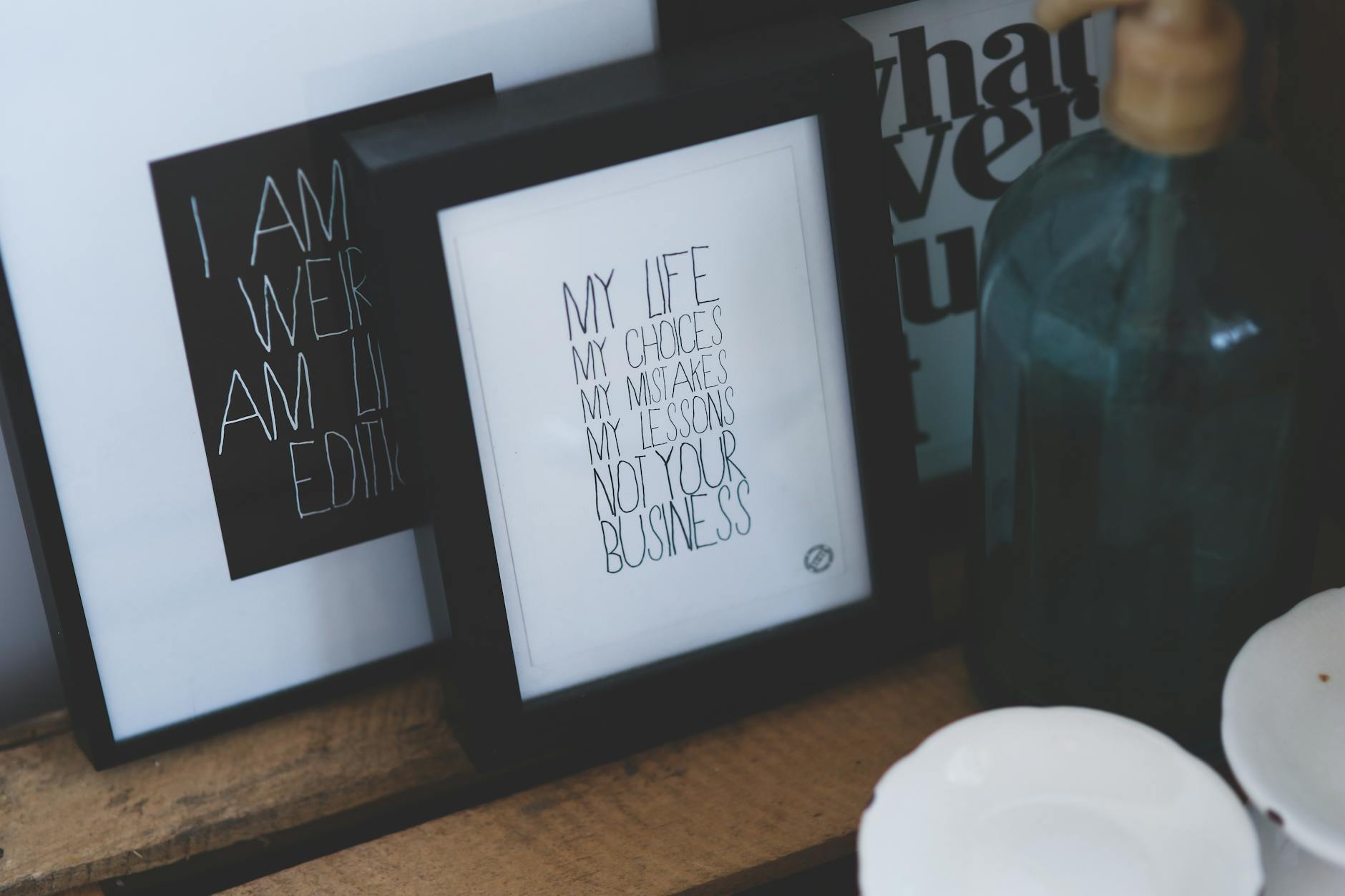
Decorating your home is one of the most rewarding creative pursuits you can undertake. Whether you’re starting fresh with a new space or looking to breathe new life into familiar rooms, the right decorating inspiration can make all the difference. From thoughtful color choices to clever styling techniques, these ideas will help you create interiors that feel both beautiful and truly personal.
1. Anchor Your Space with a Signature Color Palette
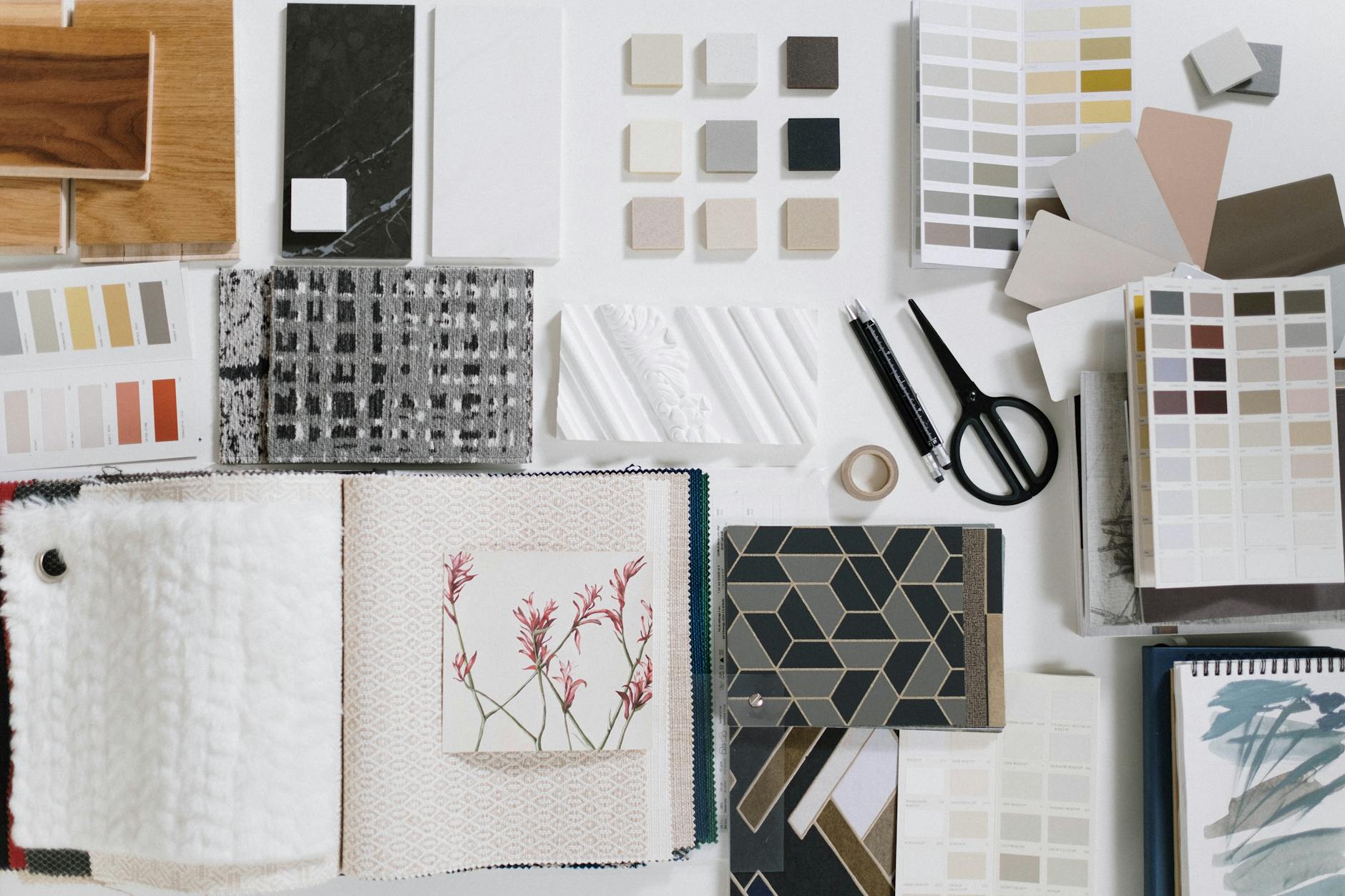
Every well-decorated room starts with a cohesive color story. Choose two or three main tones — a dominant hue, a complementary accent, and a neutral — and carry them throughout the space via walls, textiles, and accessories. This simple discipline prevents visual clutter and gives every element a sense of belonging. Don’t be afraid to experiment with deeper shades like terracotta, forest green, or navy, which are having a major moment in contemporary interiors. Once you commit to your palette, decorating decisions become far easier and more intentional.
2. Layer Textures for Depth and Warmth
A room that relies solely on smooth, flat surfaces can feel cold and uninviting. Layering textures — linen cushions alongside a velvet sofa, a jute rug beneath a glass coffee table, or woven baskets beside polished wood — adds richness and a sense of lived-in comfort. Think of textures as the seasoning of a room: individually subtle, but collectively transformative. For a cohesive look, stick to your color palette while varying the tactile quality of each element. Mixing natural materials like rattan, wool, and stone creates an organic harmony that no single material can achieve alone.
3. Use Statement Art as a Focal Point
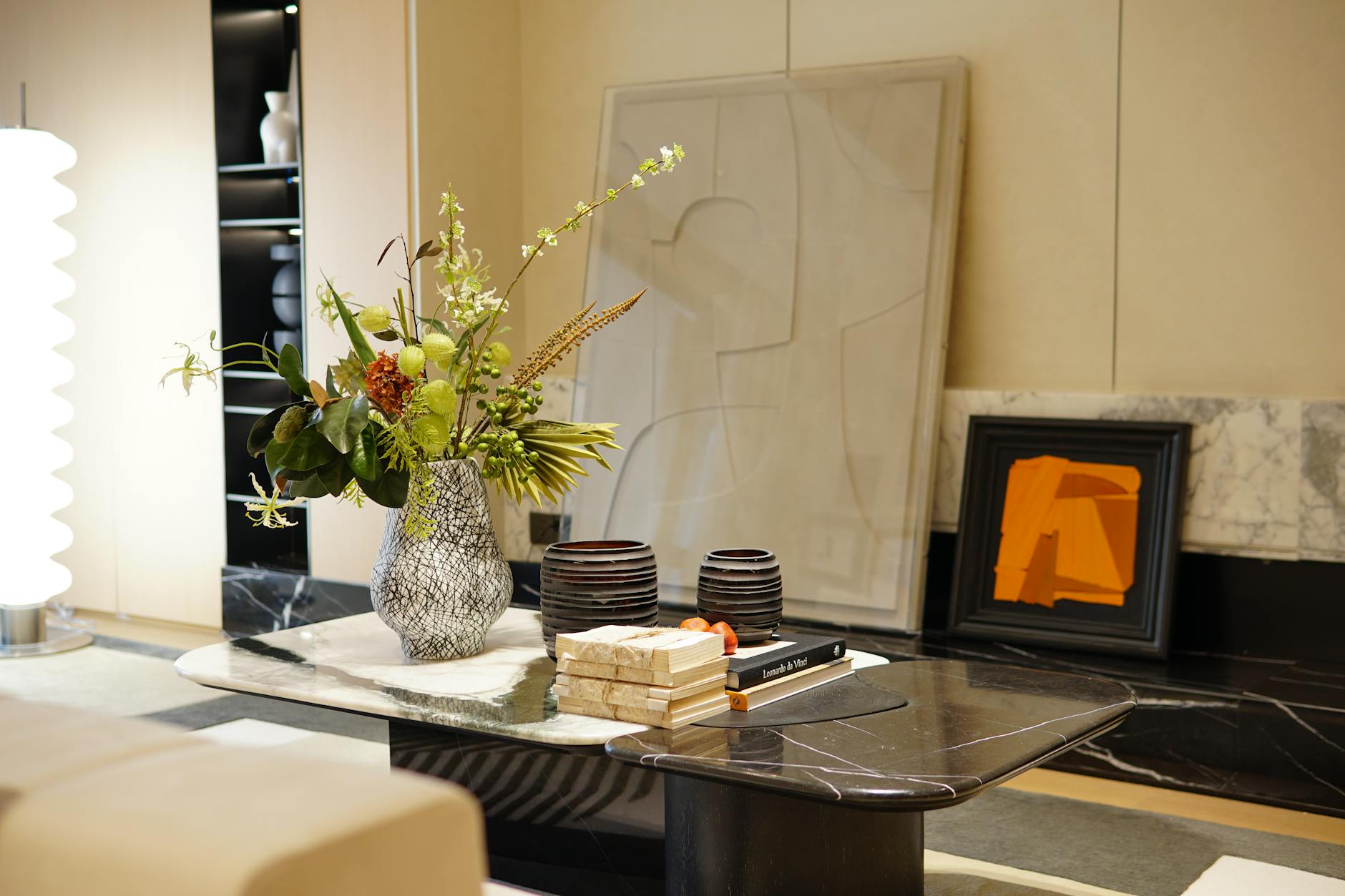
A single piece of well-chosen wall art can set the entire tone of a room more effectively than any other single decorating decision. Oversized canvases, gallery walls, or even a striking tapestry immediately draw the eye and communicate your personal aesthetic. If you’re unsure where to start, choose art that contains at least one color from your existing palette — it will feel deliberate rather than accidental. For guidance on how wall art and display items can anchor a room’s design, explore our piece on why people use flags as wall art, which offers a fresh perspective on non-traditional display pieces.
4. Rethink Your Lighting Strategy
Lighting is the single most overlooked element in home decorating, yet it has the power to completely transform a space. Rather than relying on one overhead fixture, build a layered lighting scheme with ambient, task, and accent sources. Floor lamps create cozy pools of light for reading nooks; under-cabinet lighting makes kitchen countertops feel high-end; and candles or fairy lights add an irreplaceable warmth for evening settings. Swapping cool-toned bulbs for warm ones (2700K–3000K) alone can make a room feel instantly more inviting. Dimmers are an inexpensive upgrade that gives you complete control over the atmosphere at any hour.
5. Invest in One Standout Furniture Piece
You don’t need to redecorate an entire room to feel a meaningful change — sometimes one extraordinary piece is all it takes. A sculptural armchair, a hand-painted dresser, or an antique console table can act as the visual anchor around which everything else is organized. Building a room around a single investment piece also keeps your decorating focused and prevents the scattershot effect of buying many mediocre items. If you enjoy creative, hands-on approaches to furniture, our guide on the appropriate way of painting furnishings is full of practical tips for upcycling existing pieces into standout statement items.
6. Bring the Outdoors In with Plants and Natural Elements
Incorporating living plants into your interior decorating is one of the fastest ways to make a space feel fresh, vibrant, and alive. From a trio of small succulents on a windowsill to a dramatic fiddle-leaf fig in a corner, plants add color, texture, and a sense of natural calm that no synthetic element can replicate. Beyond plants, consider bringing in natural elements such as driftwood, river stones, branches, or dried florals. These materials bridge the gap between inside and outside and introduce an organic unpredictability that makes rooms feel genuinely curated rather than catalog-perfect.
7. Edit Ruthlessly: Embrace the Power of Less
One of the most powerful decorating moves you can make costs absolutely nothing — removing items. Over-decorated rooms feel chaotic and exhausting, while thoughtfully edited spaces feel serene and intentional. Walk through each room and remove anything that doesn’t serve a clear purpose (functional or aesthetic). If it doesn’t bring you joy or earn its visual weight, store it or donate it. The pieces that remain will instantly feel more significant. This principle applies equally to large furniture and small accessories: a single beautiful vase on a sideboard makes far more impact than five mediocre objects competing for attention.
8. Play with Scale and Proportion
Many decorating mistakes come down to scale: furniture that’s too small for a room, artwork that’s too tiny for a large wall, or rugs that are too modest to anchor a seating area. Training yourself to think about proportion is one of the most valuable decorating skills you can develop. As a general rule, a rug should be large enough that all major furniture legs sit on it, art should be at least two-thirds the width of the furniture it hangs above, and pendant lights should be sized relative to the room rather than just the surface below. Getting scale right makes a space feel harmonious even before you add a single decorative accessory.
9. Personalize with Meaningful Objects and Collections
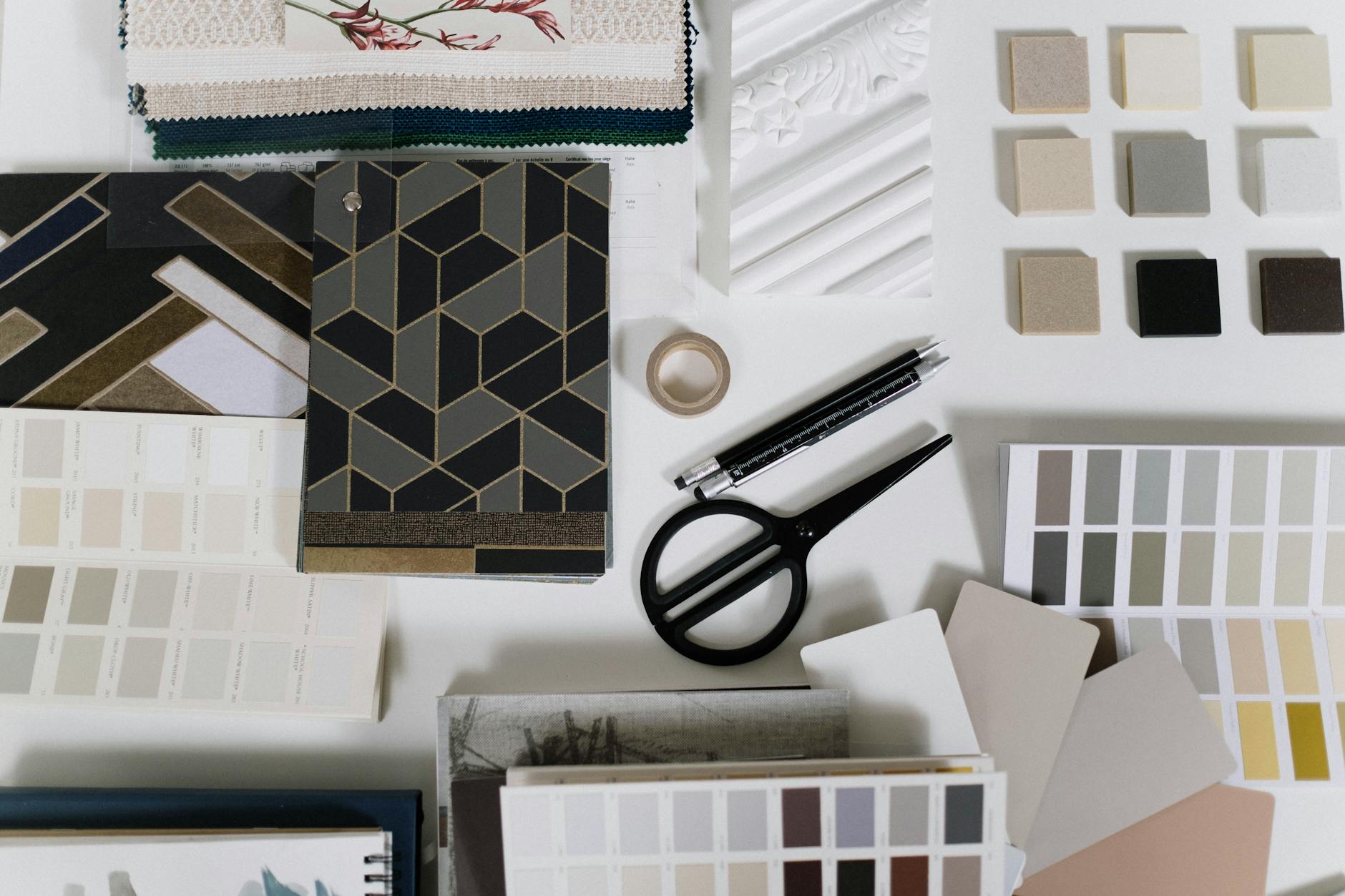
The rooms that feel most inspiring are the ones that tell a story. Curating a collection of meaningful objects — travel souvenirs, inherited ceramics, vintage books, handmade pottery — gives your home a depth and authenticity that no interior showroom can replicate. The key is to display collections intentionally rather than scattering them randomly. Group items by color, material, or theme on a single shelf or tray to transform a miscellaneous assortment into a deliberate, gallery-worthy vignette. If you enjoy entertaining and creating spaces for social connection, our feature on basement bar ideas for your property offers wonderful inspiration for designing spaces that double as conversation pieces. Similarly, if you’re thinking about relaxation-oriented personalization, our roundup of magnificent sauna styles for the home showcases how personal wellness spaces can become truly beautiful design statements.
10. Refresh Seasonally with Textiles and Accessories
You don’t need a full renovation to keep your home feeling fresh and inspired throughout the year. Swapping textiles seasonally — lighter linens and bright cushions in spring and summer, heavier throws and earthy tones in autumn and winter — is one of the most cost-effective ways to maintain decorating momentum. Seasonal updates also give you permission to experiment with trends without committing permanently. A new set of cushion covers, a different table runner, or a seasonal wreath on the door can completely shift the feeling of a room for minimal investment. For creative outdoor decorating refreshes, our guide on outside chaise lounges for your garden shows how extending your decorating vision to outdoor spaces rounds out your home’s overall aesthetic. And if you’re working with limited square footage indoors, the clever approach behind space-saving bed solutions demonstrates how seasonal transitions can also be the perfect moment to rethink furniture arrangements entirely.
Final Thoughts
Great decorating doesn’t happen all at once — it evolves through intentional choices made over time. The most inspiring homes are those where every object has been considered, every color chosen deliberately, and every room designed to genuinely serve the people who live there. Use these ten ideas as a framework rather than a checklist, and give yourself permission to develop your own aesthetic instincts along the way. Your home is one of the most personal expressions of who you are, and with the right inspiration, it can be extraordinary.