Living in a compact home or apartment has become the new normal for millions of people worldwide — and with the right approach, small spaces can feel just as spacious and stylish as any sprawling floor plan. The secret lies in smart storage. Whether you’re working with a studio apartment, a cozy bedroom, or a tight living room, the right storage solutions can transform the way you experience your home. We’ve rounded up 9 of the most effective strategies for 2026 to help you reclaim every precious square foot.
1. Embrace Built-In Shelving Along Every Wall
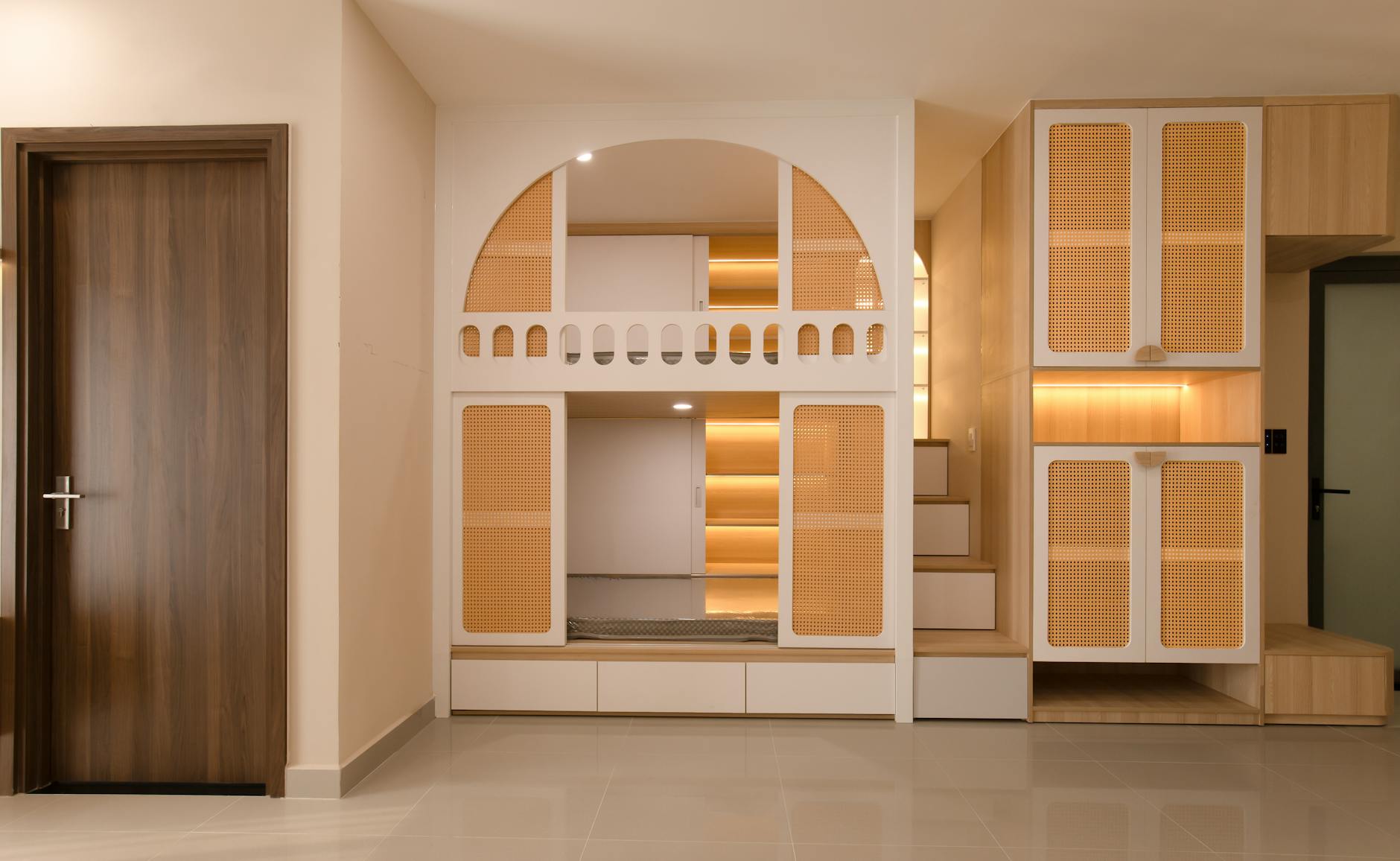
One of the most impactful changes you can make in a small space is to swap freestanding furniture for built-in shelving that runs floor to ceiling. This approach draws the eye upward, making ceilings feel taller while delivering enormous storage capacity. Recesses around windows, doorways, and even in awkward corners are perfect candidates for custom or modular built-ins. As explored in our guide to 10 Genius Small Space Design Ideas to Transform Your Tiny Home in 2026, utilizing vertical space is one of the top strategies for compact living. Choose open shelving in light colors to keep the room feeling airy, or add doors to hide clutter and maintain a tidy aesthetic.
2. Invest in Multi-Functional Furniture
In a small home, every piece of furniture must earn its place. Multi-functional pieces — such as ottomans with hidden storage, beds with built-in drawers, and sofa beds — do the work of two or three traditional items without doubling your footprint. A dining table that folds against the wall becomes extra floor space when not in use, while a storage bench near the front door handles both seating and shoe storage. Our article on 11 Smart Small Space Design Ideas to Maximize Every Square Foot highlights how selecting the right furniture makes a dramatic difference. Look for pieces that are proportional to your space; oversized furniture, even with built-in storage, will overpower a small room.
3. Use Under-Bed Storage Strategically
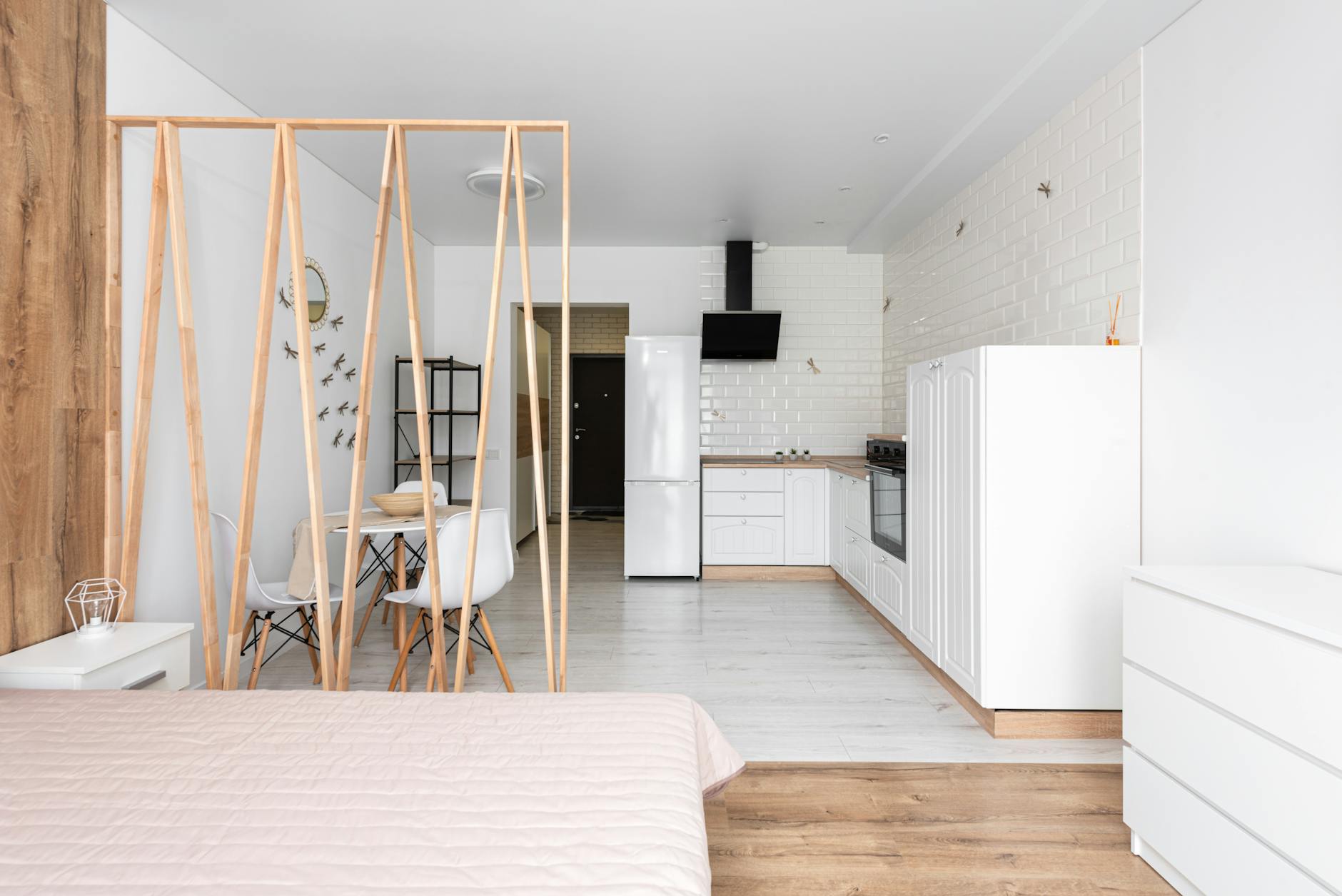
The space under your bed is one of the most underutilized areas in any home. Platform beds with deep drawers are ideal for storing out-of-season clothing, extra linens, and bulky items like luggage. If your bed doesn’t have built-in drawers, low-profile rolling bins or vacuum storage bags can fit neatly beneath the frame. For inspiration on making the most of your sleeping quarters, check out Useful Suggestions on How to Correct Your Bed Appropriately. Keep items categorized and labeled so the under-bed space stays organized rather than becoming a dumping ground.
4. Go Vertical in the Kitchen
Kitchen storage can quickly overwhelm a small home, but thinking vertically opens up a world of options. Magnetic knife strips, wall-mounted pot racks, and pegboards replace drawer and cabinet clutter with accessible, visible organization. Open shelves above the counter keep everyday items within reach while freeing up cabinet space for less-used appliances. Stackable containers and drawer organizers ensure no space inside cabinets goes to waste either. For homeowners working with very limited square footage, the principles in Small Home Designs Under 50 Square Meters offer additional guidance on making compact kitchens feel complete.
5. Maximize Closet Space with Smart Organizers
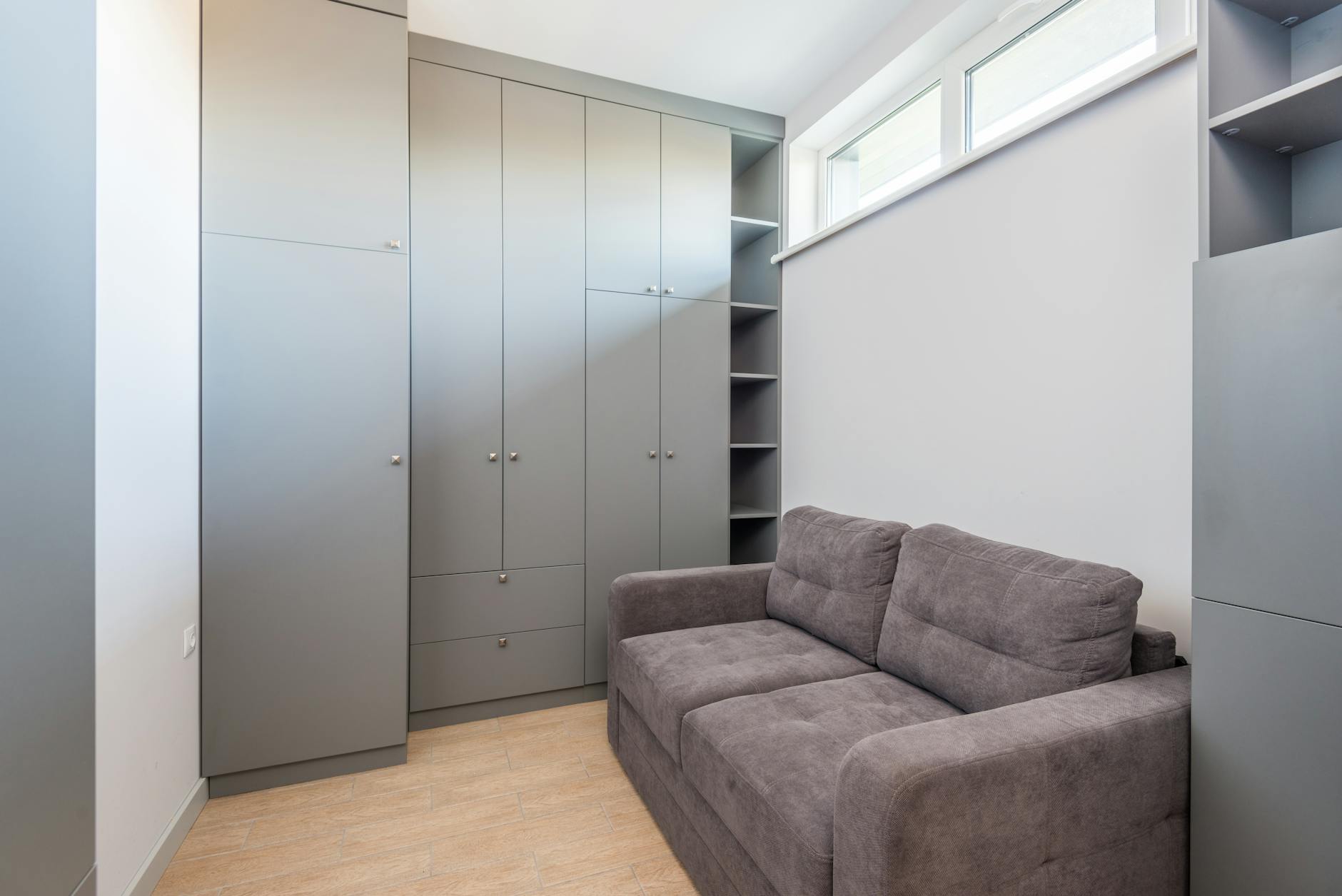
Most closets are far less efficient than they could be. Adding a second hanging rod instantly doubles garment storage, while modular shelf systems can be configured to fit your specific wardrobe. Slim velvet hangers free up rod space compared to bulky plastic ones, and clear shoe boxes stack tidily while keeping contents visible. Don’t forget the closet door itself — an over-the-door organizer can hold shoes, accessories, cleaning supplies, or pantry items. This straightforward upgrade is one of the most affordable and impactful ideas covered in 8 Brilliant Small Space Ideas That Make Every Square Foot Count.
6. Create a Storage Wall in the Living Room
A dedicated storage wall — a full wall of shelving, cabinets, or a modular media unit — anchors the living room and provides a home for everything from books to electronics to decorative objects. Mixing closed cabinet doors with open display shelves keeps the wall visually interesting without feeling chaotic. In smaller living rooms, choosing furniture that floats away from this wall (rather than pushed against every surface) creates a sense of depth and flow. For creative ways to design your personal sanctuary, see Your Personal Space: 6 Best Ideas in Building a Perfect Man Cave. Painting the storage wall in a deep, moody tone makes it a dramatic focal point that distracts from the room’s compact size.
7. Utilize Hallways and Awkward Nooks
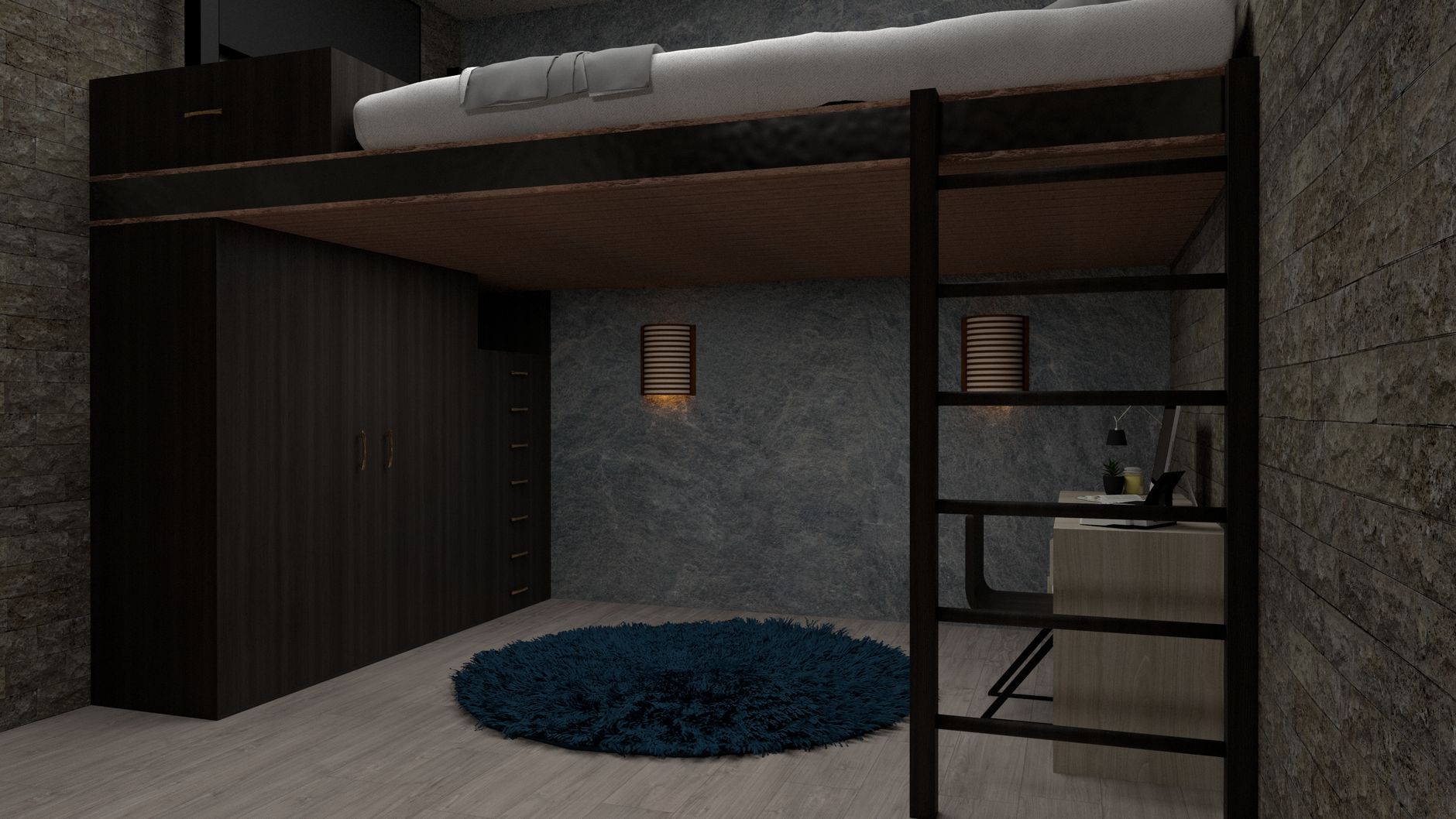
Hallways and awkward architectural nooks are often ignored, but they hold surprising storage potential. A narrow hallway can accommodate slim console tables, wall-mounted coat hooks, or a row of open cubbies for bags and shoes. Alcoves and recesses beside fireplaces or under staircases are perfect for custom shelving or pull-out drawers. Even a shallow niche in the wall — just a few inches deep — can hold books, art, or a small home office setup. The tips in 9 Smart Ways to Decorate and Organize Small Spaces Without Sacrificing Style show how to approach every corner of a small home with creative intent.
8. Choose Transparent and Light-Reflective Storage
The materials and finishes you choose for storage have a direct impact on how spacious a room feels. Clear acrylic organizers, glass-fronted cabinets, and mirrored surfaces all reflect light and maintain visual openness. Lucite or acrylic furniture pieces — a bedside table, a bar cart, a bookshelf — create storage without visual bulk. Light-colored laminates and lacquered finishes on cabinetry bounce light around the room more effectively than dark wood. Strategic placement of mirrors adjacent to storage units can effectively double the perceived depth of a room.
9. Adopt a “One In, One Out” Rule to Maintain Order
Even the most brilliantly designed small-space storage system will fail without disciplined habits. Adopting a “one in, one out” rule — where every new item brought into the home displaces an existing one — prevents accumulation and keeps storage solutions working as intended. Regular decluttering sessions, done seasonally, ensure that the space doesn’t slowly fill back up. Invest in quality storage products rather than cheap ones that wear out quickly or don’t stack efficiently. A small home that is thoughtfully edited and well-organized will always feel larger than one cluttered with things that don’t serve a clear purpose.
Final Thoughts
Transforming a small space isn’t about buying more furniture or adding more storage bins — it’s about being intentional with every item you own and every inch of room you have. From built-in shelving and multi-functional pieces to transparent organizers and disciplined decluttering, these 9 strategies give you a practical toolkit for making your compact home feel like exactly the right size. Start with one or two changes, track how they impact your daily life, and build from there. Small spaces, when designed with care, can be among the most comfortable and stylish places to live.