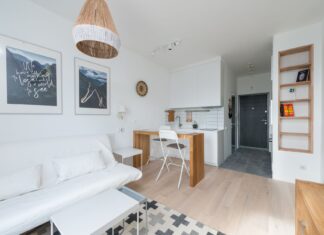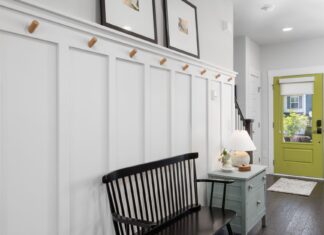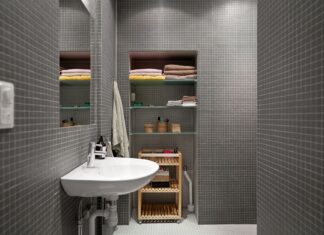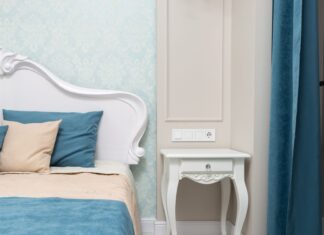
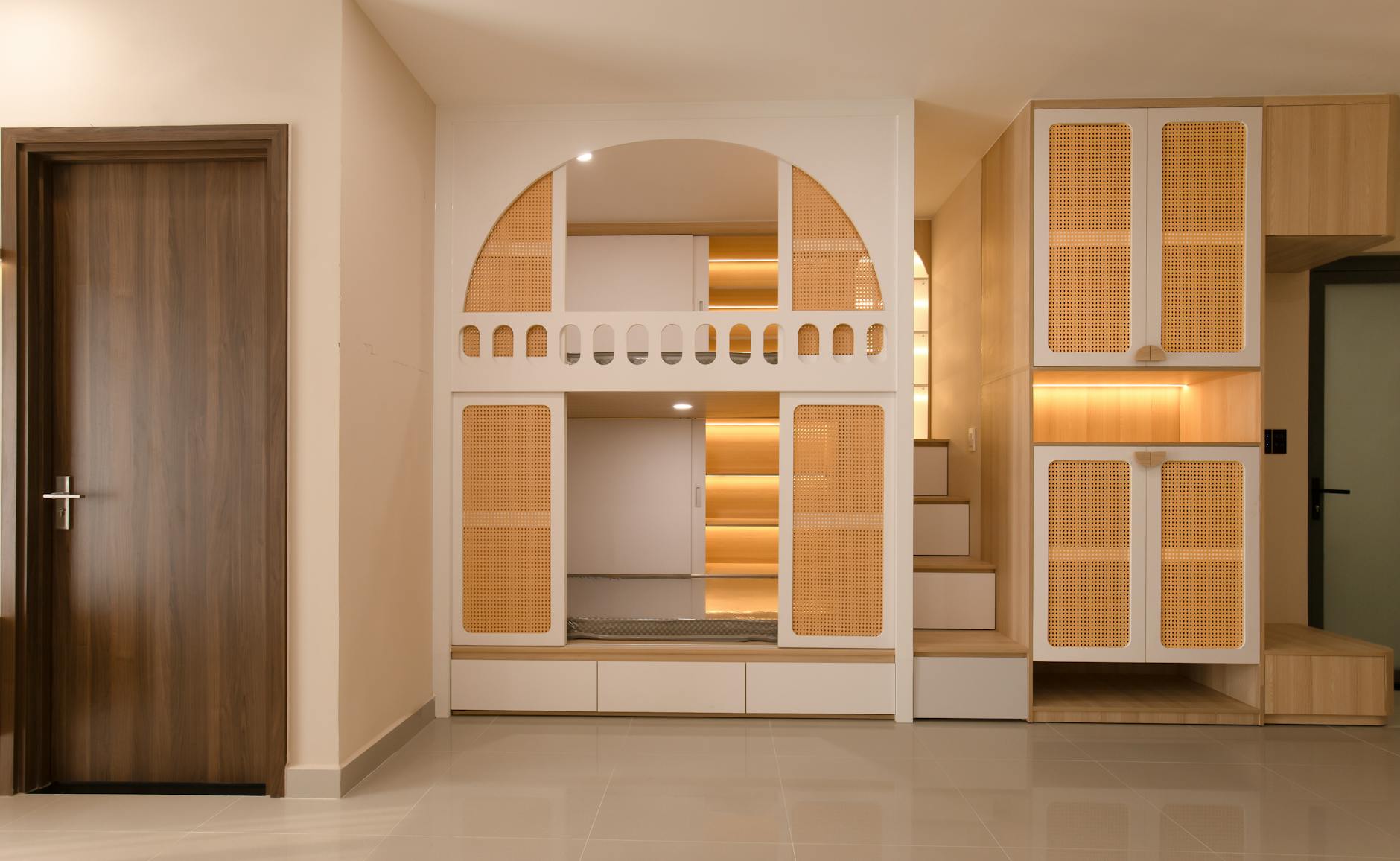
Living in a small home doesn’t mean you have to sacrifice comfort, style, or functionality. With the right design strategies, even the most compact apartment or studio can feel spacious, organized, and beautifully personal. Whether you’re working with a tiny studio, a narrow bedroom, or a petite living room, these ten genius small space design ideas will help you unlock every inch of your home’s potential in 2026.
1. Embrace Multifunctional Furniture
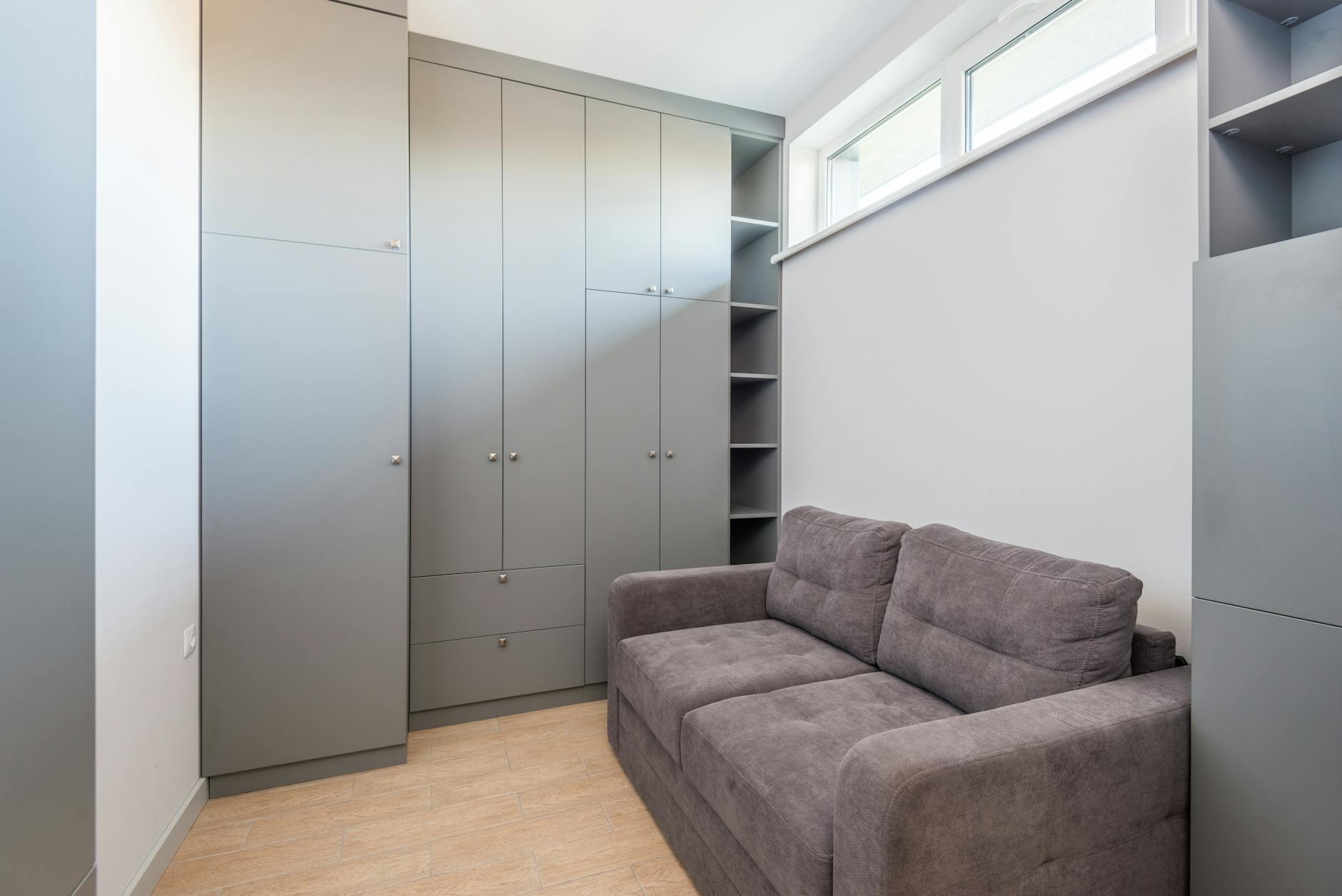
The single most powerful upgrade you can make in a small space is investing in furniture that does double — or even triple — duty. A sofa bed transforms your living room into a guest room in seconds, while an ottoman with internal storage provides seating, a coffee table surface, and hidden organization all at once. Murphy beds fold into stylish wall units during the day, freeing up floor space for yoga, play, or home office work. As explored in 11 Smart Small Space Design Ideas to Maximize Every Square Foot, multifunctional pieces are the cornerstone of smart compact living. When every item in a small home serves more than one purpose, clutter naturally decreases and livability soars.
2. Go Vertical with Storage
When floor space is at a premium, the only direction to go is up. Floor-to-ceiling shelving units, tall bookcases, and wall-mounted cabinets draw the eye upward, creating an illusion of height while providing generous storage capacity. Install floating shelves above doorways and windows — spaces that are typically wasted — to display books, plants, or decorative objects. Vertical pegboards in the kitchen or office keep tools, utensils, and supplies accessible without eating up counter space. This approach is one of the most recommended strategies in 8 Brilliant Small Space Ideas That Make Every Square Foot Count, and for good reason: maximizing vertical real estate is free storage hiding in plain sight.
3. Choose Light, Neutral Color Palettes
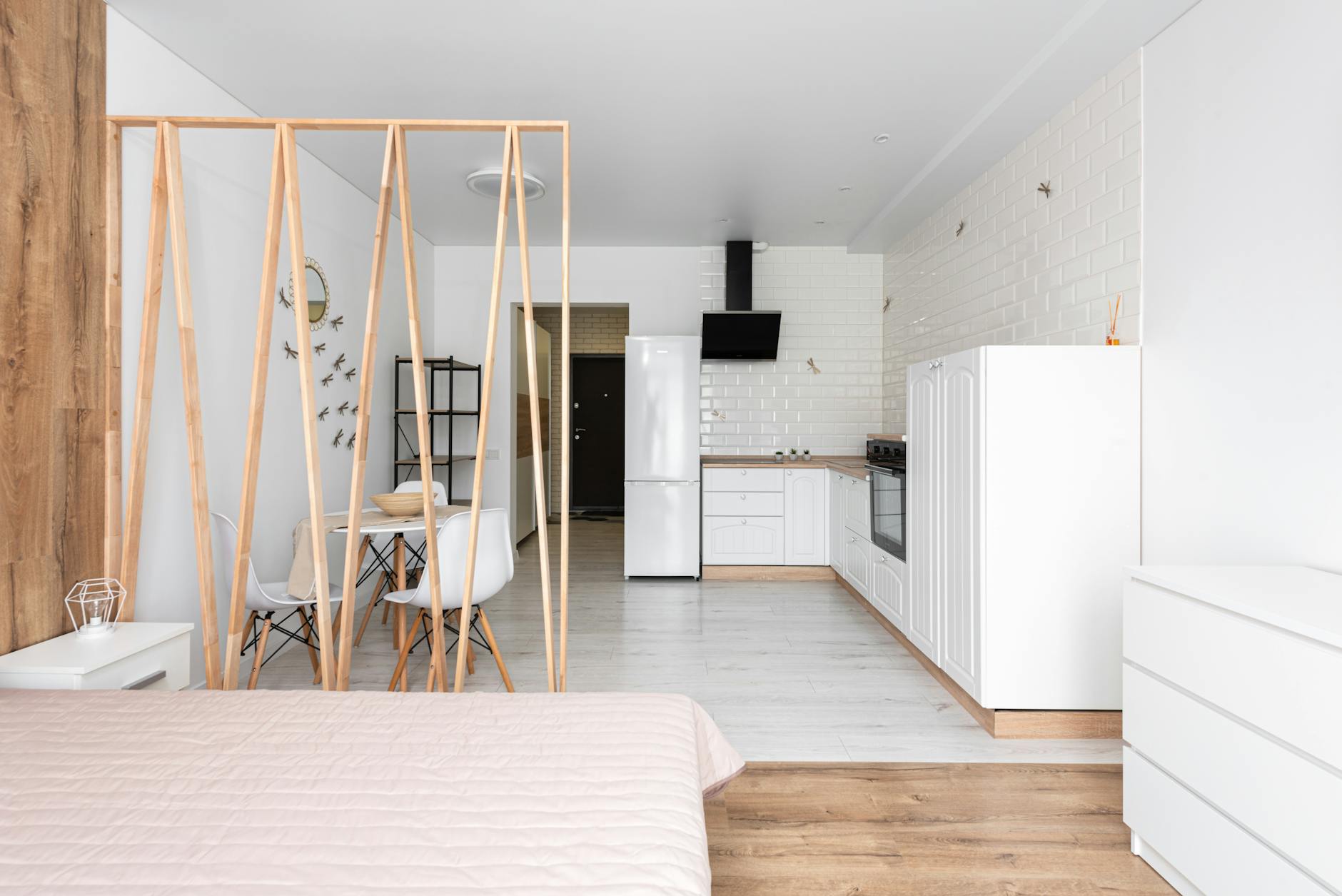
Color has a profound effect on how large or small a room feels. Light tones — soft whites, warm creams, pale grays, and gentle sage greens — reflect natural and artificial light, making walls appear to recede and rooms feel airier. Painting walls, ceiling, and trim in the same or closely related shades creates a seamless, expansive effect. Don’t be afraid of an accent wall in a slightly deeper tone to add depth without visually shrinking the room. For a truly cohesive look, extend your color palette to large furniture pieces and area rugs. This strategy pairs perfectly with the decorating principles outlined in 10 Transformative Decorating Ideas to Refresh Every Room in 2026.
4. Use Mirrors Strategically
Mirrors are one of the oldest tricks in the small-space design playbook, and they remain among the most effective. A large mirror on a focal wall can visually double the size of a room by reflecting both light and depth. Mirrored wardrobe doors in a small bedroom eliminate the need for a separate dressing mirror while maximizing the perception of space. For a dramatic effect, lean an oversized floor mirror against a wall rather than hanging it — this creates a gallery-like feel that’s both stylish and functional. Grouping several smaller mirrors in varied shapes adds artistic interest while amplifying light. As highlighted in 9 Smart Ways to Decorate and Organize Small Spaces Without Sacrificing Style, mirrors are among the most budget-friendly tools for transforming tight quarters.
5. Maximize Natural Light
Light is the great expander of small spaces. Every extra ray of sunlight that enters a room makes it feel larger, warmer, and more welcoming. Swap heavy drapes for sheer or linen curtains that filter light without blocking it entirely. Keep windowsills clear of clutter so light can travel freely across the room. If privacy is a concern, consider frosted window film or Roman shades that can be raised fully during the day. Strategically placed mirrors and light-reflective surfaces amplify natural light further, multiplying its effect throughout the space. Pairing natural light with thoughtful artificial lighting — layered with overhead fixtures, task lamps, and ambient strip lighting — ensures your small space feels just as inviting after dark. Explore more lighting and layout tips in Small Home Designs Under 50 Square Meters.
6. Define Zones in Open-Plan Spaces
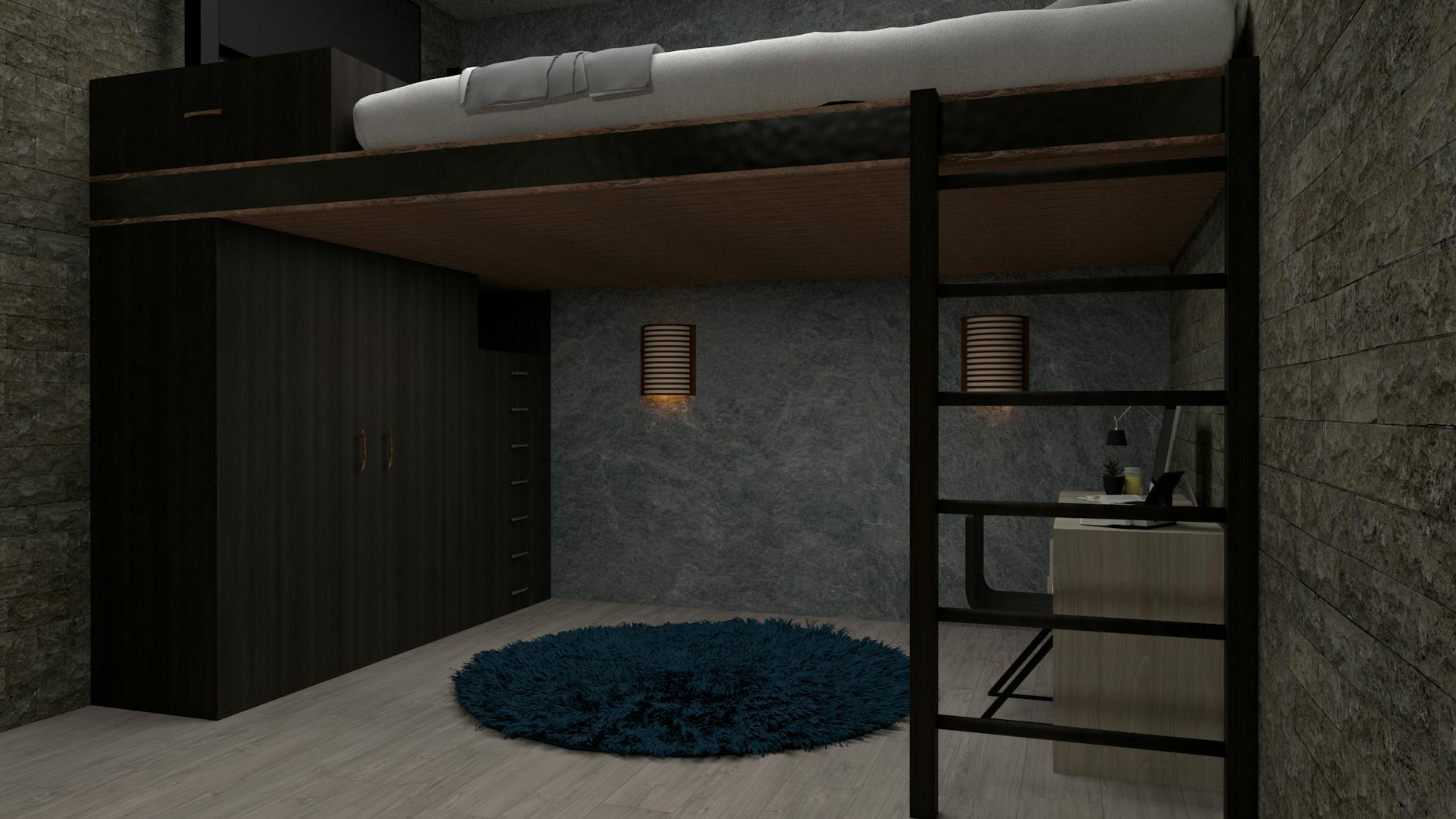
Studio apartments and open-plan small homes present a unique challenge: how do you create distinct living, sleeping, and working areas without walls? The answer lies in visual zoning. Area rugs are the most powerful zoning tool — a rug anchors a seating arrangement and signals “living room” even when it sits ten feet from the bed. Bookshelf dividers, curtain panels, and half-height cabinets create semi-permeable boundaries that separate zones while preserving the open feel. Consistent use of a specific color or material within each zone — say, warm wood tones for the dining area and cooler grays for the workspace — reinforces the separation without physical walls. For additional ideas on making compact apartments work beautifully, see Small Apartment Interior Design: Working With Just 40 Square Meters.
7. Declutter Ruthlessly and Store Smartly
In a small space, clutter is the enemy of calm. The foundation of any successful compact home design is a ruthless editing process — keeping only what you truly love and use. Once you’ve pared down your possessions, invest in smart storage solutions: under-bed rolling bins, vacuum-seal bags for seasonal clothing, drawer dividers, and labeled baskets that slide neatly into shelving. The goal is a place for everything and everything in its place, so surfaces remain clear and the home feels organized even on busy days. Clever storage is central to the advice shared in 10 Clever Small Space Design Ideas to Maximize Style and Function in 2026. When storage is truly optimized, even the smallest home can feel serene and spacious.
8. Select Furniture Scaled to the Room
Oversized furniture is one of the most common small-space mistakes. A sectional sofa that works beautifully in a large living room will overwhelm a compact one, blocking pathways and making the whole room feel cramped. Instead, choose furniture scaled to the room’s dimensions: a loveseat instead of a full sofa, a round dining table (which takes up less visual and physical space than rectangular ones), and slender-legged chairs that reveal more floor area. Transparent or lucite furniture pieces — acrylic chairs, glass coffee tables — are particularly effective in tight spaces because they take up physical room without blocking sight lines. This creates a layered, thoughtfully designed look rather than a stuffed, cluttered one.
9. Bring in Greenery and Natural Elements
Plants have a remarkable ability to make small spaces feel alive, fresh, and larger than they are. Tall potted plants like fiddle-leaf figs or snake plants draw the eye upward and add a vertical element that elongates the room. Trailing plants on high shelves — pothos, string of pearls — add texture and movement without cluttering floor space. For spaces with limited natural light, low-maintenance varieties like ZZ plants or cast iron plants thrive with minimal care. Beyond plants, incorporating natural materials — rattan, linen, reclaimed wood, stone — adds warmth and organic texture that makes a compact space feel curated rather than cramped. The pairing of greenery with thoughtful decor is beautifully explored in 12 Easy DIY Home Decor Projects to Refresh Your Space This Spring 2026.
10. Layer Lighting for Depth and Atmosphere
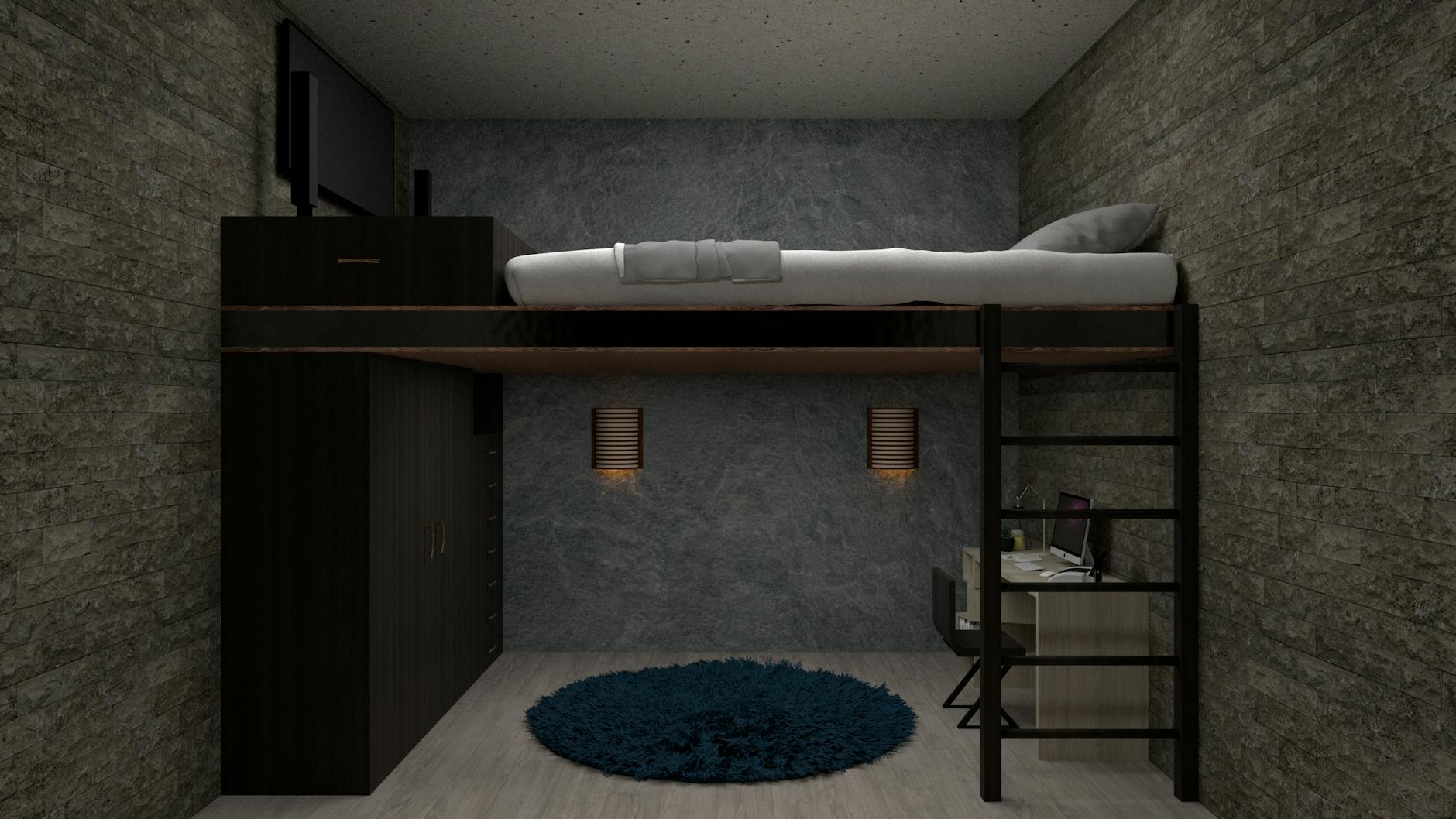
A single overhead bulb is the enemy of ambiance — and it can make a small room feel flat and uninviting. Layered lighting transforms compact spaces by creating depth, warmth, and visual interest at multiple levels. Start with a central overhead fixture for general illumination, then add task lighting where you read or work, and finally layer in ambient sources: wall sconces, floor lamps, LED strip lights under cabinets, or table lamps on low surfaces. Dimmer switches give you control over the mood at any time of day. Warm-toned bulbs (2700–3000K) create a cozy, inviting atmosphere, while cooler tones work well in task-focused areas. Thoughtful lighting design makes even the smallest room feel intentional, polished, and perfectly sized for living.
Final Thoughts
Small spaces are not a limitation — they’re an invitation to design more intentionally. By combining multifunctional furniture, smart vertical storage, strategic color choices, and layered lighting, you can create a home that feels far larger and more luxurious than its square footage suggests. The key is consistency: every decision should serve both form and function, so your compact home remains stylish, organized, and genuinely livable. Start with one or two of these ideas and build from there — you’ll be amazed at how quickly your small space transforms into your favorite place to be.