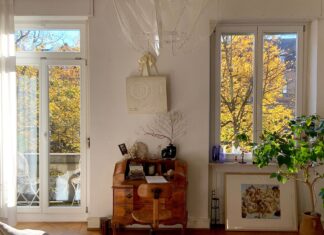
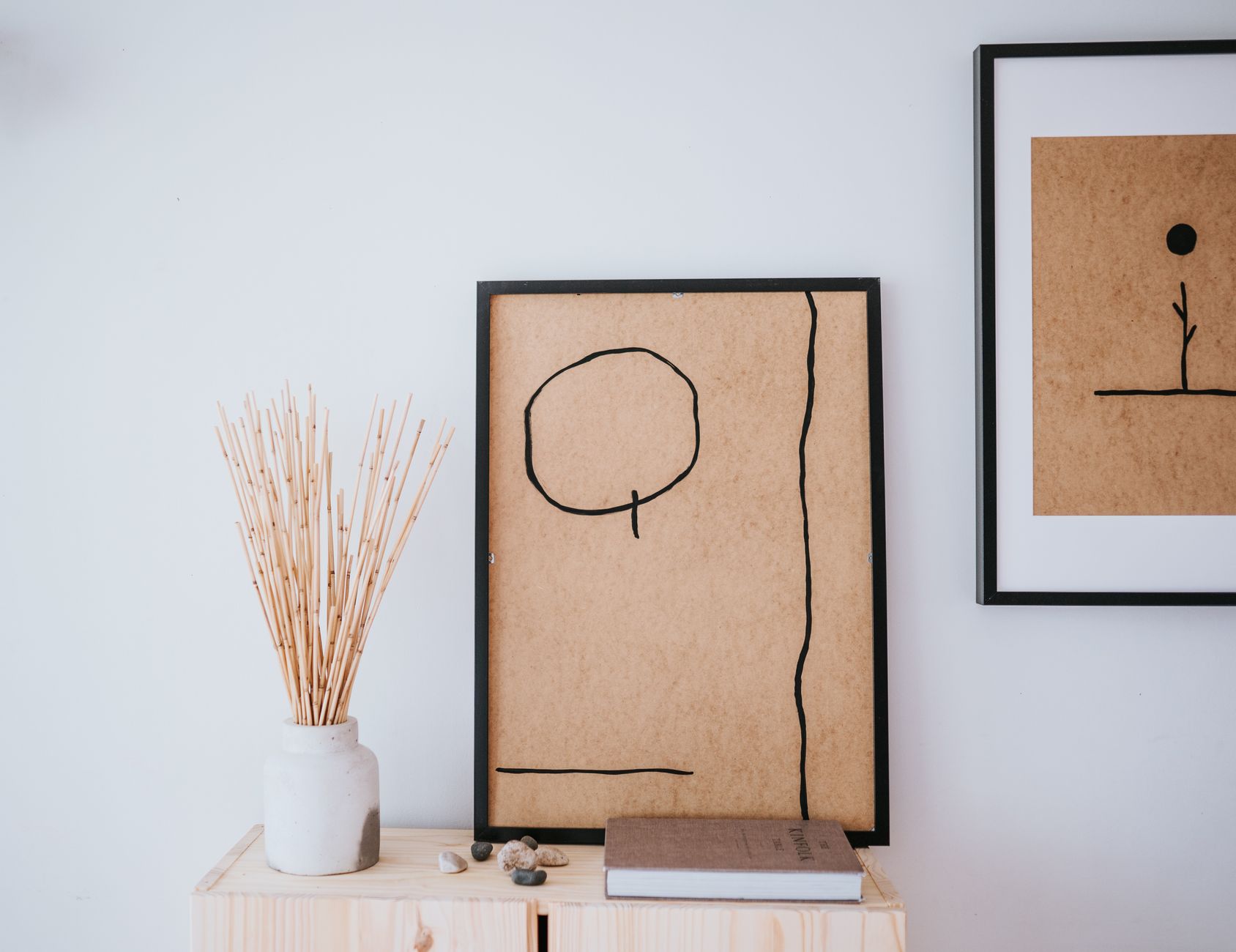
Japandi interior design blends the quiet restraint of Japanese minimalism with the warmth and comfort of Scandinavian hygge. The result is a home that feels calm without feeling cold: natural materials, soft neutral colors, low-profile furniture, and only the objects that truly earn their place. As the days grow shorter this fall, it is an especially appealing style, because it creates rooms that feel like a deep breath at the end of a busy day. Here are eight practical ways to bring Japandi style into your own home.
1. Start With a Warm, Earthy Neutral Palette
Japandi color schemes sit between the crisp whites of Scandinavian design and the deeper, moodier tones of traditional Japanese interiors. Think warm off-whites, oatmeal, greige, clay, sand, and soft taupe as your base. Add depth with a few darker accents such as charcoal, espresso, or muted olive, used sparingly on a cabinet, a vase, or a single upholstered chair. Keeping the palette tight is what makes the space feel cohesive and restful. If you need help narrowing down shades, our guide to bedroom color palette ideas for a calming retreat offers combinations that translate beautifully to any room.
2. Let Natural Wood Take Center Stage
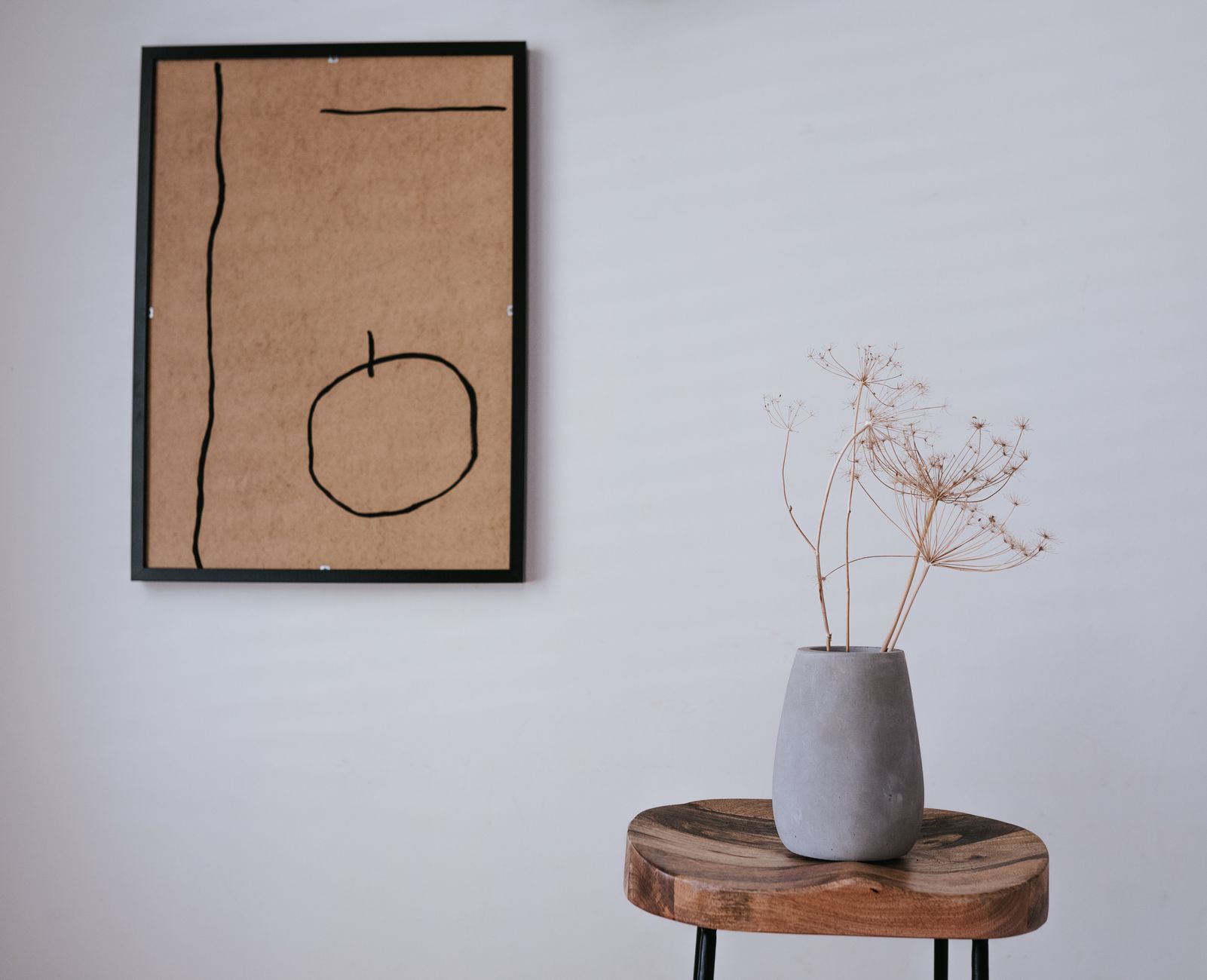
Wood is the backbone of every Japandi room. Light Scandinavian species like ash, oak, and birch pair wonderfully with darker Japanese-inspired finishes such as walnut or charred timber. Mixing two tones adds visual interest, but limit yourself to two or three so the room still reads as calm. Look for pieces that show the grain and simple joinery instead of glossy, heavily lacquered surfaces. Even small touches, like a wooden stool used as a side table or a slatted wall panel, can anchor the look.
3. Choose Low, Clean-Lined Furniture
Furniture in a Japandi home tends to sit close to the ground, a nod to Japanese floor-living traditions. Low platform beds, long sofas with slim arms, and coffee tables with short legs make ceilings feel higher and rooms feel more open. Prioritize quality over quantity: one beautifully made sofa will do more for the space than three trendy accent chairs. Leave breathing room around each piece so the eye can rest. This sense of negative space is one of the interior design secrets professionals use to make a room feel intentional rather than crowded.
4. Embrace Wabi-Sabi Imperfection
Wabi-sabi, the Japanese philosophy of finding beauty in imperfection, gives Japandi interiors their soul. Hand-thrown ceramics with uneven glazes, linen that wrinkles naturally, and stone with visible veining all add character that mass-produced decor cannot match. These pieces also age gracefully, which supports the style’s focus on longevity and sustainability. Choose a few handmade objects and display them with plenty of space around them. If this philosophy resonates with you, explore how Zen decor concepts in modern design can deepen that sense of tranquility.
5. Layer Tactile, Natural Textiles
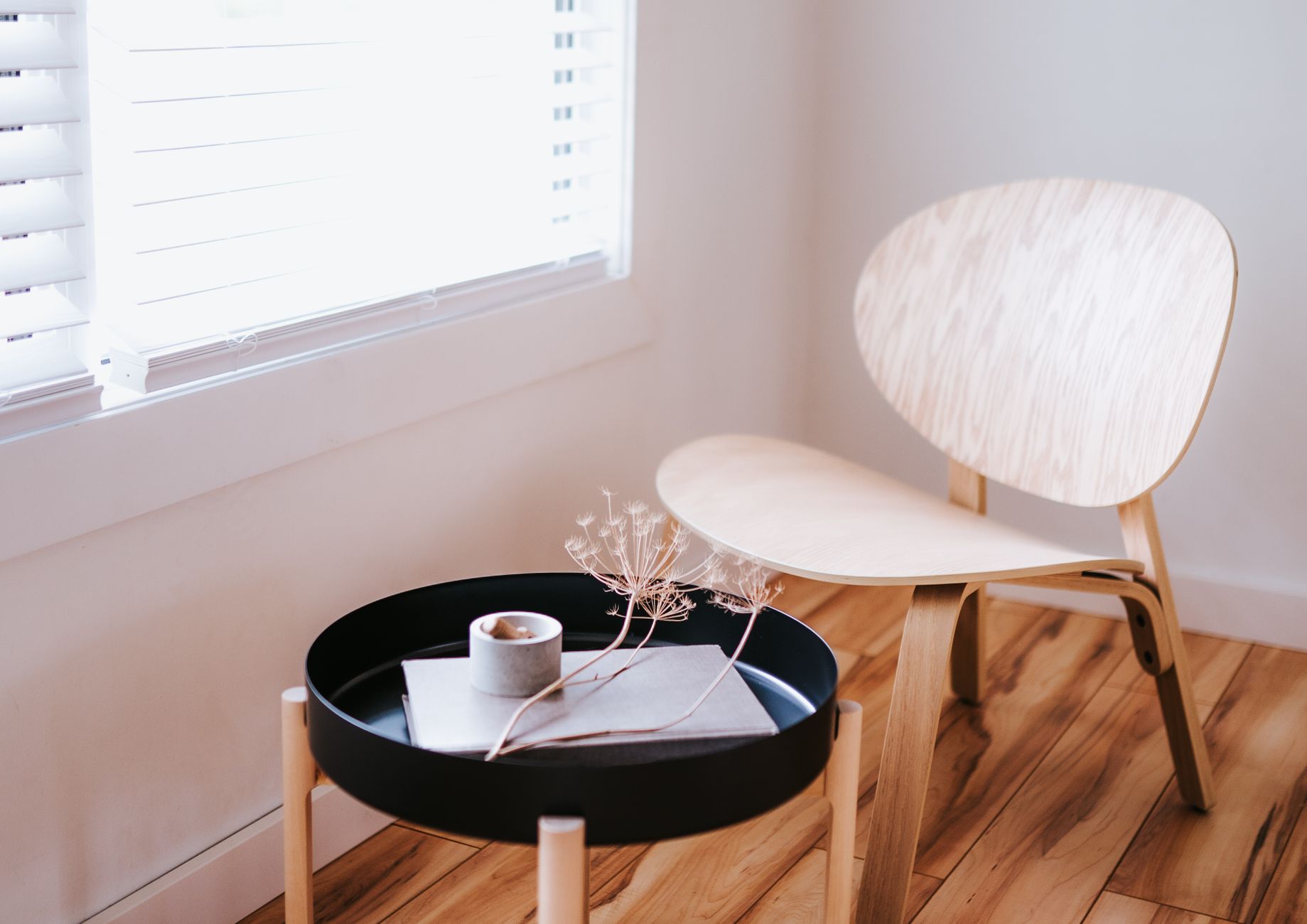
Because the color palette is restrained, texture does much of the decorative work. Layer linen bedding, a chunky wool throw, a jute or wool rug, and cotton or bouclé cushions in tonal shades. Paper and rattan add another dimension through lampshades, baskets, and room dividers. The goal is a space that feels inviting to touch, not just to look at. For more on combining materials skillfully, see our interior design layering tricks that make rooms feel curated.
6. Curate Decor With Restraint
Japandi is not about emptiness; it is about editing. Rather than filling every shelf, select a handful of meaningful objects, such as a ceramic vase, a stack of books, or a single piece of abstract art, and group them in small, asymmetrical arrangements. Closed storage helps keep everyday clutter out of sight, so the surfaces you do style can shine. A good rule of thumb is to remove one item from every vignette before you call it finished. Building these small routines is among the home design habits that make a house feel effortlessly put together.
7. Soften the Space With Diffused Lighting
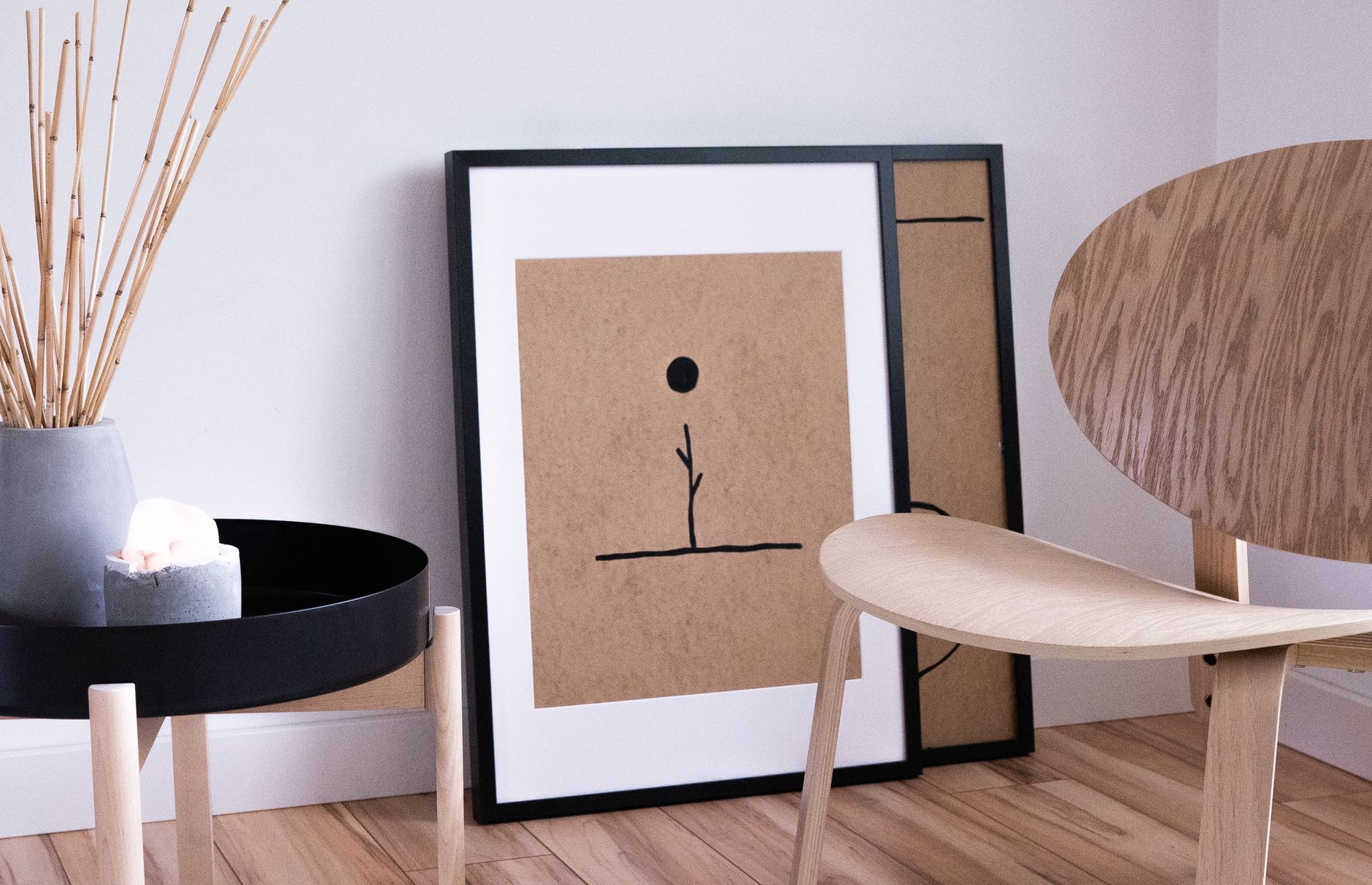
Harsh overhead lighting works against the calm Japandi mood. Instead, layer several soft sources at different heights: paper pendant lamps, linen-shaded table lamps, and low floor lamps that wash light across walls. Choose warm bulbs around 2700K to keep the atmosphere gentle in the evening. Maximize natural daylight during the day with sheer linen curtains or simple wooden blinds. Many of the principles in our bedroom lighting ideas that set the mood for better sleep apply directly to Japandi living rooms and dining spaces too.
8. Bring Nature Indoors With Simple Greenery
A connection to nature is central to both Japanese and Scandinavian design. Choose sculptural plants with strong silhouettes, like an olive tree, a snake plant, or a few branches of eucalyptus in a stoneware vessel, rather than a crowded jungle of pots. Ikebana-inspired arrangements with one or two stems feel especially fitting. Seasonal elements such as dried grasses or autumn branches keep the look fresh throughout the year. Paired with soft textiles and warm wood, a little greenery turns any room into one of the most cozy living room ideas you can create.
Final Thoughts
Japandi interior design works because it balances opposites: minimal yet warm, refined yet relaxed, modern yet rooted in tradition. You do not need a full renovation to achieve it. Start by editing what you already own, introduce natural wood and tactile textiles, and soften your lighting. Over time, add handmade pieces that carry meaning. The result is a calm, balanced home that feels good to live in every single day.