Walk into a home that feels effortlessly put together and you’ll notice something: it’s rarely about how much money was spent. It’s about a handful of habits repeated consistently, room after room. These small, deliberate design choices add up to a house that feels calm, cohesive, and intentional rather than accidental. Here are eight habits worth adopting in your own home.
1. Anchor Every Room With One Statement Piece
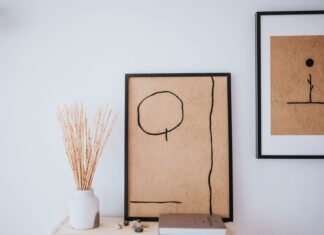
Rooms that feel curated almost always have a single focal point — an oversized piece of art, a sculptural light fixture, or a bold piece of furniture — that the rest of the space is built around. Without an anchor, a room can feel like a collection of unrelated objects competing for attention. Choose one standout element per room and let everything else play a supporting role. This is one of the simplest home design secrets that professionals rely on constantly.
2. Repeat a Color Story Throughout the House
Homes that feel disjointed usually treat each room as its own isolated project. Homes that feel intentional carry a consistent color thread — three or four core tones — from the entryway through to the back bedroom. This doesn’t mean every room looks identical; it means there’s a visual conversation happening between spaces. Picking a palette early and referencing it in every purchase keeps the whole house feeling like it belongs together.
3. Respect Scale Before Anything Else
Furniture that’s too small makes a room feel unfinished, while pieces that are too large overwhelm the space and block circulation. Before buying anything, measure the room and rough out furniture placement with painter’s tape on the floor. Getting scale right solves more problems than any amount of styling ever could, and it’s one of the most common home design mistakes that quietly age a space.
4. Layer at Least Three Light Sources per Room
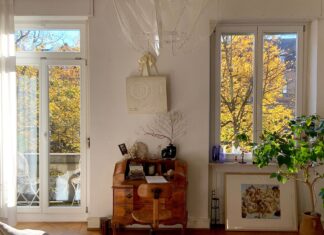
A single overhead fixture flattens a room and makes it feel like an office rather than a home. Layering ambient, task, and accent lighting — think ceiling fixtures, table lamps, and picture lights — adds depth and warmth at any hour. This layering technique is a favorite among designers because it does more to change the mood of a room than paint color ever will, echoing the kind of layering tricks that make rooms feel curated.
5. Edit Ruthlessly Before Adding More
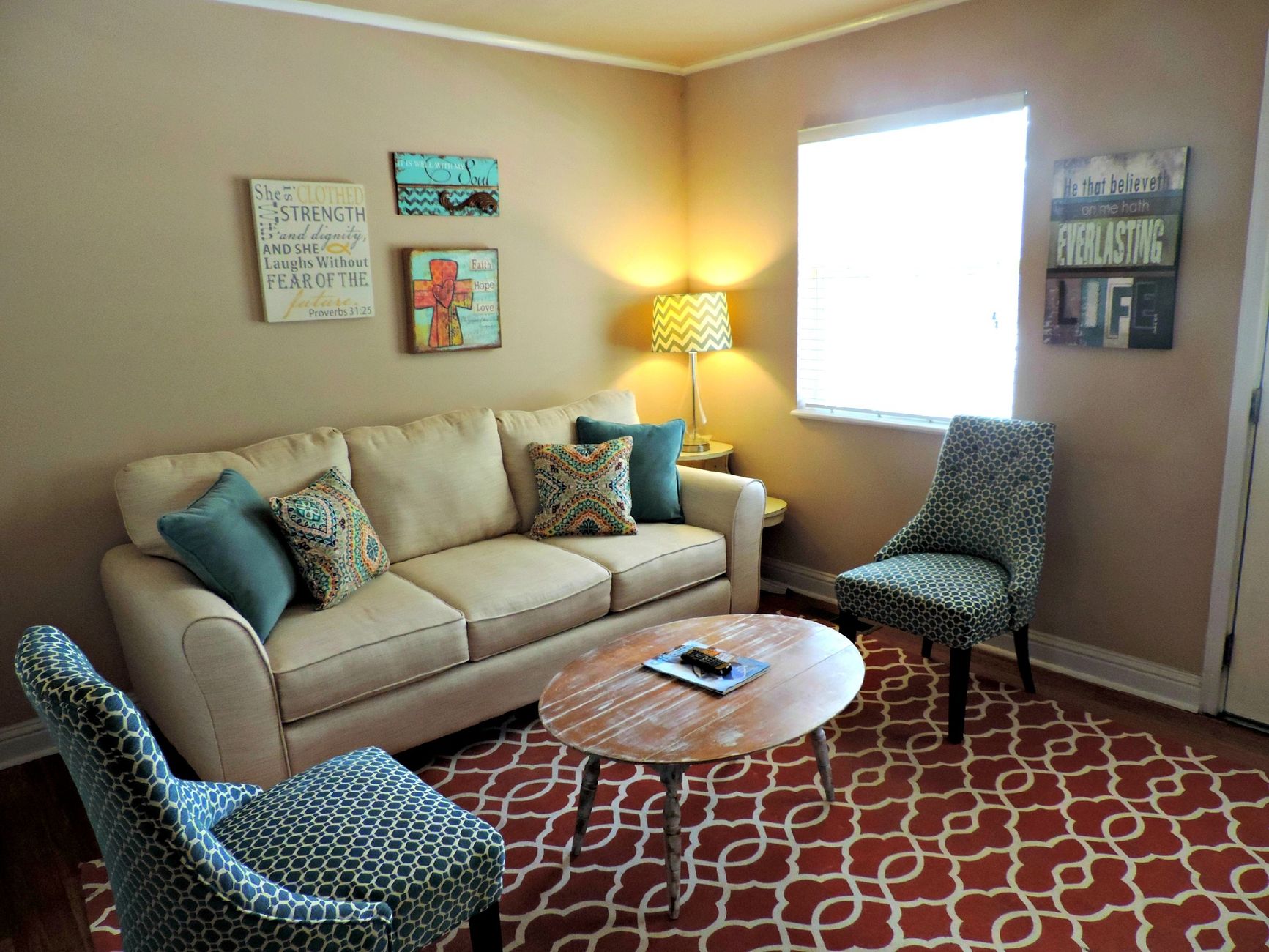
It’s tempting to solve a room that feels “off” by adding another accessory, but often the fix is subtraction, not addition. Removing a few competing pieces — an extra throw pillow, a cluttered shelf, a piece of furniture that doesn’t fit the scale of the room — instantly clarifies the space. Well-designed homes tend to have less in them, not more, and every remaining object earns its place.
6. Let Furniture Breathe With Negative Space
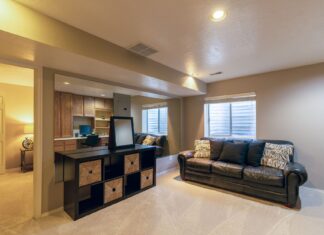
Pushing every piece of furniture against the wall is one of the fastest ways to make a room feel like a waiting area. Floating a sofa a few inches off the wall, or leaving open floor space intentionally, gives a room room to breathe and makes it feel larger, not smaller. This single adjustment aligns with several interior design rules that transform a room without spending a dollar.
7. Choose Durable Materials Over Trendy Ones
Trend-driven purchases date a home quickly, while natural materials — solid wood, stone, linen, leather — age gracefully and often improve with wear. Investing in a few durable, well-made pieces instead of a cart full of trend-chasing items pays off both aesthetically and financially over time. It’s a habit shared by many of the home design ideas that continue to hold up years after they were first shared.
8. Style With Intention, Not Symmetry Alone
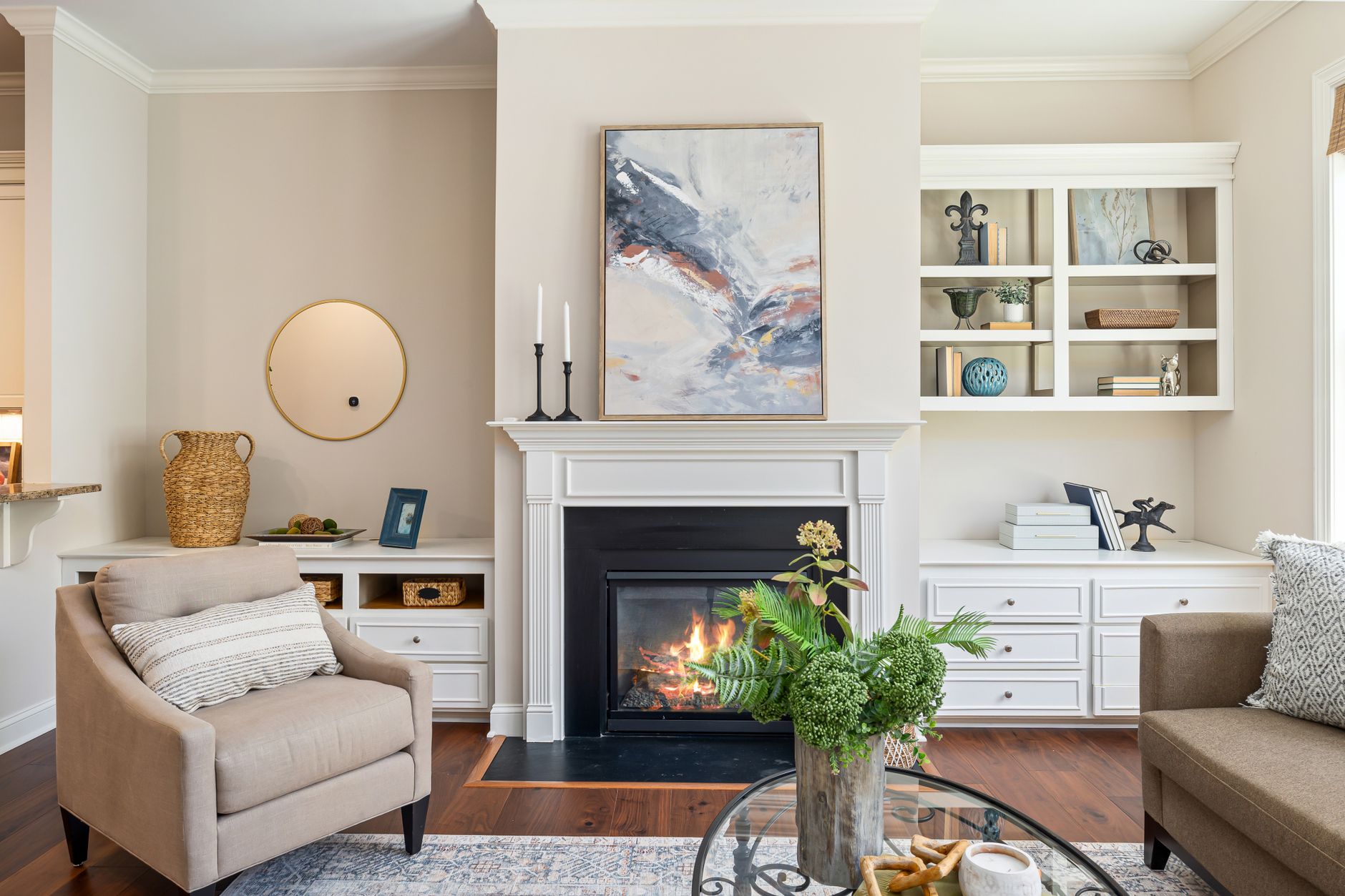
Perfectly symmetrical styling can feel stiff rather than welcoming. The most inviting rooms mix a bit of asymmetry — an odd number of objects on a shelf, a lamp placed slightly off-center — with an underlying sense of balance. This organic approach is central to the interior design techniques that make a room feel polished rather than staged, and it borrows from the same instincts behind top interior design secrets professionals use in their own projects.
Final Thoughts
None of these habits require a full renovation or a big budget — they require consistency. Anchor your rooms, repeat your palette, respect scale, layer your light, edit often, give furniture room to breathe, choose materials that last, and style with a little imperfection. Applied together across a house, these small habits are what separate a home that feels finished from one that’s still a work in progress. For more ways to refine every room, explore these home design principles and interior design trends worth trying next.