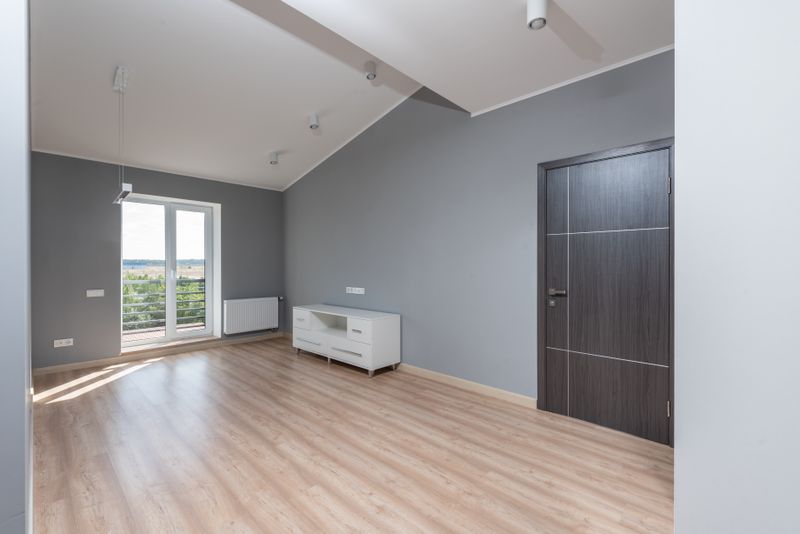
Great interior design is not reserved for luxury homes or professional decorators — it is a craft anyone can master with the right knowledge and a clear vision. Whether you are starting from scratch or refreshing a tired space, understanding the core principles of interior design will help you make confident choices and create rooms that feel intentional, balanced, and uniquely yours. From mastering light and proportion to layering textures and choosing the perfect color palette, these 8 interior design rules will guide you through every room in your home.
1. Start With a Clear Design Intention
Before moving a single piece of furniture, take time to define the mood and purpose of your space. Ask yourself how you want the room to feel — calm and airy, warm and cozy, bold and energetic — and let that intention guide every decision you make. A well-defined concept acts as a filter, helping you say no to impulse purchases and yes to pieces that truly belong. Consider creating a simple mood board with colors, textures, and reference images that capture your vision. This upfront investment of time will save you from costly mistakes and ensure your final result feels cohesive. For inspiration on building a cohesive aesthetic, explore 9 Interior Design Secrets Professionals Use to Create Stunning Homes and discover how experts bring a unified concept to life.
2. Master the Art of Proportion and Scale
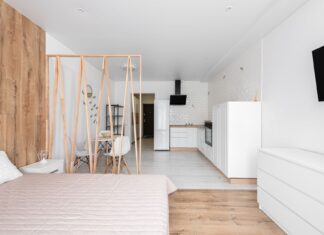
One of the most common interior design mistakes is choosing furniture that is the wrong scale for the room. An oversized sofa in a small living room will make the space feel cramped, while tiny furniture in a large room looks lost and disconnected. A reliable rule is to leave at least 18 inches of walkway between larger pieces, and to ensure your sofa is roughly two-thirds the length of your coffee table. When shopping, always measure your room dimensions and mark them out on a floor plan before buying. Getting proportion right instantly elevates a space, making it feel purposeful rather than accidental. You can find more guidance on balancing furniture scale in 8 Interior Design Principles That Will Instantly Elevate Your Home.
3. Layer Lighting for Depth and Atmosphere
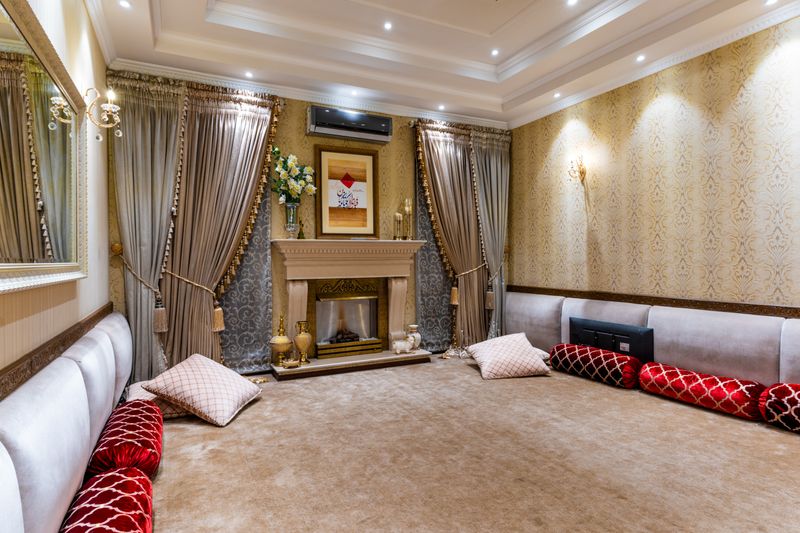
Lighting is the most transformative — and most underestimated — element in interior design. Relying on a single overhead fixture flattens a room and washes out all the texture and dimension you have carefully created. Instead, aim for three layers of light: ambient (general illumination), task (focused light for work areas), and accent (decorative highlights). Dimmer switches are a simple upgrade that dramatically increases the flexibility of any room, letting you shift from bright and functional to warm and intimate in seconds. Thoughtfully placed floor lamps, table lamps, and wall sconces add both light and visual interest. For ideas on using lighting to enhance your interiors, see 10 Interior Design Trends That Will Elevate Every Room in Your Home.
4. Build a Color Palette That Flows
A well-considered color palette creates harmony as you move from room to room, making your home feel like a unified whole rather than a collection of unrelated spaces. Start with a neutral base — warm whites, soft grays, or gentle greiges — and introduce your accent colors through textiles, artwork, and accessories. The classic 60-30-10 rule is a reliable starting point: 60% dominant color (walls and large furniture), 30% secondary color (upholstery and curtains), and 10% accent color (cushions, vases, and decorative objects). Do not be afraid of deep, saturated tones in smaller rooms; a rich navy or forest green on a single wall can add drama without overwhelming the space. For room-by-room color inspiration, 9 Proven Home Decorating Ideas That Will Transform Any Room in 2026 offers practical strategies you can apply right away.
5. Use Texture to Add Warmth and Visual Interest
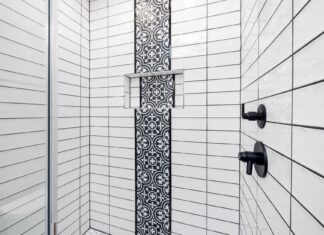
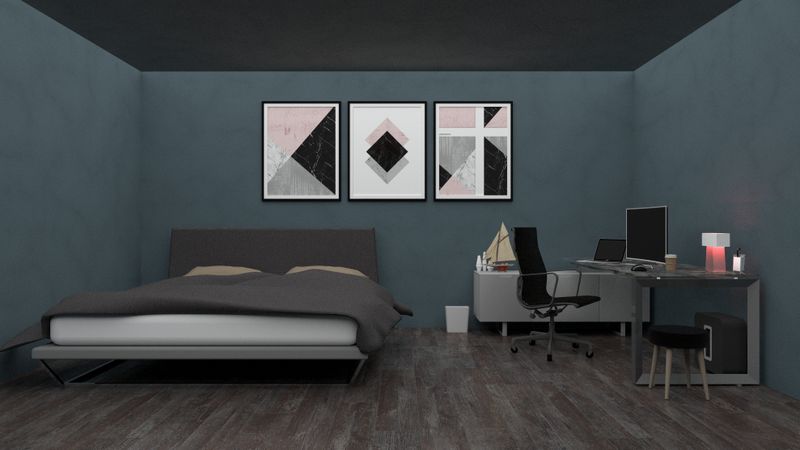
Color gets most of the attention in design conversations, but texture is what makes a room feel genuinely inviting and tactile. Mixing materials — rough linen with smooth velvet, raw wood with polished metal, woven rattan with sleek glass — creates a sensory richness that photographs and flat paint simply cannot replicate. The key is to vary the texture at different scales: a large chunky-knit throw, a mid-sized jute rug, and small ceramic accessories all bring something different to the visual landscape. Even monochromatic rooms (all white or all neutral) become dynamic and interesting when multiple textures are layered together. Explore how texture plays into a complete decorating strategy in 10 Transformative Decorating Ideas to Refresh Every Room in 2026.
6. Create Focal Points in Every Room
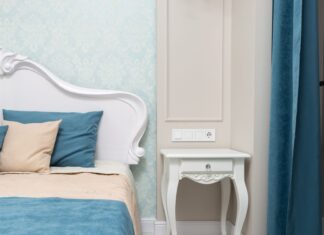
Every well-designed room needs at least one focal point — a strong visual anchor that draws the eye and gives the space a sense of purpose and direction. In a living room, this might be a fireplace, a large piece of artwork, or a statement piece of furniture. In a bedroom, the bed itself is the natural focal point, which is why investing in a beautiful headboard pays such dividends. Once your focal point is established, arrange the rest of the room to support and complement it rather than compete with it. Avoid cluttering walls around a focal point with too many small items; let the anchor breathe so it can do its job. For creative ideas on building visual interest, check out 9 Interior Design Principles That Will Transform Any Room in Your Home.
7. Edit Ruthlessly and Embrace Negative Space
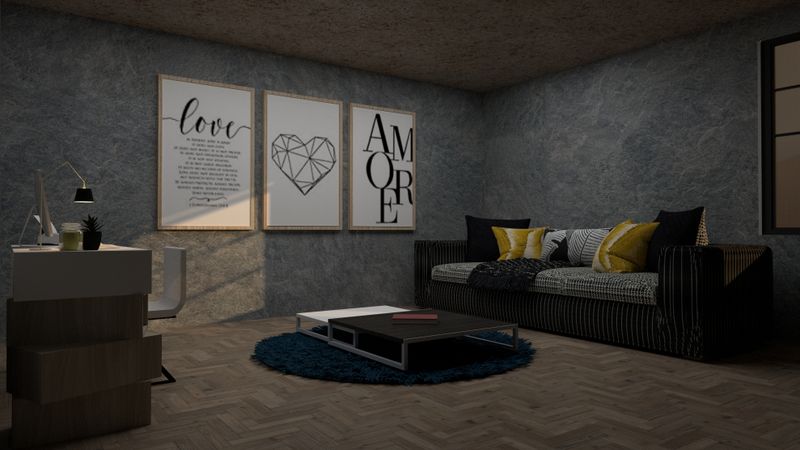
One of the hallmarks of professional interior design is restraint. Resist the urge to fill every surface, and instead allow your best pieces room to breathe. Negative space — the empty areas around and between objects — is not wasted space; it is essential breathing room that makes the objects you do display feel more intentional and precious. A common editing rule is to remove one-third of what you currently have displayed, then live with the result for a week before deciding what, if anything, to add back. Clutter is the enemy of calm, and a curated room will always feel more sophisticated than an overcrowded one. For smart storage and decluttering strategies that complement your design, see 8 Creative Living Room Decorating Ideas to Make Your Home Feel Inviting.
8. Bring Nature Indoors With Plants and Natural Materials
Biophilic design — the practice of connecting interior spaces to the natural world — has moved from trend to enduring principle. Houseplants do more than add greenery; they improve air quality, reduce stress, and bring a sense of life and movement to otherwise static rooms. Beyond plants, incorporate natural materials wherever possible: stone countertops, hardwood floors, linen curtains, bamboo baskets, and clay vessels all ground a space in the organic world. Even a simple branch arranged in a tall vase or a bowl of smooth pebbles can bring an unexpected natural element into a room. Layering these organic touches with your other design elements creates spaces that feel both sophisticated and genuinely livable.
Final Thoughts
Great interior design is built on a foundation of clear intention, careful proportion, and thoughtful curation. By applying these 8 rules consistently — whether you are decorating a studio apartment or a sprawling family home — you will develop a design language that is distinctly yours and a home that functions beautifully in daily life. Remember that design is never truly finished; it evolves as you do, and the best spaces grow and change alongside their owners. Start with one principle, implement it with confidence, and let each success build your design intuition over time.