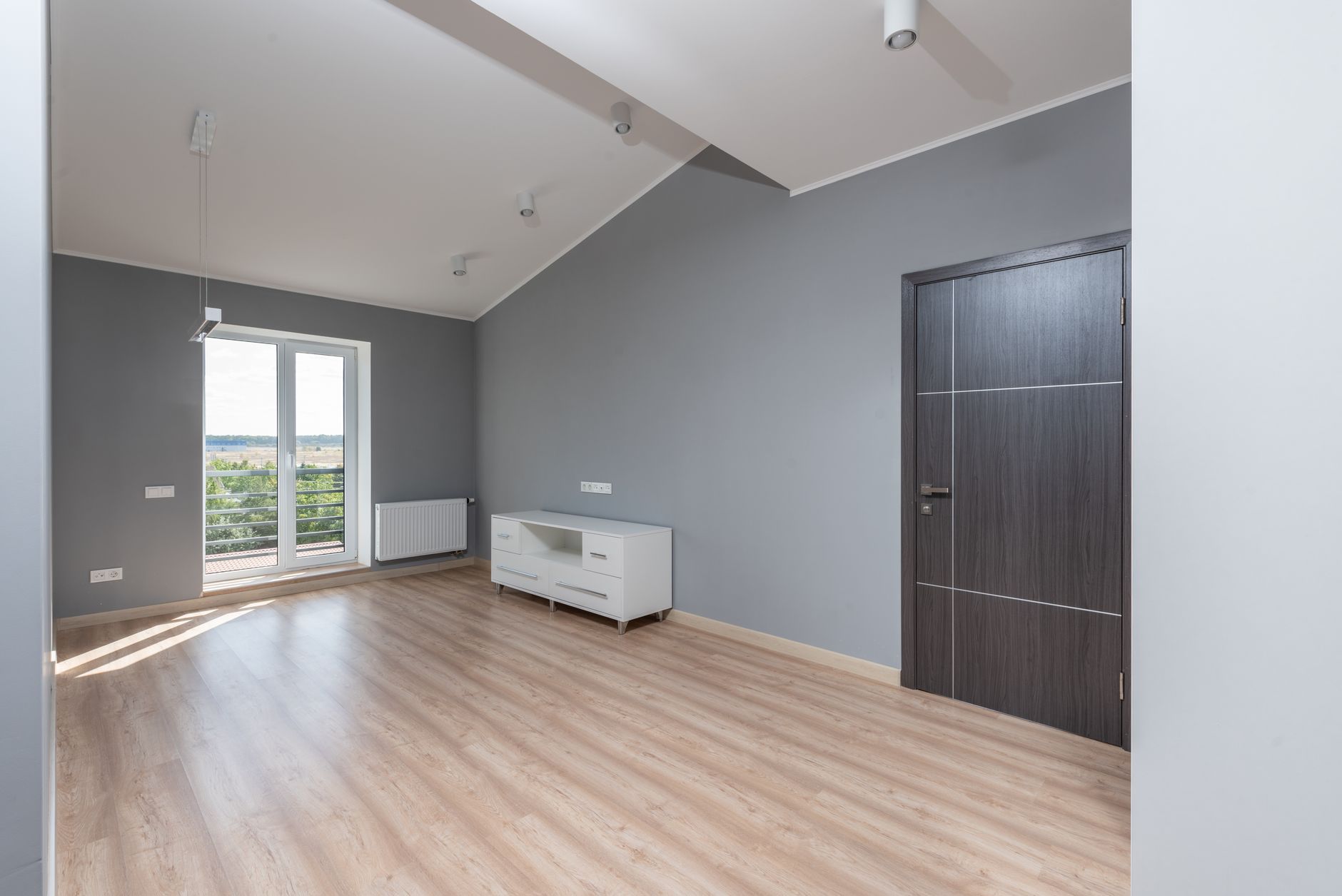
Great interior design isn’t reserved for professionals with unlimited budgets. At its core, it’s about understanding a handful of proven principles and applying them thoughtfully throughout your home. Whether you’re starting from scratch or refreshing a single room, these eight fundamentals will guide every decision — from furniture placement to color choices — and help you create spaces that feel intentional, balanced, and truly beautiful.
1. Start with a Clear Design Brief
Before moving a single piece of furniture, define what you want the room to do and how you want it to feel. Ask yourself: Who uses this space? What activities happen here? What mood am I after — calm and restful, energetic and social, focused and productive? Writing down three or four adjectives that capture your vision gives you a filter for every subsequent decision. When you’re torn between two sofas or two paint colors, go back to your brief. The one that fits the mood wins. This clarity saves time, money, and the regret that comes from impulse purchases that don’t belong in the room.
You’ll find rich inspiration in posts like 9 Interior Design Principles That Will Transform Any Room in Your Home — a great starting point for building your design vocabulary before committing to a direction.
2. Master the Art of Scale and Proportion
Nothing undermines a room faster than furniture that’s the wrong size. A sofa that’s too small floats awkwardly in a large living room; an oversized sectional in a tight apartment makes the space feel claustrophobic. The fix is simple: measure everything before you buy. Sketch the room to scale on graph paper or use a free app. As a rule of thumb, leave at least 18 inches between a sofa and coffee table, and ensure major pieces relate to each other in size — a petite accent chair beside a hulking armchair looks odd, while matching visual weights creates harmony.
Scale also applies to artwork and accessories. A single small frame on a large wall disappears; a gallery arrangement or a large-format print commands the space correctly. For dining rooms specifically, check out ideas like the ones in 33 Dining Room Interiors with Table Setups That Will Enhance Your Property to see scale done right.
3. Build a Cohesive Color Palette
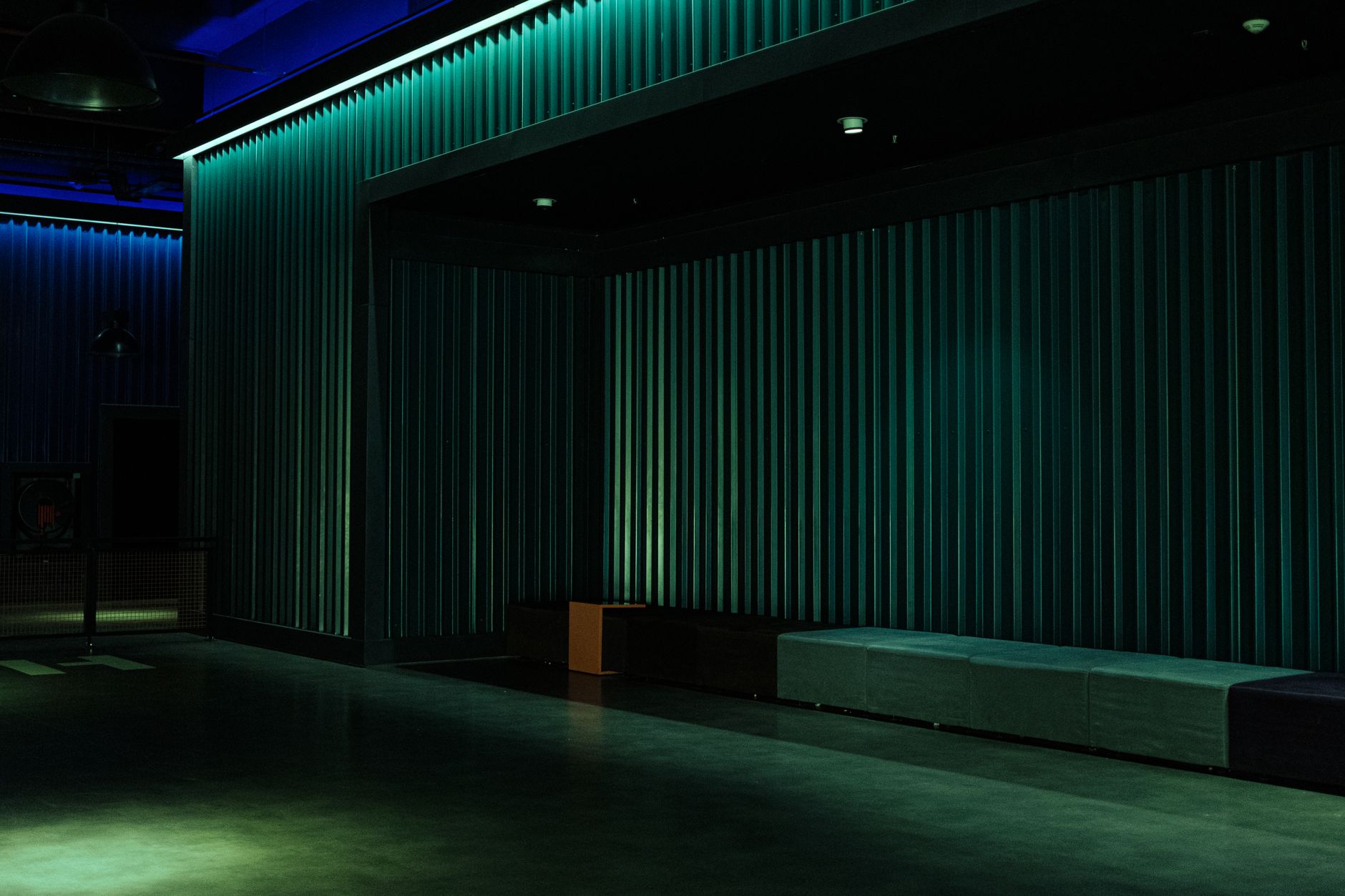
Color is the single most powerful tool in interior design, and the most commonly misused. Instead of painting one wall an accent color and hoping for the best, build a deliberate palette of three to five shades before you touch a brush. Choose one dominant color (the walls or the largest upholstered piece), one secondary color (rugs, curtains, large accessories), and one or two accent colors for pillows, art, and decorative objects. Stick to the 60-30-10 ratio — 60% dominant, 30% secondary, 10% accent — and the room will feel balanced rather than chaotic.
Don’t overlook the power of neutrals. White, cream, warm gray, and greige act as breathing room between stronger hues. If you’re unsure where to start, the 8 Interior Design Tips to Transform Your Living Room guide walks through color selection with practical before-and-after examples.
4. Layer Your Lighting
Relying on a single overhead light is one of the most common interior design mistakes. Professional designers always layer three types of lighting: ambient (the general fill light, usually ceiling-mounted), task (focused light for reading, cooking, or working), and accent (decorative light that highlights artwork or architectural features). The combination gives you control over mood — bright and functional during the day, warm and intimate in the evening.
Dimmer switches are the cheapest upgrade you’ll ever make. They let you adjust ambient light intensity instantly, turning a harsh overhead into a soft glow. Table lamps and floor lamps add warmth at eye level, which overhead lights alone can never achieve. For inspiration on how lighting transforms a bedroom in particular, see 6 Best Ideas in Building a Perfect Personal Space.
5. Create a Focal Point in Every Room
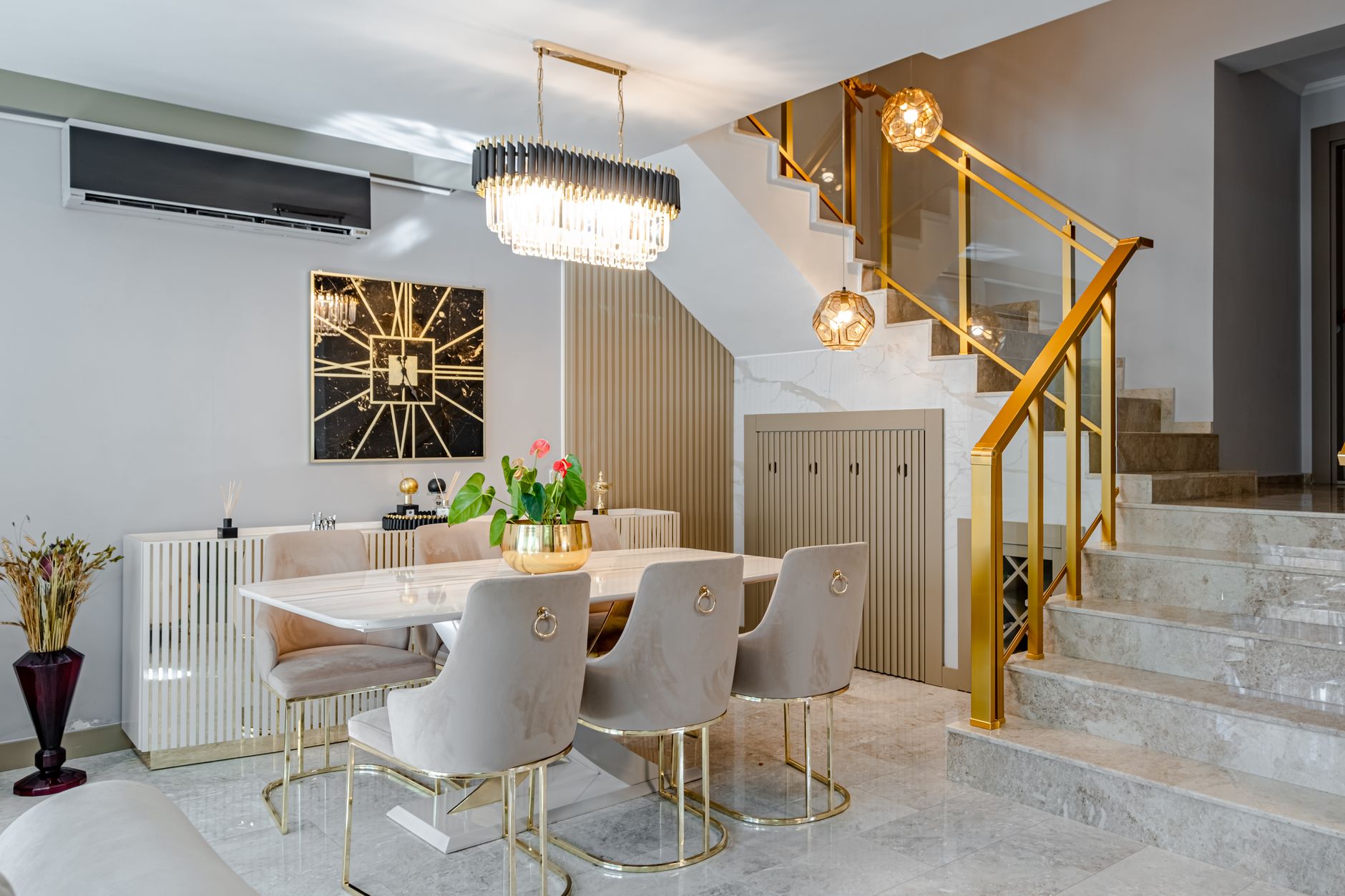
Every well-designed room has one element that draws the eye first — a fireplace, a statement piece of art, an architectural window, or a boldly upholstered headboard. The focal point anchors the space and gives your eye somewhere to land. Once you identify or create the focal point, arrange the rest of the room to support it rather than compete with it. Furniture should face or angle toward the focal point; secondary elements should diminish in visual weight as they move away from it.
If your room lacks a natural focal point, create one with a large mirror, an oversized piece of art, or a dramatic light fixture. Even paint can do the job — a single wall in a deeper, richer shade than the others draws immediate attention. See how this works in practice in the post Contemporary-Style Family Interior in Brownish Hues, where a tonal palette is used to establish a clear visual anchor.
6. Use Texture to Add Depth and Interest
A room decorated entirely in smooth, flat surfaces looks clinical and cold, no matter how beautiful the colors are. Texture is what makes a space feel rich, layered, and livable. Mix rough and smooth: a linen sofa next to a velvet pillow, a jute rug under a glass coffee table, a raw-wood shelf beside a polished ceramic vase. The contrast is what creates visual interest and makes each material stand out.
Texture doesn’t have to mean heavy or rustic. Even in a minimalist space, a subtle bouclé throw, a woven basket, or a ribbed ceramic lamp base adds the tactile quality that makes the room inviting rather than austere. The key is variety — aim for at least four different textures in any given room for a result that feels considered and complete. For ideas on how to incorporate natural materials beautifully, explore Use Zen Decor Concepts in Modern Design.
7. Embrace Negative Space
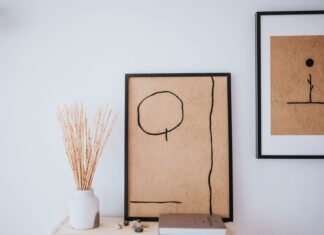
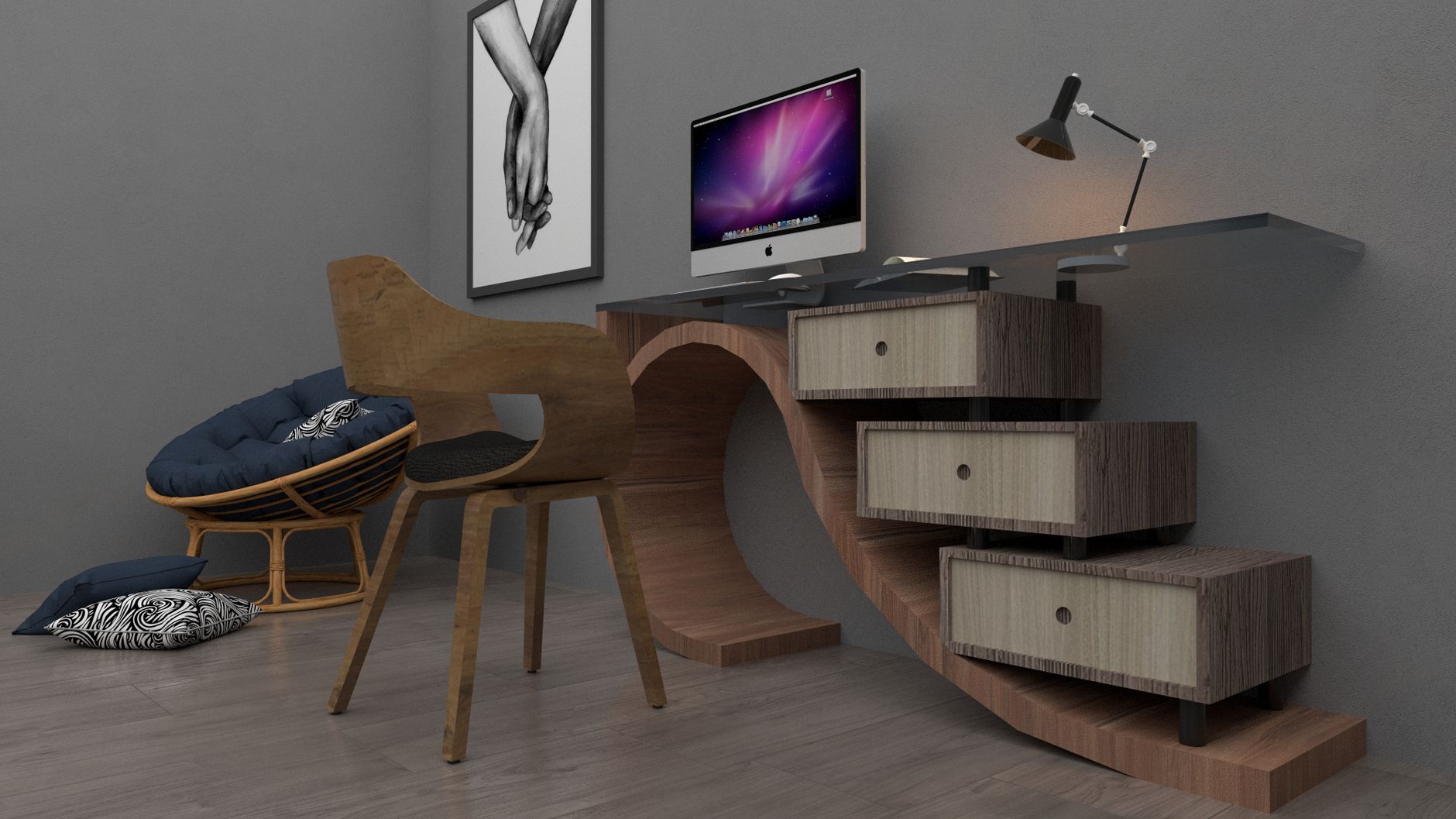
One of the clearest signs of an amateur design is a room that’s been over-filled. Every surface crowded with objects, every wall hung with frames, every corner stuffed with furniture. Negative space — the empty areas around and between objects — is not wasted space; it’s an active design element. It gives the eye a place to rest, makes individual pieces stand out, and communicates confidence and calm. Editing is often harder than adding, but it’s almost always more impactful.
Practice the one-third rule: when arranging a shelf or a tabletop, leave roughly one-third of the surface empty. When hanging art, resist filling every inch of wall. A single large piece or a curated grouping with generous breathing room will always outperform a cluttered gallery. If you’re working with a compact home, 10 Stunning Home & Garden Decoration Ideas to Transform Your Space shows how to maximize impact without maximizing clutter.
8. Personalize with Meaningful Details
The final principle is the one that separates a beautifully designed room from a room that also feels like home. Personalization — through art you love, objects collected on travels, family heirlooms, or books you’ve actually read — adds the irreplaceable quality of authenticity. It tells a story about the people who live there. No showroom has it; no designer can manufacture it for you. Your job is to curate it deliberately rather than accumulate it randomly.
A useful exercise: walk through each room and remove anything you don’t genuinely love or need. What remains is the foundation of your personal design story. Add back only what passes the test of “Does this make me happy every time I see it?” The result will be a home that not only looks designed but feels deeply, specifically yours. For a fresh approach to personalizing your space, see the ideas in The Main Reasons Why People Use Flags as Wall Art.
Final Thoughts
Interior design is a practice, not a one-time event. Applying these eight principles — clarity of purpose, scale, color, layered lighting, focal points, texture, negative space, and personalization — gives you a reliable framework for every room in your home. You don’t need to implement everything at once. Start with the principle that addresses your biggest current frustration, apply it consistently, and build from there. Over time, each thoughtful decision compounds into a home that looks and feels exactly the way you intended.
For more inspiration and practical guidance, explore the full collection at House Malfunctions That Affect Your Interior Design and Top Ways to Quickly Fix Them — because great design also means knowing how to maintain it.