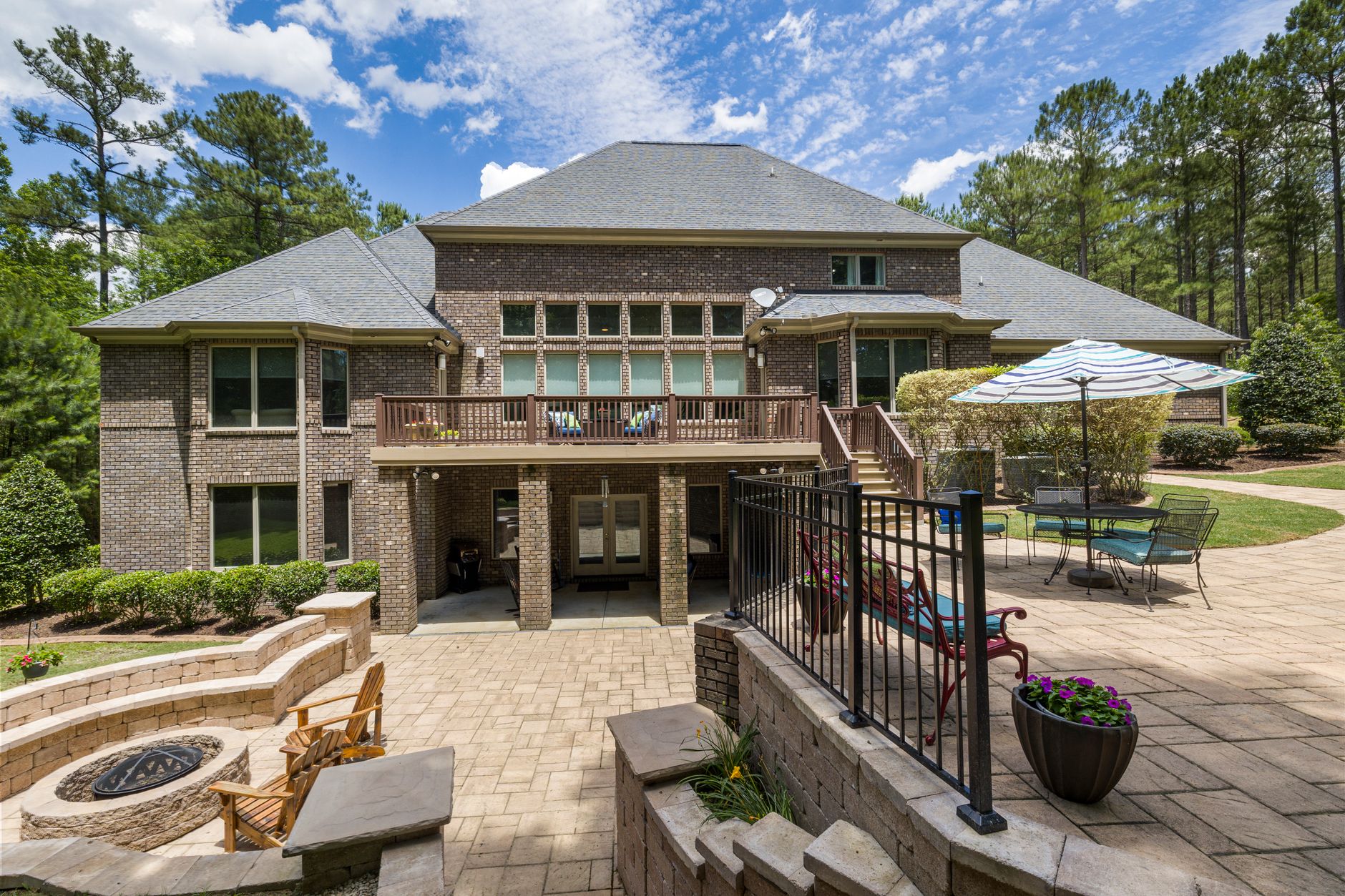
A well-designed patio does more than add square footage to your home—it creates a destination. Whether you have a sprawling backyard or a modest concrete slab, the right combination of layout, materials, and furnishings can turn an overlooked outdoor space into the most-used room in your house. These nine ideas cover everything from layout fundamentals to finishing touches, so you can plan a patio that works for how you actually live.
1. Start With a Layout That Matches Your Lifestyle
Before choosing furniture or materials, map out how you want to use the space. A patio built primarily for dining needs a different footprint than one designed around lounging or entertaining large groups. Sketch rough zones on paper first—dining, seating, cooking—so the hardscaping and furniture placement follow function rather than guesswork. If you’re renovating an existing space, this is also the moment to borrow ideas from a recent outdoor living space overhaul to see how professionals divide larger yards into distinct zones.
2. Choose Durable, Weather-Appropriate Materials
Patio materials need to withstand sun, rain, and temperature swings without cracking or fading. Natural stone, porcelain pavers, and pressure-treated composite decking are reliable choices that age well with minimal upkeep. If your climate sees heavy freeze-thaw cycles, prioritize materials rated for that stress, since cheaper concrete can crack within a few seasons. Matching your material palette to your home’s exterior—brick, siding, or stucco—also helps the patio feel like a natural extension of the house rather than an afterthought.
3. Define the Space With a Pergola or Shade Structure
An open patio can feel exposed and underused during peak sun hours. Adding a pergola, retractable awning, or shade sail instantly makes the space more comfortable and visually defines its boundaries. Structures with adjustable louvers or retractable canopies give you flexibility to open the space up on cooler days and close it down during intense heat. For inspiration on scale and proportion, this pergola design roundup shows how different structures suit different yard sizes.
4. Layer in Comfortable, Weatherproof Seating
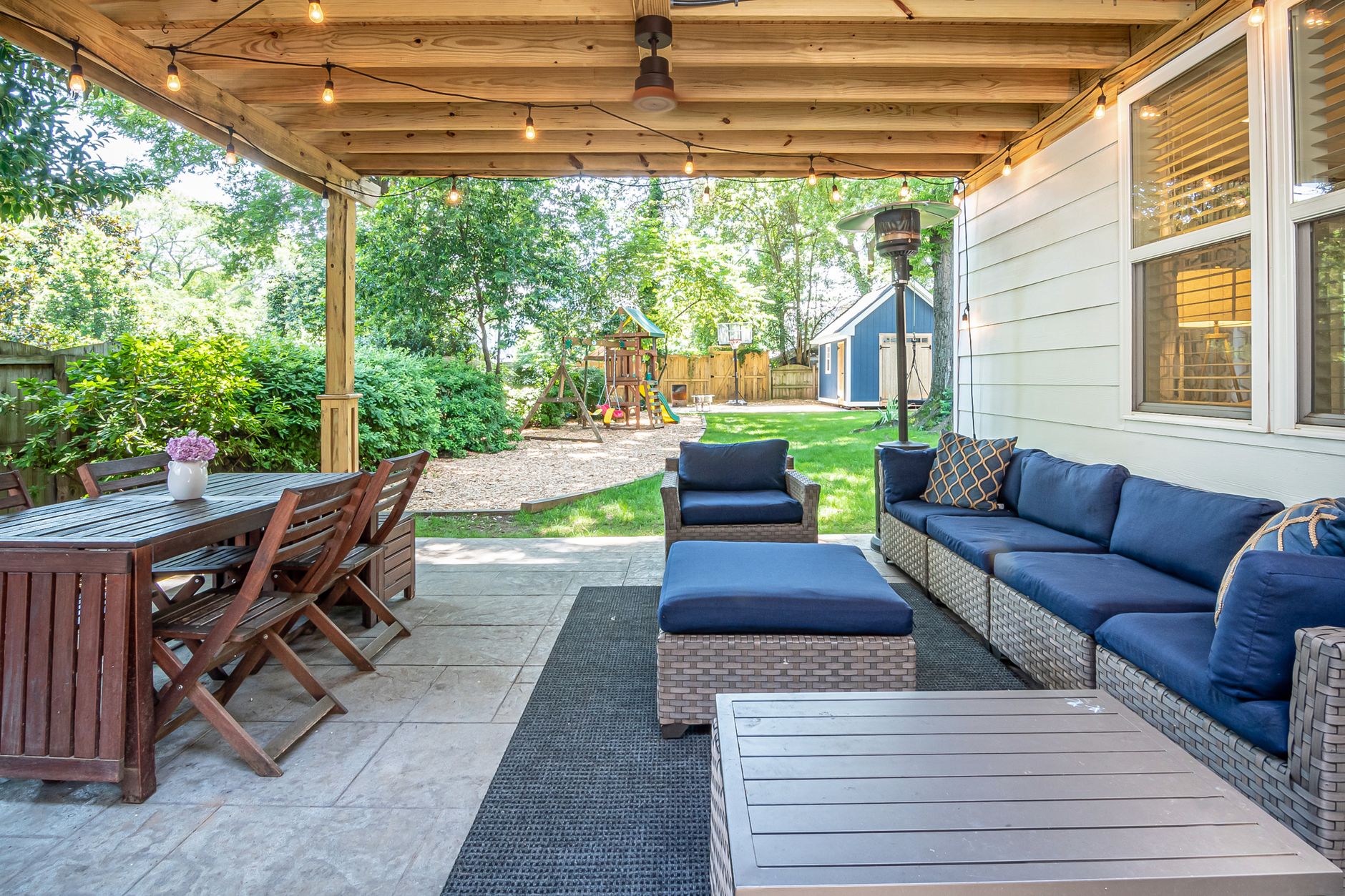
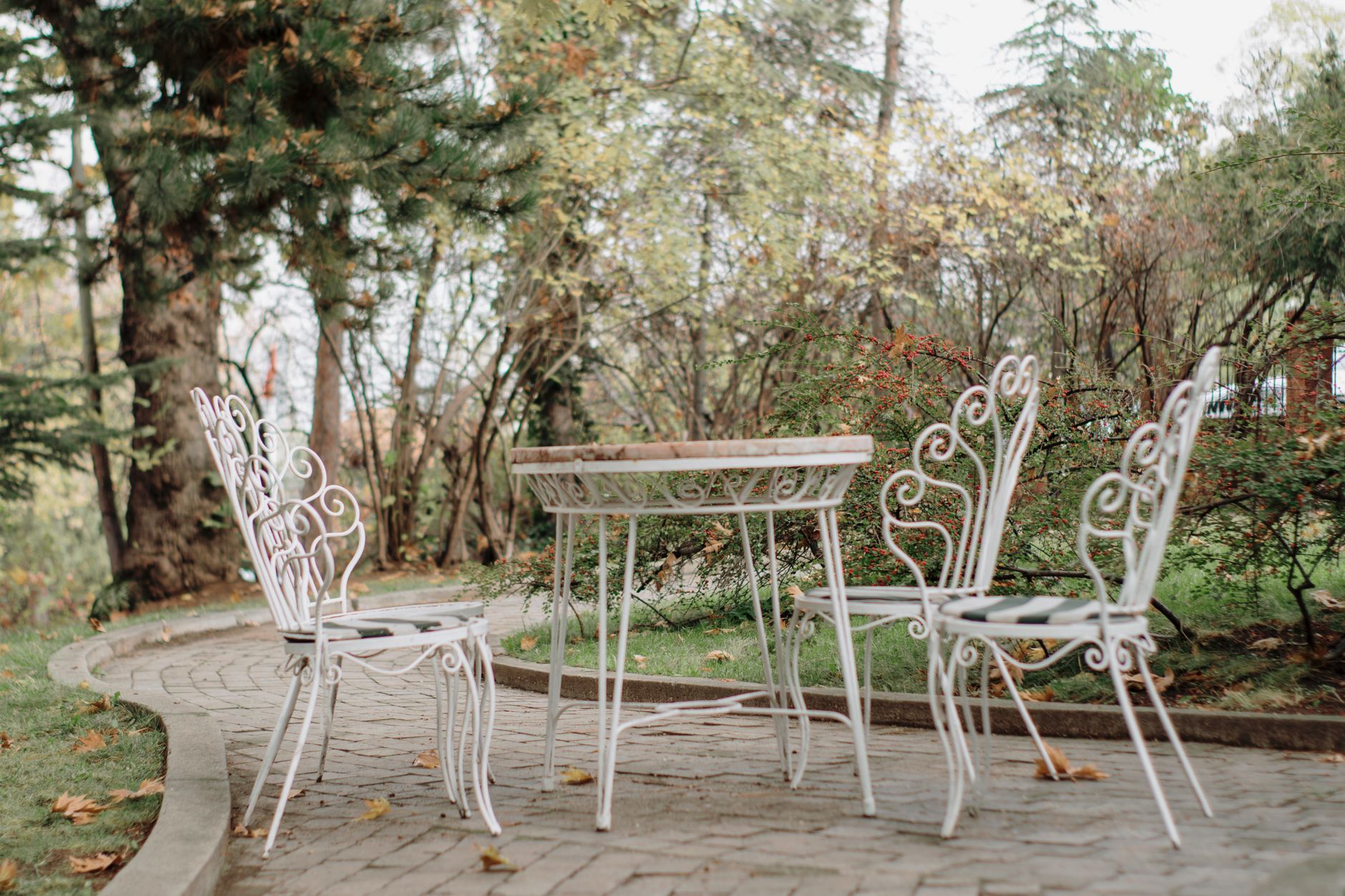
Furniture is where most patios succeed or fail. Deep-seated sofas and lounge chairs with quick-dry cushions invite people to linger rather than perch. Mix low lounge seating with a dining set if your space allows, so the patio can transition from casual afternoons to evening dinners without rearranging everything. Rattan, teak, and powder-coated aluminum all hold up well outdoors and pair nicely with the kind of layered textiles used in proven home decorating approaches for indoor rooms.
5. Add a Fire Feature for Year-Round Use
A fire pit or outdoor fireplace extends patio season well into cooler months and becomes a natural gathering point for guests. Gas-powered options offer instant ambiance with no cleanup, while wood-burning pits give a more rustic feel and a genuine campfire experience. Position seating in a loose circle or crescent around the fire feature, leaving enough clearance for safety and easy movement. Pair the fire feature with a nearby dining or lounge area, similar to the layered zones in this backyard retreat feature.
6. Incorporate Greenery to Soften Hardscaping
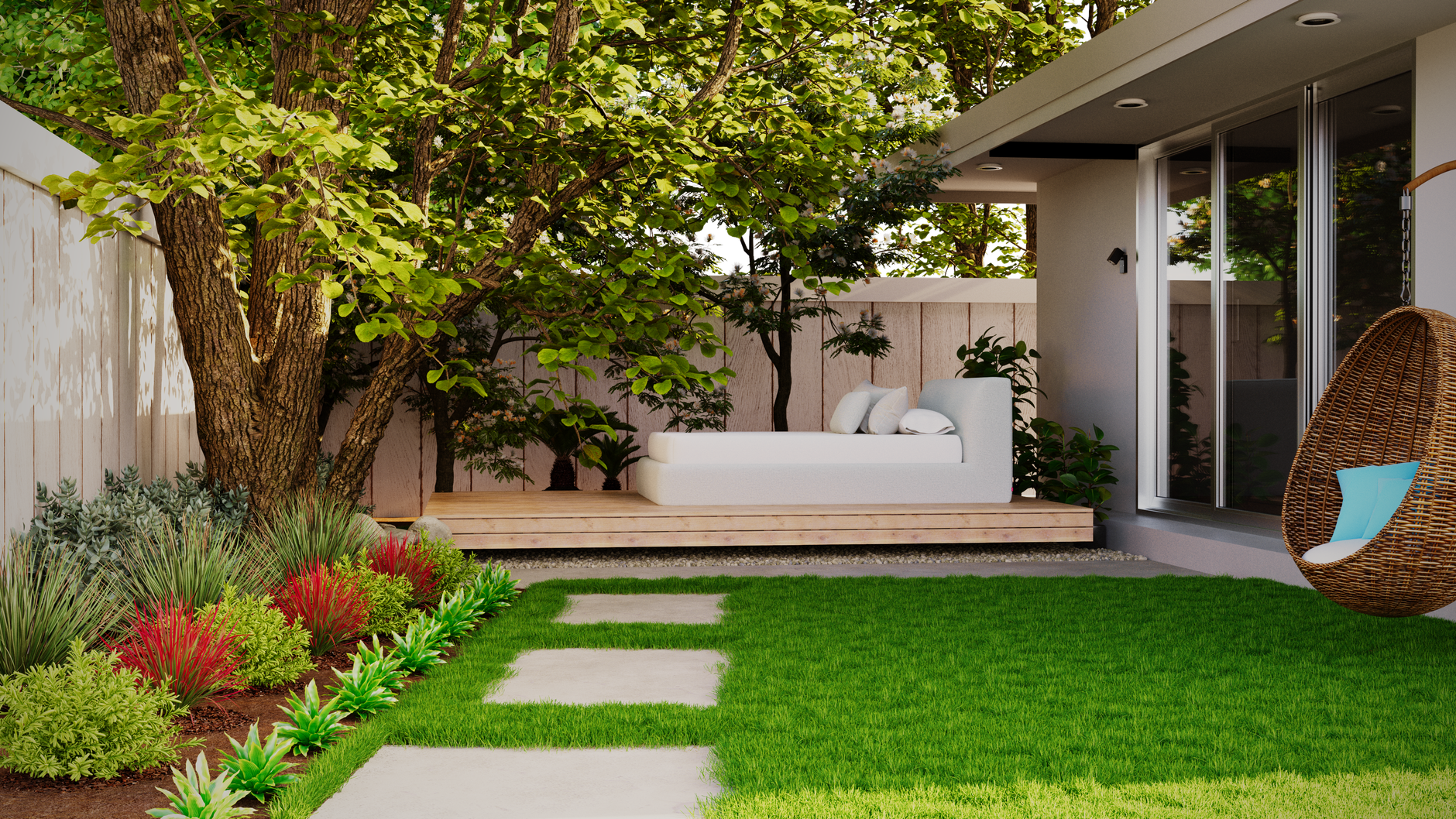
Stone, concrete, and metal furniture can feel cold without plant life to balance them. Container gardens, climbing vines on a pergola, and a mix of ornamental grasses soften hard edges and add seasonal color. Raised planter beds along the patio perimeter also do double duty as informal privacy screens between you and neighboring yards. If you’re short on ground space, vertical planters and hanging baskets deliver the same effect without eating into your seating area.
7. Install Layered Outdoor Lighting
Good lighting is what makes a patio usable after sunset. Combine string lights overhead for ambiance, low path lighting for safety, and task lighting near any outdoor cooking or dining zones. Solar-powered fixtures have improved significantly and are worth considering for areas without easy access to wiring. Dimmable, warm-toned bulbs create a more inviting atmosphere than the harsh white light often used for security purposes.
8. Build in a Cooking or Serving Station
Even a compact patio benefits from a dedicated spot for food and drink. This could be as simple as a bar cart or as elaborate as a built-in grill island with counter space and storage. Keeping cooking and serving contained to one zone prevents the rest of the patio from feeling cluttered with dishes and utensils during gatherings. A nearby prep counter also keeps the host part of the conversation instead of making repeated trips back into the kitchen.
9. Add Personal Touches That Reflect Your Style
Outdoor rugs, patterned throw pillows, and a few well-chosen accessories keep a patio from feeling generic. Choose a color palette that complements your home’s exterior and repeat it across cushions, planters, and any shade structures. These finishing touches are what separate a functional patio from one that feels intentionally designed, much like the small details highlighted in this patio roofing and shade guide.
Final Thoughts
A great patio doesn’t require a massive budget or a complete backyard overhaul—it requires intentional choices about layout, materials, and comfort. Start with the elements that affect daily usability, like shade and seating, then layer in lighting and greenery to round out the atmosphere. For more ways to extend your design thinking beyond the patio itself, browse this patio planning resource or explore indoor decorating ideas that carry the same warm, layered approach from your living room to your backyard.