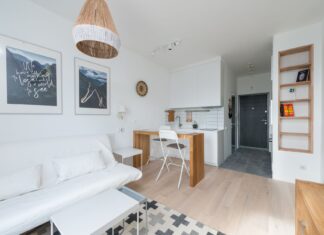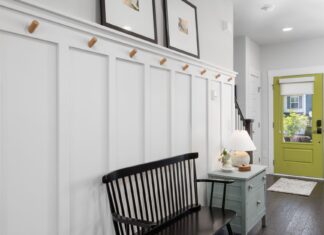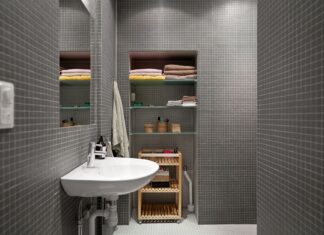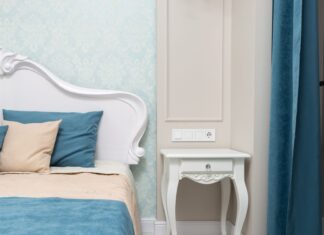
Decorating your home is one of the most rewarding ways to express your personality and create spaces where you genuinely love to spend time. Whether you are starting from scratch or refreshing a room that has lost its spark, the right approach can make a profound difference. The ideas in this guide are practical, budget-conscious, and grounded in timeless design principles — meaning they will look just as good five years from now as they do today. From smart layering techniques to the transformative power of natural light, these nine strategies will help you achieve a polished, cohesive look without the need for a professional designer.
1. Anchor Every Room With a Statement Piece
Every well-decorated room has a focal point that draws the eye and sets the tone for the entire space. This anchor piece could be a bold sofa, a gallery wall, an oversized piece of art, or even a beautifully draped window. Once you establish this central element, every other decorating decision — furniture placement, color palette, accessories — becomes easier because you have a clear starting point. Choose something that genuinely excites you rather than something that simply “goes” with everything, because that authentic enthusiasm will make the room feel intentional. If you are unsure where to begin, our guide on creative living room decorating ideas to make your home feel inviting offers plenty of inspiration for anchoring common areas.
2. Layer Lighting for Depth and Atmosphere
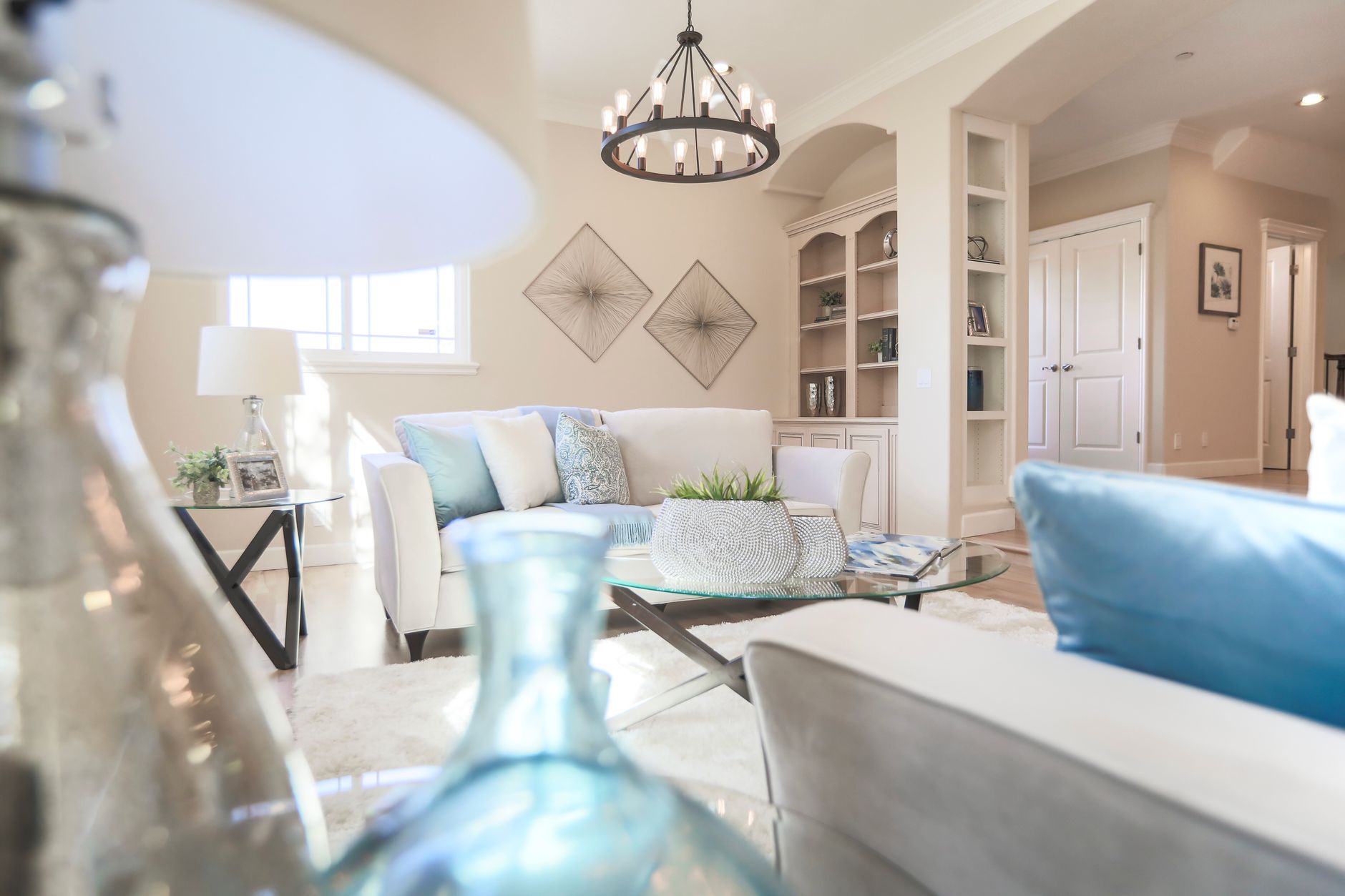
A single overhead light is one of the fastest ways to flatten a room and drain it of warmth. Instead, think in three layers: ambient lighting (general illumination from ceiling fixtures), task lighting (focused light for reading or cooking), and accent lighting (decorative lamps, wall sconces, or LED strips that highlight architectural features). Mixing these three layers gives you full control over the mood of any space — bright and energizing during the day, soft and inviting in the evening. Dimmer switches are an inexpensive upgrade that dramatically expands your options. For rooms that feel dark or cramped, layered lighting works hand-in-hand with the lighting tricks that make small spaces feel bigger and brighter.
3. Choose a Color Palette of Three and Stick to It
Successful decorating almost always comes down to discipline with color. The classic “60-30-10” rule is a reliable starting point: 60% of the room in a dominant color (usually walls and large furniture), 30% in a secondary color (upholstery, curtains, rugs), and 10% in an accent color (cushions, artwork, vases). This ratio creates visual harmony without making the space feel monotonous. Avoid the temptation to introduce a fourth or fifth color unless you have a very good reason — restraint is often what separates a professionally decorated room from a cluttered one. If you want to understand how color choices affect how a space feels emotionally, our article on how the colors of your walls affect your overall mood is essential reading.
4. Mix Textures to Add Visual Interest
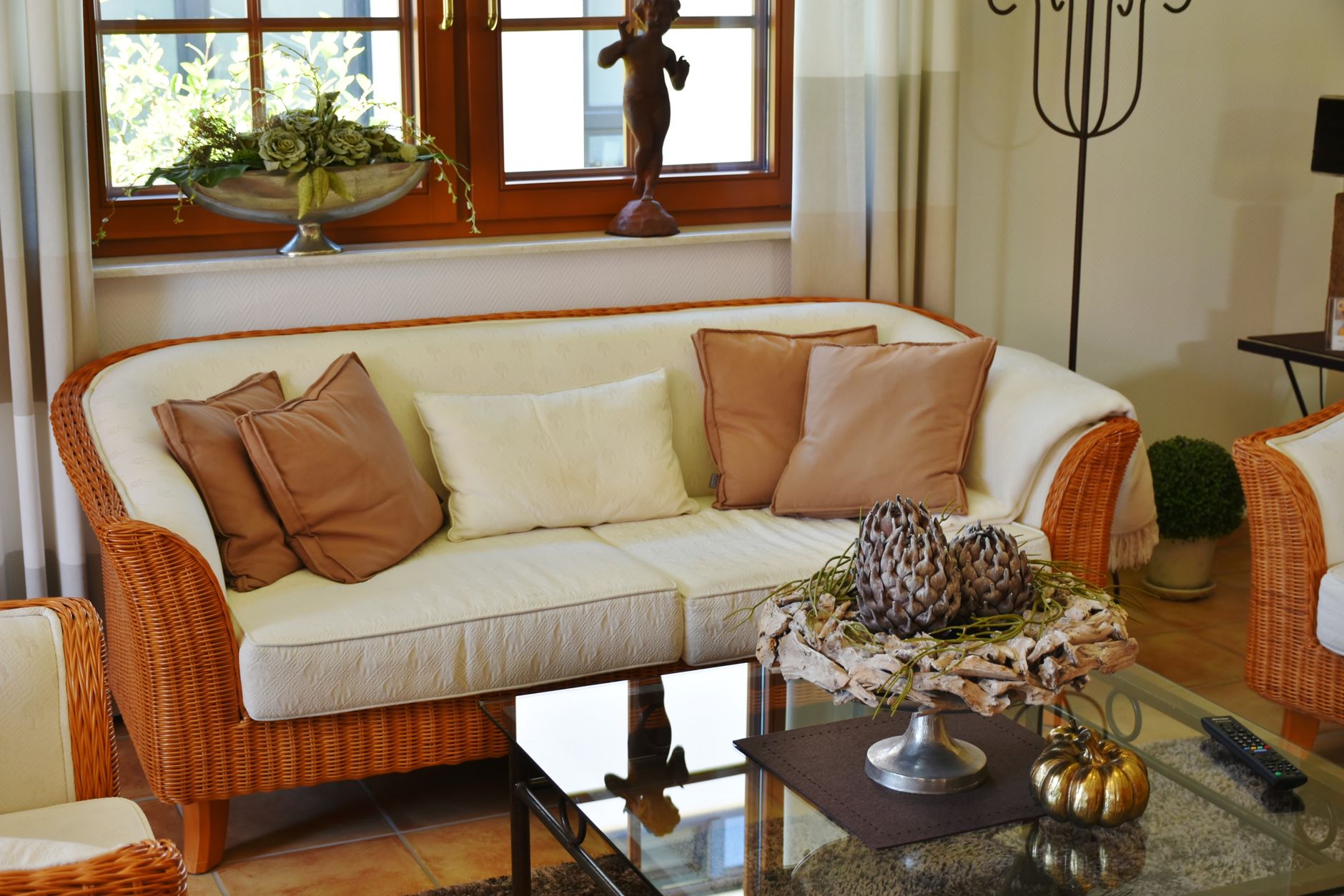
Color alone cannot carry a room — texture is what gives a space richness and tactile appeal. Combining rough and smooth, matte and glossy, natural and synthetic materials keeps the eye moving and prevents a room from feeling flat. A linen sofa paired with velvet cushions, a jute rug beneath a glass coffee table, or a reclaimed wood shelf against a painted brick wall — these contrasts create a sense of depth that photographs cannot fully capture but feels immediately apparent when you walk into a room. Texture mixing is especially powerful in monochromatic or neutral schemes, where variation in surface quality substitutes for variation in hue. For a comprehensive approach to putting these principles into action, explore the interior design principles that will instantly elevate your home.
5. Refresh Rooms With Greenery and Natural Elements
Plants are one of the most affordable and versatile decorating tools available. A single large-leafed plant in an empty corner can transform a sparse room into a lush, lived-in space, while a collection of small succulents on a windowsill adds personality without demanding much care. Beyond living plants, natural elements like stone, wood, rattan, dried botanicals, and linen all bring an organic quality that manufactured materials struggle to replicate. These materials age beautifully, develop patina over time, and connect a space to the natural world in a way that feels grounding and calming. The key is balance — you want nature’s presence to feel effortless, not like a forest has moved in. If you are refreshing a room on a tight timeline, the transformative decorating ideas to refresh every room in 2026 offer quick wins for any budget.
6. Rethink Your Walls With Art and Gallery Arrangements
Bare walls are a missed opportunity, while walls cluttered with mismatched frames are a distraction. The sweet spot is a curated, intentional arrangement that complements the furniture below it and the ceiling height above it. For a gallery wall, lay everything out on the floor first and experiment with composition before you pick up a hammer. Mix different frame sizes and orientations, but keep either the frames or the mat colors consistent to create cohesion. For a single piece of art, the center should hang at eye level — roughly 57 inches from the floor — which is lower than most people intuitively place it. To see how this principle fits into a broader decorating strategy, our piece on easy DIY home decor projects to refresh your space includes several wall-focused ideas you can tackle over a weekend.
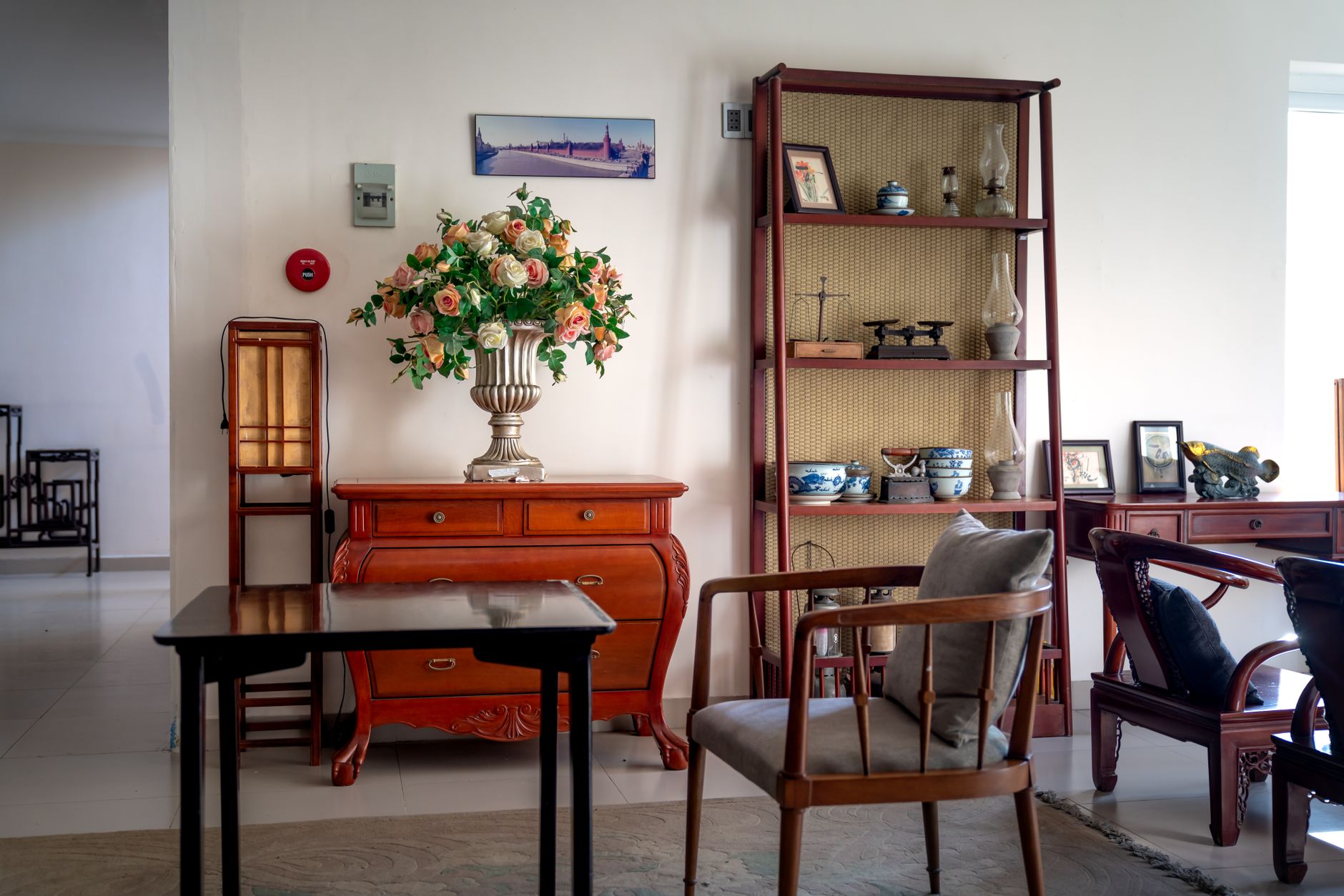
7. Invest in Quality Window Treatments
Curtains and blinds are often an afterthought, but they have an outsized impact on how a room looks and feels. Hanging curtains too low and too short is one of the most common decorating mistakes — instead, mount the rod close to the ceiling and let the fabric pool slightly on the floor to create an illusion of height. The fabric choice matters too: sheer linen panels filter natural light beautifully and make small rooms feel airy, while heavier velvet or blackout curtains add drama and improve acoustics in living rooms and bedrooms. Quality window treatments also signal care and attention to detail in a way that inexpensive substitutes simply cannot match. Pair great window treatments with the interior design tips that transform your living room into a stunning retreat for a complete upgrade.
8. Edit Ruthlessly and Embrace Negative Space
One of the hallmarks of a professionally decorated room is what is not there. Every surface does not need to be filled, and every corner does not need a piece of furniture. Negative space — the breathing room around and between objects — gives the eye somewhere to rest and makes the pieces you do display more impactful. Go through each room and remove one-third of what is currently displayed; you will almost certainly find the space looks more intentional and sophisticated immediately. This is especially important in smaller homes, where clutter makes rooms feel significantly smaller than they are. The principles behind living well in compact spaces are explored in detail in our article on clever small space design ideas to maximize style and function in 2026.
9. Personalize With Meaningful Objects, Not Generic Fillers
The difference between a showroom and a home is the presence of objects that carry personal meaning. A stack of books you have actually read, a ceramic piece you brought back from a trip, a photograph of a moment that made you laugh — these items communicate something true about the people who live in the space. Generic decorative objects bought in bulk to fill shelves rarely achieve this. Instead, buy fewer items and make each one count. Display your interests honestly and trust that a room reflecting genuine taste will always be more compelling than one designed to impress. For inspiration on how to bring your outdoor spaces to life with the same philosophy, explore our guide on stunning outdoor living ideas to transform your patio and backyard.
Final Thoughts
Great home decorating is not about spending the most money or following every trend — it is about making thoughtful, consistent choices that add up to a space that feels uniquely yours. The nine strategies above work whether you are decorating a studio apartment or a sprawling family home, because they are rooted in universal design principles rather than fleeting fashion. Start with one room, apply one idea at a time, and let each small improvement build momentum toward the home you have always wanted. For a deeper dive into the foundational rules that underpin every beautifully decorated space, our guide on interior design principles that will transform any room in your home is the perfect companion to this article.