Living in a small space doesn’t mean sacrificing style, comfort, or functionality. With the right lighting strategy, even the tiniest room can feel open, airy, and beautifully designed. Light is one of the most powerful — and often overlooked — tools in interior design, capable of dramatically transforming how we perceive space. Whether you’re renting a studio apartment or decorating a compact home, these 9 lighting tricks will help you make the most of every square foot.
1. Maximize Natural Light First
Before adding any artificial lighting, assess how much natural light your space receives throughout the day. Remove heavy curtains and replace them with sheer or translucent panels that diffuse sunlight while maintaining privacy. Keep windowsills clear of clutter and position mirrors opposite windows to bounce daylight deeper into the room. As explored in our guide to 7 Color Tricks That Make Small Spaces Look Bigger, strategic use of light and reflection can visually double the perceived size of any room.
2. Layer Your Lighting Sources
A single overhead light creates flat, uninspiring illumination that actually makes small rooms feel smaller. Instead, layer three types of lighting: ambient (general illumination), task (focused light for activities), and accent (decorative highlights). This layered approach creates depth and dimension, making a room feel more expansive. Floor lamps, table lamps, and under-cabinet lights work together to eliminate harsh shadows and create a warm, inviting atmosphere. Our 8 Clever Small Space Living Tips covers how combining light sources transforms a cramped layout into something that feels deliberately designed.
3. Choose Warm-Toned Bulbs Strategically
Color temperature matters enormously in small spaces. Bulbs in the 2700K–3000K range emit a warm, golden light that feels cozy and welcoming without closing a room in. Reserve cooler, daylight-balanced bulbs (4000K–5000K) for task areas like reading nooks or kitchen counters where clarity matters. Mixing warm and cool tones thoughtfully across a space adds visual interest and helps define zones in an open-plan layout. Dimmable bulbs give you full control, letting you shift the mood from bright and energizing to soft and relaxing with a single adjustment.
4. Use Wall Sconces to Free Up Floor Space
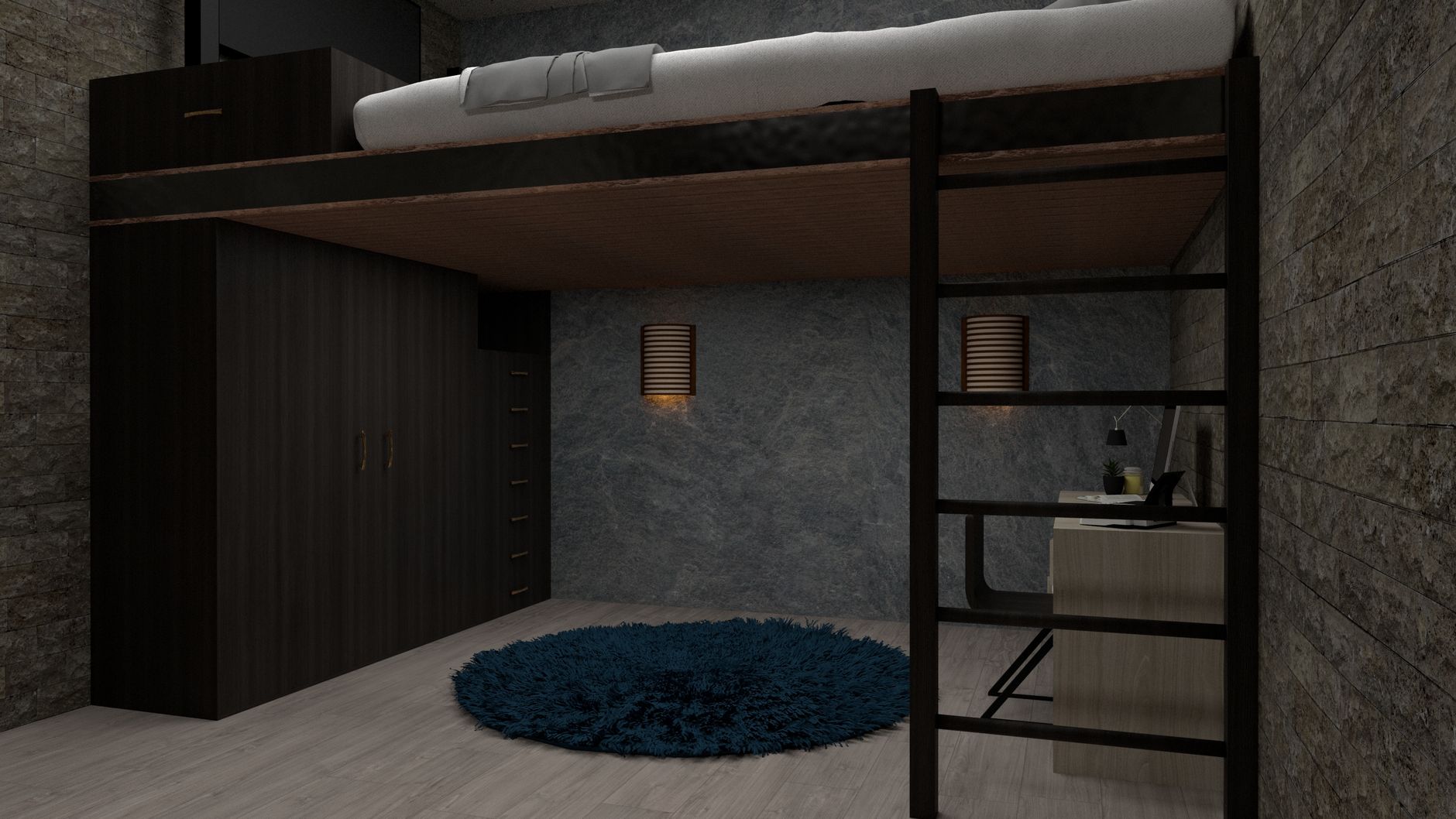
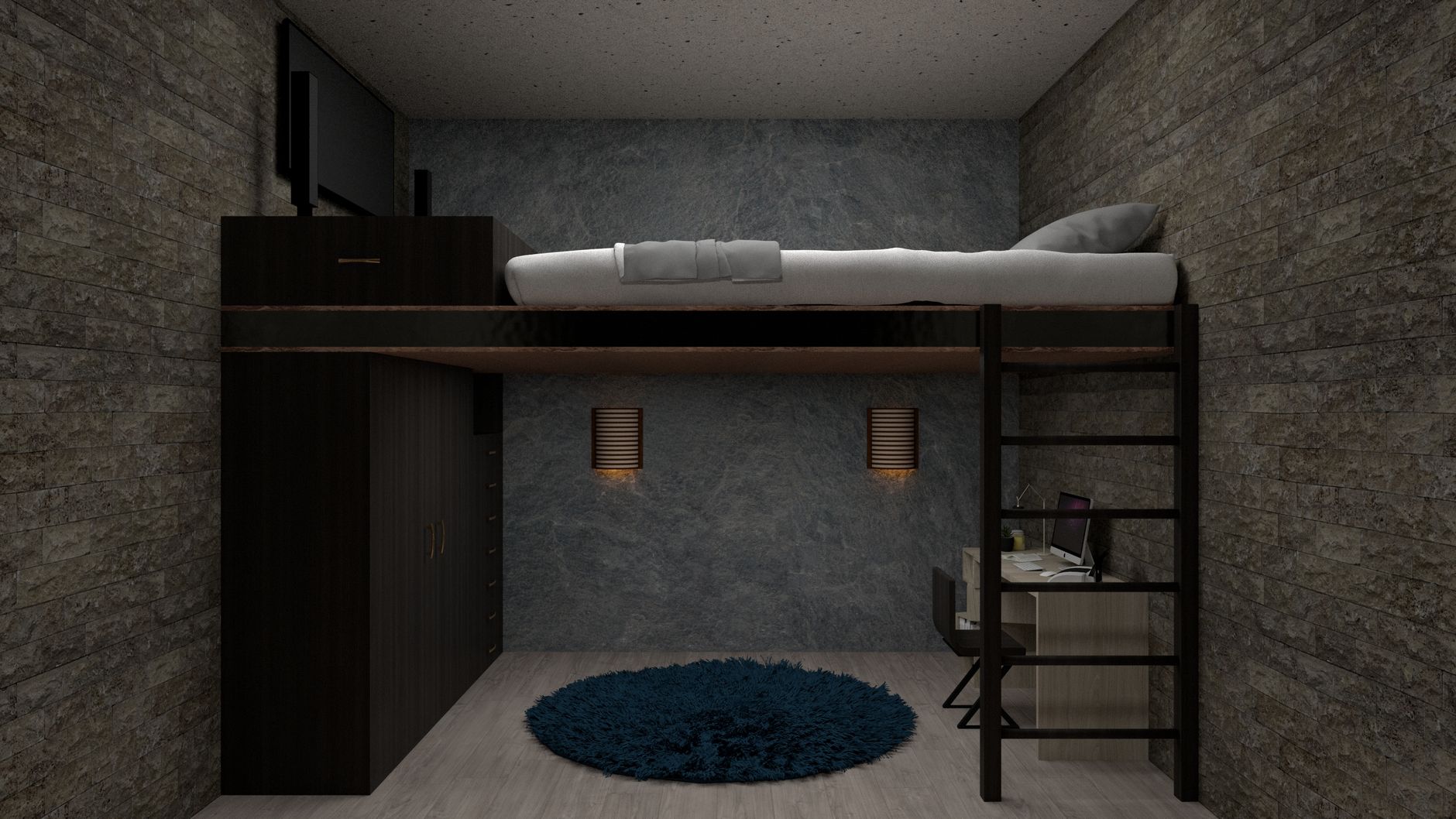
Floor lamps and table lamps eat into valuable floor and surface space in compact rooms. Wall-mounted sconces provide the same ambient or task lighting without occupying any square footage. Installed at eye level on either side of a bed, sofa, or desk, sconces also draw the eye horizontally, making walls appear wider. Swing-arm sconces are particularly versatile — they can be repositioned as your needs change. For small apartments, this is one of the simplest upgrades that immediately feels both practical and polished, as highlighted in 10 Small Space Design Ideas That Make Every Square Foot Count.
5. Install Under-Cabinet and Toe-Kick Lighting
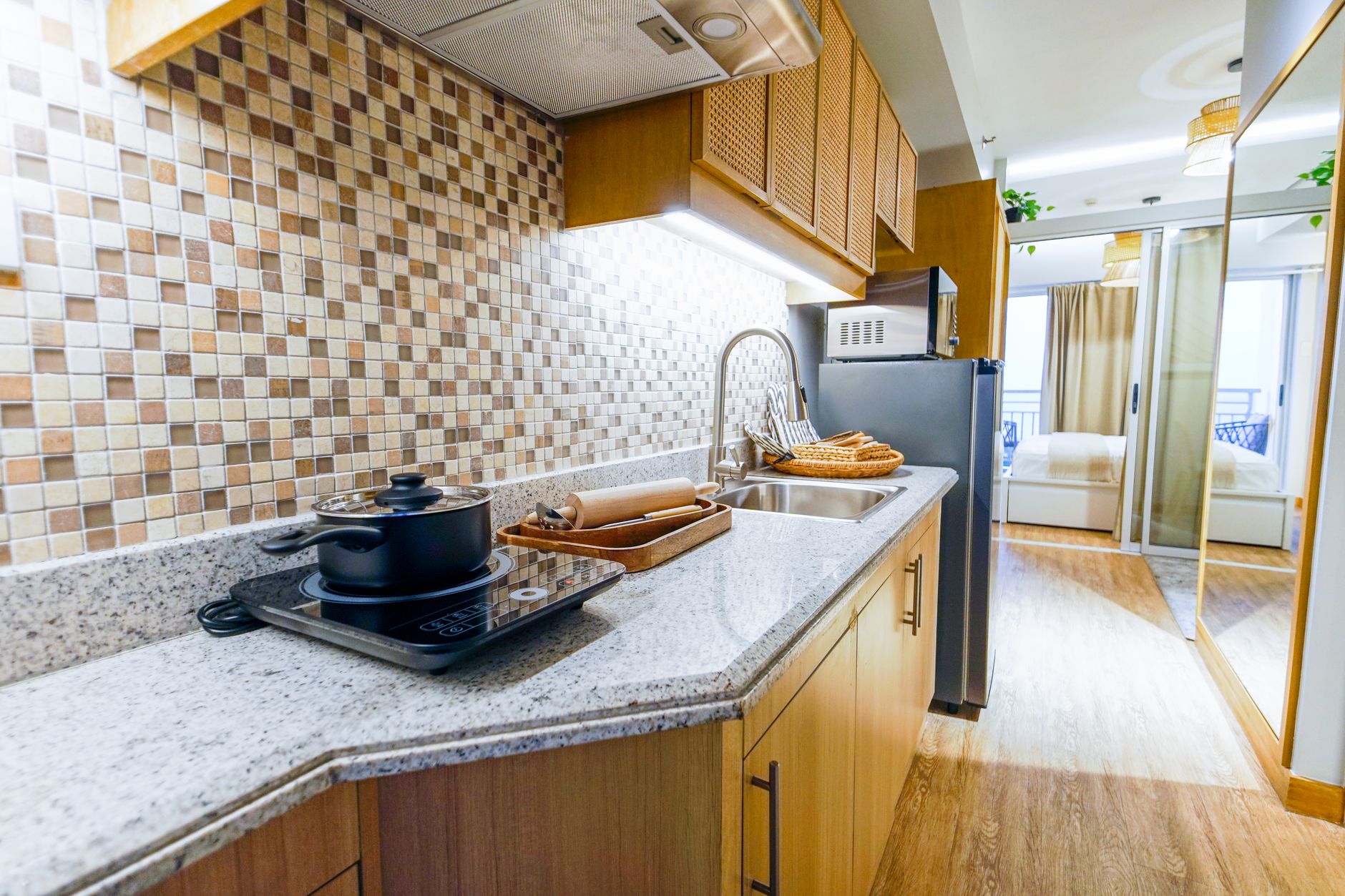
Hidden lighting beneath kitchen cabinets, bookshelves, and even bed frames creates the illusion that furniture is floating, which visually lightens the room. Toe-kick lighting along the base of cabinetry adds a soft glow at floor level that elongates the room and creates a sense of depth. LED strip lights are inexpensive, easy to install, and consume minimal energy. In bathrooms, under-vanity lighting eliminates the harsh shadows cast by overhead fixtures and gives the space a spa-like quality. This technique pairs beautifully with the 9 Smart Storage Solutions for Small Spaces to create a seamless, clutter-free look.
6. Hang Pendant Lights Low Over Key Areas
In small spaces, pendant lights serve a dual purpose: they provide focused illumination and act as sculptural design elements that draw the eye upward, creating the perception of height. Hanging a pendant low over a dining table or kitchen island grounds the area and defines it as a distinct zone within an open-plan layout. Choose pendants with open or translucent shades to allow light to diffuse widely. A cluster of small pendants at varying heights adds drama without overwhelming a compact ceiling. The 9 Multifunctional Furniture Ideas for Small Spaces show how vertical elements like pendant lights can make a room feel taller.
7. Embrace Recessed and Track Lighting
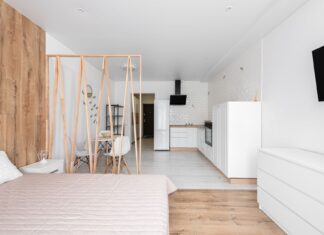
Recessed lighting sits flush with the ceiling, preserving visual headroom and making low ceilings feel higher. It’s ideal for small entryways, hallways, and bathrooms where a hanging fixture would feel intrusive. Track lighting offers flexibility: individual heads can be directed toward artwork, shelving, or dark corners that standard fixtures miss. Both options eliminate the visual clutter of multiple fixtures and cords, contributing to the clean, uncluttered aesthetic that makes small spaces feel intentional rather than cramped. When paired with the minimalist approach seen in a Airy and Minimalistic One-Room Apartment, recessed lighting becomes an invisible workhorse.
8. Use Mirrors and Reflective Surfaces to Amplify Light
Mirrors are the classic trick for making small rooms feel larger, but their relationship with light is often underestimated. Placing a large mirror directly across from a light source — whether a window, sconce, or floor lamp — effectively doubles the luminosity in the room. Mirrored furniture, metallic accents, and glossy surfaces like lacquered cabinetry or polished tiles also catch and reflect light throughout the space. Even small decorative mirrors grouped on a wall can brighten a dark corner. This reflective strategy works hand in hand with our favorite 8 Brilliant Small Space Ideas to open up compact rooms.
9. Control Light With Smart Dimmers and Timers
Smart lighting systems give you precise control over the intensity and color temperature of every light in your home. With a simple app or voice command, you can shift from bright task lighting in the morning to warm, dimmed ambient light in the evening. Dimmers are especially valuable in small spaces because they allow one room to serve multiple functions across the day. Timers and motion sensors add convenience while ensuring lights are never left on unnecessarily. Smart bulbs that gradually shift from cool to warm throughout the day also support your natural circadian rhythm, making your small space not just look better, but feel better to live in.
Final Thoughts
Great lighting is the difference between a small space that feels confined and one that feels curated and comfortable. By combining natural light, layered fixtures, strategic placement, and smart controls, you can transform any compact room into a space that feels open, functional, and beautifully lit. Start with one or two of these tricks and observe the immediate difference — you’ll quickly discover that in small-space design, light is your most powerful tool of all.