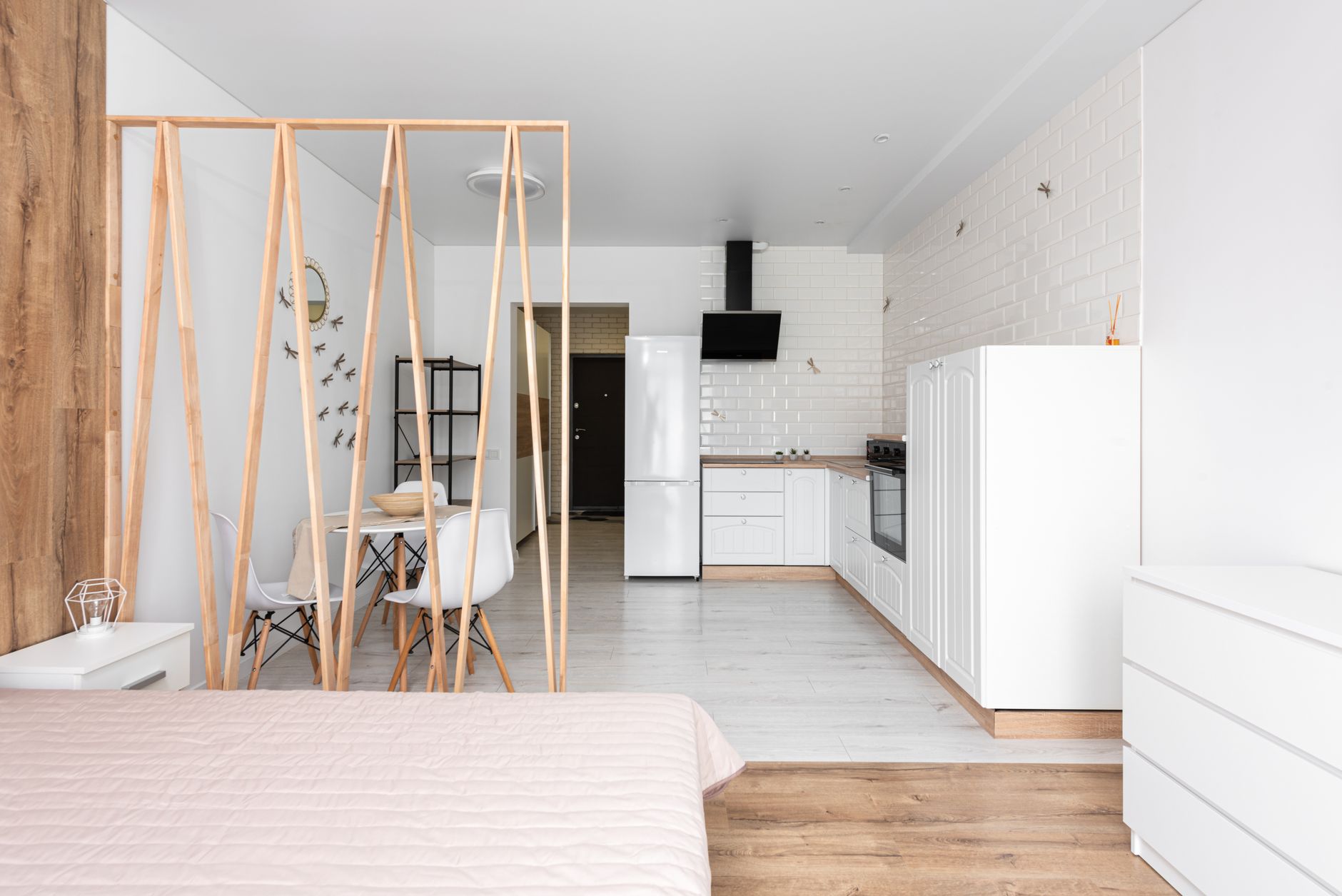
Living in a small space doesn’t mean you have to sacrifice style, comfort, or functionality. With the right approach to layout, color, furniture, and storage, even the tiniest apartment or studio can feel open, organized, and genuinely livable. Whether you’re a first-time renter, a city dweller, or simply trying to make the most of a compact home, these 8 clever small space living tips will help you transform your space into something you love coming home to.
1. Embrace a Light and Neutral Color Palette
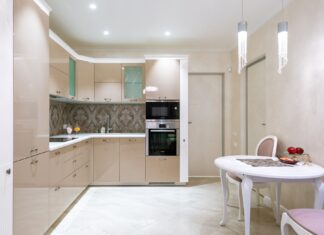
Color has an enormous impact on how large or small a room feels. Light shades — think soft whites, warm creams, pale grays, and muted sage greens — reflect more natural light and visually push walls outward. Painting your ceiling the same shade as your walls creates an uninterrupted visual flow that adds perceived height to a room. If you crave a pop of personality, use bold colors as accents in pillows, art, or a single statement wall rather than throughout the entire space.
2. Choose Furniture That Doubles as Storage
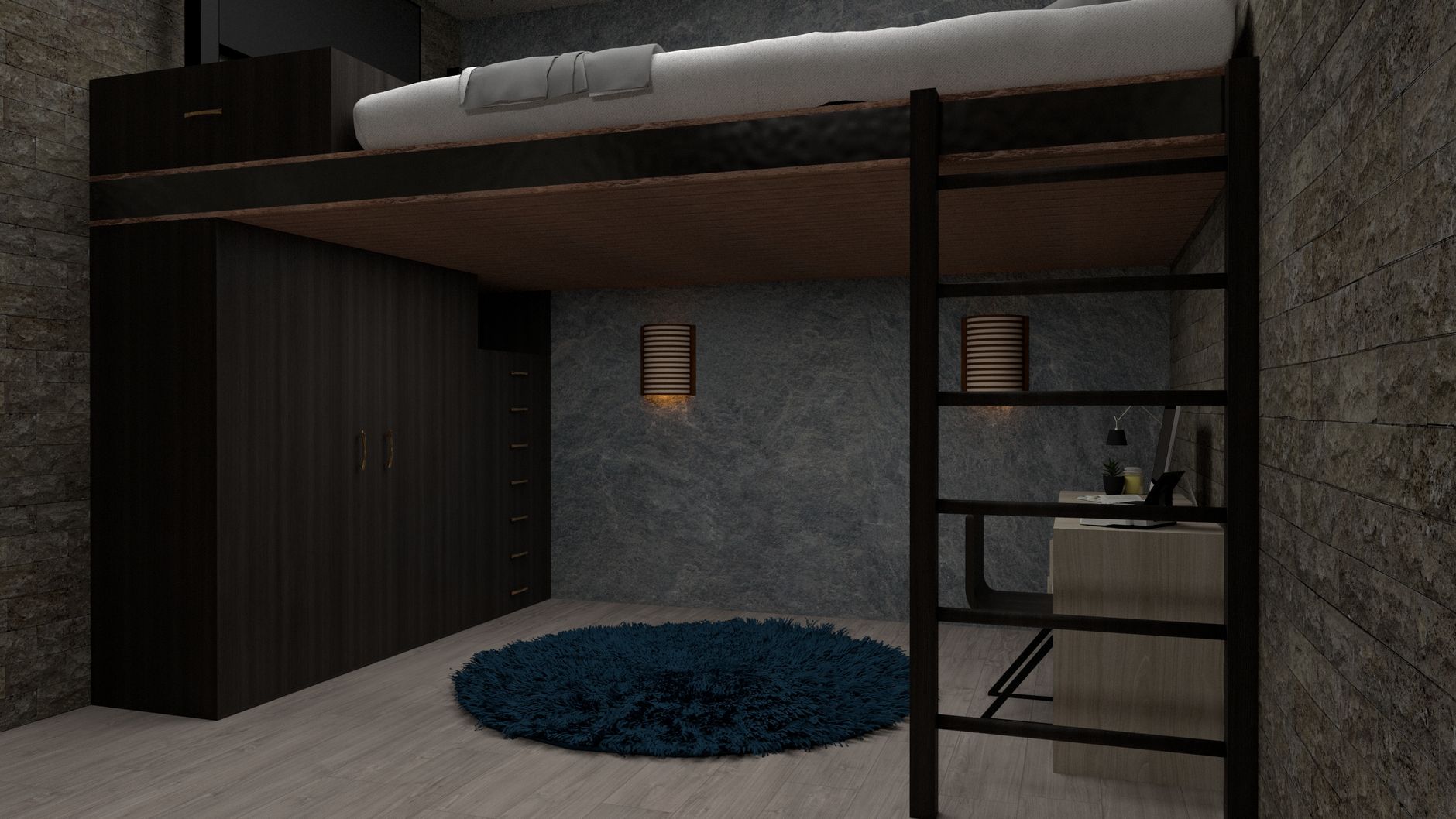
Multifunctional furniture is the cornerstone of smart small space living. An ottoman with a hidden compartment, a bed frame with built-in drawers, or a dining table that folds against the wall all serve double duty without eating up precious floor area. When shopping for pieces, always ask: does this furniture serve more than one purpose? For more inspiration on this approach, check out 9 Multifunctional Furniture Ideas That Transform Small Spaces in 2026. Investing in quality multipurpose pieces upfront will save you space — and money — in the long run.
3. Use Vertical Space to Your Advantage
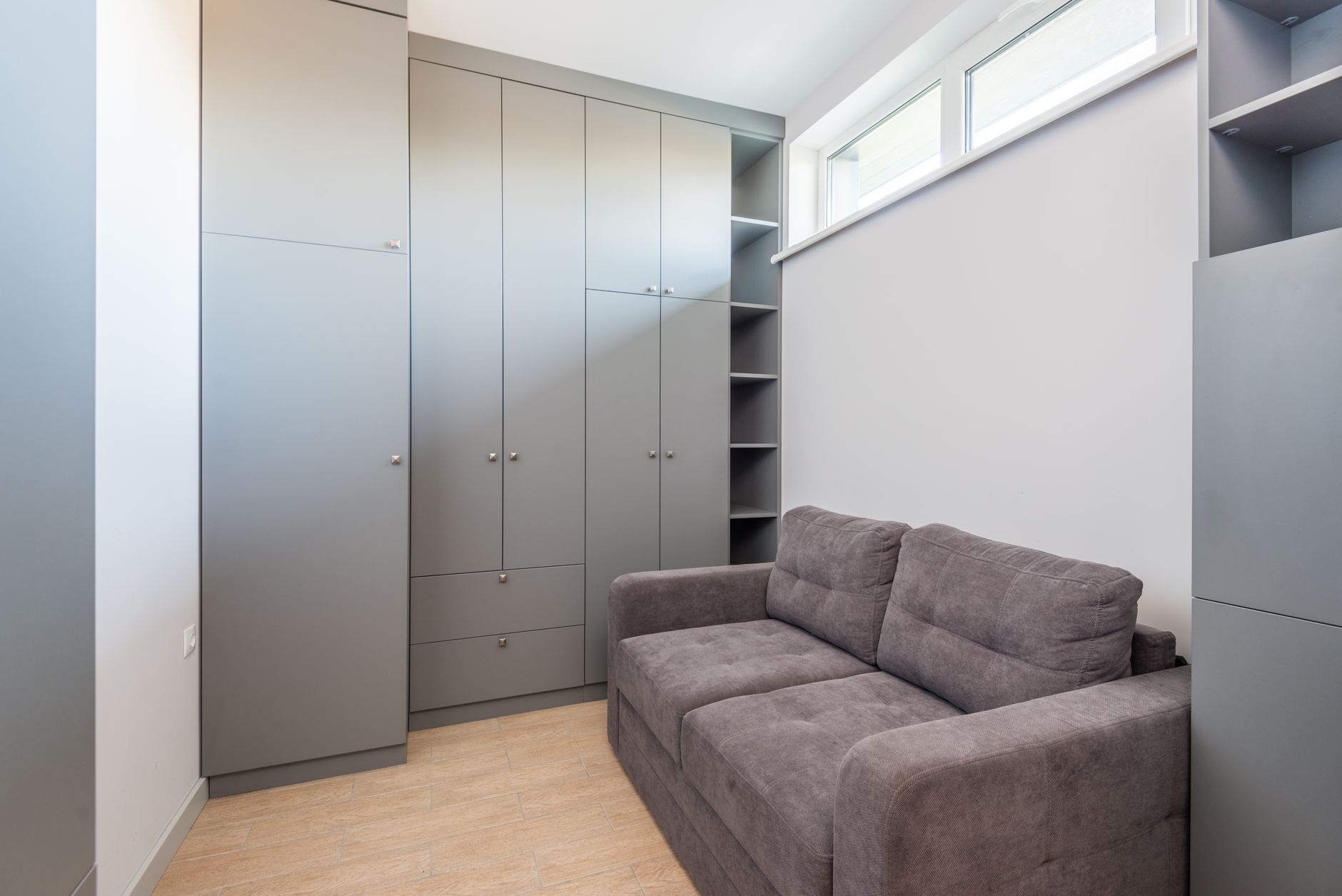
Most people think horizontally when decorating, but in a small space the walls above eye level are some of the most underused real estate in the home. Floor-to-ceiling shelving units, tall bookcases, and wall-mounted cabinets draw the eye upward and keep the floor clear. Hanging plants, floating shelves, and pegboard systems in the kitchen or home office area are equally effective. As noted in our guide on 8 Clever Small Space Design Tricks That Make Any Room Feel Larger, going vertical is one of the easiest wins in small space design.
4. Let Natural Light Flow Freely
Natural light is the single most powerful tool for making a small room feel bigger. Avoid heavy drapes that block windows — instead, opt for sheer curtains, Roman shades, or simply leaving windows bare if privacy allows. Mirrors placed opposite windows effectively double the amount of light in a room and create the illusion of a second window. Our roundup of 8 Small Space Living Ideas That Make Your Home Feel Bigger and Brighter goes deeper into how light transforms compact interiors. Even a well-placed lamp can make a dark corner feel inviting rather than cramped.
5. Define Zones in an Open-Plan Layout
Studio apartments and open-plan spaces present a unique challenge: how do you create a sense of distinct rooms without walls? The answer lies in layering — using rugs, lighting, furniture arrangement, and subtle color shifts to carve out a sleeping zone, a living area, and a workspace. A bookshelf or a sofa positioned with its back to the sleeping area creates a visual divider without physically blocking light or airflow. For a deeper look at making zones work beautifully, explore 10 Small Space Design Ideas That Make Every Square Foot Count. Consistent flooring throughout ties the zones together and prevents the space from feeling choppy.
6. Declutter Ruthlessly and Often
No amount of clever design can compensate for too much stuff. In a small space, clutter is amplified — every out-of-place item visually shrinks the room. Adopt the habit of a monthly declutter pass: if something hasn’t been used in three months and doesn’t hold sentimental value, it probably doesn’t belong in a compact home. Use the “one in, one out” rule when buying new items. Smart organization strategies outlined in 9 Smart Storage Solutions That Will Transform Your Small Space in 2026 can help you keep clutter at bay long-term. A tidy, intentional space always feels larger than a full one.
7. Scale Furniture to Fit the Room
Oversized furniture is one of the most common mistakes in small space decorating. A massive sectional sofa may look wonderful in a showroom, but in a 400-square-foot apartment it dominates everything. Choose furniture scaled to your actual room dimensions: a loveseat instead of a full sofa, a round dining table instead of a rectangular one, or a slim-profile desk instead of a sprawling workstation. Building a personal space that works for you always starts with choosing the right proportions. Leaving breathing room around furniture also makes movement feel natural and spacious.
8. Personalize Without Overwhelming
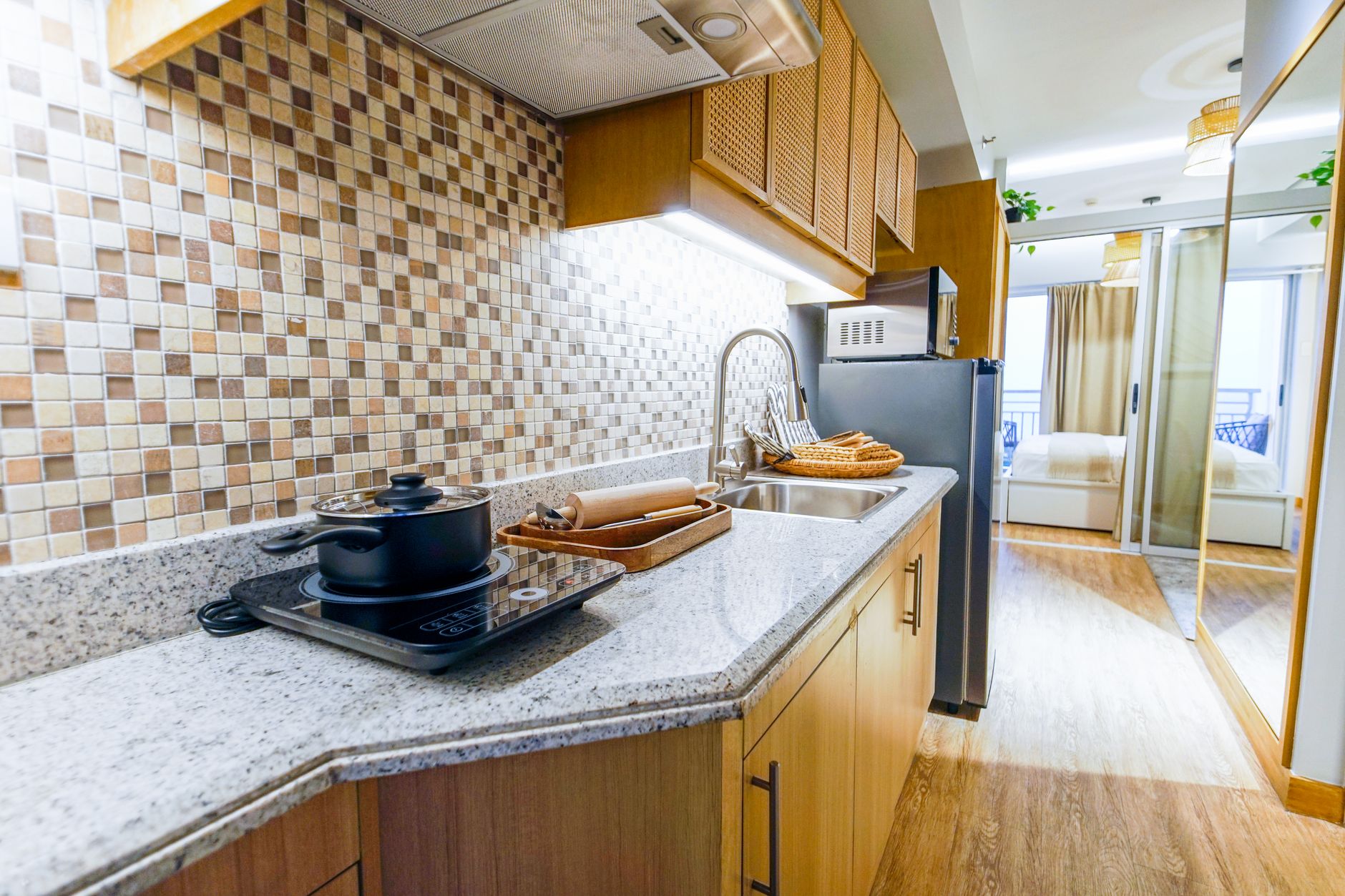
Small spaces can absolutely reflect your personality — the key is curation over accumulation. Choose a handful of meaningful art pieces, a signature plant, or a bold rug that expresses your style, and let those pieces do the talking. A gallery wall of tightly grouped frames looks intentional and interesting; the same number of frames scattered randomly looks cluttered. For broader creative direction, our article on 10 Genius Small Space Design Ideas to Transform Your Tiny Home in 2026 is full of ideas for adding character without compromising space. Less really is more when it comes to decorating a compact home with impact.
Final Thoughts
Mastering small space living is ultimately about being intentional — with your furniture choices, your color decisions, your storage solutions, and what you choose to keep or let go. Every square foot is an opportunity when you approach it thoughtfully. The eight strategies above — from embracing light colors and vertical storage to scaling furniture and defining zones — give you a practical toolkit for turning any compact space into a comfortable, stylish home. Start with one or two changes and build from there; you’ll be surprised how dramatically a small space can evolve with focused effort.