Living in a small space doesn’t mean you have to sacrifice style or comfort. With the right design strategies, even the tiniest room can feel open, airy, and beautifully functional. Whether you’re in a studio apartment, a compact urban home, or simply working with a challenging room layout, these eight clever tricks will help you unlock the full potential of every square foot.
1. Embrace Light Colors and Reflective Surfaces
Light hues are one of the most powerful tools in small space design. Painting walls in soft whites, pale grays, or gentle pastels reflects natural light and makes walls appear to recede, giving the room an instant sense of spaciousness. Complement your color palette with mirrors and glossy surfaces — a large wall mirror can effectively double the visual depth of a room. For more inspiration on choosing the right palette, check out these 10 Transformative Decorating Ideas to Refresh Every Room in 2026.
2. Choose Multi-Functional Furniture
In a small space, every piece of furniture should work overtime. A storage ottoman serves as a coffee table, extra seating, and a hidden organizer all at once. Murphy beds fold away to reveal a home office or living area during the day. Dining tables that double as desks and sofas with built-in storage are equally valuable. The key is to think vertically and beyond — each item you bring in should serve at least two purposes. If you need fresh ideas on how to outfit your compact home, explore these 10 Genius Small Space Design Ideas to Transform Your Tiny Home in 2026.
3. Use Vertical Space Wisely
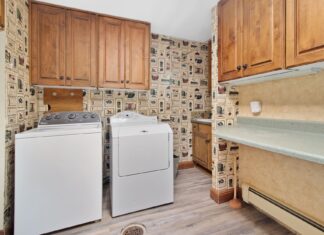
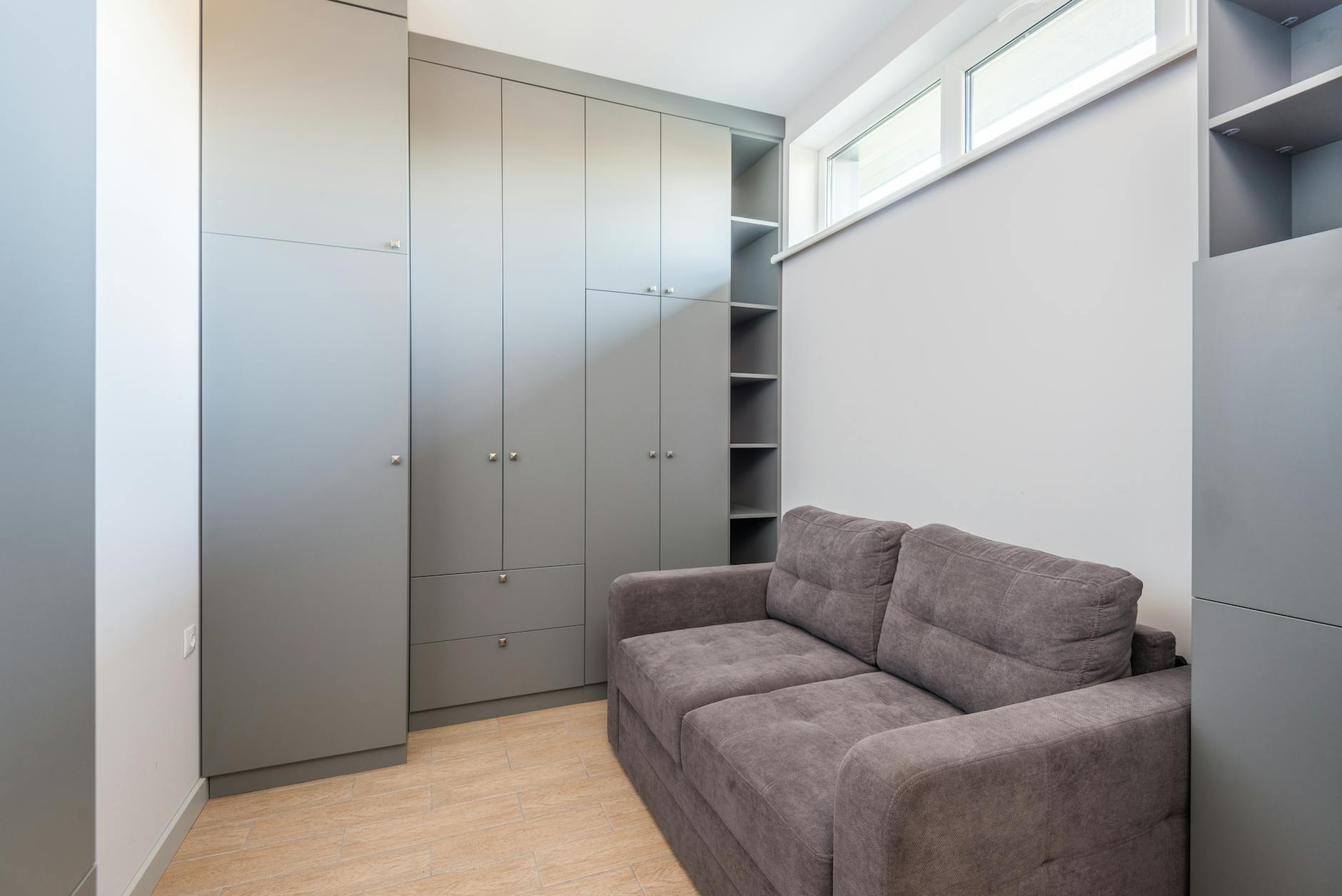
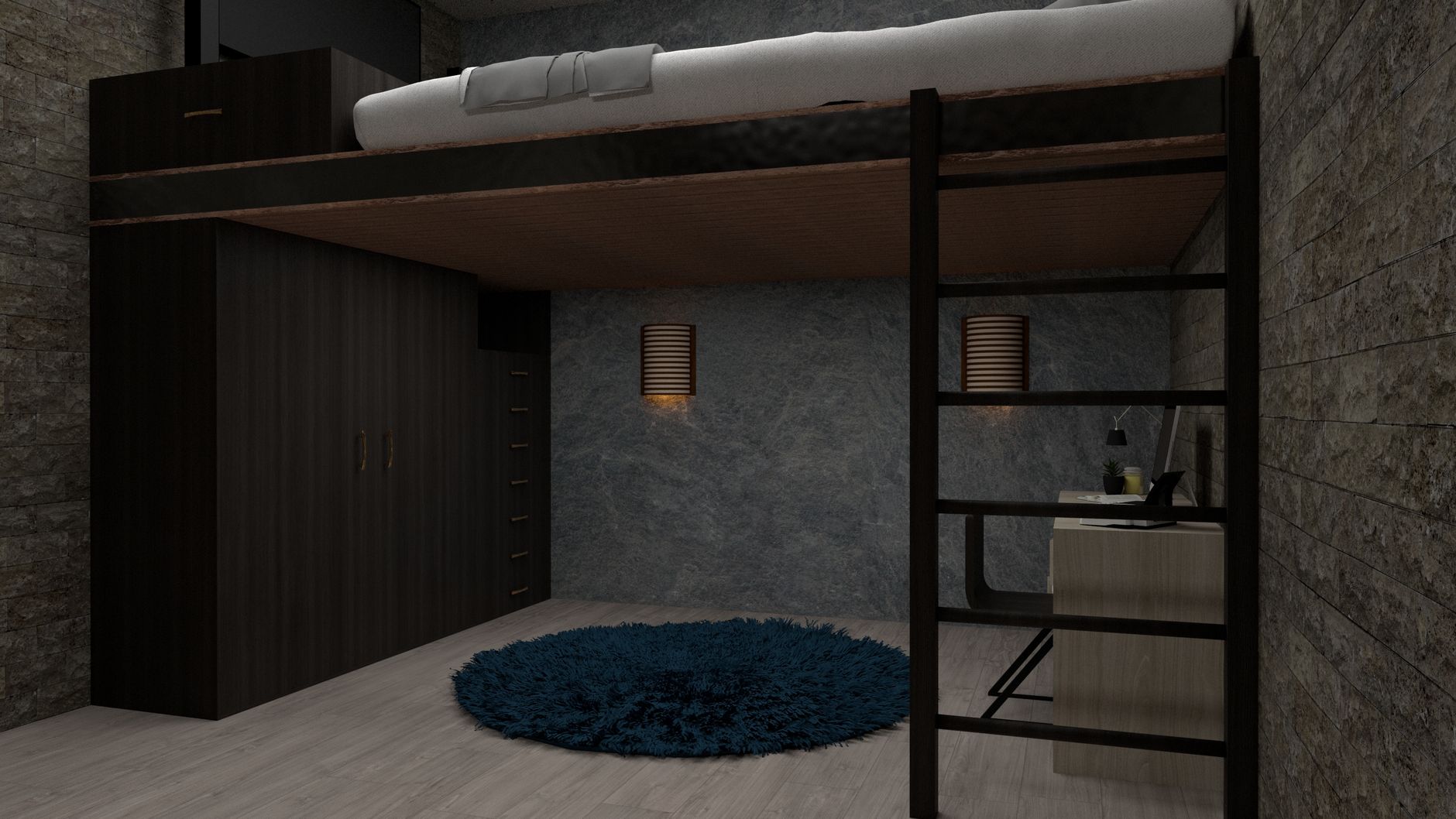
Most people focus on floor space, but walls offer a huge untapped resource. Floor-to-ceiling bookshelves draw the eye upward and create a sense of height. Floating shelves keep surfaces clear while providing ample storage for books, plants, and decorative objects. Installing cabinets all the way to the ceiling — rather than leaving a gap — eliminates dead space and provides extra storage. Tall, narrow pieces of furniture also work well in compact rooms by adding storage without consuming precious floor area. Don’t overlook the back of doors, either — over-door organizers are a discreet and highly efficient storage solution. For more smart approaches, see 9 Smart Storage Solutions That Will Transform Your Small Space in 2026.
4. Define Zones with Rugs and Lighting
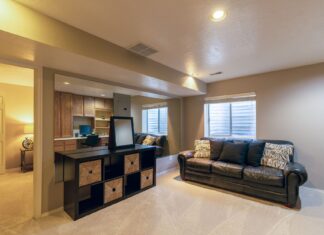
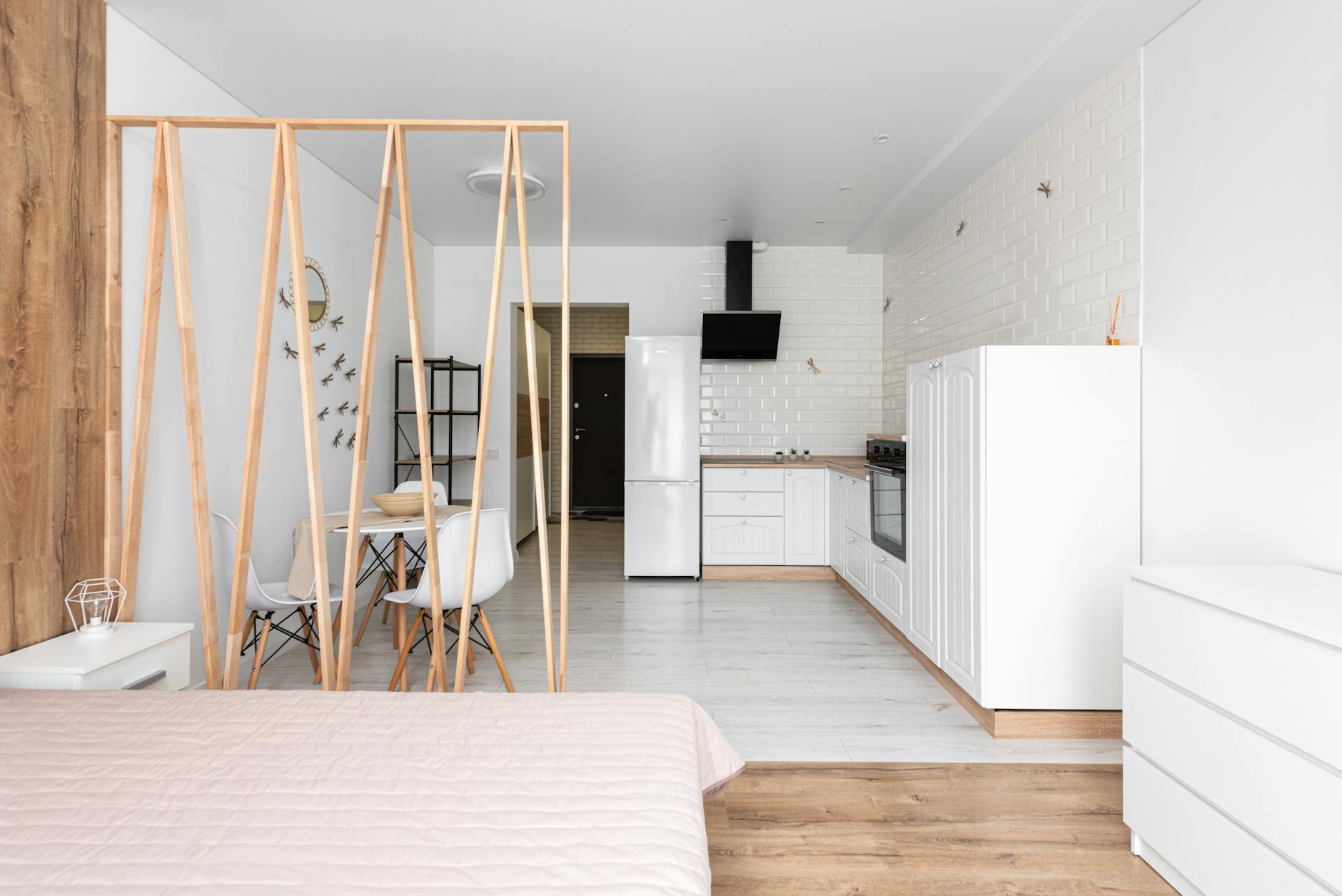
Open-plan small spaces benefit enormously from clearly defined zones. A well-placed area rug anchors a seating arrangement and visually separates the living area from a dining or sleeping zone without the need for walls or dividers. Pendant lights over a dining table or a floor lamp beside a reading chair serve the same purpose — they signal “this area has a dedicated function.” Zoning creates order and makes a small space feel intentional rather than cramped. Lighting layers also add warmth and dimension, making a compact room feel cozy rather than confined. Browse 10 Clever Small Space Design Ideas to Maximize Style and Function in 2026 for more zone-defining techniques.
5. Declutter Ruthlessly and Organize Intentionally
No design trick can overcome clutter. In a small space, every item on display competes for visual real estate, so keeping surfaces clear is essential. Adopt a “one in, one out” rule to prevent accumulation, and invest in smart organizers — drawer dividers, labeled bins, and stackable containers — to keep storage areas tidy. When everything has a designated home, the space feels larger and calmer. Minimalism doesn’t mean living without personality; it means curating what you display so the room reflects your style without feeling overwhelmed. For a practical approach to organizing, see 9 Smart Ways to Decorate and Organize Small Spaces Without Sacrificing Style.
6. Maximize Natural Light
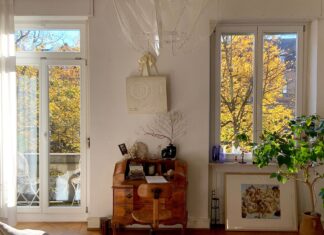
Natural light is one of the most effective ways to expand the perceived size of a room. Keep window treatments minimal — sheer curtains or simple roller blinds let in maximum daylight while maintaining privacy. If possible, avoid blocking windows with tall furniture. Skylights and glass doors are worth considering during renovations, as they flood a space with light from unexpected angles. Even strategically placed mirrors opposite windows can amplify incoming light throughout the day. For those considering a larger refresh, 8 Small Space Living Ideas That Make Your Home Feel Bigger and Brighter offers excellent guidance.
7. Opt for Streamlined, Low-Profile Furniture
Bulky, heavy furniture visually weighs down a small room. Instead, look for pieces with exposed legs — sofas, chairs, and beds raised off the floor create a sense of airflow and openness. Low-profile furniture keeps sightlines clear, making a room feel more expansive at eye level. Transparent materials like acrylic or glass also help; a clear coffee table or ghost chair takes up almost no visual space. When shopping for a compact living area, prioritize scale — a sofa that’s proportioned to the room will always look better than an oversized sectional that dominates the space. Discover more layout ideas in this inspiring guide: 10 Transformative Decorating Ideas to Refresh Every Room in 2026.
8. Add Personality with Strategic Decor Accents
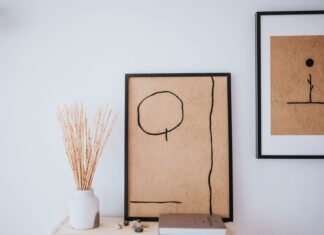
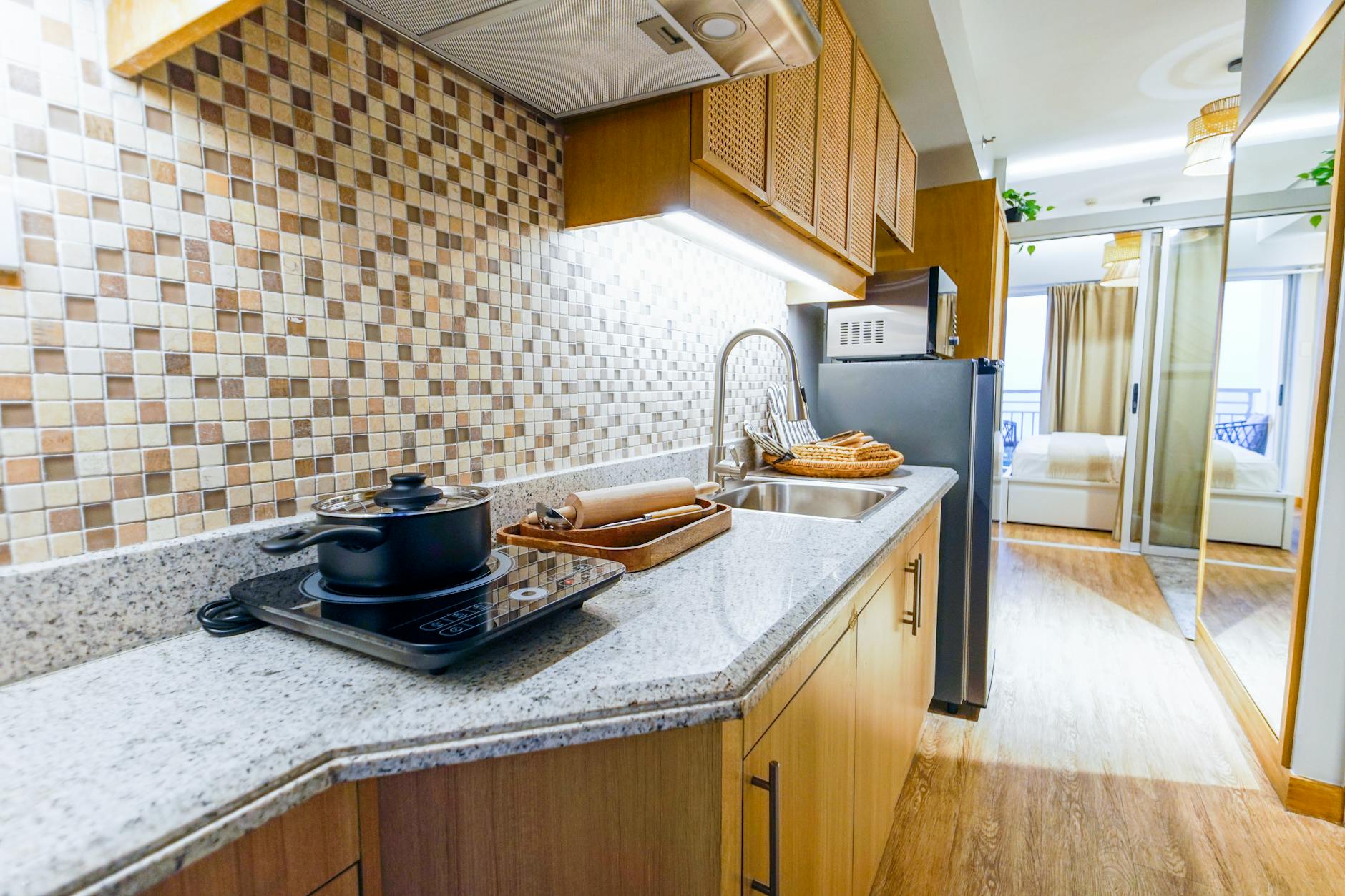
Small spaces thrive with purposeful decoration rather than excessive accessories. Choose a few statement pieces — a bold piece of wall art, a sculptural lamp, or a lush potted plant — and let them do the heavy lifting. Layering textures (a woven throw, velvet cushions, a jute rug) adds warmth and depth without cluttering surfaces. Plants in particular are excellent for small spaces: they bring life and color while improving air quality, and they take up very little floor space when hung or placed on shelves. For seasonal refresh ideas, explore 12 Easy DIY Home Decor Projects to Refresh Your Space This Spring 2026.
Final Thoughts
Small spaces call for creativity, intentionality, and a willingness to rethink conventional design rules. By combining light colors, smart furniture choices, vertical storage, and thoughtful zoning, you can transform even the most compact room into a space that feels generous, stylish, and deeply livable. Remember: great design isn’t about how much room you have — it’s about how intelligently you use what you’ve got. Start with one or two of these tricks and see how quickly your small space begins to feel like a much bigger home.