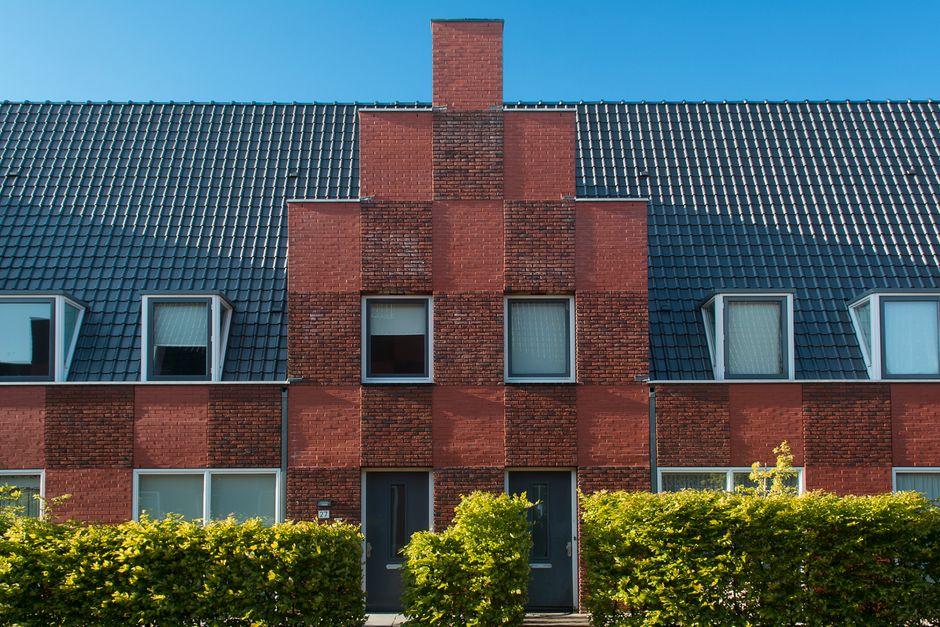
Curb appeal is not an accident. The homes that stop you mid-walk are almost always the result of deliberate architectural choices — a roofline that balances the facade, materials chosen to age well, or an entryway that draws the eye without shouting for attention. You don’t need a full renovation to borrow these principles; understanding what makes a facade work is the first step to improving your own. These are the details worth studying, whether you’re planning new construction, a remodel, or simply want to appreciate good design when you see it, much like the ideas explored in 9 Modern Architecture Styles That Are Completely Transforming Homes in 2026.
The Power of a Well-Proportioned Roofline
A roofline sets the tone for everything below it, and proportion matters more than style. A roof that’s too steep can make a modest home feel top-heavy, while one that’s too shallow can flatten an otherwise interesting facade. Architects often use the roof pitch to echo the surrounding landscape or neighboring homes, creating a sense of belonging rather than competition. If you’re evaluating a home’s exterior, start by asking whether the roofline feels balanced against the width and height of the structure beneath it — the answer usually explains why a house does or doesn’t “read” as attractive.
Facade Materials That Age Gracefully
Brick, natural stone, and wood siding all weather differently, and the best facades are designed with that aging process in mind rather than fighting it. A material that develops a patina over time — like copper detailing or cedar shingles — can make a home look more distinguished a decade after construction, not less. This is one of the ideas covered in 10 Architecture Innovations That Will Redefine How We Live in 2026, where sustainable materials are chosen as much for their long-term character as their upfront appearance. When choosing exterior materials, prioritize how they’ll look in fifteen years, not just on installation day.
Windows as Architectural Focal Points
Windows do more than let in light; their placement, shape, and rhythm across a facade create the visual structure that holds a design together. Large, uninterrupted panes of glass signal a contemporary sensibility, while smaller, evenly spaced windows suggest a more traditional approach. Mixing window sizes without a clear hierarchy is one of the fastest ways to make a facade feel chaotic, so successful designs usually repeat one or two window proportions throughout the elevation. Pay attention to how windows align vertically and horizontally — that alignment is often what separates a polished exterior from an amateur one.
Entryway Details That Make a Statement
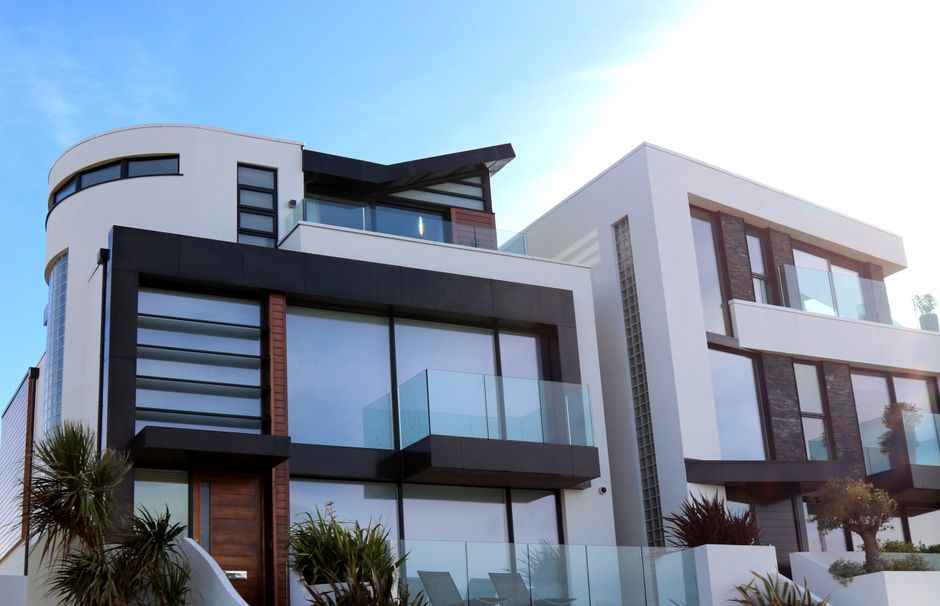
The front door is the single most photographed element of any home’s exterior, and it deserves proportional attention. A recessed entry with a covered portico creates depth and shadow that flat facades lack, while oversized door hardware and a well-scaled transom window can elevate even a modest doorway. Landscaping and pathway materials should lead the eye toward the entrance rather than distracting from it. These entryway principles pair well with the interior-focused advice in 10 Home Design Ideas That Will Transform Every Room in Your House, since a strong entrance sets expectations for what’s inside.
Balancing Symmetry and Asymmetry
Strict symmetry reads as formal and traditional, while intentional asymmetry feels modern and dynamic — but only when it’s controlled. Asymmetrical facades still need visual weight distributed evenly, whether through material contrast, a strategically placed chimney, or a shifted roofline that counterbalances an offset entry. Homes that fail here usually have asymmetry that looks accidental rather than designed. Study a facade for long enough and you’ll notice the architect balanced every irregular element with something equally weighted elsewhere on the elevation, a concept also explored in 8 Modern Architecture Trends Shaping the Homes of Tomorrow.
Outdoor Lighting as an Architectural Tool
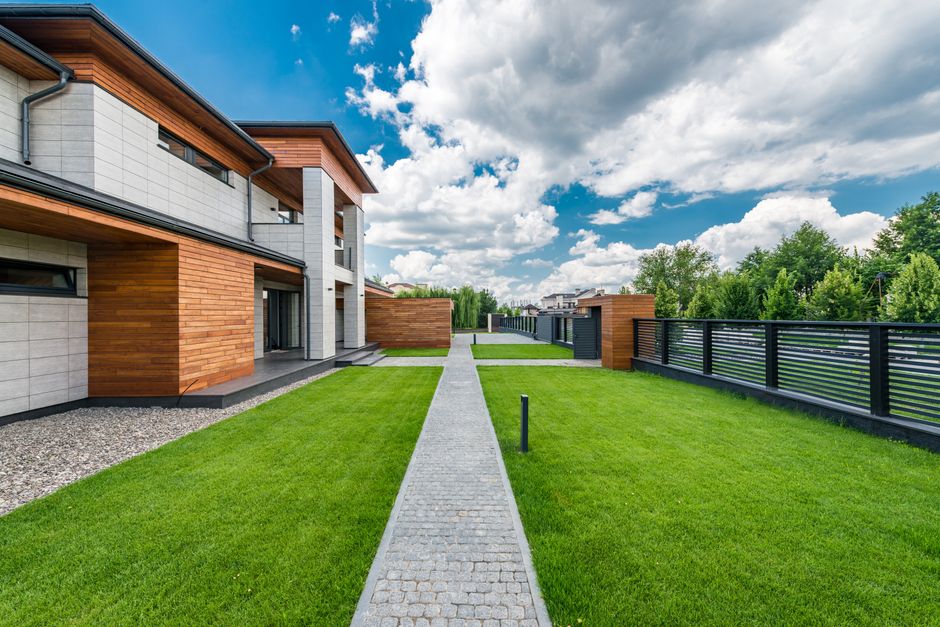
Good exterior lighting doesn’t just illuminate a home after dark — it redraws the architecture entirely. Uplighting on textured stone or brick emphasizes material depth, while soft wash lighting along a roofline can make proportions feel more generous at night than they do in daylight. The goal is to highlight architectural features intentionally rather than flooding the whole facade with uniform brightness, which flattens the very details you want to showcase. Many of the eco-conscious builders featured in Advantages of Eco-Friendly Construction now pair low-energy LED fixtures with this kind of layered lighting design.
Landscaping That Complements the Architecture
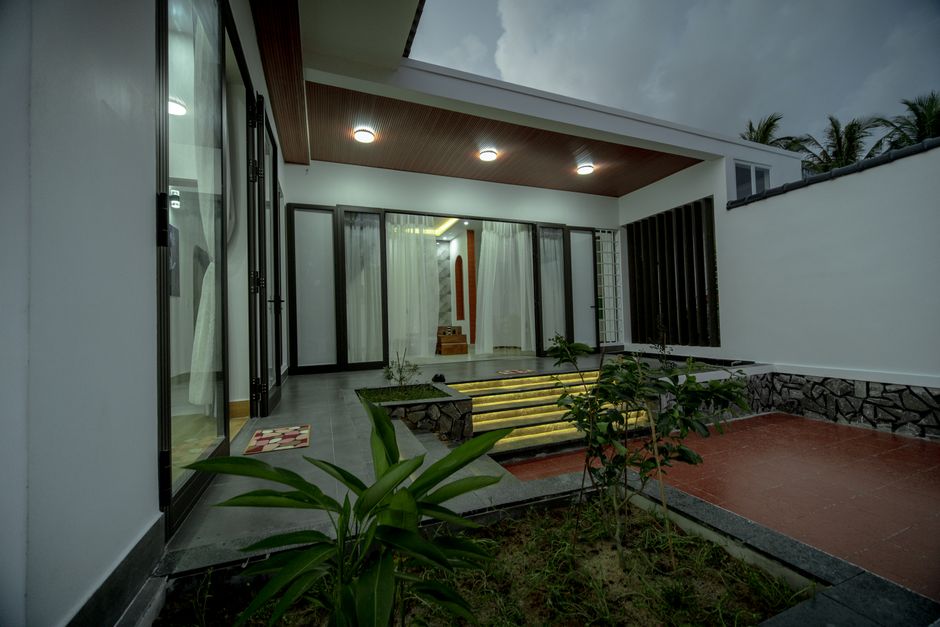
Plantings and hardscaping should reinforce a home’s architectural lines, not compete with them. Formal, clipped hedges suit symmetrical facades, while looser, naturalistic planting beds work better against contemporary asymmetrical designs. Pathway materials, retaining walls, and even mailbox design should echo the materials used on the house itself for a cohesive result. This same principle of letting the structure guide every decision shows up throughout 8 Home Design Principles That Will Transform Every Room in Your House, where interior choices are similarly driven by the bones of the space.
Final Thoughts
None of these details work in isolation — a striking roofline means little if the windows are misaligned, and premium materials can’t save a facade with no sense of proportion. The homes with lasting curb appeal are the ones where every architectural decision supports the others, from the pitch of the roof down to the lighting fixtures by the front door. Whether you’re building new or simply reassessing your home’s exterior, use these seven principles as a checklist, and revisit 7 Iconic Architectural Trends Redefining Modern Homes in 2026 for more inspiration on where residential design is headed next.