The way we build our homes is changing rapidly. From biophilic facades to net-zero energy envelopes, modern architecture is responding to environmental demands, technological breakthroughs, and shifting ideas about how people want to live. Whether you are planning a new build, renovating an existing property, or simply fascinated by the built environment, these ten architectural innovations will reshape everything you thought you knew about residential design.
1. Biophilic Design: Bringing Nature Indoors and Out
Biophilic architecture goes far beyond placing a plant on a windowsill. It integrates living walls, roof gardens, natural timber, and irregular organic forms into the very skeleton of a home. Studies consistently show that proximity to natural materials and greenery reduces stress, improves sleep quality, and increases overall wellbeing. As you explore 8 Modern Architecture Trends Shaping the Homes of Tomorrow, you will notice that the most forward-thinking designs blur the boundary between interior space and the landscape surrounding it. Architects now treat biodiversity as a design specification, planting native species into facades and rooftops to support local ecosystems while simultaneously cooling the building.
2. Passive House Principles Going Mainstream
Passive House (Passivhaus) construction was once reserved for specialist self-builders with deep pockets. Today, prefabricated panel systems and improved window technology have made super-insulated, airtight homes accessible at mainstream price points. These buildings require almost no active heating or cooling because they harvest solar gain, recycle internal heat, and manage ventilation through mechanical heat recovery units. Utility bills can drop by up to 90 percent compared with a conventional house, making the upfront investment worthwhile over a typical mortgage term. For a broader look at how sustainability is reshaping the residential sector, read our article on the Advantages of Eco-Friendly Construction.
3. Adaptive Reuse: Turning Old Structures Into Dream Homes
Converting factories, warehouses, churches, and even water towers into stunning residences has become one of the most exciting architectural movements of the decade. Adaptive reuse preserves the character and craftsmanship of historic structures while dramatically reducing the carbon footprint of new construction — because the greenest building is often one that already exists. High ceilings, exposed brickwork, and original steel trusses give these conversions an authenticity that no new build can replicate. Adaptive reuse also tends to be more affordable per square foot in established urban neighborhoods where land costs are prohibitive. Pair this approach with smart home technology and you end up with a residence that honors the past while living entirely in the future.
4. Mass Timber Construction
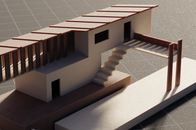
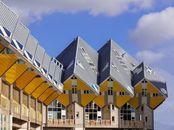
Cross-laminated timber (CLT) and glulam beams are replacing steel and concrete in mid-rise residential buildings across North America, Europe, and Australia. Mass timber sequesters carbon rather than emitting it during production, and its structural performance rivals reinforced concrete. From an aesthetic standpoint, exposed wooden ceilings and columns create warm, tactile interiors that are impossible to achieve with conventional materials. Architects like those behind the Modern Villa Design: Incredible Su House have demonstrated that mass timber can produce residences of breathtaking elegance. Fire safety regulations have been updated in many jurisdictions specifically to enable taller timber buildings, opening the door to entire timber neighborhoods in city centers.
5. Modular and Prefabricated Homes
Factory-built homes have shed their reputation for blandness. Contemporary modular construction delivers precision-engineered panels that lock together on-site in a matter of days, with quality control that traditional site builds simply cannot match. Because modules are manufactured in controlled environments, waste is cut by up to 50 percent and build times by as much as 30 to 50 percent. Architects can design modular systems with the same ambition they would bring to a bespoke commission, stacking and rotating volumes to create striking silhouettes. If you are interested in how architectural choices translate into everyday living improvements, our guide to 7 Ways To Improve Your House To Change Your Lifestyle offers practical starting points.
6. Smart Glass and Dynamic Facades
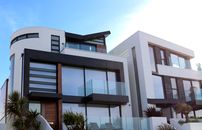
Electrochromic glass can switch between transparent and opaque at the touch of a button or in response to a building management system, replacing the need for blinds or curtains and optimizing solar gain throughout the day. Kinetic facades — panels that shift or pivot in response to wind, sun angle, or temperature — take this concept further by turning the exterior of a home into a living, responsive skin. The Glass Facade Sculptural Architecture showcases precisely how architects are using glazing as both a structural and performative element. These technologies are becoming cost-competitive as demand scales, meaning they will appear in mid-market homes within the next five years.
7. Net-Zero and Energy-Positive Homes
A net-zero home produces as much energy as it consumes over the course of a year; an energy-positive home produces more, effectively turning the building into a small power station. Rooftop photovoltaics, ground-source heat pumps, battery wall storage, and highly insulated thermal mass work together to achieve this balance. As the 7 Iconic Architectural Trends Redefining Modern Homes in 2026 article explains, these systems are no longer experimental — they are being specified by mainstream developers. Governments in the UK, EU, and several US states have announced that all new residential builds must meet net-zero standards by the late 2020s, accelerating adoption across the industry.
8. Wellness Architecture
Architects are increasingly designing homes around the measurable impact spaces have on human health. This means optimizing for circadian lighting (light that shifts in color temperature throughout the day to match the body clock), acoustic performance, air quality through HEPA filtration and low-VOC materials, and spatial flow that encourages movement rather than sedentary behavior. Wellness-certified homes — verified under standards such as the WELL Building Standard — are commanding significant premiums in the property market because buyers recognize that where you live directly affects how you feel. From thermal comfort to access to daylight in every room, wellness architecture treats the home as a tool for a healthier life.
9. Compact Luxury and Micro-Living
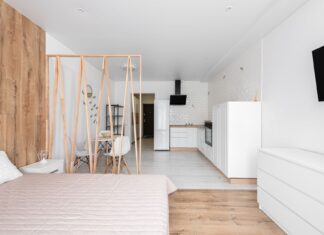
Smaller footprints are no longer associated with compromise. Architects working in dense urban environments are pioneering layouts that pack extraordinary functionality into 30 to 60 square meters by using fold-away furniture, double-height volumes, and multi-purpose rooms that transform throughout the day. This movement aligns with broader cultural shifts toward minimalism, reduced consumption, and urban living close to amenities and public transport. Our in-depth look at 5 Home Makeovers To Invite Coolness During Warm Days shows how small changes in layout and material selection can have outsized effects on how a space feels and functions. Compact luxury is not about having less — it is about having exactly what you need, beautifully designed.
10. Regenerative Architecture
Sustainability asks us to do less harm; regenerative design asks us to actively restore and improve the environments our buildings occupy. Regenerative homes capture rainwater and return cleaned water to the local water table, generate more energy than they use, build soil health on their plots, and support local biodiversity through planting schemes. This is architecture as ecosystem service — a radical rethinking of what a building owes its neighborhood, city, and planet. While regenerative principles are most visible in rural and semi-rural projects today, urban applications are emerging rapidly as cities adopt green infrastructure policies that reward buildings that give back to the environment.
Final Thoughts
These ten innovations are not separate trends competing for attention — they are interconnected ideas that reinforce one another. A biophilic mass-timber passive house with a smart facade and wellness-optimized interiors is not a fantasy; it is a project type that leading architectural practices are delivering right now. The homes being designed today will define how billions of people live for the next century. Understanding these movements puts you in a far stronger position when commissioning, buying, or simply dreaming about where you want to live next.