Modern architecture is evolving faster than ever. Driven by advances in sustainable materials, digital fabrication, and a deeper understanding of how spaces affect well-being, today’s architectural trends are not just about aesthetics — they’re about building homes that are smarter, greener, and more in tune with the people who live in them. Whether you’re planning a new build, a renovation, or simply love keeping up with design innovation, these eight trends are worth knowing about.
1. Biophilic Design: Bringing Nature Indoors
Biophilic design integrates natural elements — living walls, indoor gardens, natural wood, stone, and abundant greenery — directly into the structure and layout of a home. Research consistently shows that proximity to nature reduces stress and boosts cognitive performance, making this trend as practical as it is beautiful. Architects are incorporating large skylights, green roofs, and water features to blur the boundary between interior and exterior. If you’re planning a new build, consider how natural light and ventilation can guide every design decision. You can also see how iconic architectural trends are redefining modern homes in 2026 with a biophilic lens.
2. Net-Zero and Passive House Construction
With energy costs rising and climate change accelerating, net-zero homes — which produce as much energy as they consume — have moved from niche to mainstream. Passive House (Passivhaus) design takes this further by minimizing energy demand through superinsulation, airtight construction, and mechanical heat-recovery ventilation. These homes maintain comfortable temperatures year-round with minimal mechanical heating or cooling. The upfront investment pays back through drastically reduced utility bills and a significantly lower carbon footprint. Pairing passive design with solar panels and battery storage creates a home that’s genuinely future-proof.
3. Adaptive Reuse: Transforming Old Structures
One of the most sustainable choices in architecture is not tearing down and starting over — it’s working with what already exists. Adaptive reuse transforms factories, warehouses, schools, and even churches into stunning residential spaces, preserving embodied carbon and cultural heritage at the same time. The raw materials found in older buildings — exposed brick, original timber beams, industrial steel — add instant character that new construction simply can’t replicate. This approach also tends to deliver better value in dense urban areas where land is scarce and expensive. For inspiration on how older bones can become beautiful homes, check out the advantages of eco-friendly construction.
4. Open Floor Plans Reimagined with Flexible Zones
The open plan has dominated residential design for decades, but architects are now refining it with thoughtful flexibility. Rather than one undifferentiated space, modern homes incorporate movable partitions, built-in storage walls, and level changes to define zones that can shift based on need. A home office corner can become a quiet reading nook; a dining area can expand for entertaining. This zoned approach supports the way people actually live — working, relaxing, cooking, and socializing — often all in the same day. If you’re working with limited square footage, see how small improvements can dramatically change how a home feels and functions.
5. Mass Timber and Natural Materials
Cross-laminated timber (CLT) and other engineered wood products are revolutionizing construction, making it possible to build multi-story structures from renewable materials. Mass timber sequesters carbon throughout its lifespan, offers excellent thermal performance, and creates warm, tactile interiors that concrete and steel simply cannot match. Paired with rammed earth walls, natural stone, or clay plaster finishes, timber-forward homes deliver beauty and sustainability in equal measure. Architects like those behind the rammed earth and timber Australian home are proving this approach works at every scale. Natural materials also age gracefully, developing character rather than looking tired over time.
6. Indoor-Outdoor Living and Glass Architecture
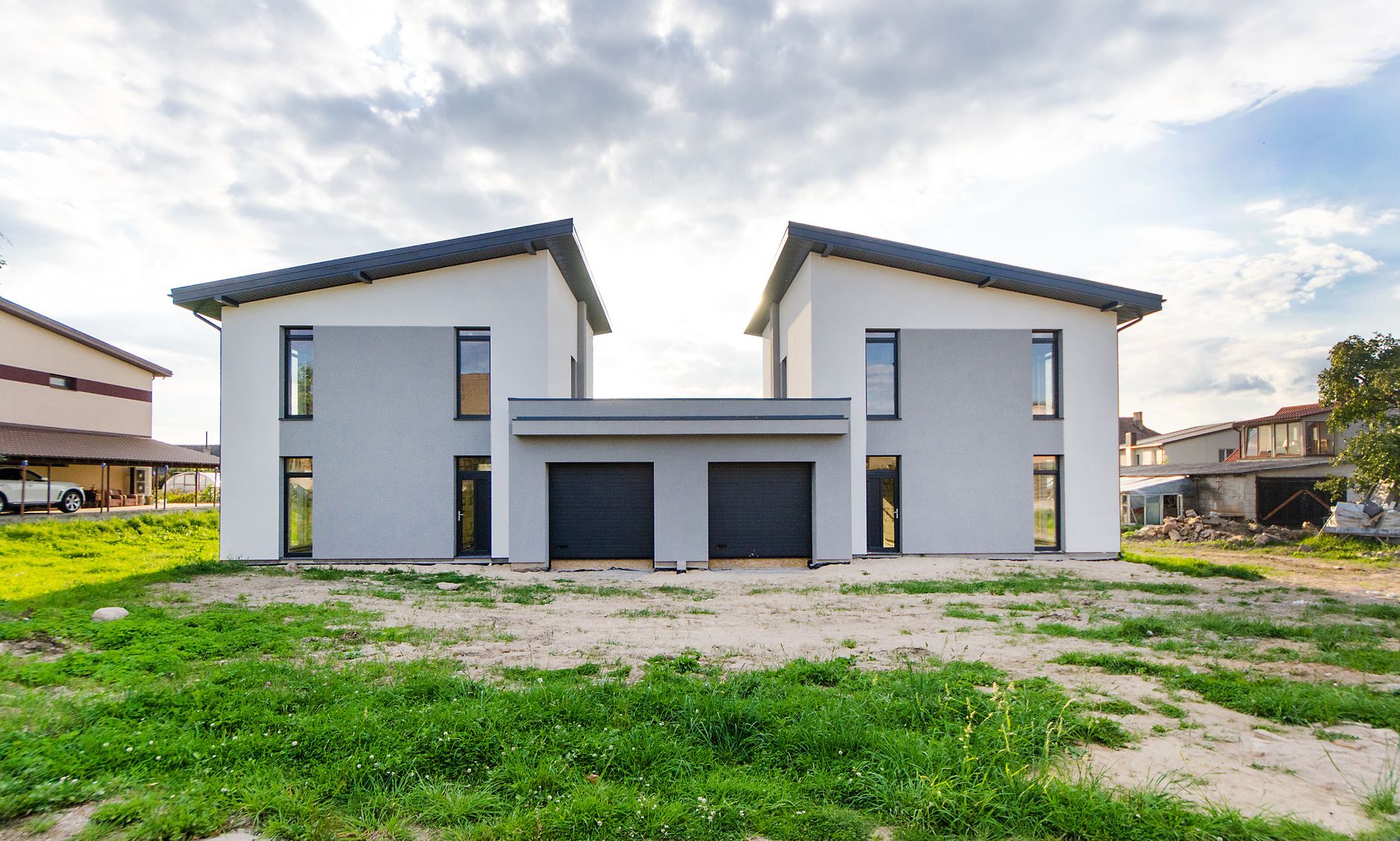
The relationship between interior and exterior space has never been more fluid. Architects are designing homes with floor-to-ceiling glazing, frameless sliding glass walls, and covered outdoor rooms that extend the livable footprint of a house in every season. This approach works in warm and cool climates alike — in cooler regions, double or triple-glazed systems maintain thermal performance while maximizing views and natural light. The glass facade that enables far-reaching views is a perfect example of how transparency can define a home’s entire character. Thoughtful landscaping ties the indoor and outdoor environments together into a seamless whole.
7. Smart Home Integration from the Ground Up
The most elegant smart homes are the ones where technology is invisible. Wiring, sensors, and control systems are built into the structure from day one, rather than retrofitted later. Lighting, climate, security, and audio-visual systems respond to occupancy and time of day automatically, while remaining fully customizable. The best architects treat smart systems as infrastructure — like plumbing or electrical — planned at the schematic stage rather than added as an afterthought. For practical tips on how lighting alone can transform a space, explore techniques to make any space brighter with the right lighting. A well-integrated smart system also contributes to energy efficiency by reducing waste.
8. Sculptural and Expressive Facades
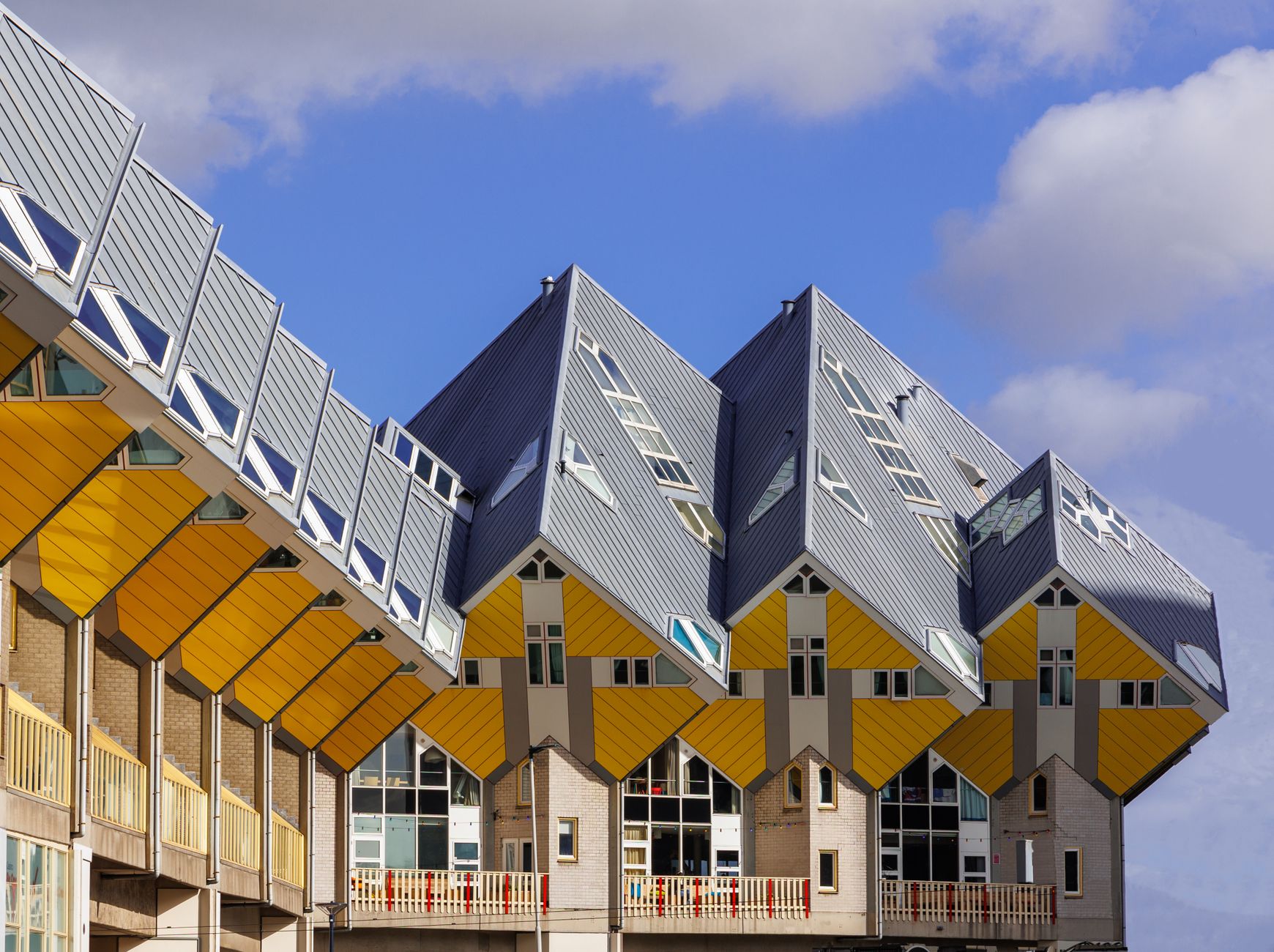
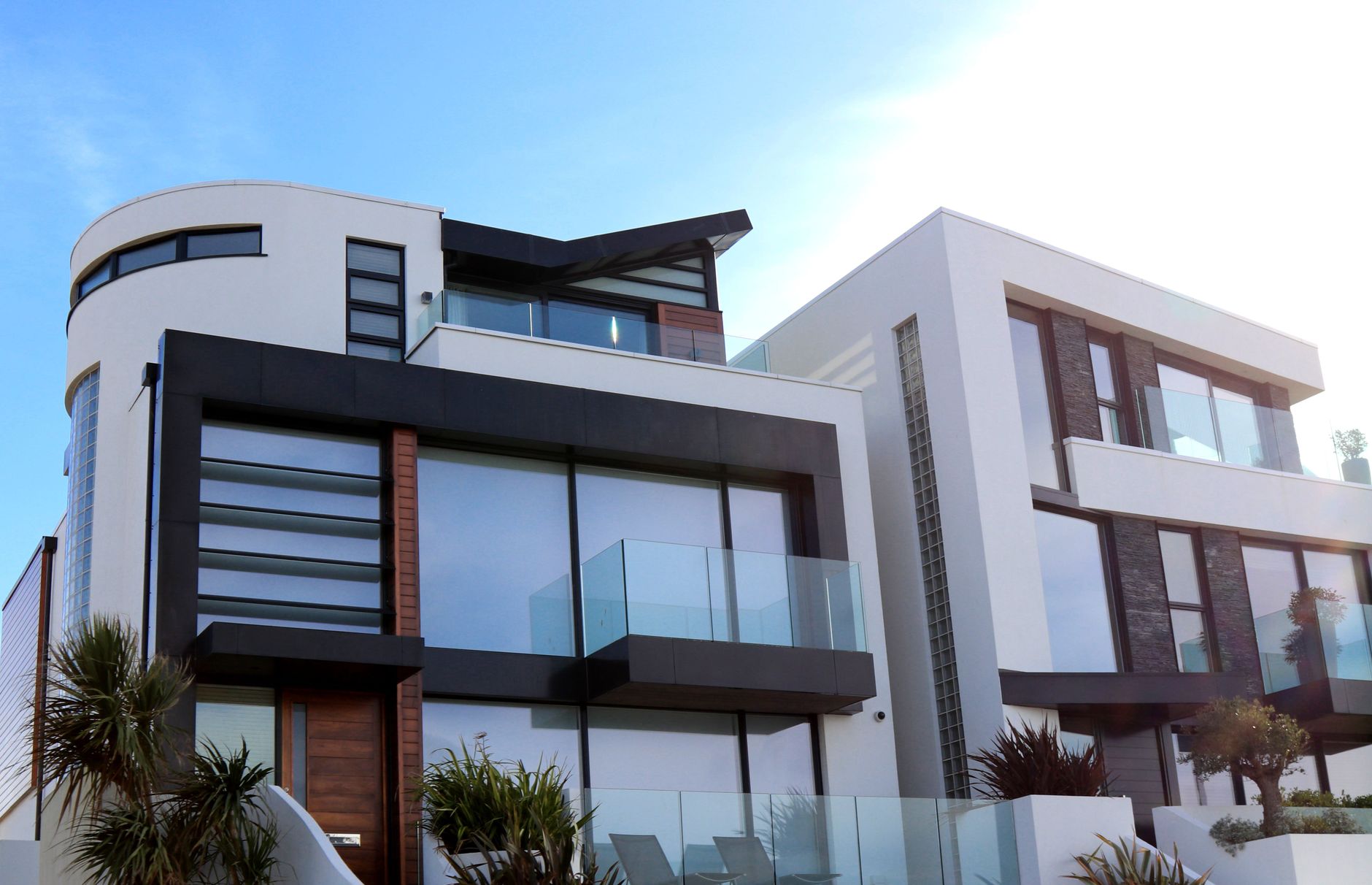
After years of minimalist boxes dominating the architectural conversation, there’s a growing appetite for homes with expressive, sculptural exteriors. Parametric design tools allow architects to create complex geometries — curved walls, perforated screens, textured cladding — that would have been prohibitively expensive just a decade ago. These facades do more than look striking: screens filter light and provide privacy, curved rooflines channel rainwater, and textured surfaces add depth and shadow that change throughout the day. The screen-wrapped house designed for light filtration and privacy demonstrates how a facade can solve practical problems beautifully. Expressive architecture also contributes to neighborhood identity and urban vitality.
Final Thoughts
Modern architecture is at its best when it solves real problems beautifully — reducing energy consumption, connecting people to nature, adapting to the way we actually live, and building with materials that respect the planet. Whether you’re working on a new home, a renovation, or simply gathering ideas, these eight trends offer a roadmap to spaces that are more resilient, more comfortable, and more meaningful. For more inspiration on how design choices shape everyday life, explore how even simple material choices like rugs can transform a room — and remember that great architecture begins with a deep understanding of how people want to live.