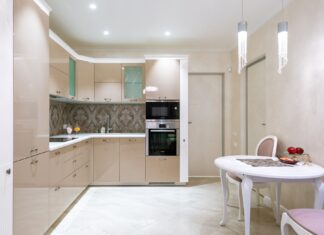
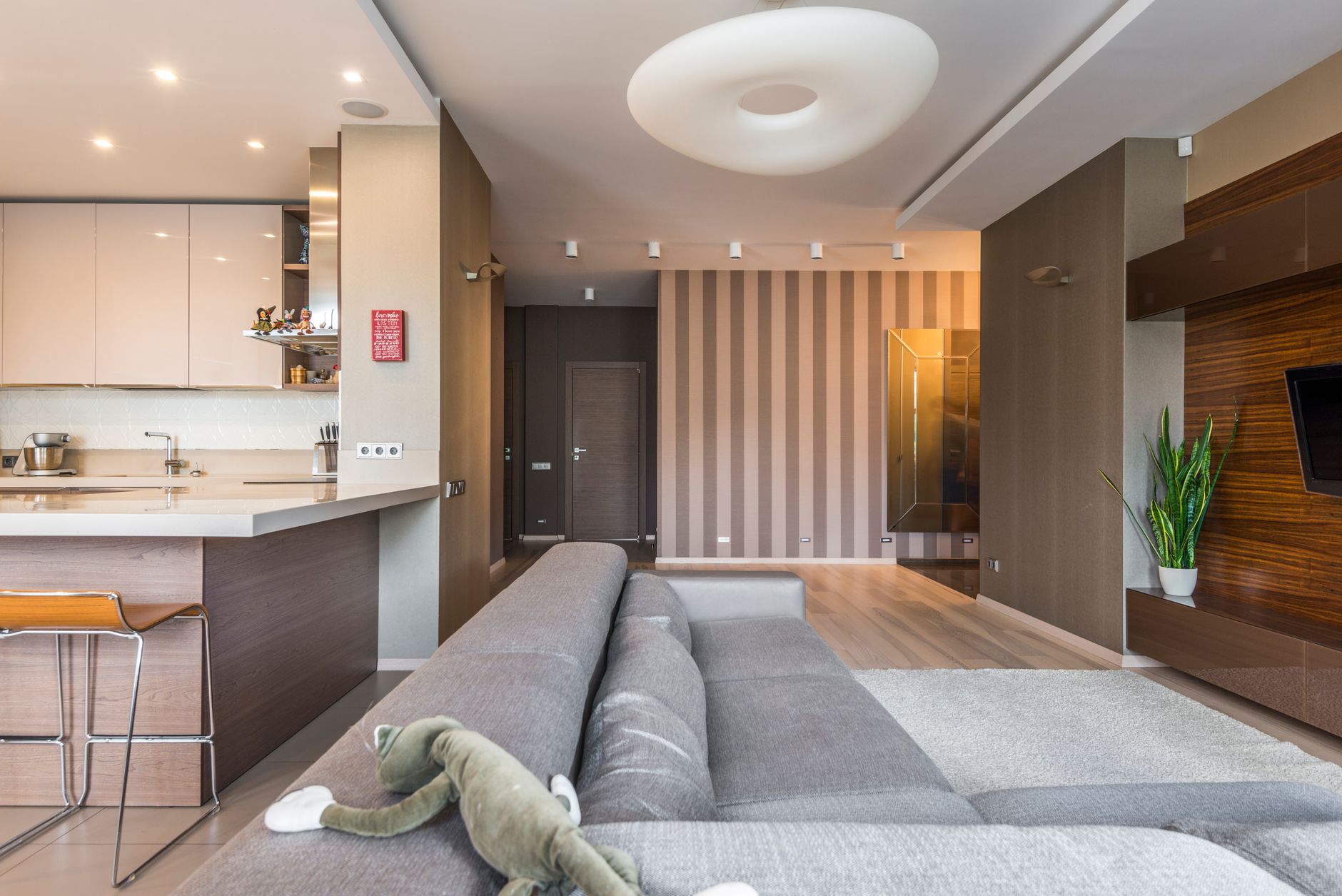
Great home design rarely comes down to one big splurge. It’s usually a handful of deliberate choices, layout, light, color, texture, and scale, working together so a room feels intentional instead of accidental. Whether you’re starting from scratch or refreshing a space you’ve lived in for years, these eight principles will help you get there without a full renovation budget.
Start With a Furniture Layout That Actually Works
Before you touch paint colors or accessories, get the layout right. Furniture should support how you actually move through and use the room, not just look good against the wall. Float sofas away from walls to create conversation areas, leave at least 30 inches of clearance for walkways, and anchor each seating group with a rug that touches the front legs of the furniture. If your current arrangement feels off, the fix is often free: just rearrange what you already own. For more layout-first thinking, these home design ideas that transform every room are a useful starting point.
Choose a Cohesive Color Palette
A room reads as designed when its colors relate to each other on purpose. Pick one dominant neutral, one secondary tone, and one accent color, then repeat that trio across walls, textiles, and decor. This doesn’t mean everything has to match; it means everything should feel like it belongs to the same conversation. Undertones matter too: warm whites and cool whites clash more than people expect, so test paint swatches next to your flooring and trim before committing.
Layer Lighting for Depth and Mood
A single overhead fixture flattens a room. Aim for at least three light sources at different heights: ambient (ceiling or recessed), task (reading lamps, under-cabinet strips), and accent (sconces, picture lights). Layering light this way adds dimension after dark and lets you dial the mood up or down depending on the moment. Dimmers are inexpensive and make a bigger difference than most people expect.
Mix Textures for Visual Interest
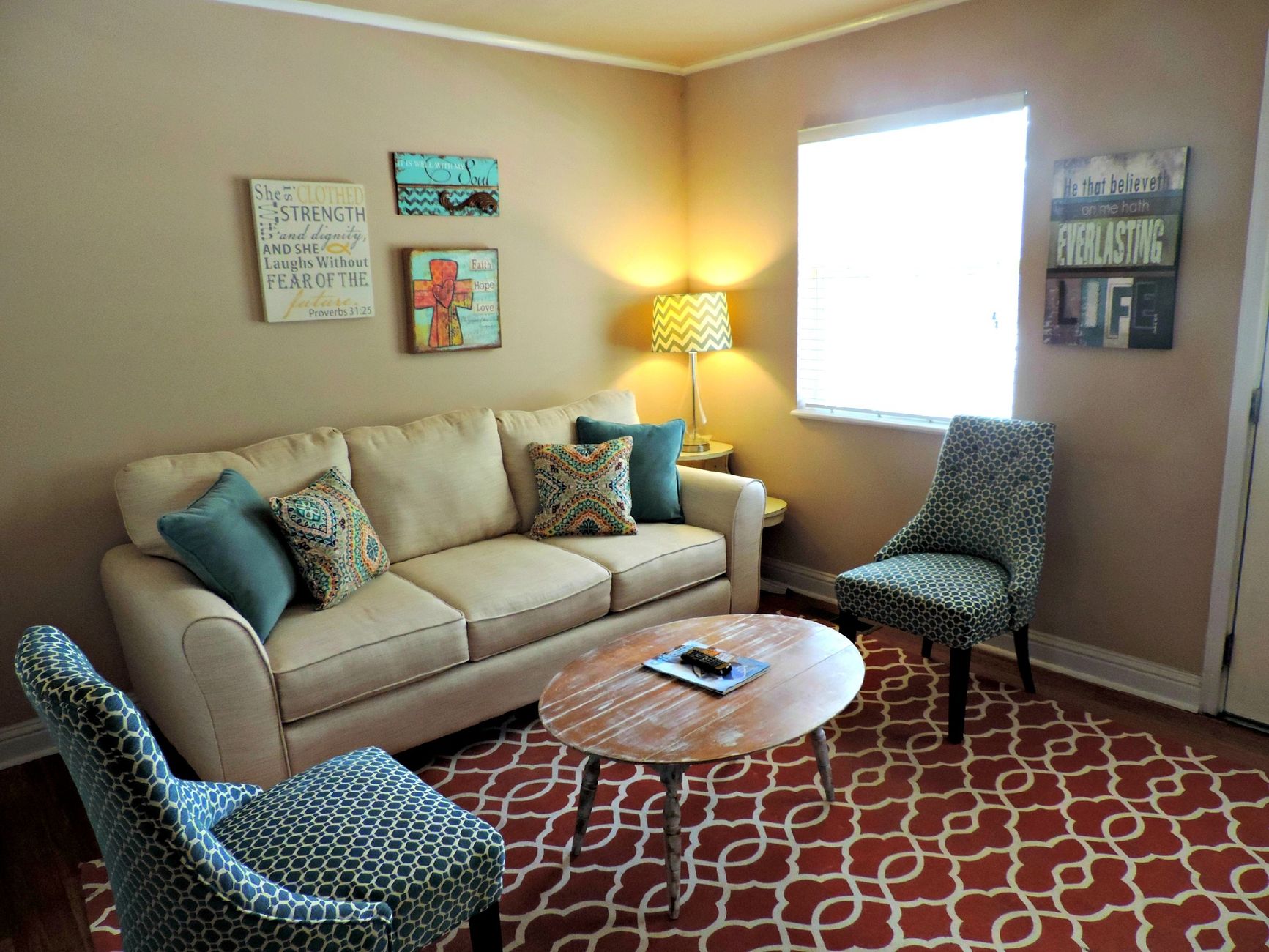
Color gets most of the attention, but texture is what makes a room feel finished. Combine smooth and nubby, matte and glossy, soft and structured: a linen sofa, a woven jute rug, a lacquered side table, a chunky knit throw. If a room feels flat despite a great color scheme, texture is almost always the missing ingredient. Small updates like using carpets and rugs to change a room’s look are an easy, low-cost way to add that layer.
Incorporate Statement Pieces Thoughtfully
Every room benefits from one moment that draws the eye, an oversized piece of art, a sculptural light fixture, a bold accent chair. The key word is one. A room with five competing statement pieces just feels busy. Choose a single focal point, then let everything else play a supporting role in scale and color so the statement piece actually stands out.
Respect Scale and Proportion
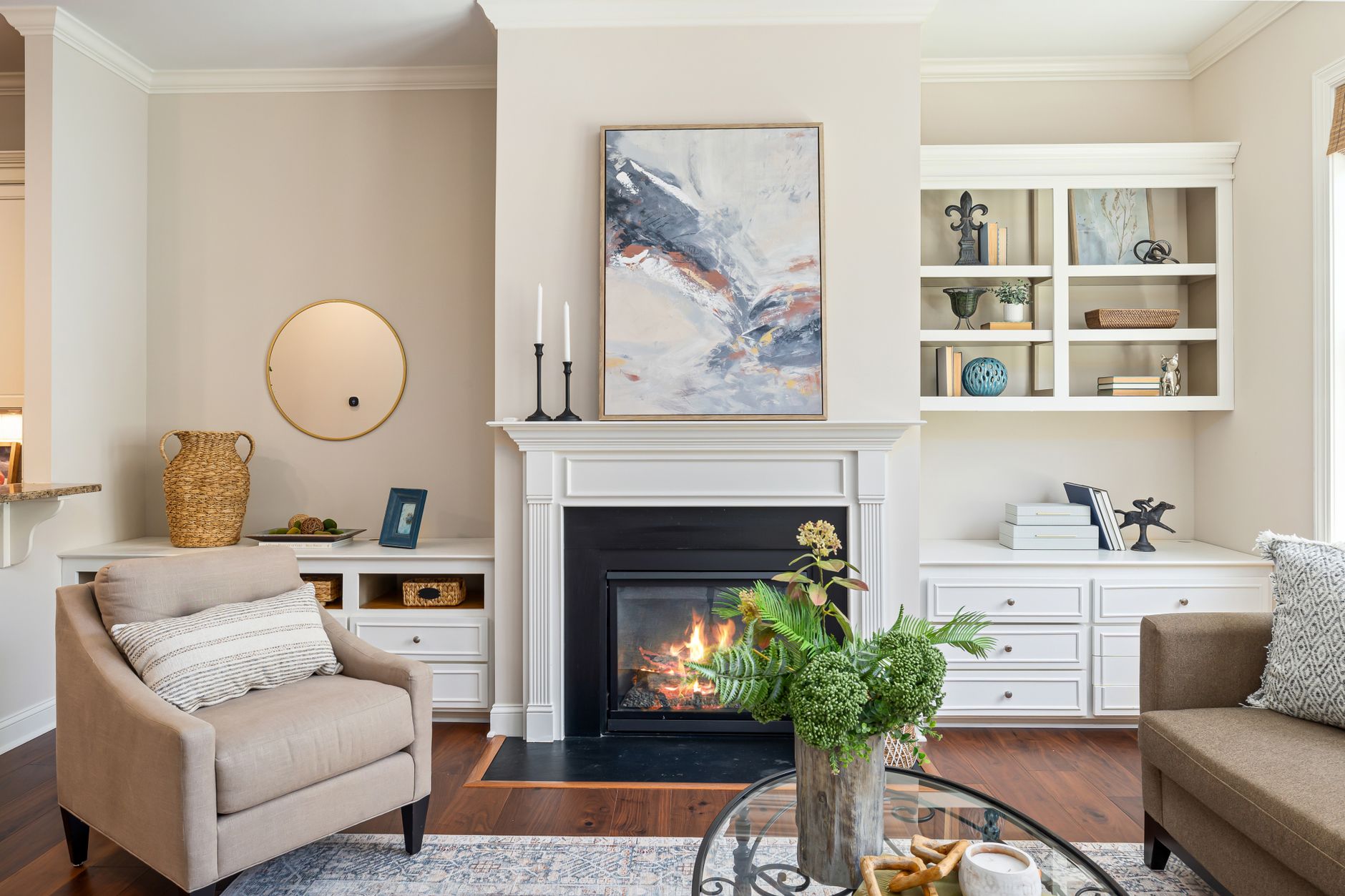
Furniture that’s too small makes a room feel like a showroom vignette; furniture that’s too large makes it feel cramped. Measure your space before you shop, and account for how a piece will read once it’s actually surrounded by walls and other furniture rather than sitting alone in a store. As a rule of thumb, a coffee table should sit about two-thirds the length of the sofa it pairs with. These interior design techniques for a polished, complete room cover proportion in more depth.
Don’t Neglect the Small Details
Hardware, outlet covers, curtain hems, and picture frames are easy to overlook, but they’re also what separates a lived-in room from a considered one. Swap builder-grade cabinet pulls for something with more character, make sure curtains hang just above the floor instead of pooling awkwardly, and group accessories in odd numbers for a more natural, less staged look. If you’re renovating room by room, avoiding the common home design mistakes that are quietly aging your space will save you from redoing work later.
Edit Before You Add
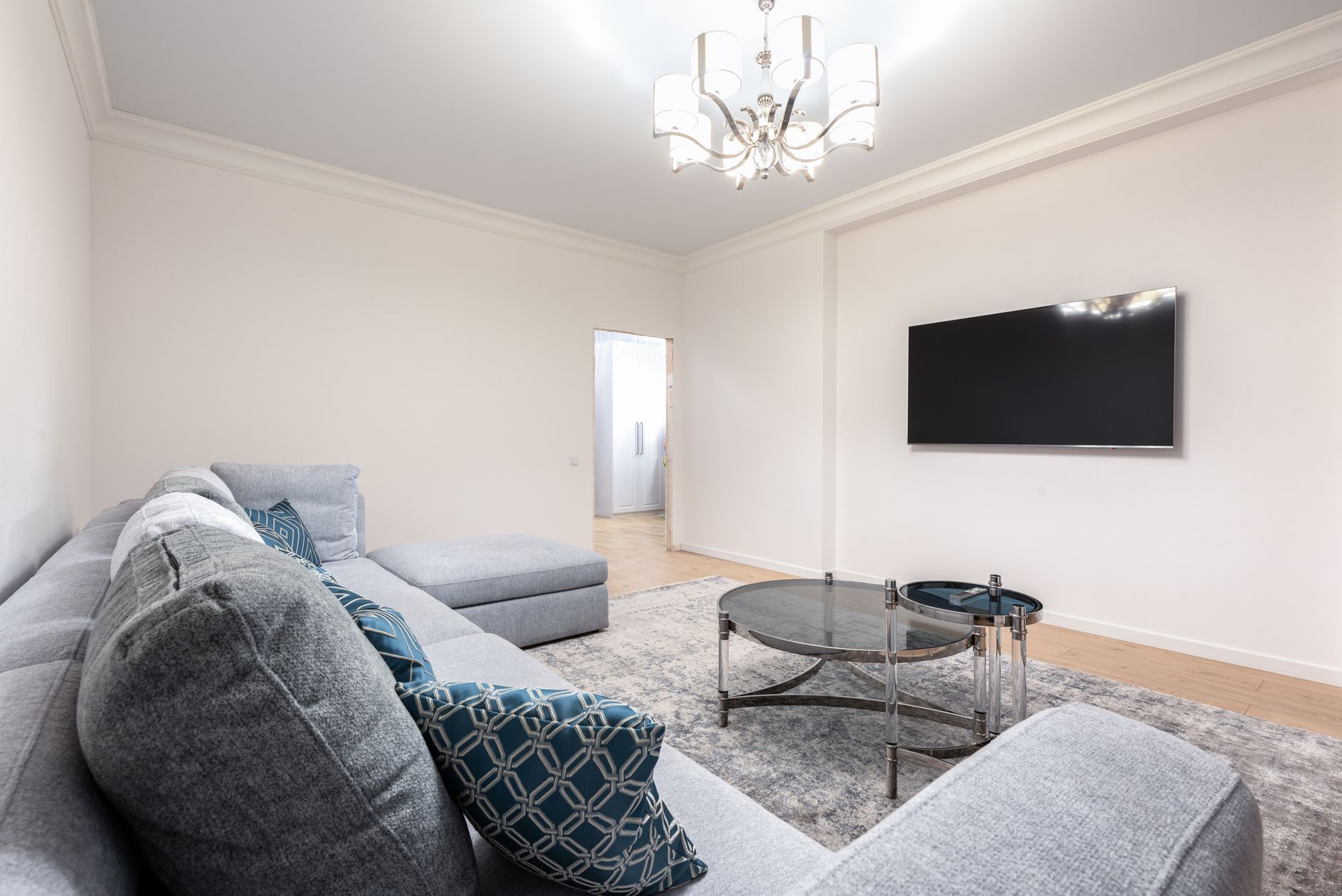
The fastest way to improve most rooms costs nothing: remove what isn’t working. Clear surfaces of clutter, pull out furniture that no longer fits the layout, and take down art that was hung in a hurry and never revisited. A room that’s been edited down to what actually serves it almost always looks more expensive than one that’s been added to endlessly. For a broader refresh, these ways to improve your house and change your lifestyle and these interior design principles that elevate every room are worth revisiting once the clutter is gone.
Final Thoughts
None of these secrets require a contractor or a five-figure budget. Layout, color, light, texture, scale, and editing are all things you can adjust this weekend with what you already own or a modest trip to the store. Tackle one principle at a time, live with the change for a few days, and you’ll be surprised how quickly a room starts to feel like it was designed on purpose rather than assembled by accident.