Even well-maintained homes can start to feel dated if certain design fundamentals are overlooked. It’s rarely one glaring flaw — it’s usually a handful of small, easy-to-miss missteps that add up over time. The good news is that most of these issues are simple to correct once you know what to look for. Here are seven common home design mistakes that quietly age a space, and how to fix them.
Clashing Scale and Proportion
One of the fastest ways to make a room feel off is furniture that doesn’t match the scale of the space. An oversized sectional crammed into a small living room, or a tiny rug floating in the middle of a large floor, both throw off the visual balance. Before buying anything new, measure your room and map out furniture placement so every piece feels intentional. If you want a deeper dive into getting proportions right, this guide on home design principles that transform every room is a great starting point.
Ignoring Natural Light Flow
Heavy drapes, dark paint in already-dim rooms, and furniture blocking windows can make a home feel older and smaller than it is. Natural light is one of the most underrated design tools available, and working with it instead of against it instantly modernizes a space. Swap heavy curtains for sheer or light-filtering options, and keep sightlines to windows clear. Pairing this with a few carpets and rugs that change a room’s look can help bounce light around a room even further.
Overlooking a Cohesive Color Story
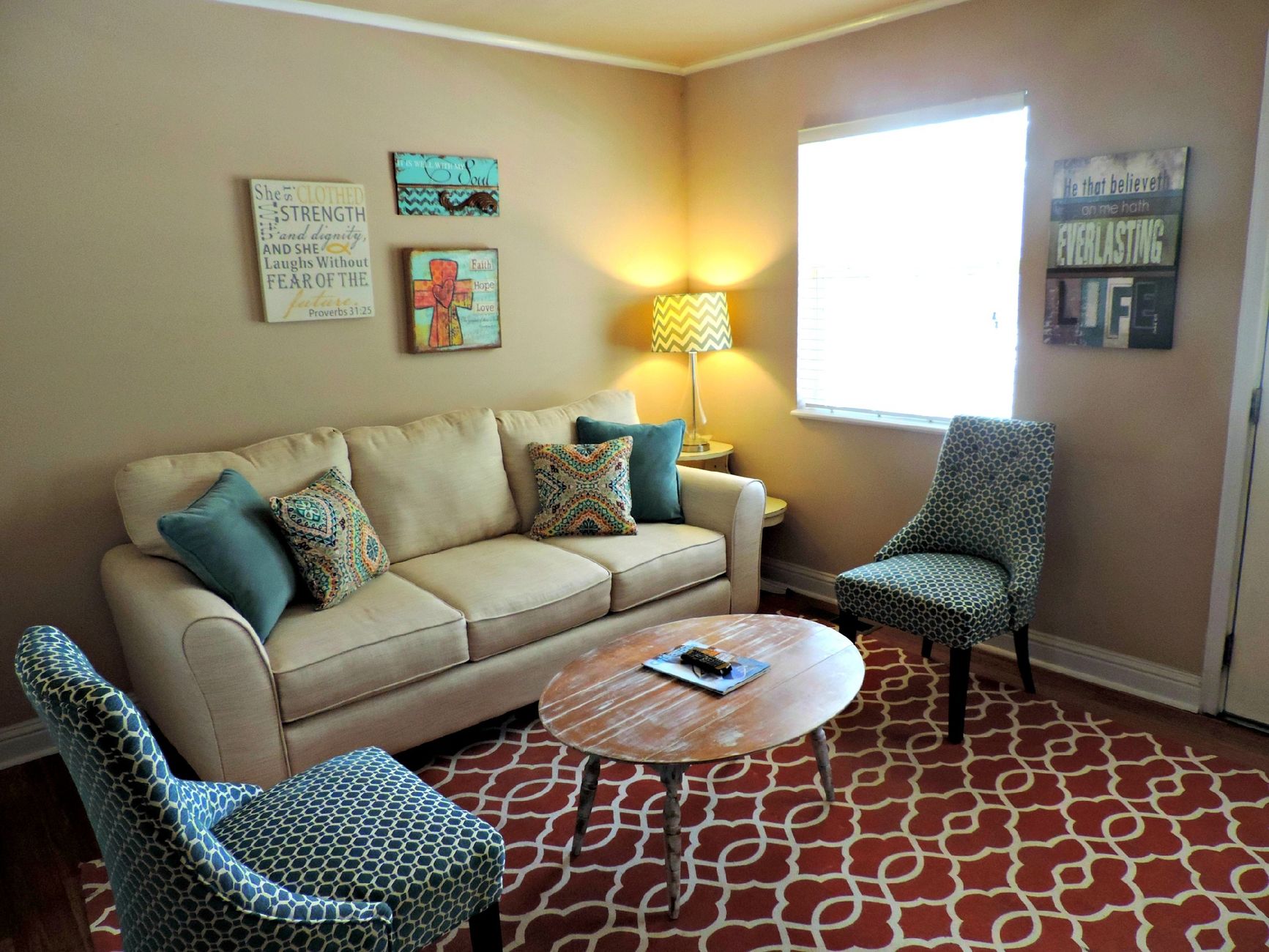
A home that has evolved room by room over the years often ends up with a disconnected color palette that feels dated rather than eclectic. Choosing two or three anchor colors and repeating them throughout adjoining spaces creates flow and makes the whole home feel more current. This doesn’t mean every room needs to match exactly, but there should be a visual thread tying them together. For inspiration on building that thread, take a look at these interior design techniques that make any room feel polished and complete.
Skimping on Statement Lighting
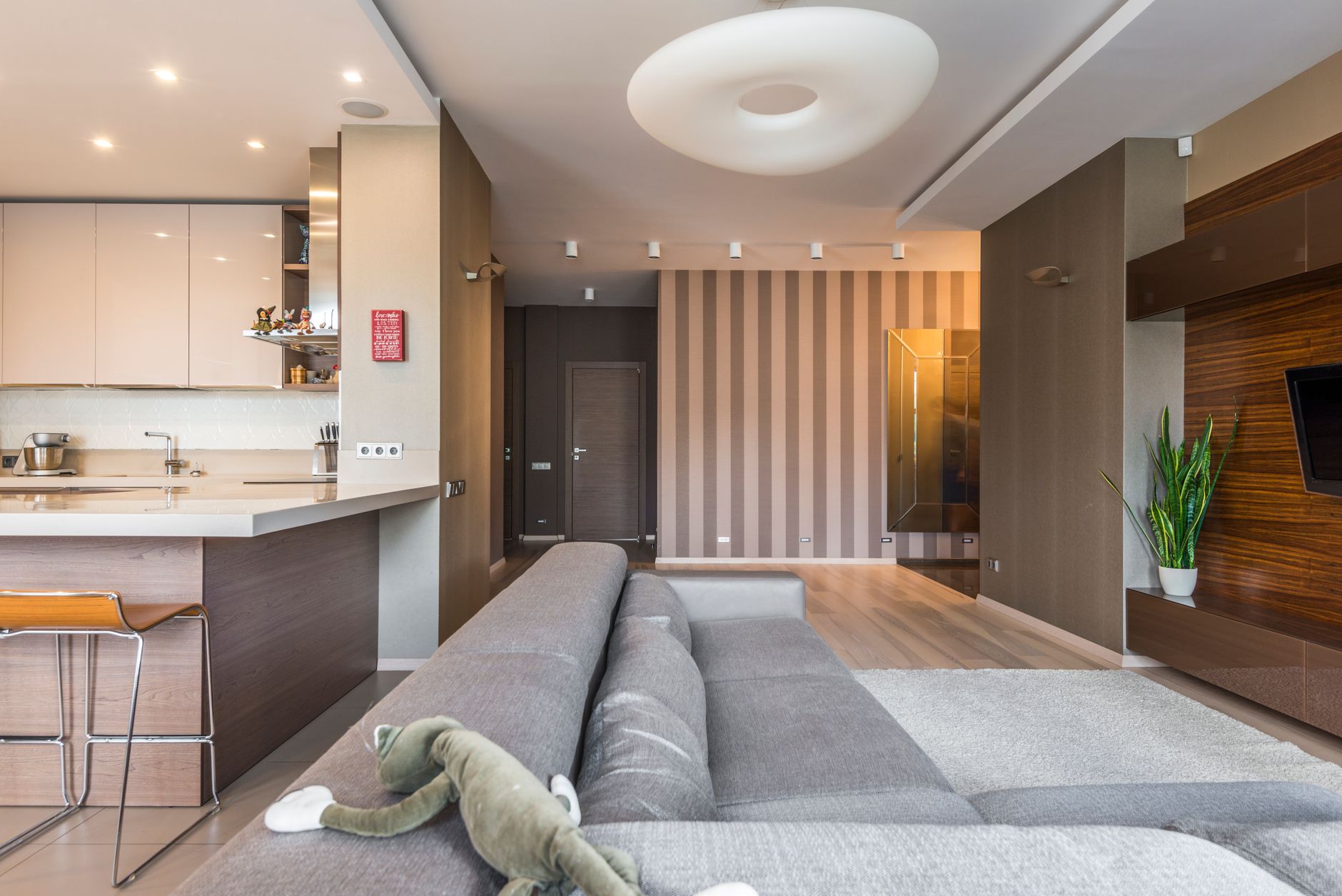
Builder-grade flush-mount fixtures are one of the biggest tells of an outdated home. Swapping them for a well-chosen pendant, chandelier, or sculptural fixture is one of the most cost-effective upgrades available, since lighting doubles as functional decor. Layer in ambient, task, and accent lighting rather than relying on a single overhead source. These interior design principles that elevate every room cover lighting layering in more detail.
Forgetting Texture and Layering
A room filled with flat, matching surfaces can feel sterile no matter how new the furniture is. Mixing materials — wood grain against woven textiles, matte finishes against glossy accents, soft throws against structured upholstery — adds depth and warmth that photographs and feels current. Texture is often what separates a builder-basic room from a genuinely designed one.
Furniture That Doesn’t Fit the Room
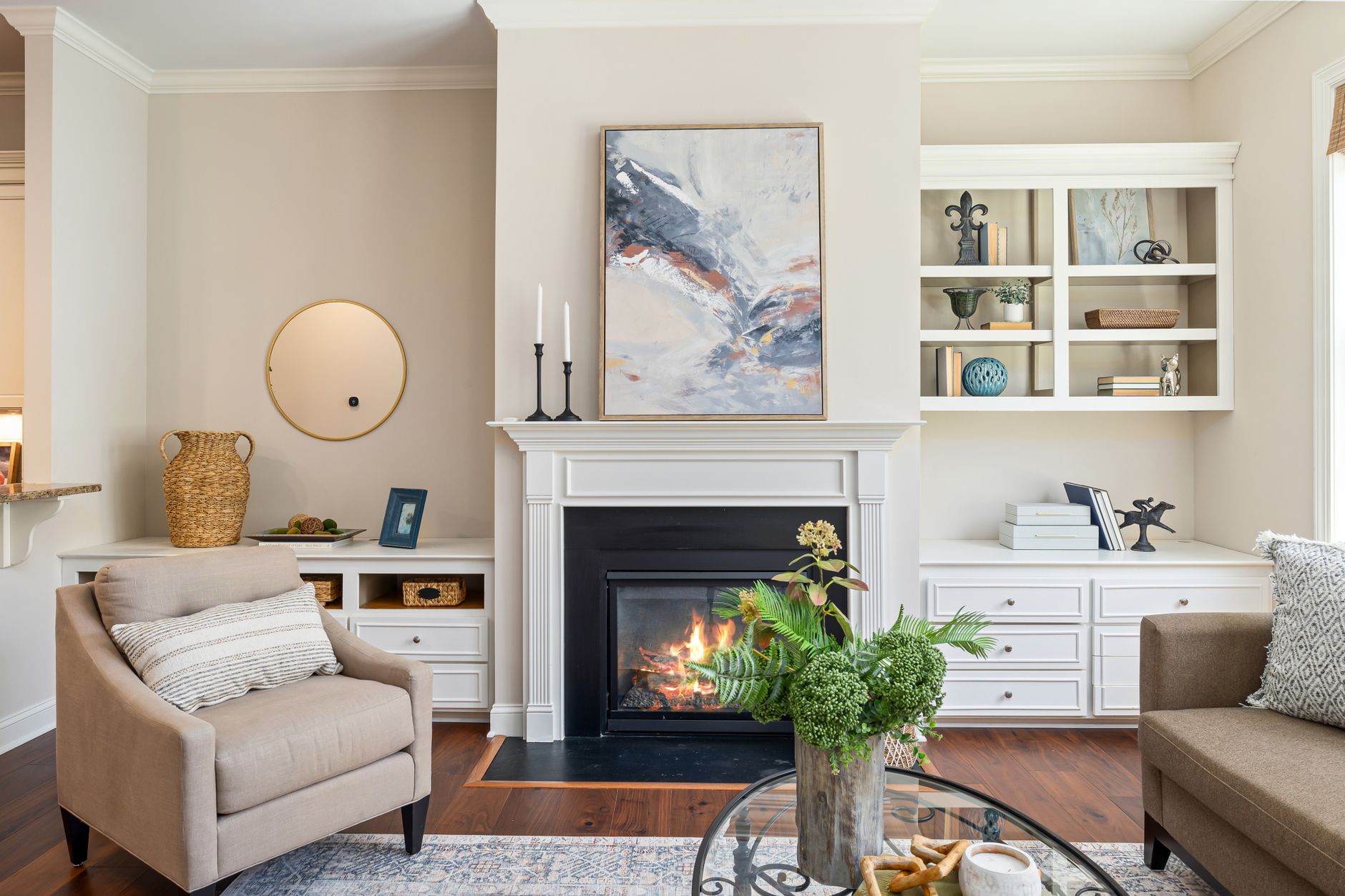
Beyond scale, furniture style matters too. Ornate, heavy pieces in an otherwise modern home (or the reverse) create visual friction that makes a space feel unresolved. Aim for a consistent design language across your major furniture pieces, even if you like mixing eras and styles — the key is intentional contrast rather than accidental mismatch. If you’re working with a smaller footprint, these small space ideas for style and productivity show how to make furniture choices work harder in compact rooms.
Neglecting Transitional Spaces
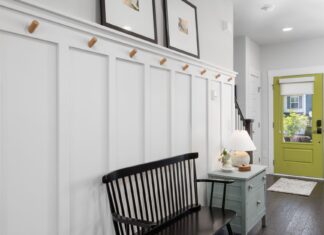
Hallways, entryways, and landings are often the most neglected parts of a home, left with bare walls and leftover furniture. These transitional spaces set the tone for the rest of the house, and a little attention here — a console table, artwork, or a well-placed mirror — goes a long way. For a bathroom-adjacent take on this idea, see how bathroom mirror ideas can instantly elevate a space.
Final Thoughts
None of these fixes require a full renovation. Most come down to reassessing scale, light, color, texture, and the in-between spaces that get overlooked. Tackle one area at a time, and you’ll find your home starts to feel current again without a major budget or timeline. For more ideas on where to start, browse this roundup of home design ideas that transform every room.