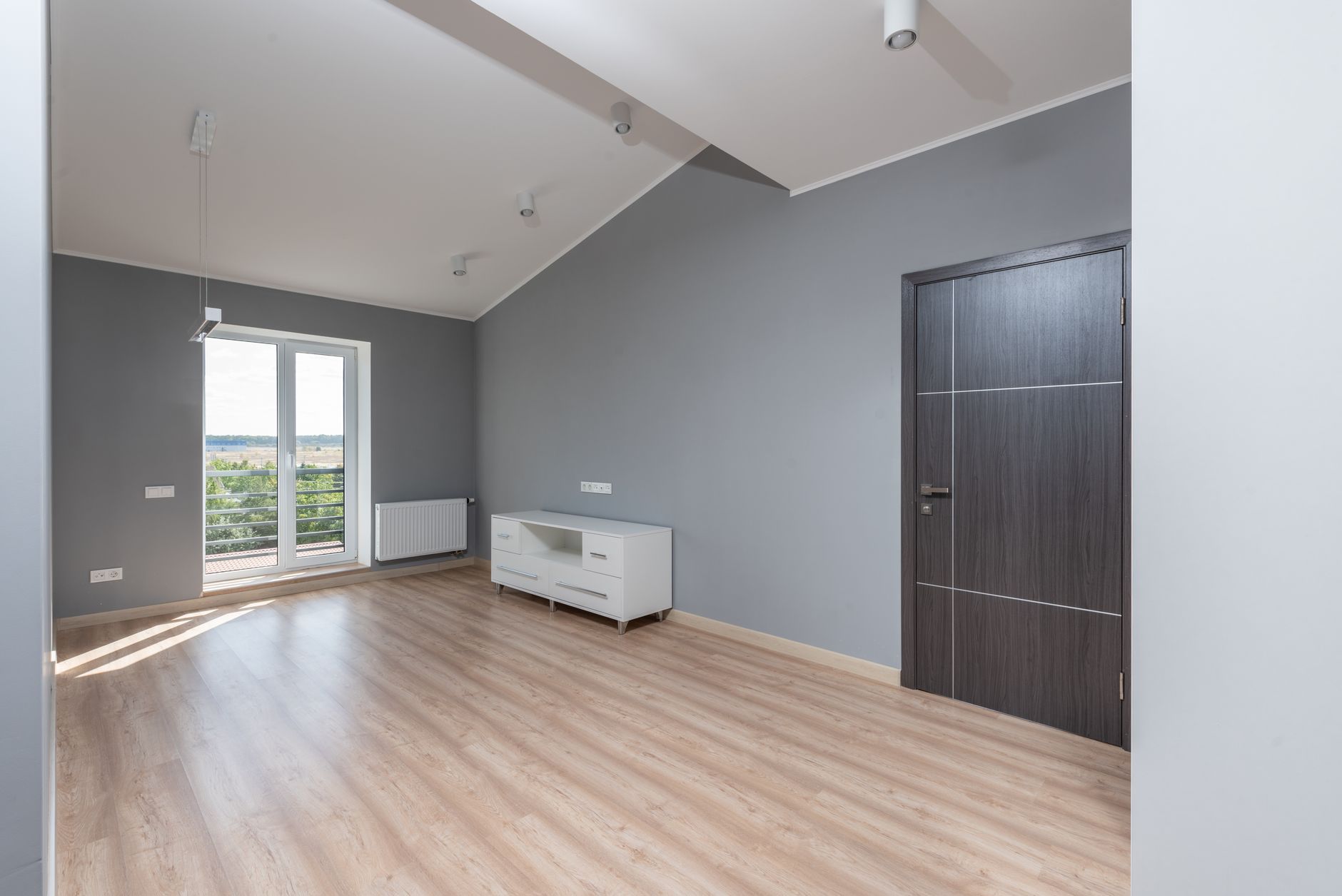
A beautifully designed room rarely happens by accident. Behind every space that feels effortlessly put together, there are deliberate decisions about light, color, texture, and scale. Whether you are starting from scratch or refreshing an existing space, mastering the right interior design principles gives you a framework to create rooms that look professionally styled and feel genuinely comfortable. These nine techniques are the ones seasoned designers return to again and again — and they work in homes of every size, style, and budget.
1. Master the Art of Layered Lighting
Relying on a single overhead fixture is one of the most common interior design mistakes. A polished room uses at least three layers of lighting: ambient (general illumination), task (focused light for reading or cooking), and accent (highlighting artwork or architectural details). Dimmers are a low-cost addition that dramatically expand the versatility of any lighting scheme. Warm bulbs in the 2700–3000K range create the inviting glow that makes a room feel lived-in and welcoming rather than clinical.
2. Anchor Every Space with the Right Rug
A rug does far more than add softness underfoot — it defines the boundaries of a seating area, introduces color and pattern, and visually ties furniture together. The most common mistake is choosing a rug that is too small; in a living room, the front legs of all major seating pieces should rest on the rug at minimum. Natural fiber rugs like jute and sisal suit casual spaces, while wool and vintage-inspired designs bring warmth and character to more formal rooms. If you are unsure about sizing, tape newspaper to the floor first to visualize the footprint before purchasing.
3. Build a Cohesive Color Palette
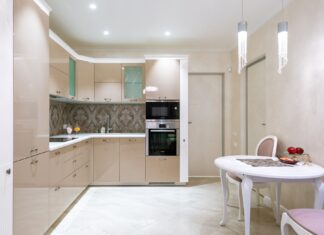
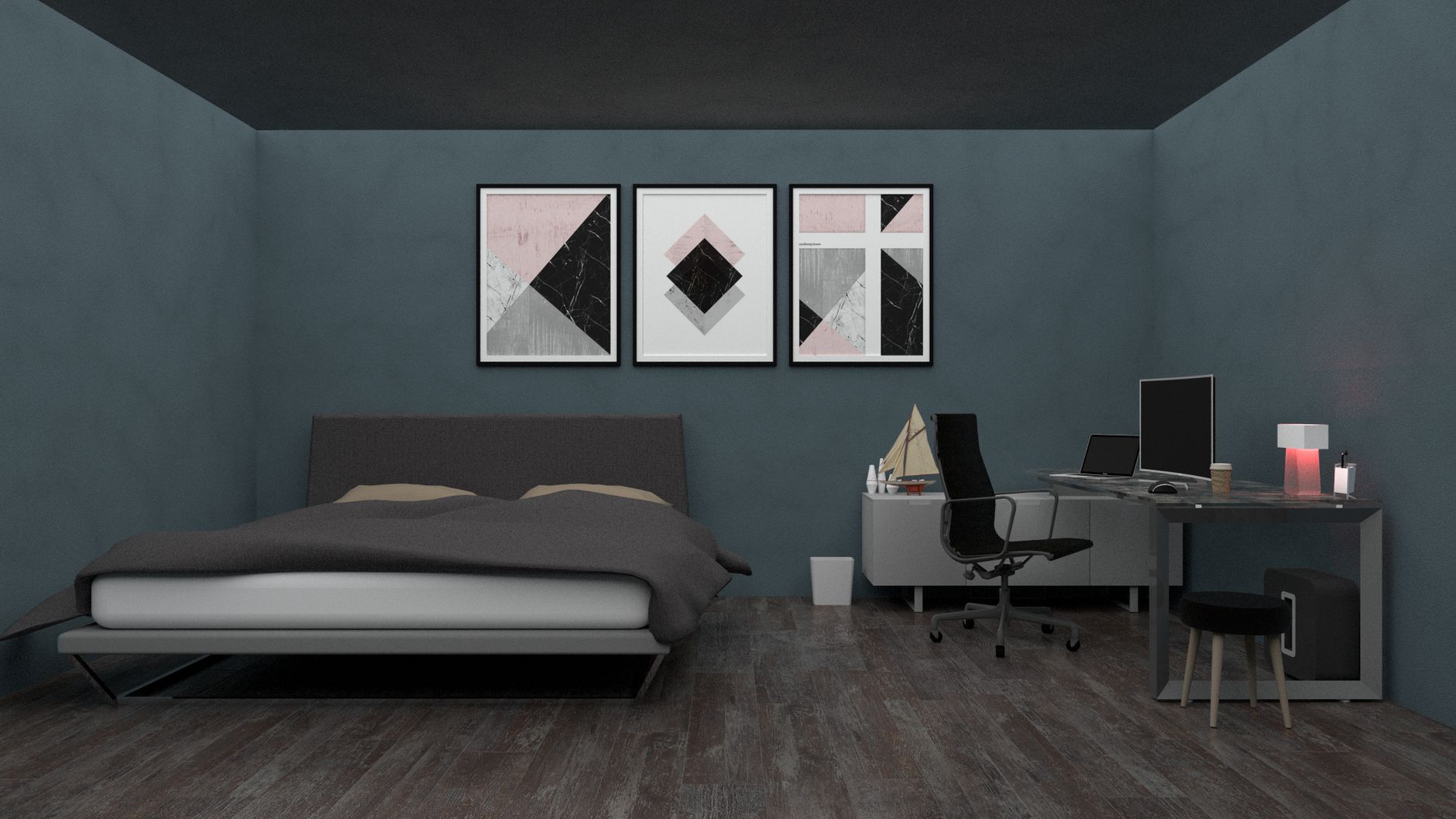
A room that feels disjointed almost always has a color problem. Successful palettes typically follow the 60-30-10 rule: 60% dominant color (walls and large furniture), 30% secondary color (upholstery, curtains, and accent pieces), and 10% accent color (artwork, throw pillows, and accessories). Stick to three or four colors maximum and repeat each one at least twice around the room to create visual flow. If you are drawn to bold colors but feel nervous about committing, start with a muted, desaturated version of the hue — it reads as sophisticated rather than loud and is far easier to live with long-term. Explore the latest interior design trends for fresh palette inspiration.
4. Layer Textures for Depth and Warmth
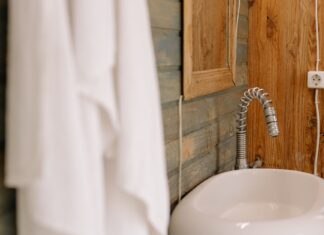
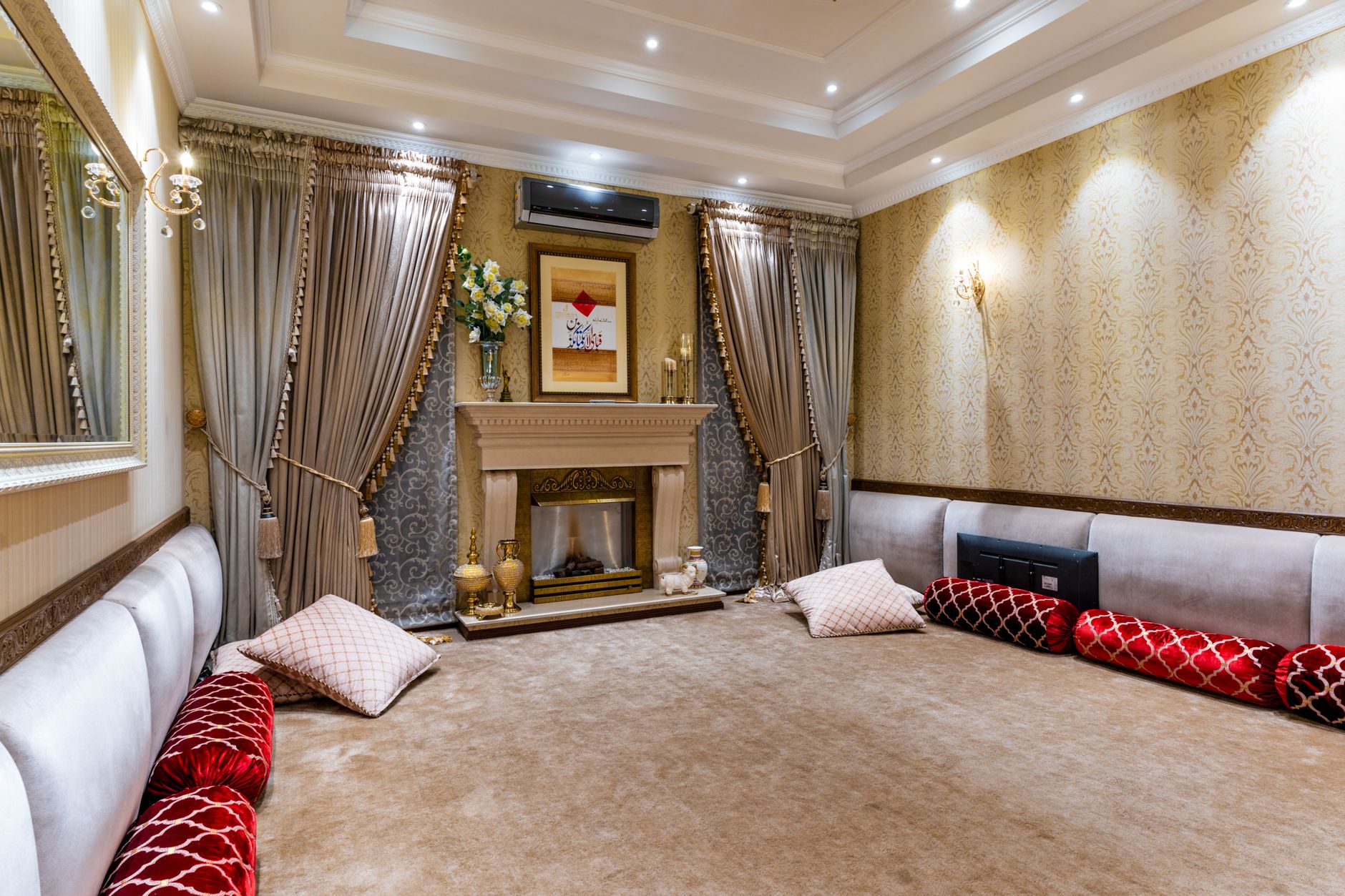
Color gets most of the attention in design conversations, but texture is equally important — perhaps more so in neutral or monochromatic rooms. Combining smooth (polished marble, glass, lacquered wood), soft (velvet, linen, bouclé), and rough (jute, rattan, raw concrete) textures in a single space creates tactile richness that makes a room feel curated rather than assembled. The key is contrast: pair a sleek sofa with a nubby throw, or set a rough-hewn wooden coffee table against a silky rug. This interplay of surfaces keeps the eye interested and makes even a simple color scheme feel complex and layered, as explored in these essential interior design rules.
5. Curate Rather Than Collect
One of the clearest markers of a professionally designed room is thoughtful editing. Every object in a polished space is chosen with intention — it adds visual interest, tells a story, or serves a purpose. Group decorative objects in odd numbers (threes and fives work well), vary their heights, and leave breathing room between arrangements so individual pieces can be appreciated. Rotating items seasonally is a simple way to keep a space feeling fresh without buying anything new. As the secrets professionals use to create stunning homes reveal, restraint is almost always more powerful than abundance.
6. Play with Scale and Proportion
Choosing furniture that matches the scale of the room is fundamental to good design. Oversized pieces in a small room feel claustrophobic; tiny furniture in a large room looks lost and awkward. As a general rule, leave at least 18 inches of walking clearance around major furniture pieces and 12–18 inches between a sofa and a coffee table. Mixing scales intentionally — pairing a large, low sectional with a tall, slender floor lamp, for example — creates dynamic contrast that prevents a room from feeling flat. Study the home design ideas that transform every room to see how scale is handled in varied spaces.
7. Bring Nature Inside with Organic Elements
Plants, natural wood, stone, and woven materials connect a space to the organic world and introduce a sense of calm that purely synthetic interiors often lack. Even a single large-leafed plant in a corner can transform the energy of a room, adding movement, color, and life. Beyond plants, consider incorporating natural wood tones in furniture or flooring, linen and cotton textiles, and stone or ceramic accessories. These materials age gracefully and tend to look better over time rather than dating — a crucial quality in elements you will live with for years. The home design principles that transform every room consistently emphasize the grounding effect of natural materials.
8. Define Zones in Open-Plan Spaces
Open-plan living has become the dominant layout in modern homes, but without clear zone definition, these spaces can feel cavernous and directionless. Use rugs, lighting, and furniture arrangement to carve out distinct areas for living, dining, and working. A large pendant light over a dining table signals that area’s purpose immediately; a rug under a sofa grouping tells the eye this is where conversation happens. Partial-height shelving units and sofas placed back-to-back are effective room dividers that preserve openness while adding definition. For more inspiration on creating distinct areas, browse interior design tips for transforming your living room.
9. Add Personal Touches Last
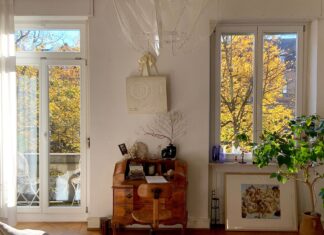
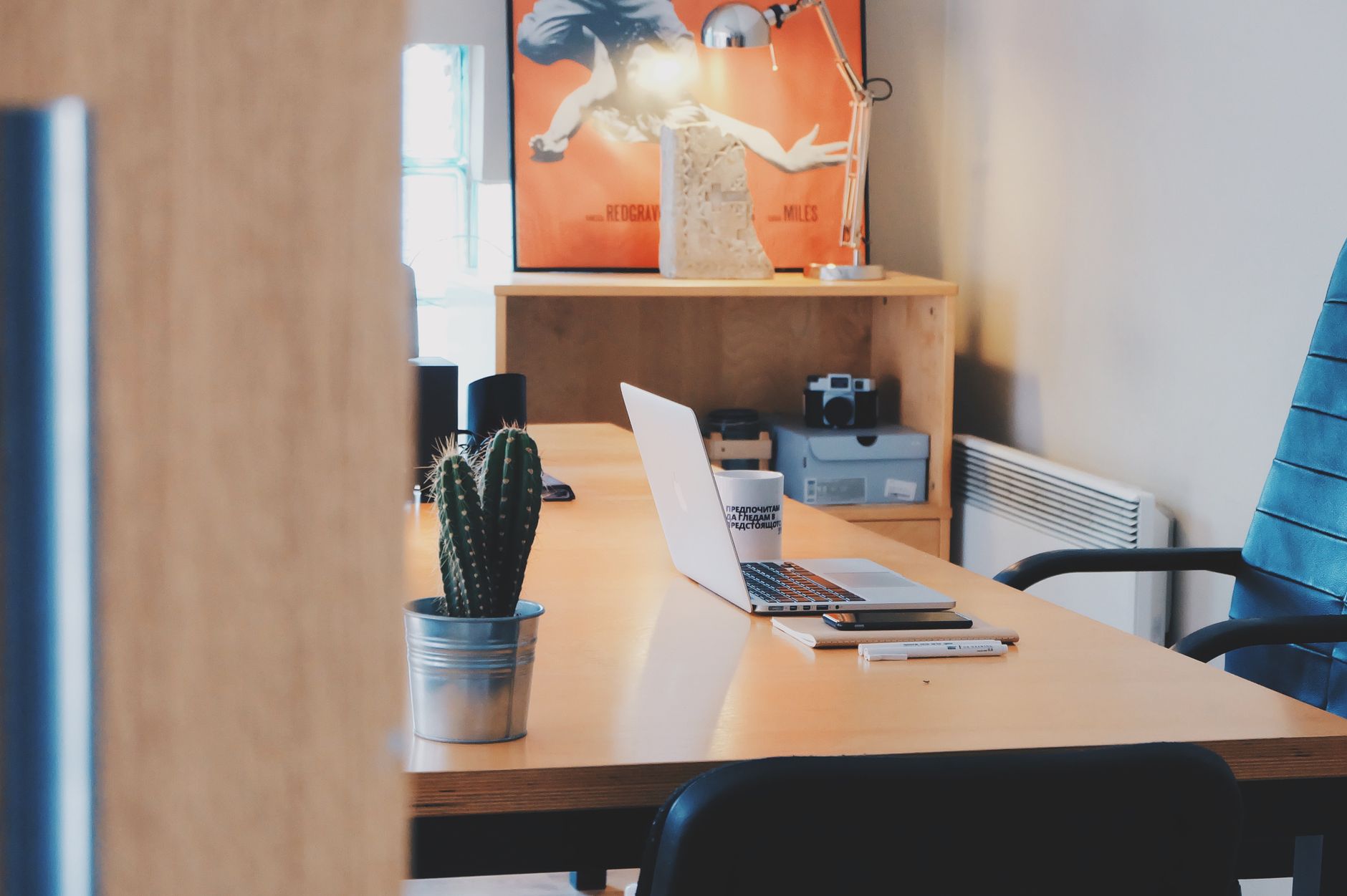
The finishing layer of any well-designed room is personality — the books, photographs, travel souvenirs, and heirloom pieces that make a space uniquely yours. Designers often refer to this as the “unstudied” quality that separates a showroom from a home. Introduce personal items after the core design decisions are in place: furniture, rugs, lighting, and color. Display meaningful collections with the same intentionality you bring to other design choices — group by color or material for a cohesive look, or frame and hang a collection of photographs at eye level for immediate impact. These personal details are what guests remember long after they leave.
Final Thoughts
Great interior design is not about following every trend or spending a fortune on new furniture. It is about understanding the principles that make spaces feel balanced, layered, and purposeful — then applying them with your own aesthetic in mind. Start with lighting, get your rug size right, and build a cohesive palette before adding texture and personal details. Each of these nine techniques can be applied incrementally, room by room, until your entire home reflects the polished, comfortable space you have always envisioned.