Lighting is the single most transformative element in bathroom design, yet it’s often the last thing homeowners think about. The right combination of fixtures can make a small bathroom feel airy and spacious, turn a standard vanity into a professional grooming station, and set the mood for everything from energizing morning routines to relaxing evening baths. Whether you’re planning a full renovation or simply refreshing your existing space, these 10 bathroom lighting ideas will help you create a room that looks and functions beautifully.
1. Layer Your Lighting for Maximum Versatility
Professional designers always work with three layers of light: ambient (general illumination), task (focused light for specific activities), and accent (decorative or mood-setting elements). In a bathroom, ambient light typically comes from a ceiling fixture or recessed lights, task lighting is placed around the vanity mirror, and accent lights highlight architectural features or artwork. Balancing all three layers prevents the flat, harsh look that single-source lighting creates. Start by identifying where each layer is needed before choosing any individual fixtures. For more expert principles, see our guide on 7 Interior Design Principles That Will Instantly Elevate Every Room.
2. Go Vertical with Vanity Side Sconces
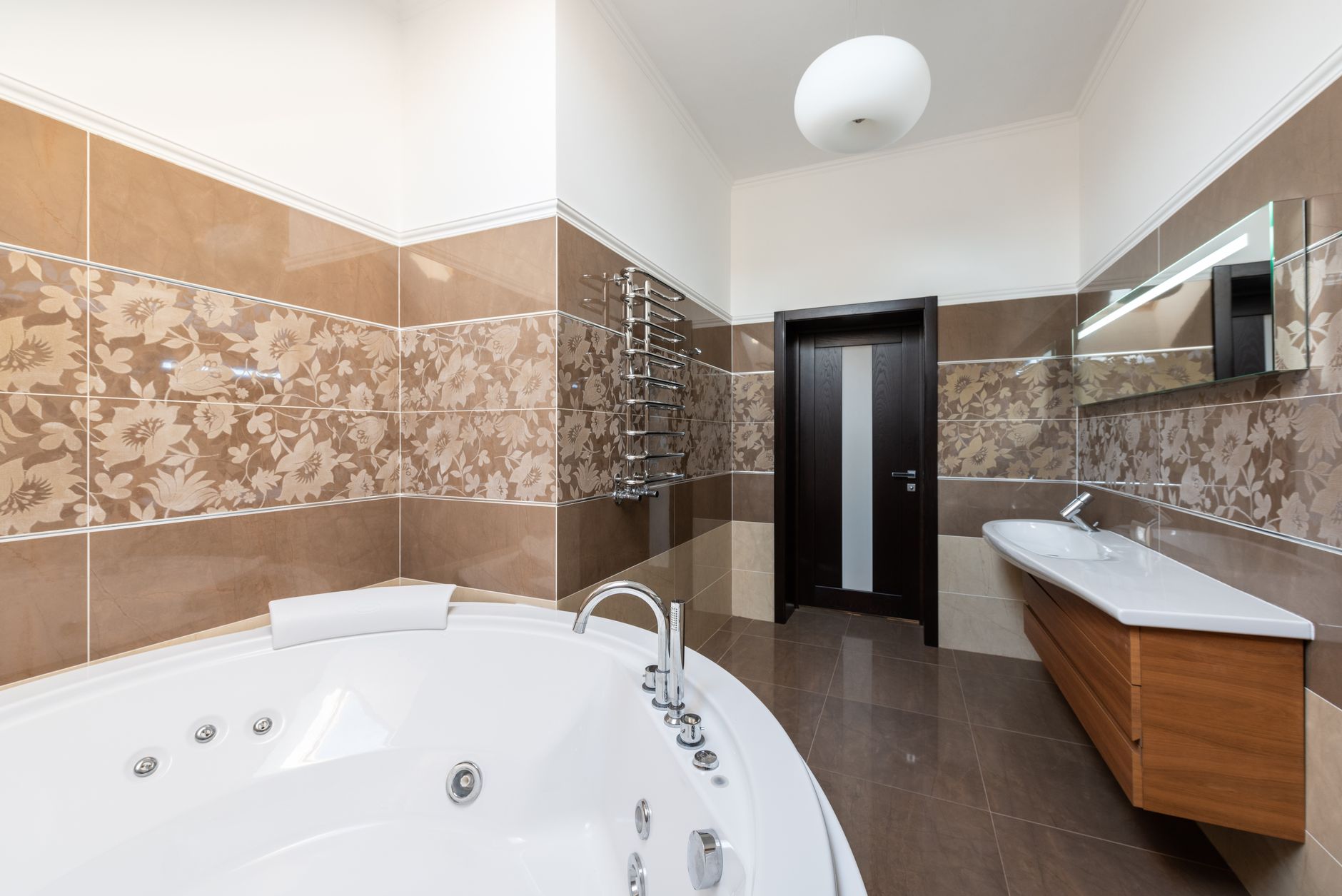
Side-mounted sconces flanking the mirror are the gold standard for task lighting at the vanity because they cast light evenly across the face without creating shadows under the chin or eyes. Mount them at eye level — typically 60 to 65 inches from the floor — for the most flattering results. Choose sconces with frosted or opal glass shades to diffuse the light and reduce glare. This setup is far superior to the common overhead strip light, which casts unflattering downward shadows. If your bathroom layout only permits one sconce, position it on the side closest to your dominant hand. This approach pairs beautifully with the renovation tips in our article on 10 Bathroom Upgrade Ideas That Will Transform Your Space in 2026.
3. Install Recessed Lighting Over the Shower
The shower area benefits enormously from dedicated lighting, yet many bathrooms leave it reliant on whatever ambient light spills in from the rest of the room. Install waterproof recessed downlights (rated for wet locations) directly overhead in the shower ceiling for safe, targeted illumination. Position one fixture toward the front and one toward the back of the shower enclosure to eliminate shadows completely. LED options in a warm white (2700K–3000K) prevent the clinical feel of cooler bulbs. If you have a walk-in shower, consider adding a waterproof LED strip along a niche shelf for a dramatic spa-like glow — an effect explored in detail in 9 Walk-In Shower Ideas to Create a Luxurious Spa Experience at Home.
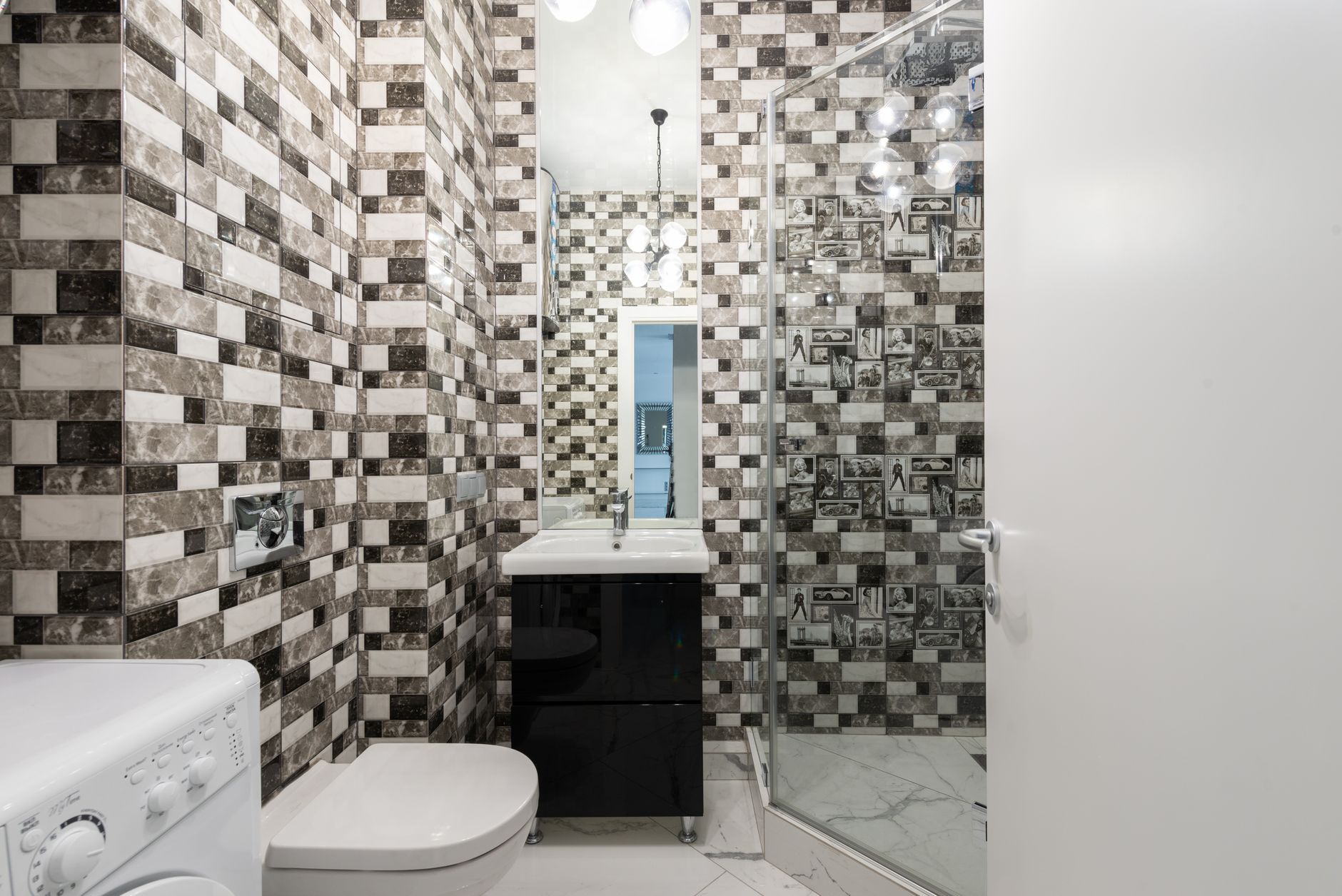
4. Use Backlit Mirrors for a Modern, Minimalist Look
Backlit mirrors — also called halo mirrors or illuminated mirrors — produce a soft glow around the perimeter of the glass that reduces eye strain and flatters complexions better than direct downlighting. The hidden light source keeps the aesthetic clean and contemporary, with no visible fixture hardware to compete with other design elements. Many backlit mirrors now include built-in dimmer controls, anti-fog heating, and even integrated Bluetooth speakers. They work equally well in small powder rooms where a bulky sconce would feel cramped. Choose a rectangular format for a sleek, architectural look, or a round backlit mirror for a softer, organic feel.
5. Add Under-Vanity LED Strip Lighting
LED strips mounted beneath a floating vanity cabinet create a subtle “floating” effect that makes the vanity appear to hover above the floor — a trick that visually enlarges the room. Use warm-white (2700K) strips for a cozy feel, or opt for tunable strips that shift between warm and cool tones depending on the time of day. This accent layer also functions as a practical night light, allowing you to navigate the bathroom without flipping on bright overhead lights in the middle of the night. The installation is straightforward: self-adhesive LED strips attach directly to the underside of the cabinet, and a plug-in driver tucks inside the cabinet or behind the toe kick. This technique complements the storage strategies covered in 9 Clever Bathroom Storage Ideas to Organize and Elevate Your Space.
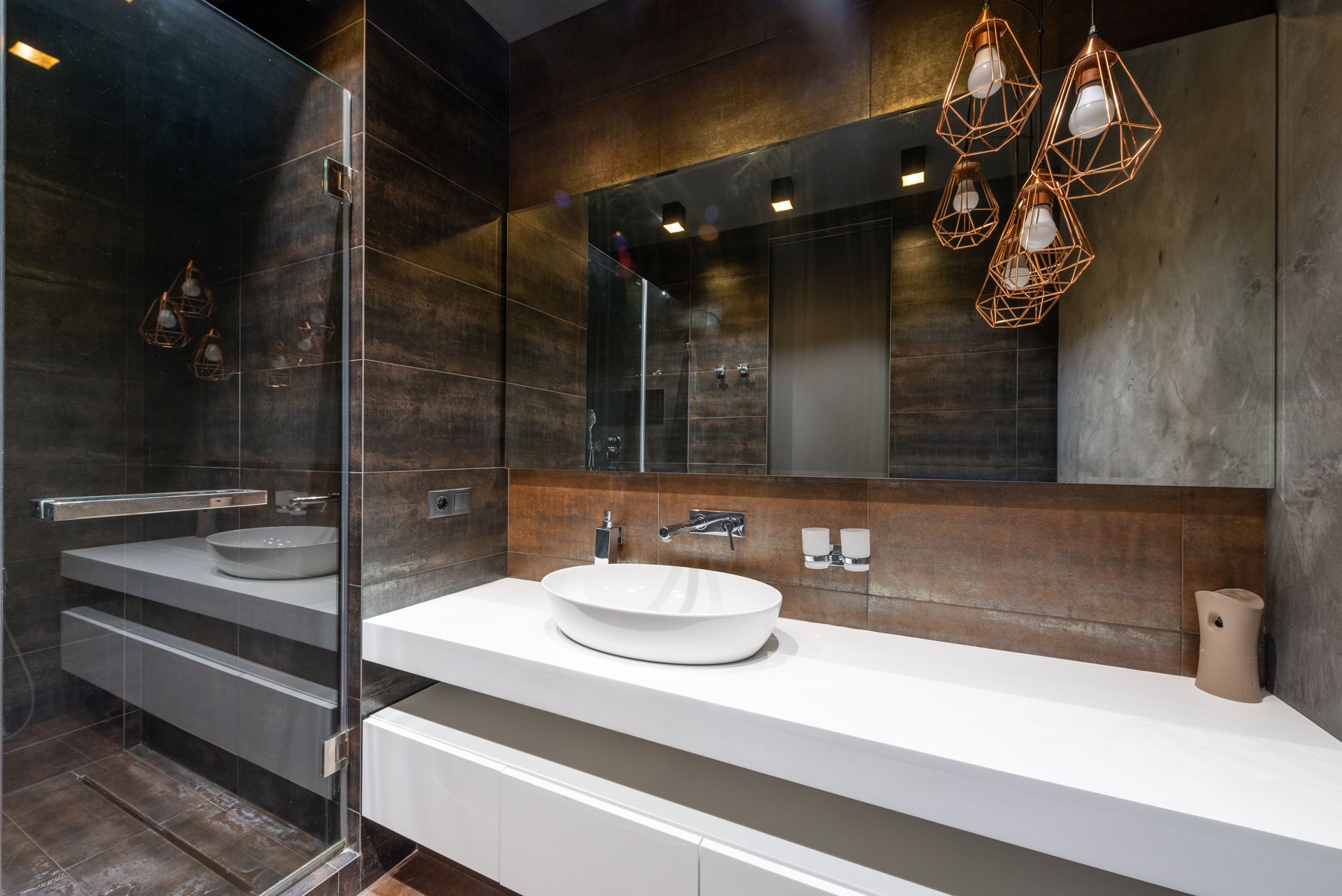
6. Try a Statement Pendant Over a Freestanding Tub
If your bathroom features a freestanding bathtub, a single dramatic pendant light above it creates an instant focal point and a sense of luxury that no other fixture can match. Choose a pendant with a warm-toned bulb and a shade that directs light downward and inward, illuminating the tub without glare. Ensure the fixture is rated for damp or wet locations depending on how close it will be to the tub’s splash zone. A pendant light also provides an opportunity to introduce interesting materials — rattan, hand-blown glass, aged brass, or matte black metal — that add texture to what might otherwise be an all-white or monochrome space. For more inspiration on creating a spa-like retreat, visit our post on 8 Spa-Inspired Bathroom Ideas to Create a Luxurious Retreat at Home.
7. Incorporate Dimmer Switches for Every Circuit
Dimmers are one of the highest-return investments in bathroom lighting design. Installing dimmer switches on every lighting circuit — ambient, task, and accent — gives you complete control over mood and intensity at any time of day. Bright, cool light at 100% supports detailed grooming; soft, warm light at 20–30% sets a relaxing atmosphere for a bath. Many smart dimmers can be programmed with preset scenes, so a single tap brings everything to your preferred evening setting automatically. Ensure compatibility between your dimmer and your LED bulbs before purchasing, as not all LED drivers are dimmable. The combination of dimmable circuits and layered lighting produces a bathroom that adapts to every scenario.
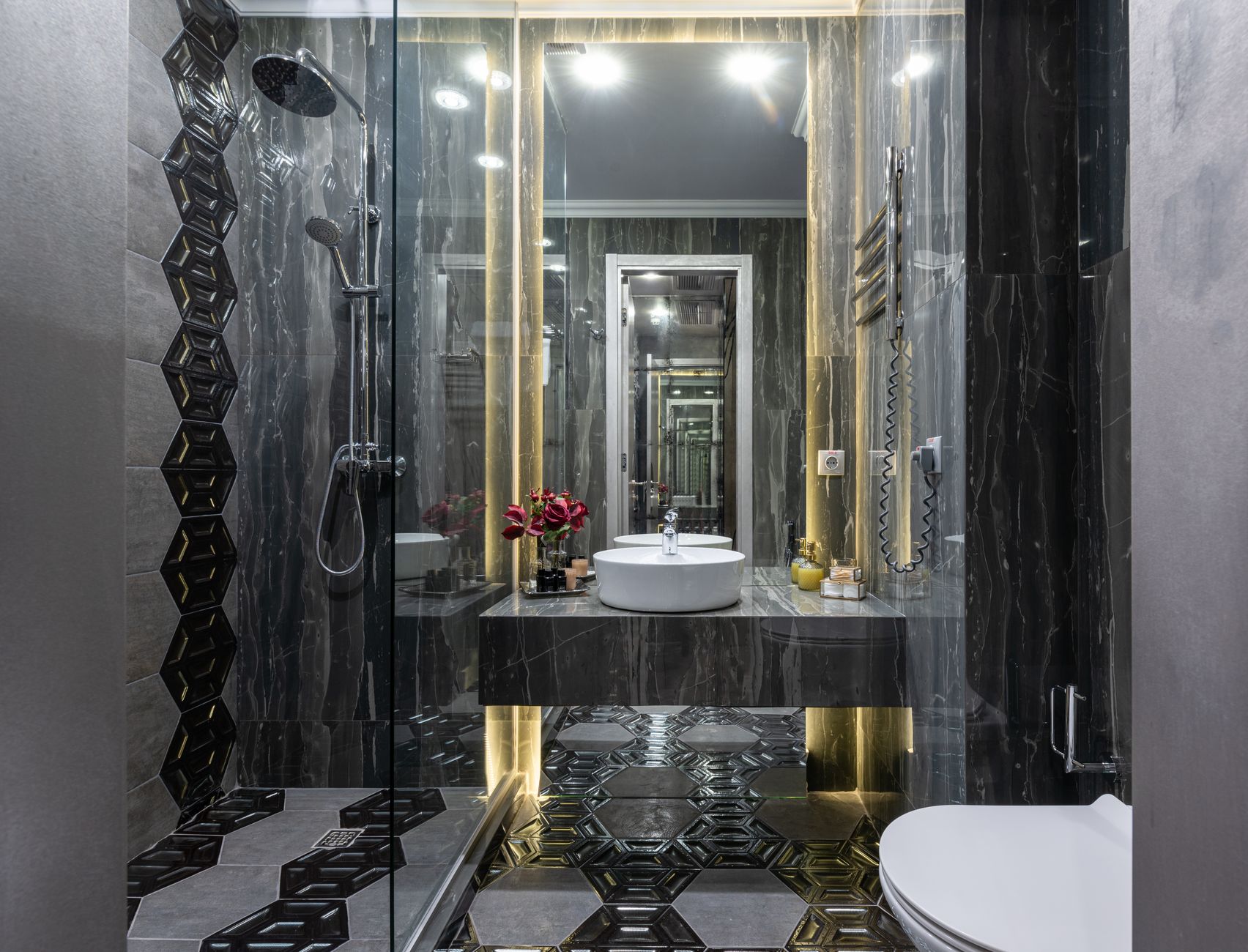
8. Highlight Architecture with Cove Lighting
Cove lighting — LED strips or rope lights concealed in a recessed ledge near the ceiling — casts a soft wash of light upward along the wall or ceiling plane, emphasizing the room’s volume and architectural details. It works especially well in bathrooms with coffered ceilings, barrel vaults, or high ceilings that deserve visual attention. Unlike direct downlighting, cove lighting produces virtually no shadows or glare, making it a soothing addition to the ambient layer. Use warm-white strips to avoid the stark, clinical feeling of cool-white cove light in a relaxation-focused space. This technique pairs perfectly with the design trends discussed in 9 Bathroom Design Trends That Will Elevate Your Space in 2026.
9. Choose Bulb Color Temperature Carefully
Color temperature — measured in Kelvin (K) — dramatically affects how a bathroom feels and how accurately you can assess colors for grooming. The sweet spot for most bathrooms is 2700K to 3000K, which renders skin tones accurately and creates a warm, welcoming atmosphere. Avoid bulbs below 2700K (too yellow and dim) or above 4000K (too blue and harsh) in living spaces. For makeup application or skincare routines where color accuracy is critical, look for bulbs with a high Color Rendering Index (CRI) of 90 or above — these reproduce colors as they appear in natural daylight. Consistent color temperature across all fixtures in the room is equally important; mixing warm and cool bulbs creates a disjointed, unflattering effect.
10. Don’t Neglect the Toilet Alcove or Niche Areas
Separate toilet enclosures and recessed wall niches are often ignored in lighting plans, resulting in dark corners that undermine the overall design. A small recessed downlight above the toilet compartment provides necessary task lighting while maintaining privacy if the enclosure has a door. Illuminating wall niches — whether they hold decorative objects, plants, or spare towels — turns storage into a design feature. A single LED puck light or a short run of LED strip inside a niche creates a beautiful display with minimal effort. These finishing touches signal a thoughtful, complete design rather than an afterthought, and they directly align with the styling advice in 9 Interior Design Secrets Professionals Use to Create Stunning Homes.
Final Thoughts
Bathroom lighting deserves the same careful planning as any other element of the room. By layering ambient, task, and accent light — and paying attention to color temperature, fixture placement, and dimmer controls — you can transform an ordinary bathroom into a space that is both highly functional and genuinely beautiful. Whether you start with one targeted upgrade like vanity sconces or undertake a complete lighting overhaul, every improvement you make will pay dividends in daily comfort and long-term enjoyment. For further inspiration on elevating your home’s interiors, explore our collection of 8 Interior Design Rules That Will Transform Every Room in Your Home.