Great interior design does not happen by accident. Behind every beautifully composed room is a set of deliberate principles — techniques that professional designers apply consistently to make spaces feel cohesive, comfortable, and visually compelling. Whether you are redesigning your entire home or refreshing a single room, understanding these strategies will sharpen your eye and elevate your results. If you want to build a solid foundation, start by reviewing these 8 Interior Design Principles That Will Instantly Elevate Your Home before diving into the secrets below.
1. Start With a Focal Point in Every Room
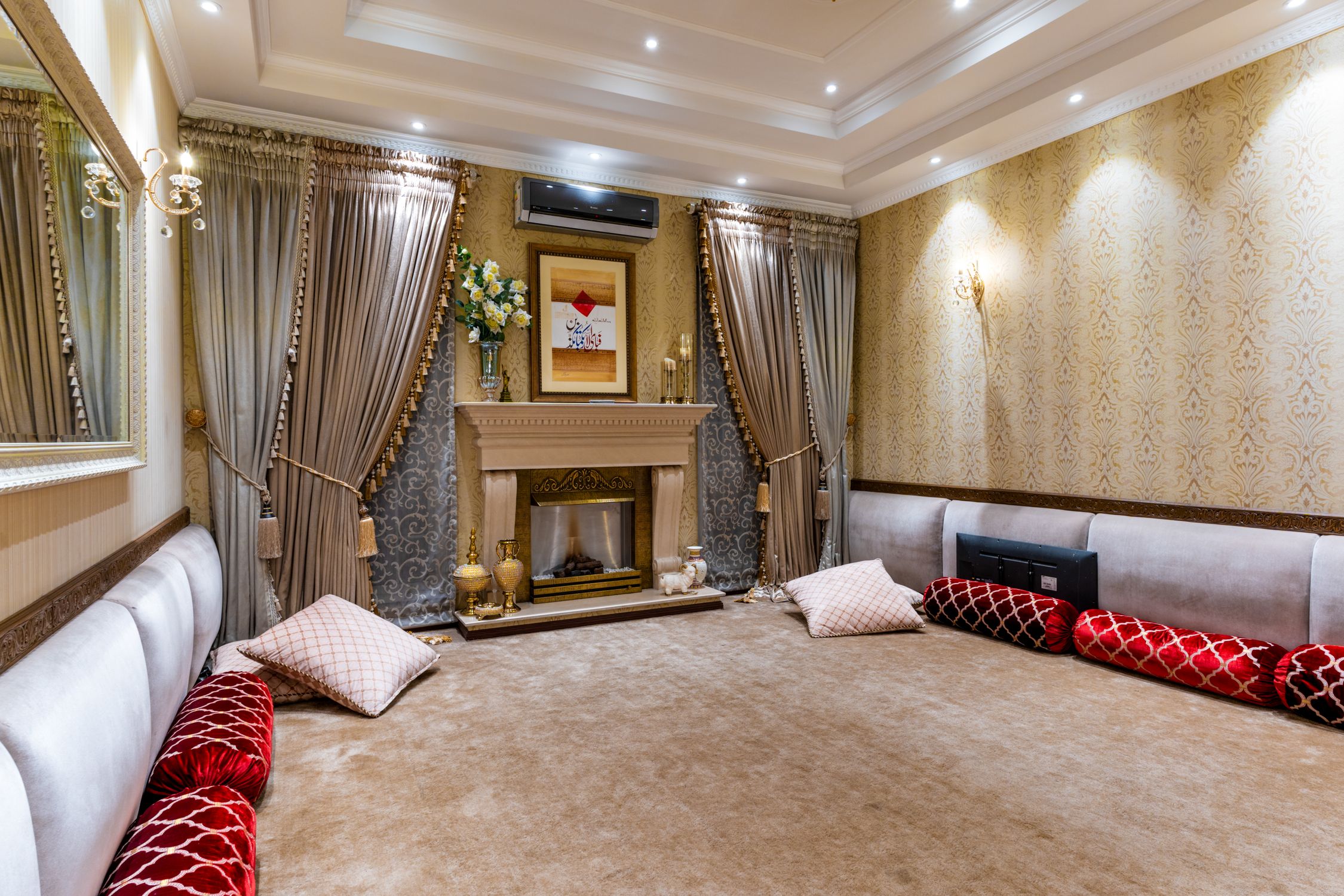
Every well-designed room has a single element that immediately draws the eye — a fireplace, a statement wall, a piece of art, or an architectural feature. Professionals always identify or create this focal point before placing any other furniture or decor. Everything else in the room should be arranged to complement, not compete with, that anchor. Without a focal point, rooms can feel directionless and visually cluttered no matter how beautiful the individual pieces are.
2. Master the Art of Layered Lighting
Amateur decorators often rely on a single overhead light source, which creates flat, unflattering illumination. Professionals layer three types of lighting: ambient (general room light), task (focused light for reading or cooking), and accent (light that highlights art or architectural details). This layered approach gives you full control over a room’s mood at any time of day. Adding dimmer switches to each layer multiplies your flexibility even further.
3. Use the Rule of Three for Decorative Arrangements
When styling shelves, coffee tables, or mantels, designers almost always group objects in odd numbers — especially threes. Three items at varying heights create a natural triangle that the eye finds pleasing and dynamic. Pair this technique with contrast: vary the height, texture, and material of each item in your grouping. A tall vase next to a medium-height book stack beside a small sculptural object is a classic professional move that instantly elevates any surface.
4. Choose a Cohesive Color Story
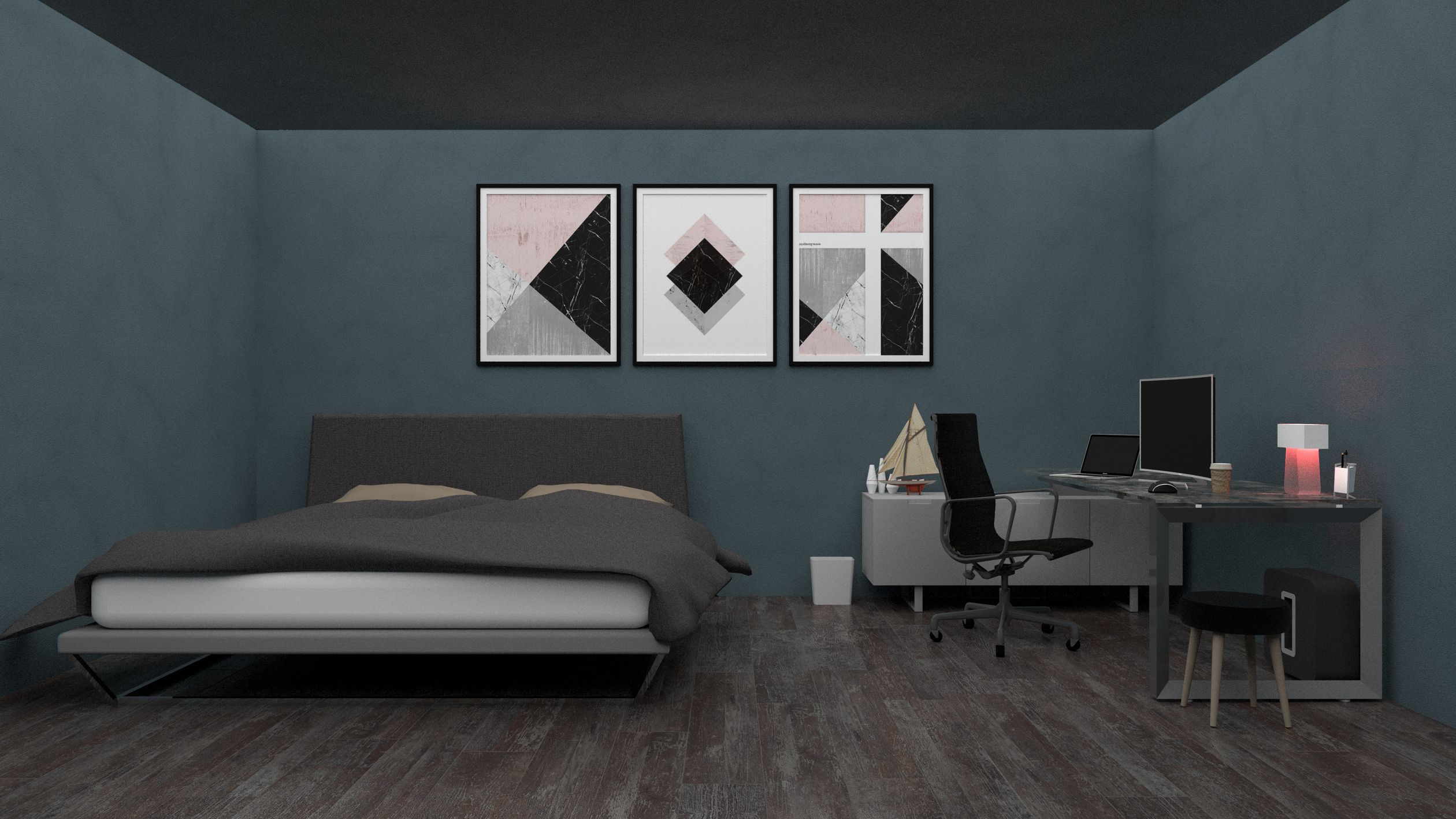
Color is the fastest way to unify a space or create a sense of chaos. Professionals build a room’s palette around no more than three main colors — a dominant hue for about 60% of the room, a secondary color for 30%, and an accent for 10%. This ratio keeps the design balanced without feeling monotonous. For deeper guidance on how these principles interconnect, the post on 9 Interior Design Principles That Will Transform Any Room explores color and balance in detail.
5. Never Underestimate the Power of Scale and Proportion
One of the most common mistakes homeowners make is choosing furniture that is too small for the room. A rug that barely extends under the front legs of a sofa, or a dining table light fixture hung too high — these scale errors make even expensive rooms look unfinished. Professionals always measure before they purchase and use floor-plan sketches to visualize proportions. As a general rule, rugs should extend at least 18–24 inches beyond the sofa on each side, and pendant lights over a dining table should hang 30–36 inches above the tabletop.
6. Mix Textures to Add Depth and Warmth
A room furnished entirely in smooth surfaces — polished wood, lacquered finishes, silk fabric — can look beautiful in a magazine but feels cold in real life. Designers always introduce textural contrast: a linen sofa paired with a chunky knit throw, a marble coffee table alongside a jute rug, metal light fixtures against a plaster wall. Texture catches light differently at various times of day, making a room feel alive and layered even when the color palette is deliberately restrained. For a look at how texture works in a specific design style, check out this Contemporary-Style Family Interior in Brownish Hues.
7. Treat Art as Architecture, Not an Afterthought
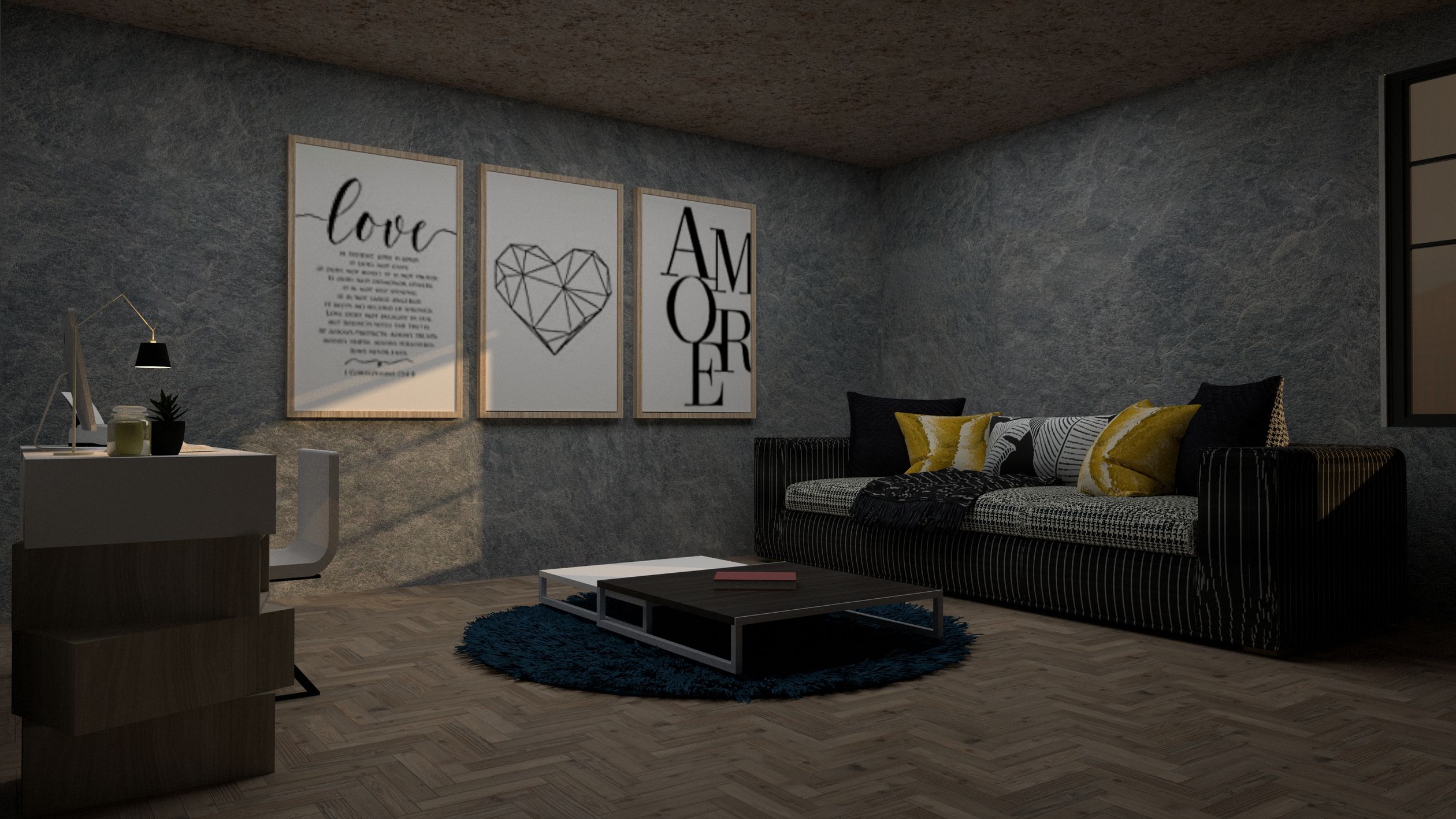
Many homeowners hang art too high and too small. The professional standard is to hang the center of a piece at eye level — approximately 57–60 inches from the floor — and to choose artwork that is appropriately scaled to its wall. A small canvas on a large wall looks lost; a gallery wall done correctly fills the space with personality and narrative. Art should be integrated into the room’s design from the beginning, not added as the last decorative layer after everything else is done.
8. Design for Flow and Function First
Beautiful rooms that are uncomfortable to live in fail at the most basic level of design. Professionals always prioritize traffic flow — ensuring at least 36 inches of clear walkway between furniture pieces — and consider how people actually use the space before committing to a layout. A living room that forces guests to squeeze past the sofa, or a kitchen island that blocks the path to the refrigerator, creates daily friction that no amount of aesthetic polish can fix. For practical tips on making your living room both functional and stunning, see these 8 Interior Design Tips to Transform Your Living Room.
9. Invest in a Few Statement Pieces Instead of Many Mediocre Ones
Budget is always a constraint, and professional designers know how to allocate it wisely. Rather than filling every surface and corner with inexpensive decor, they invest in two or three standout pieces — a striking sofa, a hand-crafted light fixture, a large original artwork — and keep everything else simple and neutral. This approach creates rooms that feel curated and intentional rather than accumulated. If you enjoy personalizing your space with unique touches, Your Personal Space: 6 Best Ideas in Building a Perfect Man Cave offers creative inspiration for dedicated personal areas. And if you want to refresh pieces you already own, DIY Tips: The Appropriate Way of Painting Furnishings is a great resource for giving old furniture a new lease on life.
Final Thoughts
The gap between a room that looks good and one that looks professionally designed usually comes down to these fundamental principles applied with intention. Focal points, layered lighting, thoughtful scale, texture contrast, and strategic investment in statement pieces are tools available to any homeowner willing to plan carefully. For broader inspiration on how these secrets translate into full-home transformations, explore these 10 Stunning Home and Garden Decoration Ideas to Transform Your Space. Take your time, trust the process, and your home will reward you with beauty and comfort for years to come.