A beautifully designed home doesn’t happen by accident — it’s the result of applying timeless interior design principles with intention and consistency. Whether you’re starting from scratch or refreshing a space you’ve lived in for years, understanding the core rules of design gives you the confidence to make decisions that look polished and feel right. From mastering balance and proportion to working with light and texture, these seven principles are the foundation every stylish interior is built on.
1. Balance Creates Visual Harmony
Balance is one of the most fundamental interior design principles, and it comes in three forms: symmetrical, asymmetrical, and radial. Symmetrical balance — mirroring identical elements on either side of a central axis — feels formal and orderly, making it ideal for classic or traditional spaces. Asymmetrical balance is more dynamic, pairing items of different sizes or visual weights to create equilibrium without mirroring. Radial balance, where elements fan outward from a central focal point like a round dining table, adds movement and energy to a room. For a deeper dive into achieving harmony in your space, explore our guide on 8 Interior Design Principles That Will Instantly Elevate Your Home.
2. Scale and Proportion Define the Feel of a Room
Nothing disrupts a room faster than furniture that’s the wrong size. Scale refers to the size of an object relative to the room, while proportion is about the relationship between objects themselves. A massive sectional in a tiny apartment overwhelms the space; a petite loveseat floating in a cavernous living room looks lost. Always measure your room before purchasing furniture and aim for pieces that leave enough negative space — typically 18 inches between a coffee table and sofa, and at least 36 inches for traffic pathways. Getting these numbers right is the single fastest way to make a room look professionally designed. Our article on 9 Interior Design Principles That Will Transform Any Room expands on this with practical examples.
3. A Focal Point Anchors Every Space
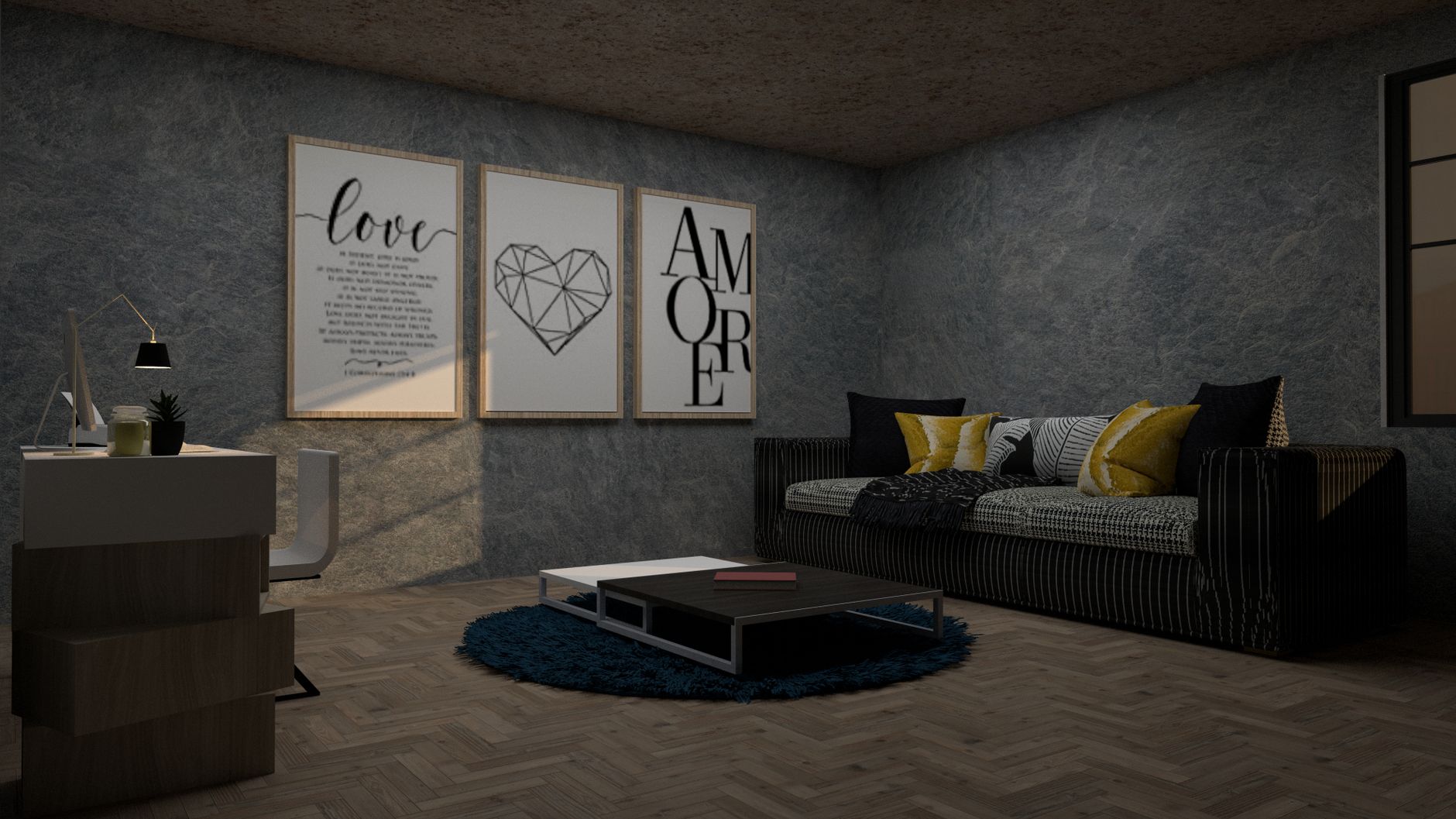
Every well-designed room needs a focal point — one dominant feature that draws the eye and anchors the arrangement of all other elements around it. In a living room, this might be a fireplace, a large piece of artwork, or a statement sofa in a bold color. In a bedroom, the headboard wall typically serves as the natural focal point. Once you’ve identified or created a focal point, arrange your furniture and decor to support and enhance it rather than compete with it. If your room lacks a natural focal point, you can create one easily with a gallery wall, a bold rug, or an oversized pendant light. Check out these 8 Interior Design Tips to Transform Your Living Room Into a Stunning Retreat for focal point inspiration.
4. Rhythm Keeps the Eye Moving
Rhythm in interior design is about creating visual flow — the way your eye travels through a space from one point to another. You can establish rhythm through repetition (repeating a color, shape, or texture throughout a room), transition (gradually changing one element, like ceiling height or color value), or contrast (placing opposing elements side by side for impact). A simple way to apply this is to repeat your accent color in at least three places across the room — in a throw pillow, a piece of art, and a small decorative object. This creates a sense of intention and cohesion without making the space feel monotonous. For more creative approaches, read about 9 Interior Design Secrets Professionals Use to Create Stunning Homes.
5. Layer Lighting for Depth and Ambiance
Relying solely on overhead lighting is one of the most common interior design mistakes. Professional designers always layer three types of lighting: ambient (general illumination), task (focused light for specific activities), and accent (decorative lighting that highlights architectural features or art). A well-lit living room might have recessed ceiling lights for ambient glow, table lamps on either side of the sofa for task lighting, and picture lights above artwork for accent. Dimmer switches are an inexpensive upgrade that dramatically changes the mood of any room. Natural light matters too — maximize it with sheer curtains, strategically placed mirrors, and light-reflective paint colors. For even more inspiration, explore these 9 Proven Home Decorating Ideas That Will Transform Any Room.
6. Texture and Pattern Add Depth and Interest
A room furnished entirely in smooth, flat surfaces feels sterile no matter how beautiful the individual pieces are. Texture — through velvet cushions, a chunky knit throw, a sisal rug, or rough-hewn wood — adds tactile richness that makes a space feel warm, layered, and lived-in. Patterns work similarly, adding visual complexity when layered thoughtfully. The key to mixing patterns successfully is to vary their scale: pair a large-scale geometric with a medium-scale floral and a small-scale stripe, keeping a consistent color palette to tie them together. Even in a predominantly neutral room, a single patterned throw pillow or a textured bouclé armchair can transform the space from flat to inviting. See how today’s top designers are mixing materials in 10 Interior Design Trends That Will Elevate Every Room in Your Home.
7. Color Sets the Emotional Tone
Color is the most powerful tool in the interior designer’s kit. Warm tones like terracotta, golden yellow, and deep red create energy and intimacy, making them ideal for social spaces like dining rooms and living areas. Cool tones — soft blue, sage green, lavender — are calming and restorative, perfect for bedrooms and home offices. Neutral palettes of white, cream, greige, and charcoal provide flexibility and a timeless backdrop. When building a color scheme, apply the 60-30-10 rule: 60% dominant color (walls and large furniture), 30% secondary color (upholstery and curtains), and 10% accent color (accessories and art). Test paint samples in different lighting conditions before committing, as colors shift dramatically from morning to evening light. For full-room makeover ideas using color, explore these 10 Transformative Decorating Ideas to Refresh Every Room.
Final Thoughts
Great interior design isn’t about following trends or spending a fortune — it’s about understanding the principles that make spaces feel considered, cohesive, and beautiful. By mastering balance, scale, focal points, rhythm, lighting, texture, and color, you have everything you need to transform any room from ordinary to extraordinary. Start with one principle at a time, apply it consistently, and you’ll be surprised how quickly your home begins to reflect the intentional, elevated aesthetic you’ve always envisioned. For more expert guidance, don’t miss our comprehensive overview: 8 Interior Design Rules That Will Transform Every Room in Your Home.