The ceiling is the fifth wall of any bedroom, yet it’s often the last surface anyone thinks to decorate. While most attention goes to accent walls and statement headboards, a thoughtfully designed ceiling can transform a plain sleep space into something that feels intentional and layered. From subtle texture to bold color, these ideas prove that looking up is worth the effort.
Try a Soft Color Wash Overhead
Painting the ceiling a few shades lighter or darker than the walls creates a cocooning effect that makes a bedroom feel more restful. Warm neutrals and dusty blues work particularly well because they soften overhead light without making the room feel smaller. This approach pairs naturally with a calming bedroom color palette already on the walls. Keep the sheen matte to avoid glare and let the color do the quiet work.
Add Exposed or Faux Wood Beams
Wood beams instantly bring warmth and architectural weight to a bedroom, even in newer homes without original structural beams. Faux beams made from lightweight polyurethane mimic the look of reclaimed timber at a fraction of the cost and installation time. They read especially well in bedrooms with vaulted or sloped ceilings, where the extra height can otherwise feel empty. Stain them to match existing wood tones, such as a nightstand or headboard, so the look feels cohesive rather than accidental.
Install a Statement Light Fixture
A ceiling is only as interesting as what hangs from it, and swapping a builder-grade flush mount for a sculptural pendant or chandelier changes the entire mood of the room. Oversized drum shades, woven rattan pendants, and low-hanging chandeliers all draw the eye upward and add a sense of scale. Pairing a statement fixture with layered bedroom lighting elsewhere in the room keeps the overall effect balanced rather than top-heavy. Just make sure the fixture hangs high enough to clear the bed comfortably.
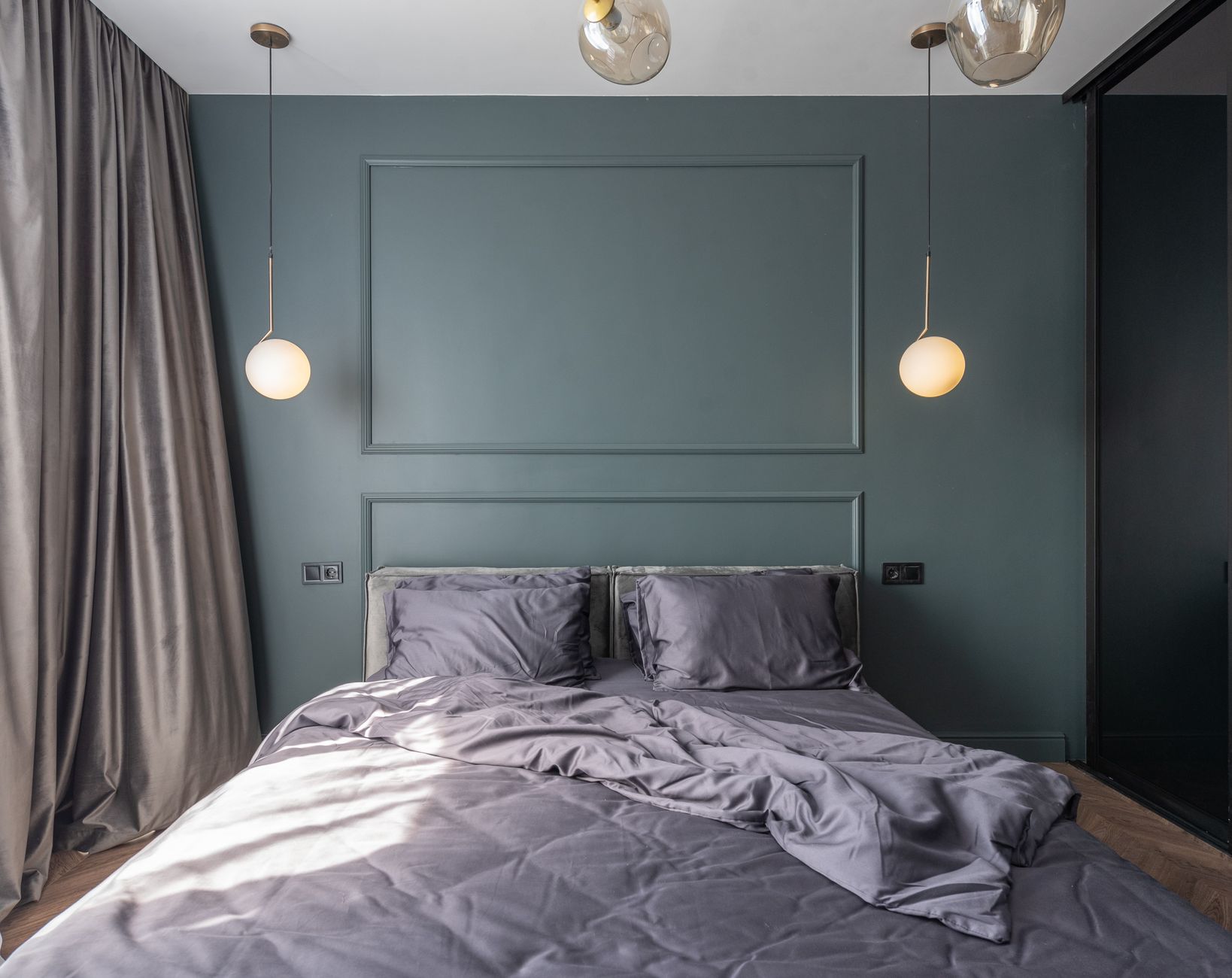
Bring in Wallpaper or Textured Panels
A patterned wallpaper on the ceiling, sometimes called a “fifth wall” treatment, is one of the fastest ways to make a bedroom feel custom-designed. Subtle textures like grasscloth or a soft geometric print tend to age better than anything too graphic or trendy. For a more dimensional option, tongue-and-groove or shiplap panels add texture without committing to a bold pattern. Both approaches work especially well in bedrooms that already lean toward a maximalist or eclectic home design style.
Define the Space With a Tray or Coffered Ceiling
Tray ceilings, which step upward toward the center of the room, add architectural depth without requiring major structural changes. Coffered ceilings, built from a grid of recessed panels, bring a more traditional and formal feel that suits larger primary bedrooms. Both styles create natural opportunities for accent lighting, such as rope lights tucked into the recess of a tray ceiling. This kind of detail is a subtle nod to classic home design principles that prioritize proportion and depth.
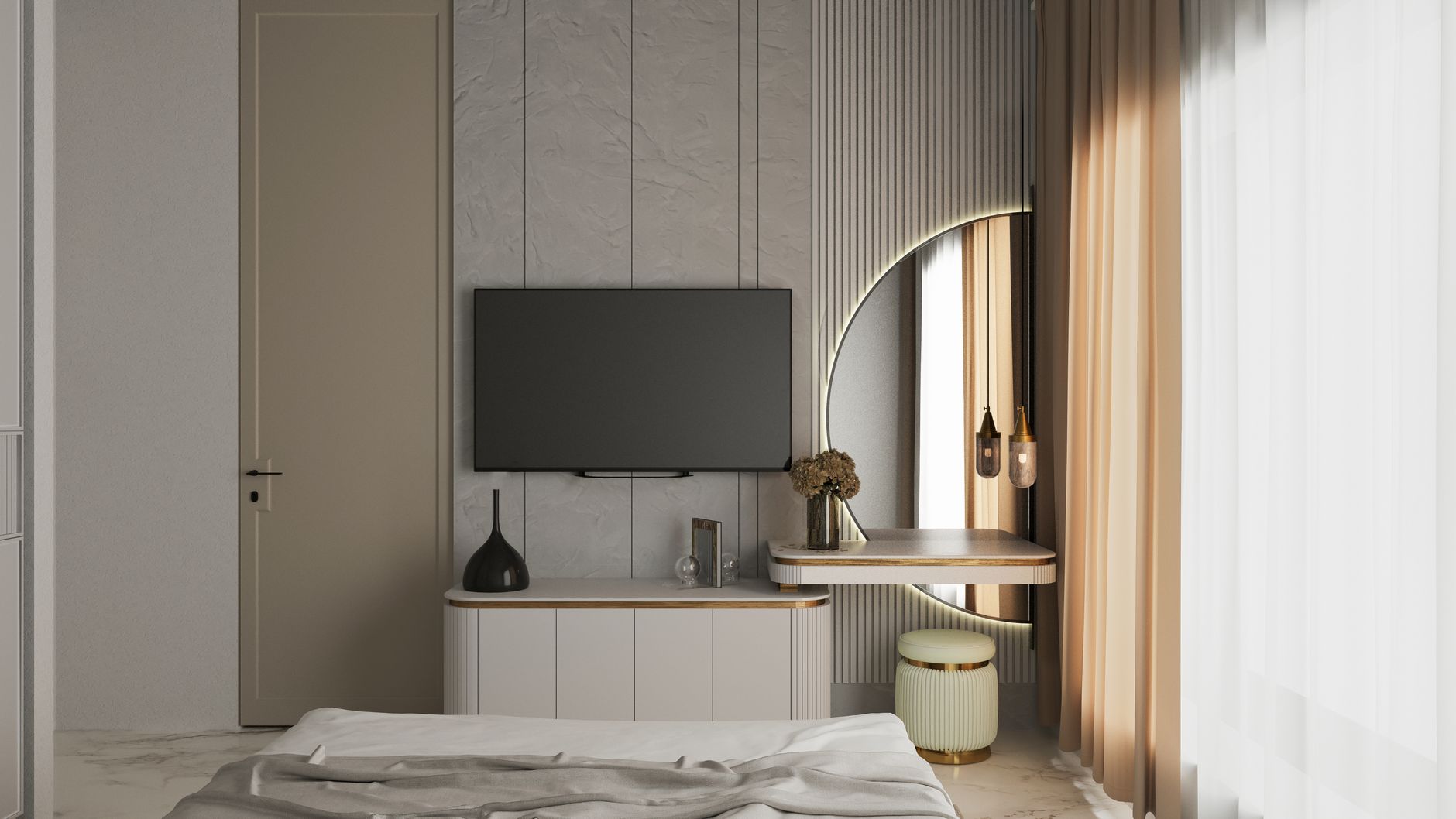
Use Mirrors or Reflective Finishes Sparingly
A mirrored or high-gloss ceiling finish can make a low-ceilinged bedroom feel taller by bouncing light around the room. This works best in small doses, such as a mirrored ceiling medallion behind a light fixture, rather than covering the entire surface. Reflective finishes also pair nicely with rooms that already maximize natural light, similar to strategies used in small space design. Test a sample panel first, since glossy finishes can highlight uneven drywall.
Paint a Mural or Sky-Inspired Design
For a bedroom that feels a little more personal, a hand-painted or stenciled mural on the ceiling can become the room’s quiet focal point. Soft cloud motifs, celestial patterns, or an abstract wash of color all work well because they don’t compete with furniture or bedding below. This is a project best suited to a bedroom used primarily for rest, since busier patterns can feel overstimulating in a small guest room or nursery. Choose a design that still allows the ceiling light fixture to remain the visual anchor of the space.
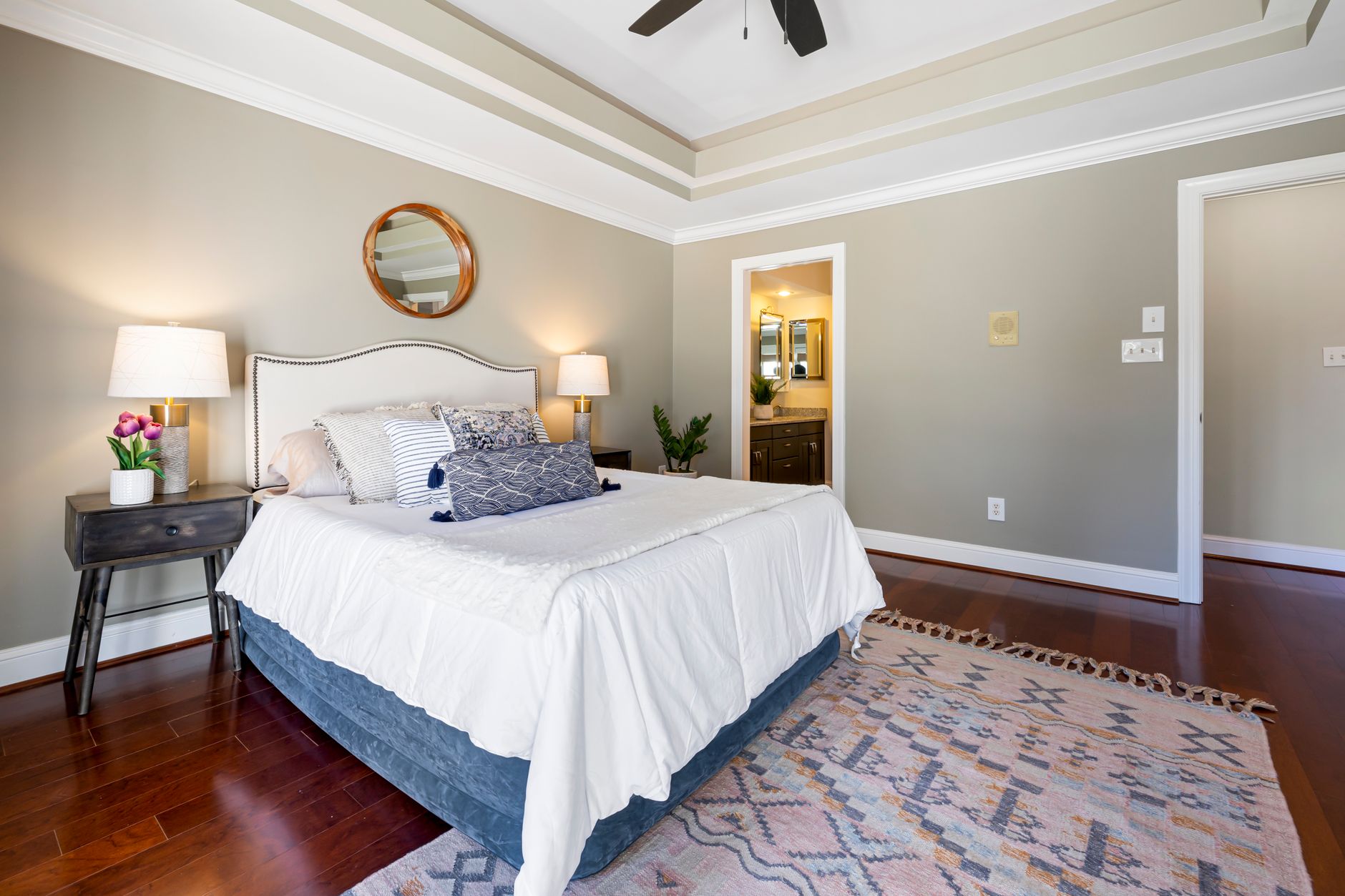
Frame the Ceiling With Crown Molding
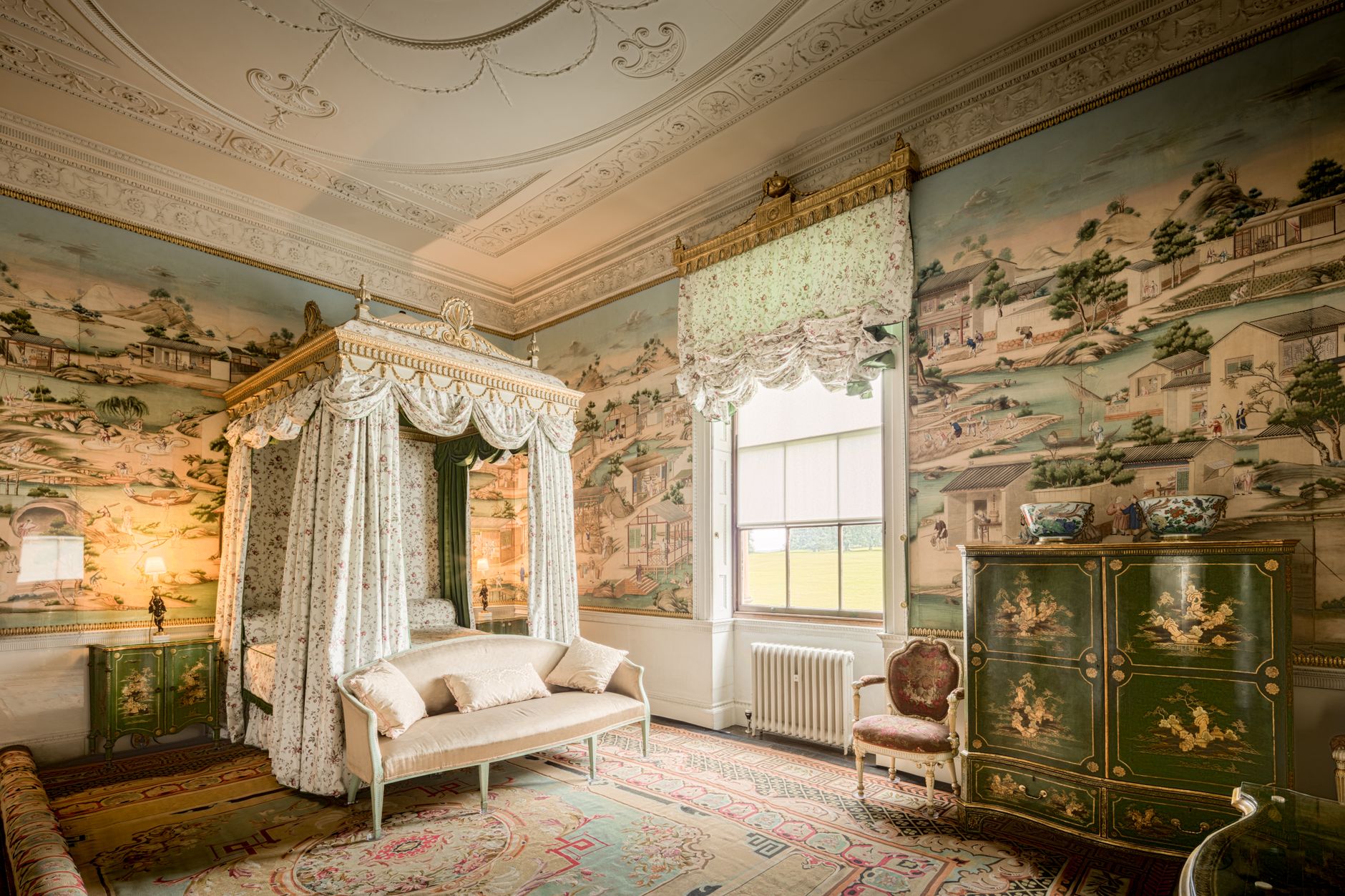
Crown molding is one of the simplest ways to give a ceiling a finished, custom look, especially in older homes where the transition between wall and ceiling can feel abrupt. Wider profiles suit rooms with higher ceilings, while slimmer molding keeps standard-height bedrooms from feeling boxed in. Painting the molding the same color as the ceiling, rather than the walls, creates a seamless line that makes the room feel taller. It’s a detail that pairs well with almost any bedroom styling approach, from traditional to transitional.
Final Thoughts
A bedroom ceiling doesn’t need a dramatic overhaul to make an impact. Sometimes a single well-chosen light fixture or a coat of color is enough to change how the entire room feels. Start with one idea that matches your existing bedroom furniture arrangement and layout, then build from there. The fifth wall has more design potential than most people realize, and a little attention overhead can make the whole room feel more complete.