Whether you’re planning to sell next year or simply want your house to feel more valuable every time you walk through the door, certain design choices consistently pay off. Buyers and appraisers respond to specific, tangible upgrades — not just trends. These nine changes strike the balance between smart investment and everyday livability, so you enjoy the benefits long before any “for sale” sign goes up.
1. Refresh the Front Door and Entry
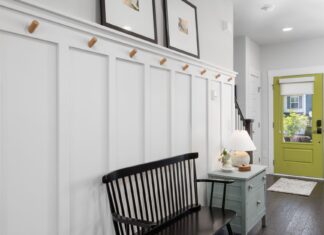
First impressions still drive real estate decisions, and a tired front door undercuts everything else you’ve done inside. A fresh coat of paint in a confident color, updated hardware, and clean house numbers signal that the rest of the home has been cared for too. Pair the door with simple, symmetrical planters or lighting fixtures to frame the entrance without overcomplicating it. This is one of the cheapest updates on this list, yet appraisers consistently note its outsized effect on curb appeal.
2. Open Up the Floor Plan (Visually)
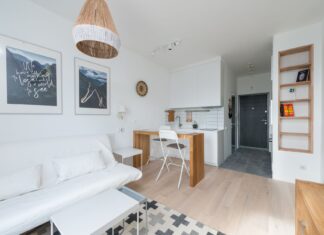
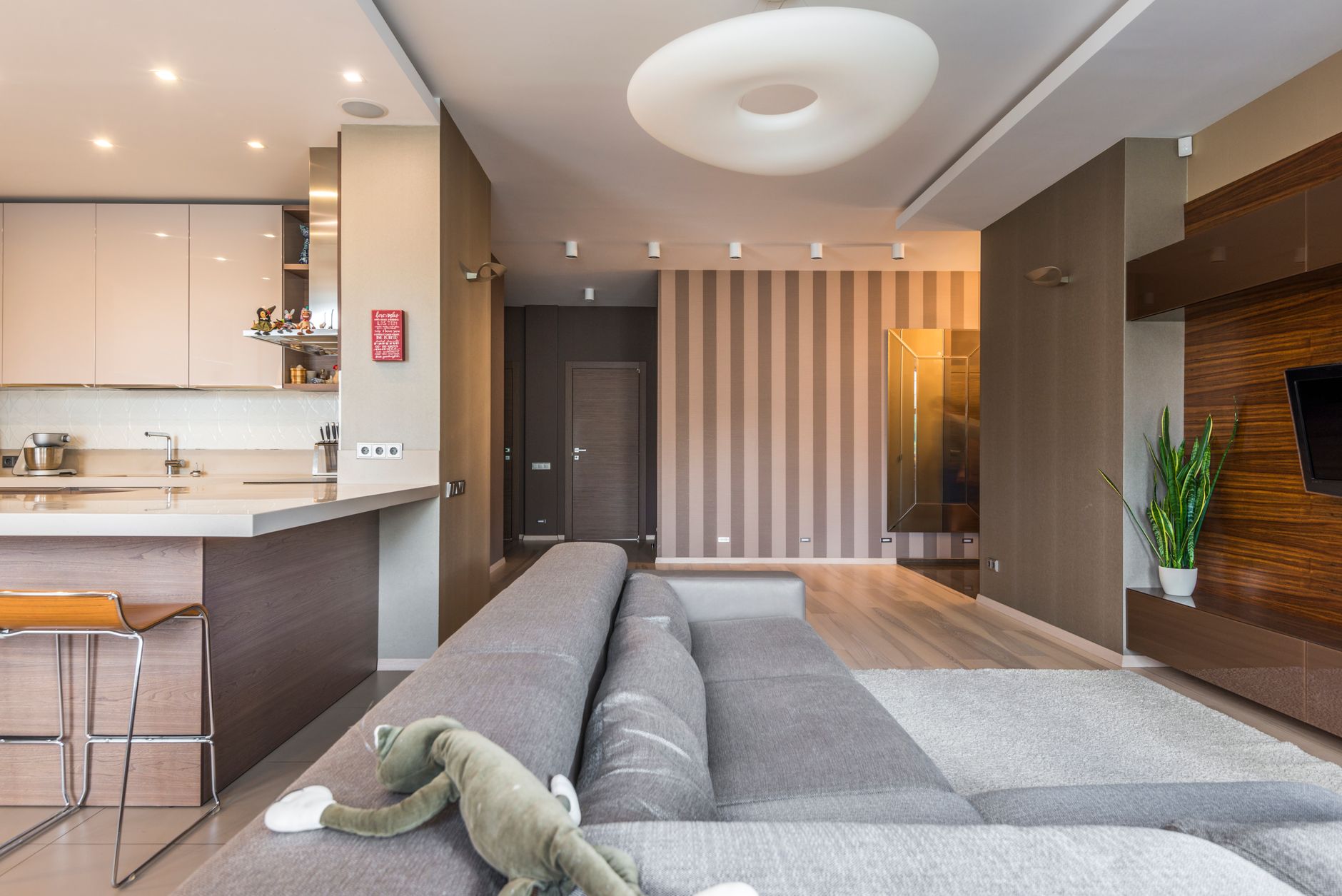
You don’t need to knock down walls to make a home feel more open. Removing bulky furniture, choosing lower-profile pieces, and creating clear sightlines between the kitchen, dining, and living areas can make a modest floor plan feel significantly larger. If you’re unsure where to start, these home design habits that make a house feel effortlessly put together offer a good framework for editing a room without losing warmth. Buyers consistently rank an open, flowing layout among their top priorities during walkthroughs.
3. Upgrade the Kitchen Without a Full Remodel
A full kitchen renovation rarely recoups its full cost, but targeted updates almost always do. Swapping outdated cabinet hardware, adding a tile backsplash, and replacing a dated faucet can transform the room’s perceived value for a fraction of the price of new cabinetry. If your cabinets are structurally sound, refinishing or repainting them delivers a dramatic before-and-after without the expense of replacement. These are exactly the kinds of home design secrets that instantly elevate any room that buyers notice first.
4. Bring in Natural Light
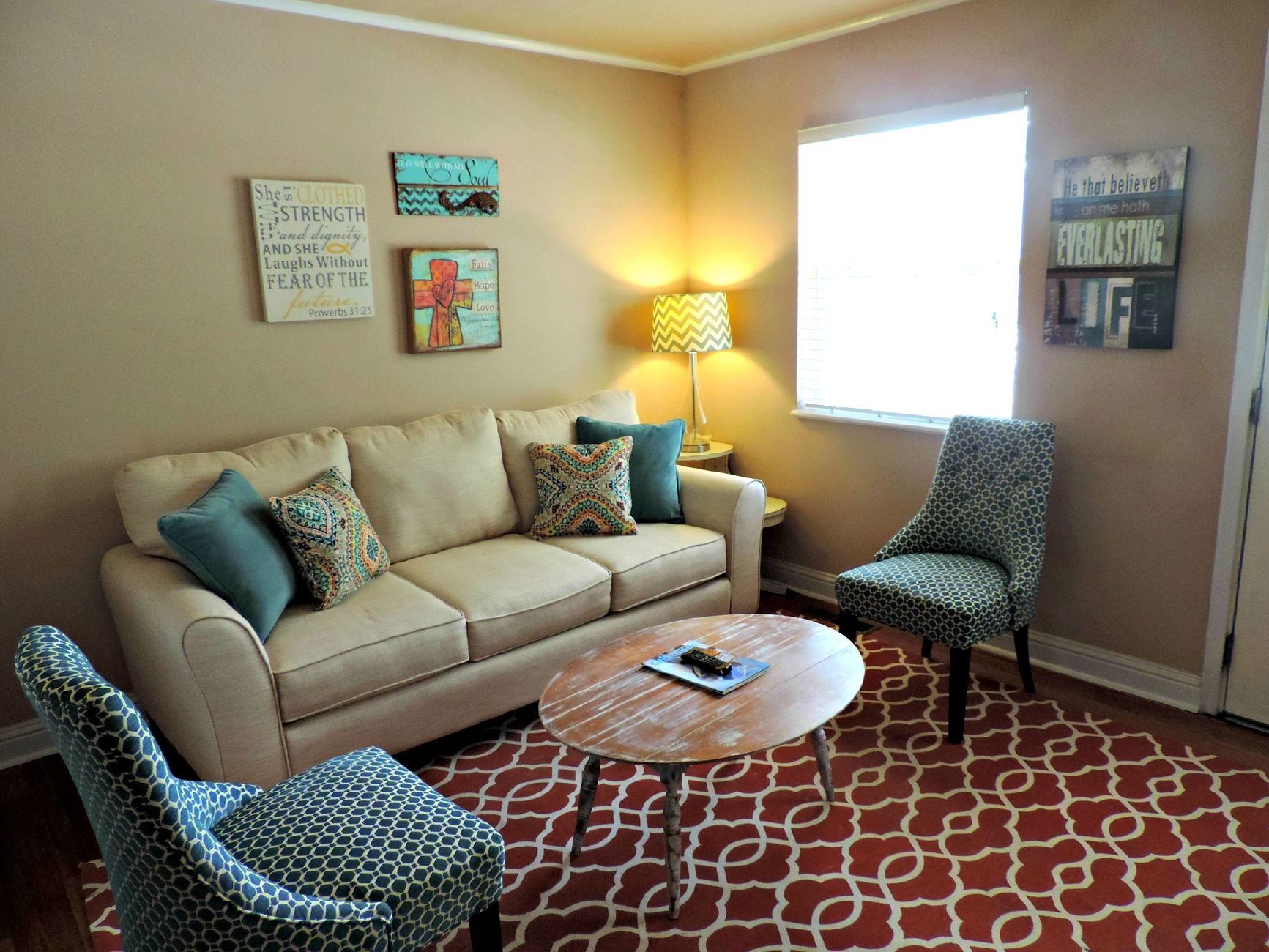
Dark, enclosed rooms consistently photograph and show poorly, even when the underlying space is generous. Swap heavy drapes for sheer or light-filtering panels, trim back exterior landscaping that blocks windows, and consider adding a skylight or larger window if your budget allows. Mirrors placed opposite windows can double the effect of existing light sources at almost no cost. Well-lit rooms consistently outperform their dimmer counterparts in buyer perception, even when square footage is identical.
5. Choose a Neutral, Cohesive Color Palette
Bold, personal color choices can work beautifully for daily living, but they narrow your buyer pool considerably. A neutral base — warm whites, soft greiges, gentle earth tones — lets prospective buyers picture their own belongings in the space. This doesn’t mean sacrificing personality; layer in color through art, textiles, and accessories that are easy to swap out later. For guidance on making neutral rooms feel intentional rather than flat, these interior design layering tricks that make rooms feel curated are worth studying before you pick up a paintbrush.
6. Invest in Quality Flooring
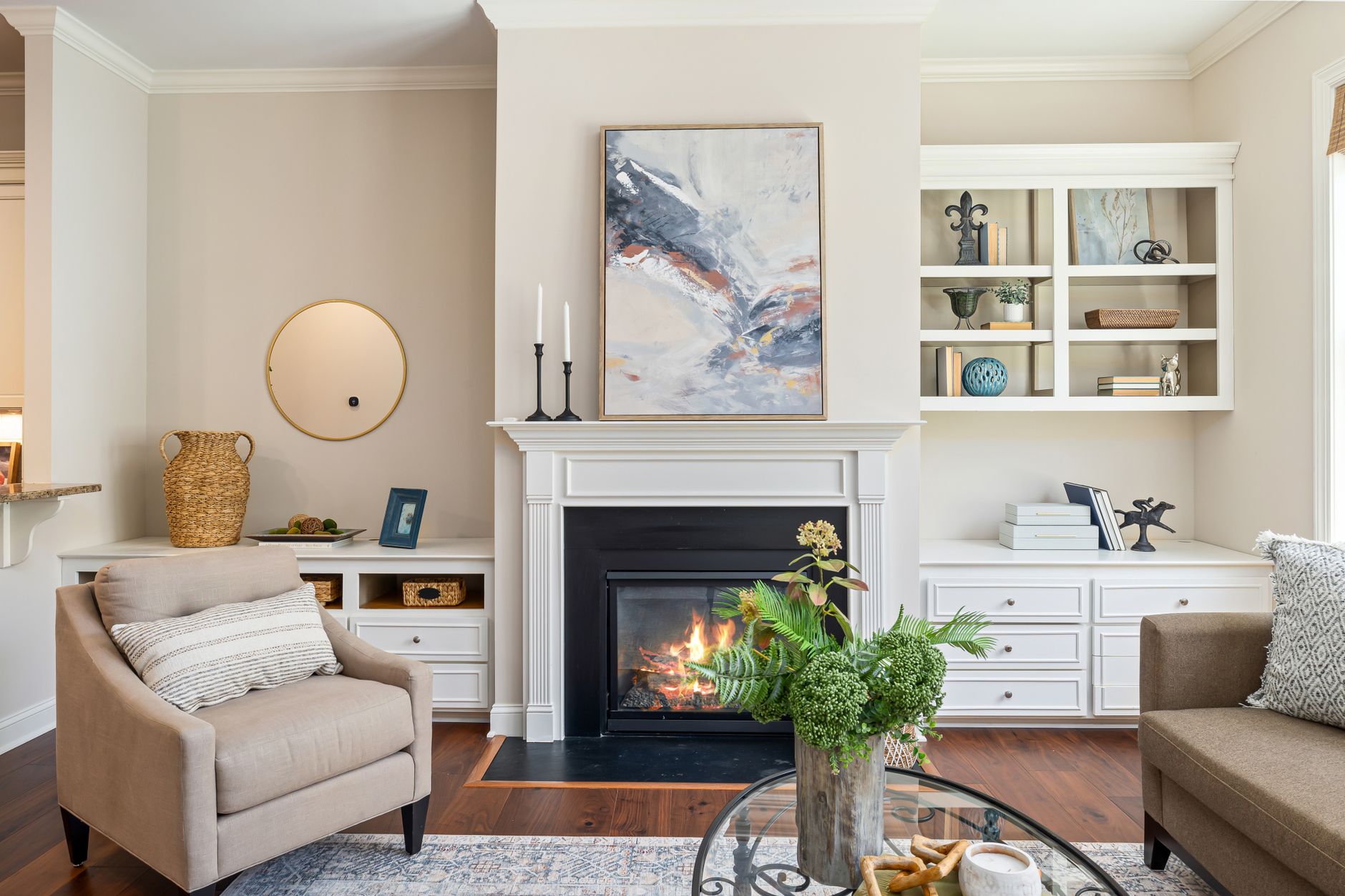
Flooring is one of the first things buyers notice and one of the most expensive things to change after move-in, which is exactly why it matters so much for resale. Worn carpet, scratched hardwood, or mismatched flooring between rooms reads as deferred maintenance, even if everything else is updated. If a full replacement isn’t in the budget, a professional refinish on existing hardwood or a well-chosen area rug can go a long way; these tips on using carpets and rugs to change a room’s look are a practical starting point. Consistent flooring throughout the main living areas also reinforces the open, flowing feel buyers respond to.
7. Create a Functional Home Office Nook
Remote and hybrid work have permanently shifted what buyers look for, and a dedicated work space — even a small one — has become a genuine selling point. You don’t need a full extra room; a well-lit corner with a proper desk, task lighting, and hidden storage can serve the purpose. Avoid over-customizing this space, since flexibility is part of its appeal to a range of buyers. For more ways to make small, multi-purpose areas feel deliberate rather than improvised, these interior design techniques that make any room feel polished and complete apply just as well to a compact office nook.
Final Thoughts
None of these updates require a complete renovation, and that’s precisely the point — the highest-value changes tend to be the ones that sharpen what’s already there rather than starting over. Prioritize the entry, kitchen, and lighting first, since these consistently deliver the strongest return relative to cost. If you want a deeper dive into which changes matter most before you commit a budget, these home design ideas that will transform every room in your house and this rundown of home design mistakes that are quietly aging your space are worth reading side by side. A home that feels considered, bright, and easy to move through will always show — and sell — better than one that simply looks expensive.