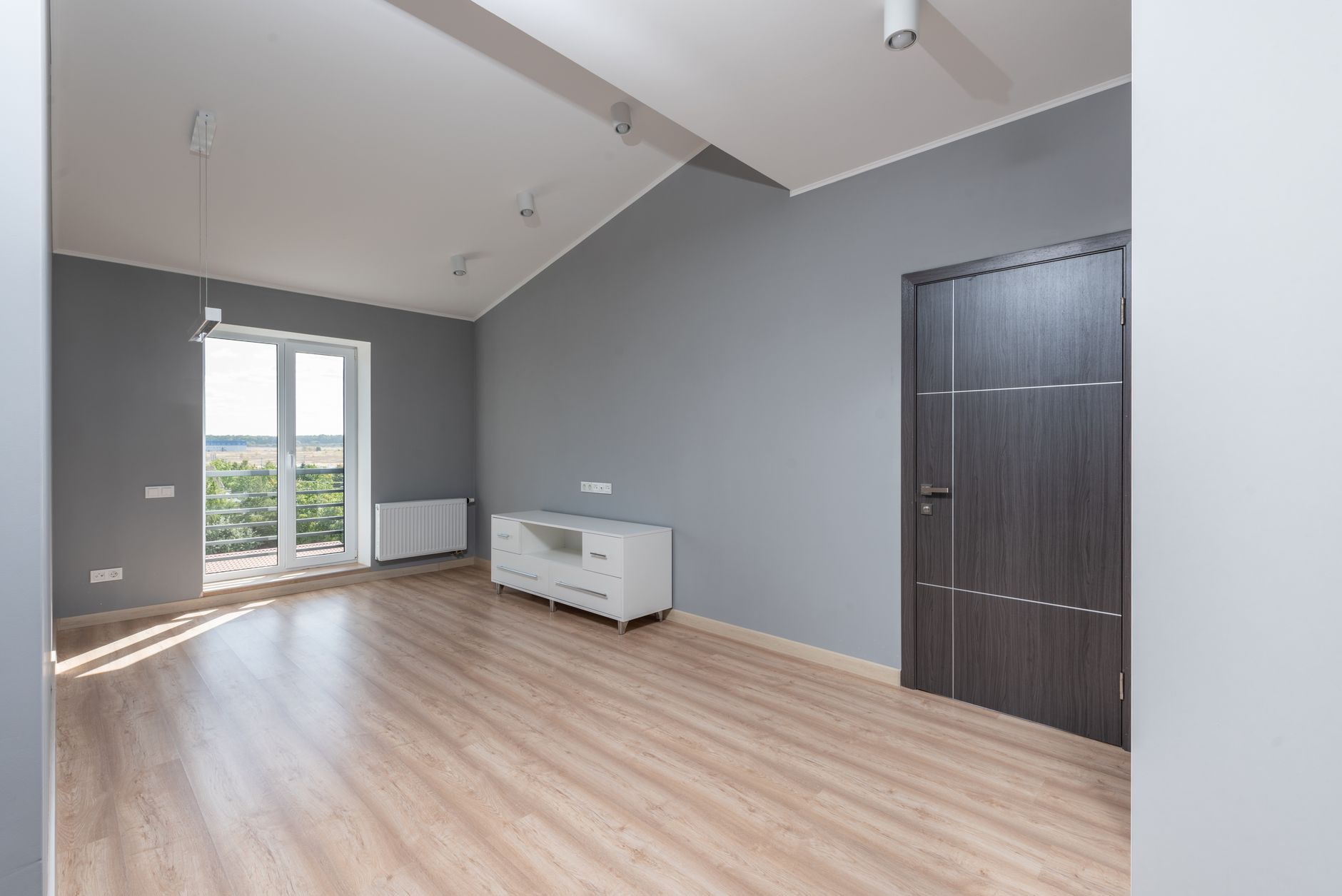
A room can have expensive furniture and still feel flat if it lacks depth. The secret professional decorators rely on isn’t a bigger budget — it’s layering. When light, texture, height, and pattern are stacked deliberately instead of scattered randomly, a space starts to feel intentional and collected rather than assembled in a single shopping trip. These seven layering tricks work in any room, on any budget, and they build on the same fundamentals covered in these interior design principles that elevate every room.
Layer Your Lighting in Three Tiers
Overhead lighting alone flattens a room and makes it feel like an office rather than a home. Add three layers instead: ambient light from a ceiling fixture, task light from a lamp near a reading chair or desk, and accent light from a sconce or picture light that highlights art or architecture. Dimmers on each layer let you shift the mood from bright and functional during the day to warm and relaxed at night. This single change does more to make a room feel finished than almost any other home design secret in the book.
Mix at Least Three Textures Per Room
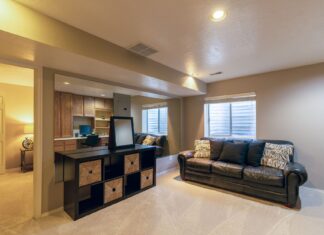
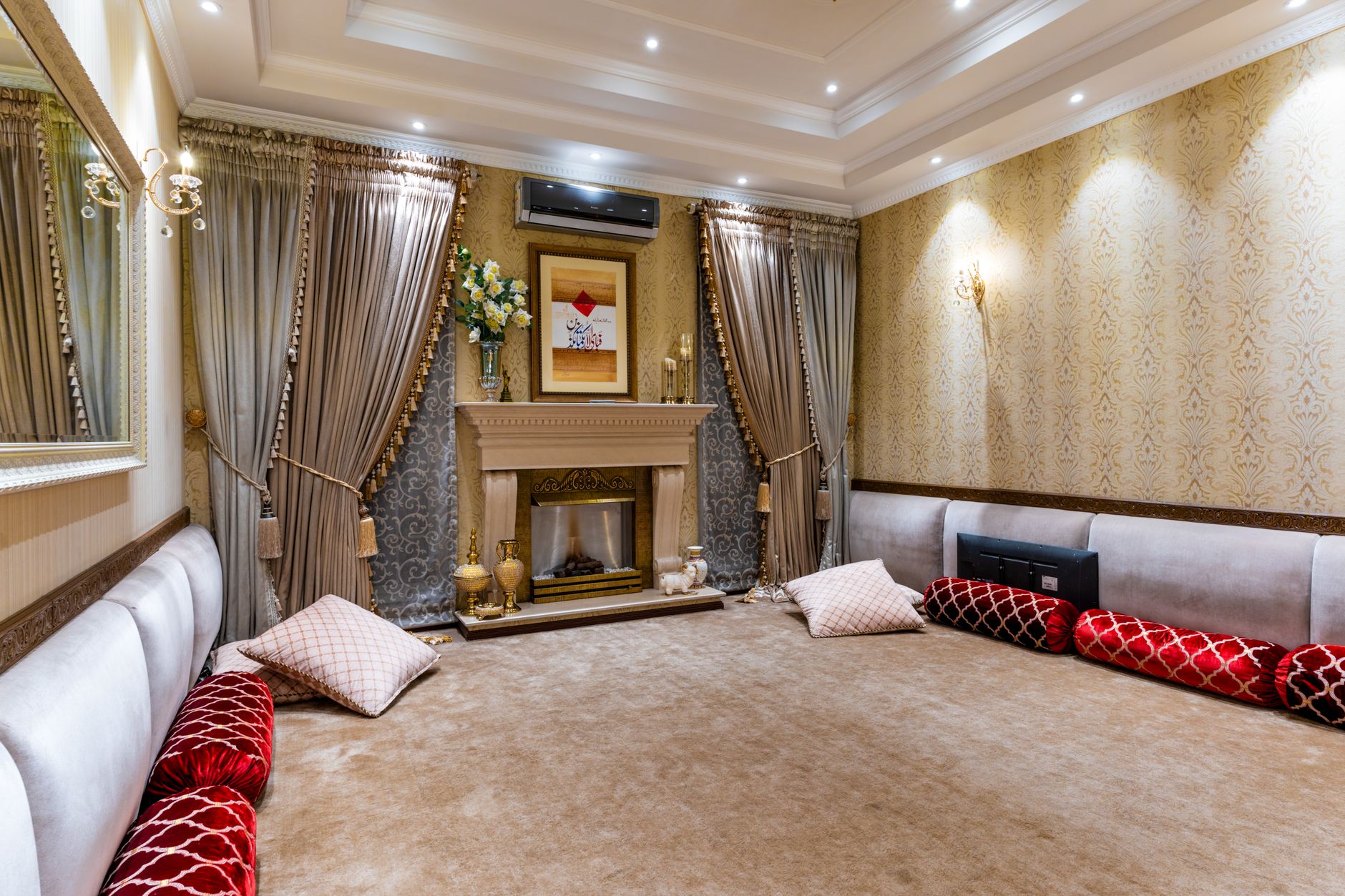
A room built entirely from smooth, matte surfaces reads as cold, even if the color palette is warm. Combine a nubby wool rug, a smooth leather chair, a woven linen throw, and something reflective like brass or glass. The goal is contrast you can feel as much as see. Textural variety is what separates a showroom display from a room that looks genuinely lived in.
Vary Furniture and Object Heights
Rooms where every surface sits at the same height feel monotonous, even with great individual pieces. Stagger a low coffee table against a tall floor lamp, a stack of books beneath a sculptural object, or a short bench beneath a large piece of art. This vertical rhythm draws the eye up and around the room instead of letting it stall in one spot, a trick that works especially well in living rooms you’re trying to transform into a retreat.
Layer Rugs for Warmth and Definition
Placing a smaller patterned or textured rug over a larger neutral one — sisal, jute, or a flatweave — adds visual layering underfoot and helps define a seating area within an open floor plan. This works particularly well in living rooms and bedrooms where a single rug can otherwise feel like an afterthought rather than a considered part of the design, echoing ideas from these techniques for a polished, complete room.
Combine Old and New Pieces
A room furnished entirely with new items from one store often lacks personality, no matter how stylish each piece is individually. Mix in a vintage side table, an inherited mirror, or a flea-market find alongside newer furniture. The contrast in era and craftsmanship gives a space history and prevents it from feeling like a catalog spread, a principle at the heart of many home design principles used by professionals.
Use Pattern in Small, Confident Doses
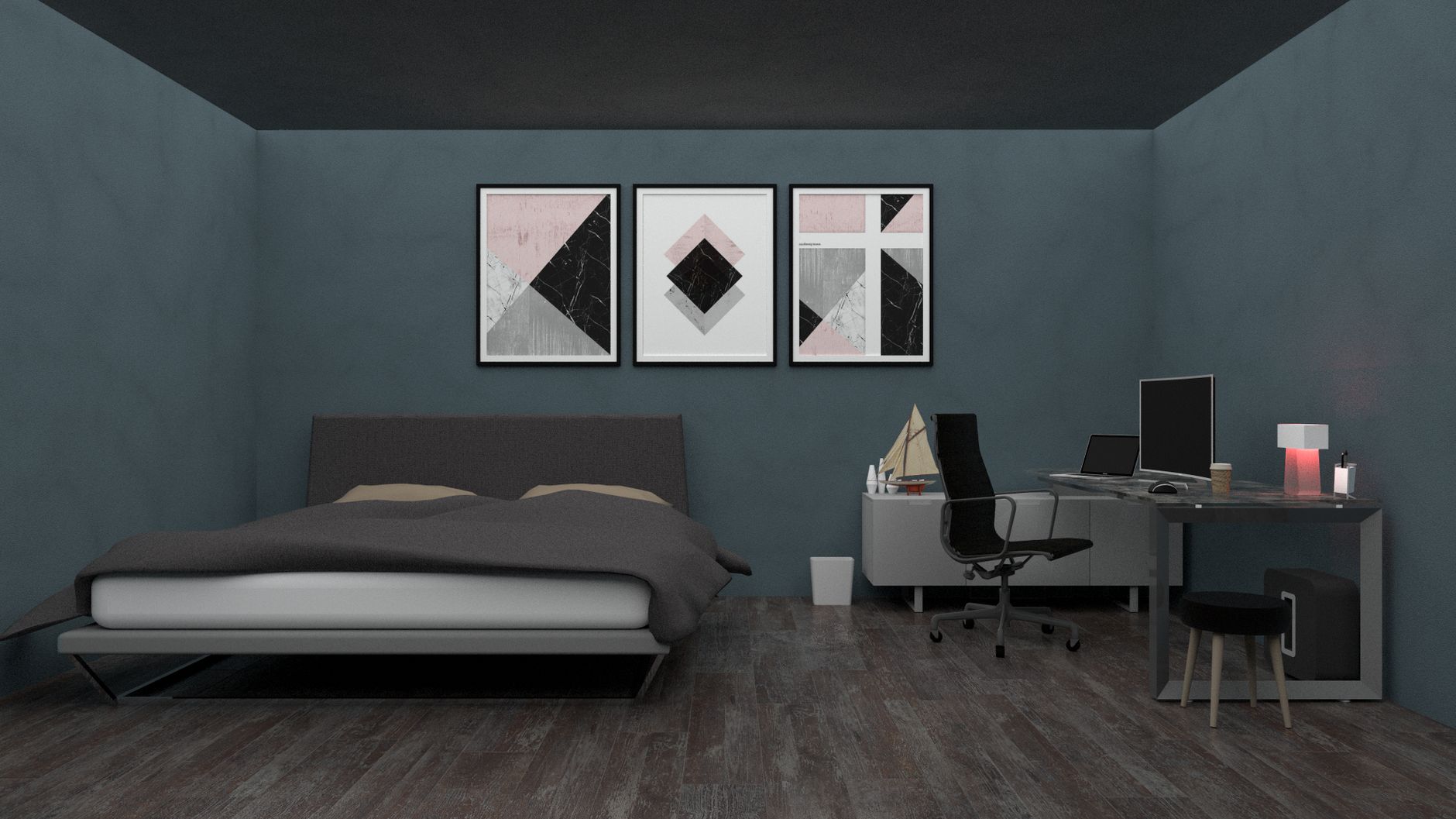
Pattern intimidates a lot of people, so they avoid it entirely and end up with a room that feels safe but forgettable. Instead, introduce one bold pattern through a pillow, a piece of art, or a lampshade, then let solid colors and textures support it. A single well-placed pattern reads as confident; several competing patterns read as chaotic. This restraint is what makes a room feel curated rather than cluttered.
Curate With Personal Objects, Not Just Decor
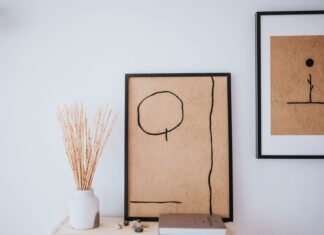
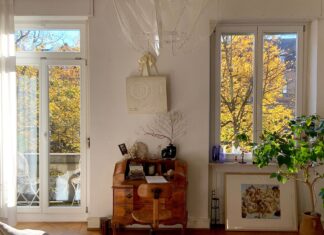
Books you’ve actually read, photographs, travel souvenirs, and handmade items carry a layer no store-bought accessory can replicate. Group them thoughtfully on a shelf or console rather than scattering them, and edit ruthlessly — three meaningful objects arranged well beat ten random ones. These finishing touches are often what separates a house that looks decorated from a home that looks collected, a distinction explored further in these home design mistakes that quietly age a space.
Final Thoughts
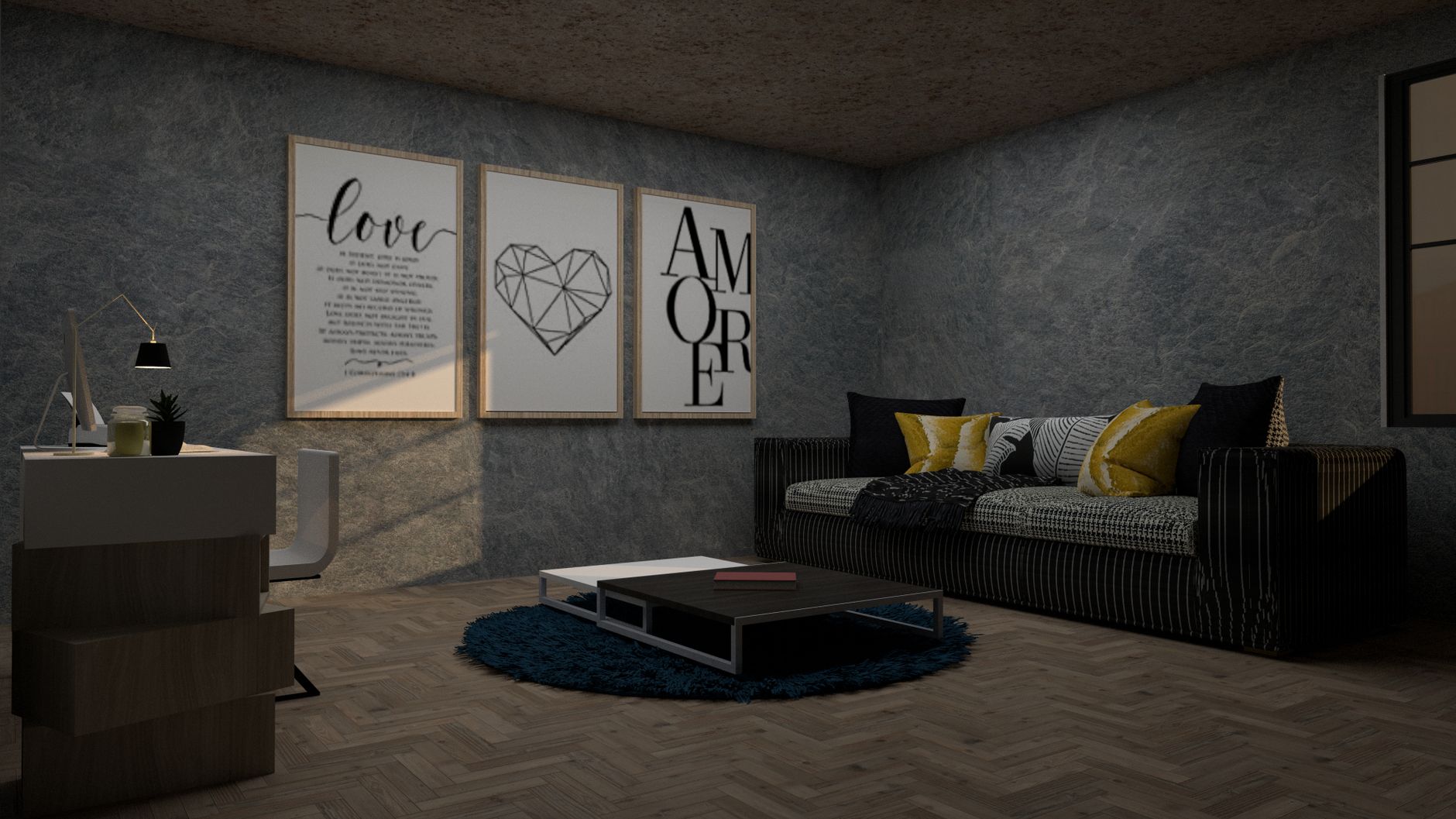
Layering isn’t about adding more — it’s about adding with intention. Start with lighting, since it affects every other layer in the room, then build texture, height, pattern, and personal objects on top of that foundation. Revisit these same fundamentals whenever a room feels unfinished; the answer is rarely a big purchase, but rather a missing layer. For more room-by-room guidance, these interior design principles that transform any room and home design ideas for every room are excellent places to keep exploring.