Your home is more than four walls and a roof — it’s a reflection of who you are and how you live. Whether you’re starting from scratch or refreshing an existing space, understanding the core principles of home design can make the difference between a house that merely functions and one that truly inspires. These eight timeless principles will guide you toward a more beautiful, cohesive, and livable home.
1. Start with a Clear Design Vision
Before moving a single piece of furniture, take time to define your design vision. Browse inspiration sources, identify colors and textures that resonate with you, and clarify the mood you want each room to evoke. A clear vision acts as your compass throughout the project, preventing costly impulse decisions. Consider creating a mood board — digital or physical — that captures your aesthetic direction.
If you’re unsure where to start, our guide on 9 Proven Home Decorating Ideas That Will Transform Any Room in 2026 offers an excellent starting point for developing your personal style.
2. Embrace the Power of Natural Light
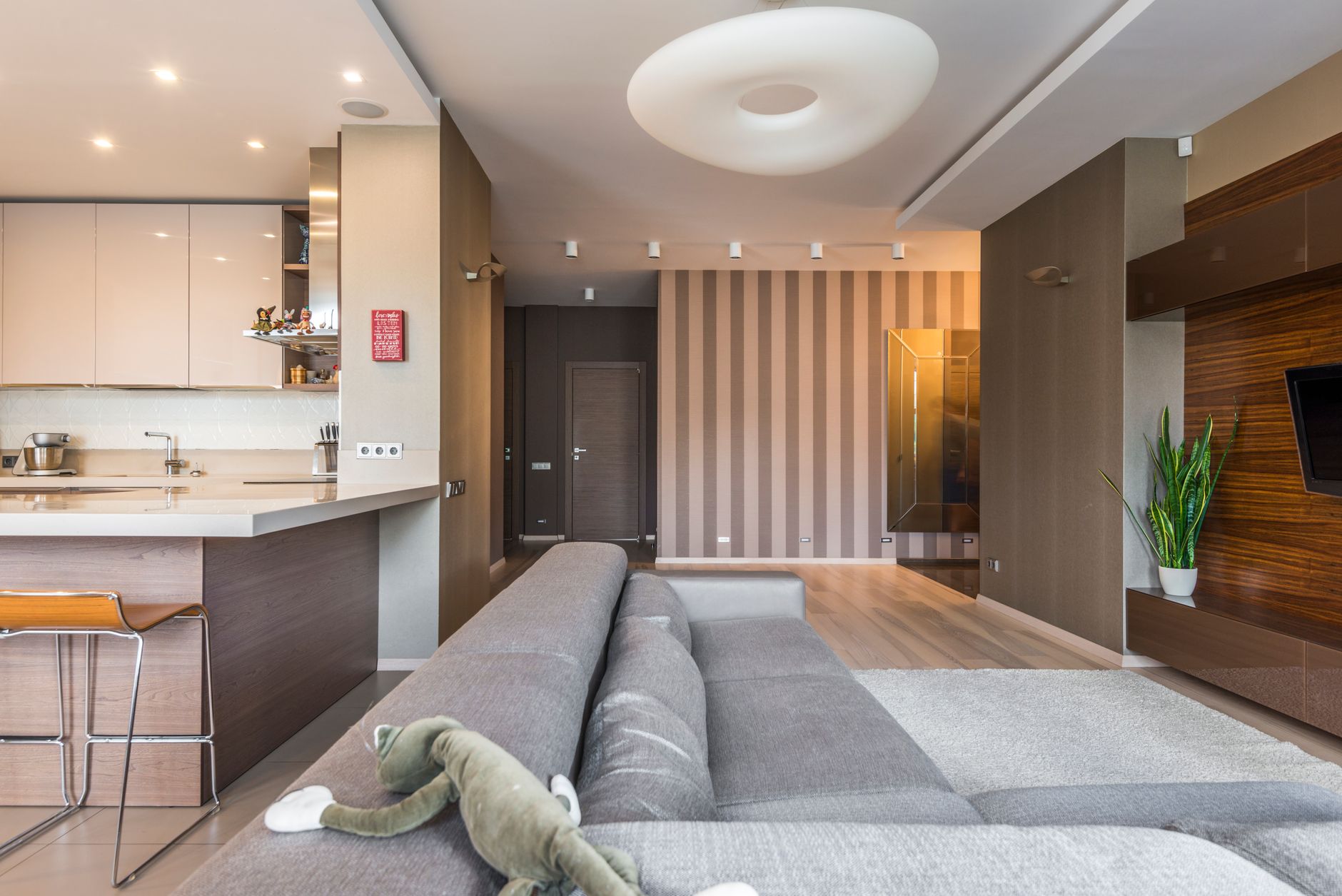
Natural light is the single most transformative element in any interior. It makes spaces feel larger, warmer, and more welcoming — at zero cost once your windows are properly positioned. Maximize existing light by keeping window treatments sheer or minimal, using mirrors strategically to bounce light deeper into rooms, and choosing light-reflective paint finishes. For rooms with limited windows, layered artificial lighting that mimics natural light’s warmth can be equally effective.
Check out how these lighting techniques can make any apartment brighter — even when you’re working with challenging floor plans or limited natural light sources.
3. Build a Cohesive Color Palette
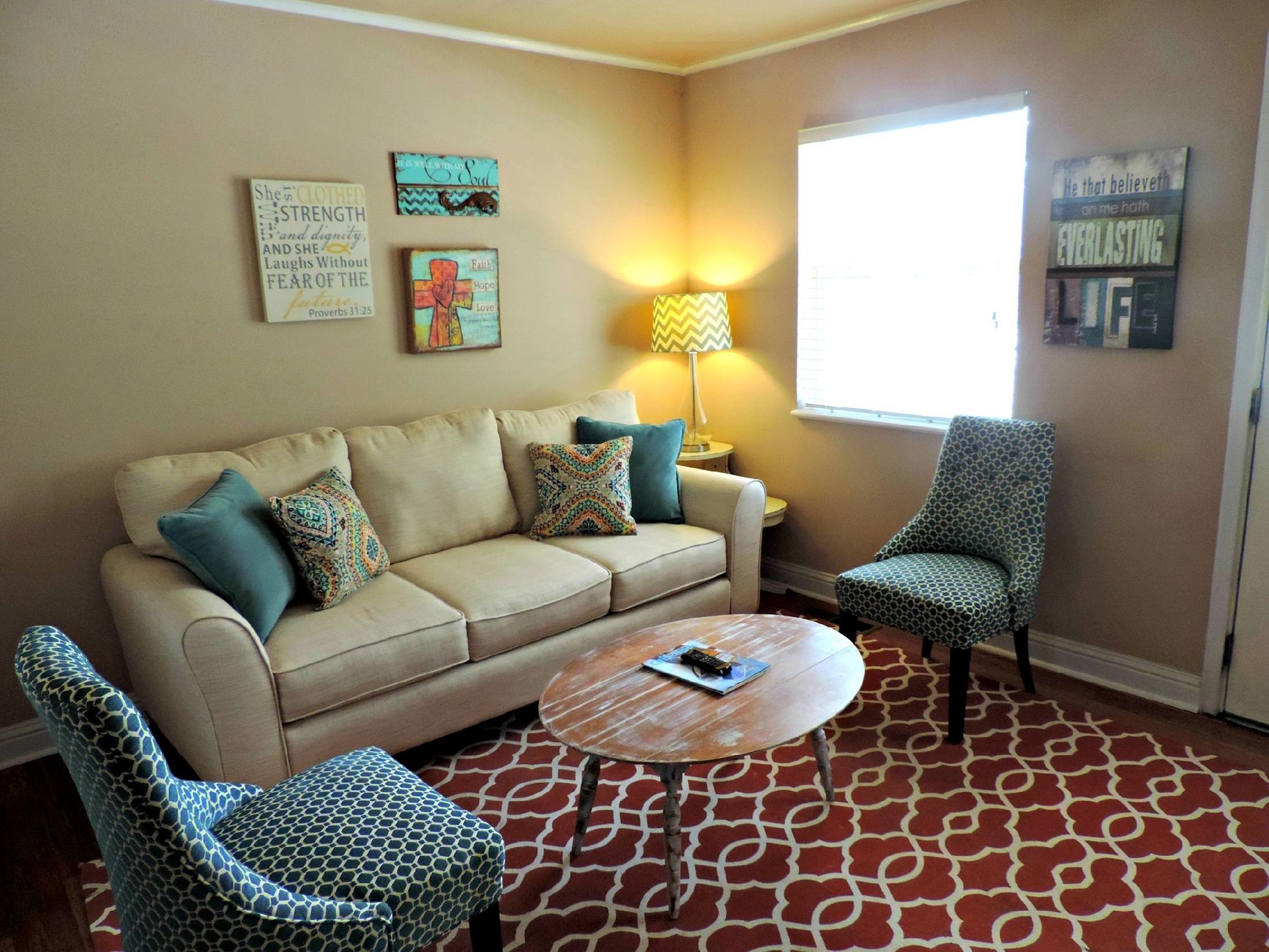
Color is the thread that ties a home’s design together. A well-chosen palette of three to five colors — used consistently across rooms — creates flow and visual harmony. Start with a neutral base (warm whites, soft greiges, or deep charcoals), then layer in two accent colors that appear in soft furnishings, artwork, and accessories. Avoid the common mistake of treating each room as an isolated color island; instead, carry your palette from space to space for a unified feel.
For those who prefer bold, dramatic interiors, the bold interior in black demonstrates how a single, confident color choice can define an entire home’s character.
4. Invest in Quality Anchor Pieces
Every room needs one or two anchor pieces — high-quality items that set the tone and establish scale. In a living room, that might be a well-crafted sofa or a statement rug; in a bedroom, an upholstered headboard or an heirloom dresser. These anchor pieces don’t need to be expensive, but they should be chosen with care and intention. Once your anchors are in place, the remaining pieces can be more affordable without compromising the room’s overall quality. A well-chosen rug, for instance, can completely redefine a space — as explored in our article on using carpets and rugs to change a room’s look.
5. Balance Scale and Proportion
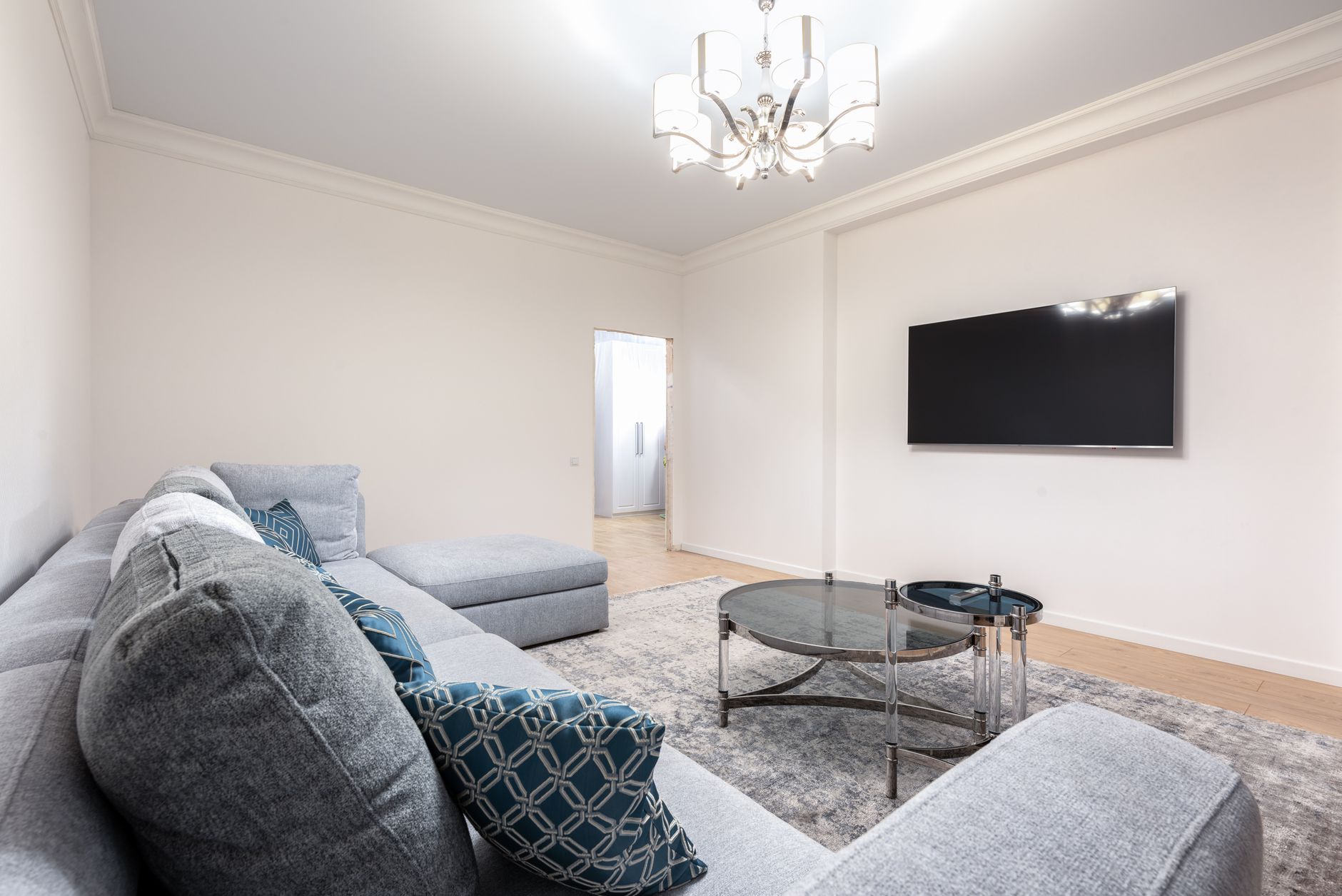
One of the most common design mistakes is choosing furniture that’s the wrong size for the room. Oversized pieces overwhelm small spaces; tiny furniture makes large rooms feel sparse and cold. A good rule of thumb: allow at least 18 inches of clearance between a sofa and coffee table, and ensure your dining table allows 36 inches of clearance on all sides. In smaller rooms, multipurpose furniture — storage ottomans, fold-out desks, wall-mounted shelving — can deliver function without consuming floor space. Our roundup of 50 tiny apartment storage and shelving ideas proves that even the smallest spaces can be beautifully functional.
6. Layer Textures for Depth and Interest
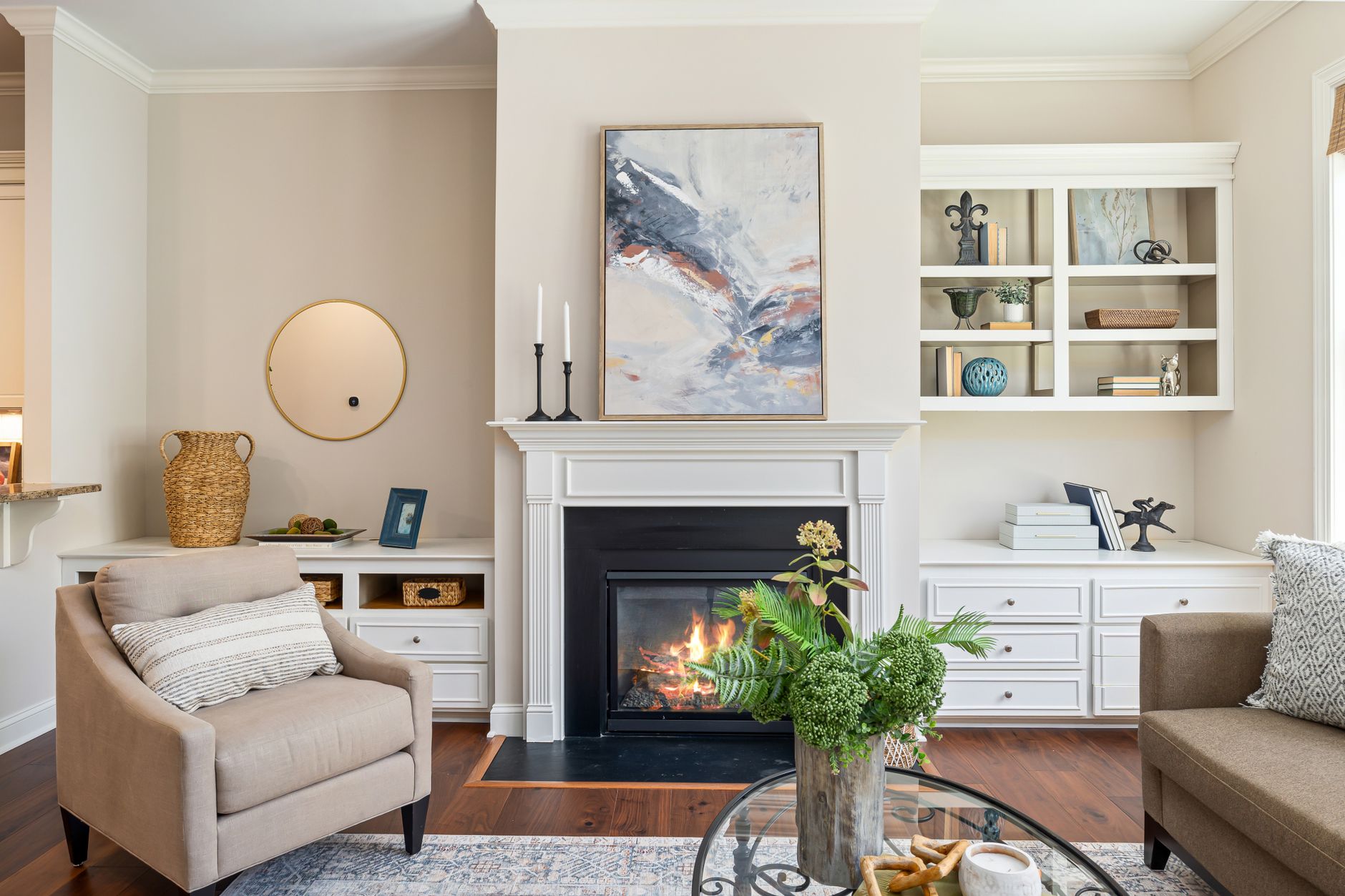
A room furnished entirely in smooth, flat surfaces will always feel sterile, no matter how beautiful the individual pieces. Texture is what gives interiors warmth and life. Layer different materials — linen cushions on a velvet sofa, a jute rug beneath a glass coffee table, woven baskets beside polished wood shelving. The contrast between rough and refined, matte and glossy, natural and synthetic creates visual richness that photographs can’t fully capture but that you feel the moment you walk in. Even simple decorative touches can achieve this — see how gold geometric decor pieces can add glamour and depth to any room.
7. Design for How You Actually Live
The most beautiful room in the world fails if it’s not livable. Before finalizing any design decision, ask yourself: does this support the way I actually use this space? A pristine white sofa may photograph beautifully but suffer in a household with young children or pets. An open-plan kitchen may feel aspirational but be impractical for someone who cooks intensively. Great home design solves real-life problems elegantly. This is why a well-executed home makeover — like the 5 home makeovers designed for warm-weather comfort — always prioritizes livability alongside aesthetics.
Lifestyle-informed design also means anticipating change: flexible furniture arrangements, adaptable lighting, and rooms that can evolve with your life are the hallmarks of truly smart home design.
8. Don’t Overlook the Exterior
Home design doesn’t stop at the front door. Your exterior — landscaping, facade finishes, lighting, and entrance — sets the tone for everything inside. A cohesive approach that extends your interior palette to your outdoor spaces creates a sense of intentionality that elevates the entire property. Whether you’re updating a suburban house or a city apartment with a small balcony, thoughtful exterior design pays dividends in curb appeal and personal enjoyment. For ideas on how to bring your outdoor spaces to life, explore our feature on 17 stunning exterior design tips to inspire your next project. You can also find fresh decorating inspiration in our collection of 8 creative living room decorating ideas to carry that same energy indoors.
Final Thoughts
Great home design is not about following trends or spending a fortune — it’s about understanding a handful of principles and applying them with intention. Start with a clear vision, respect light and proportion, build a cohesive palette, and above all, design for the life you actually live. When these principles work together, every room in your home becomes a space you’re genuinely excited to inhabit.
For more inspiration and practical advice, explore our full library of transformative decorating ideas and start your home design journey today.