
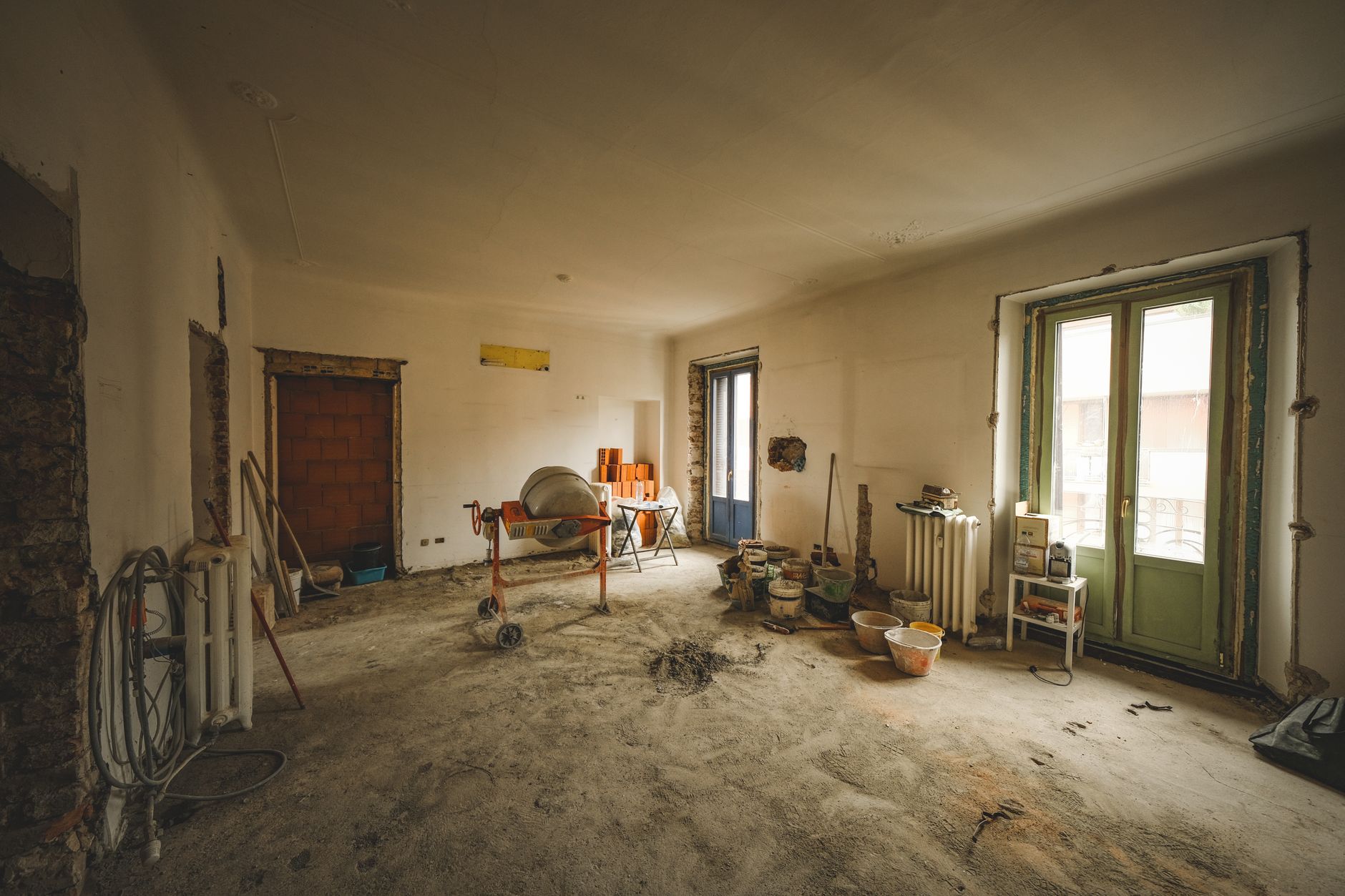
A renovation should leave your home better than you found it, but the wrong decisions early on can turn an exciting project into a drawn-out, over-budget headache. Whether you’re updating a single room or taking on a whole-house overhaul, the biggest setbacks usually come from a handful of avoidable missteps. Here are eight home renovation mistakes to watch for, along with practical ways to steer clear of them.
1. Skipping the Permit Process
It’s tempting to bypass permits on smaller jobs to save time and money, but unpermitted work can delay a home sale, void your insurance, and force you to redo finished work to code. Local building departments exist to catch structural, electrical, and plumbing issues before they become expensive problems. Always check with your municipality before starting anything that touches load-bearing walls, wiring, or plumbing lines. The upfront paperwork is far cheaper than a failed inspection after the drywall is closed up.
2. Underestimating the Budget
Most renovations run over budget because homeowners price only the visible finishes and forget what’s behind the walls. Old wiring, hidden water damage, and outdated plumbing are common surprises once demolition begins. A good rule of thumb is to set aside 15-20% of your total budget as a contingency fund before you start. For ideas on stretching a renovation dollar further, these budget-smart home renovation ideas are a solid starting point.
3. Choosing the Cheapest Contractor
The lowest bid is rarely the best value. A contractor who quotes far below the competition may be cutting corners on materials, skipping permits, or padding the price later with change orders. Ask for references, verify licensing and insurance, and read reviews carefully before signing anything. Comparing at least three detailed quotes helps you spot red flags and understand what a fair price actually looks like for your project.
4. Ignoring the Home’s Existing Structure
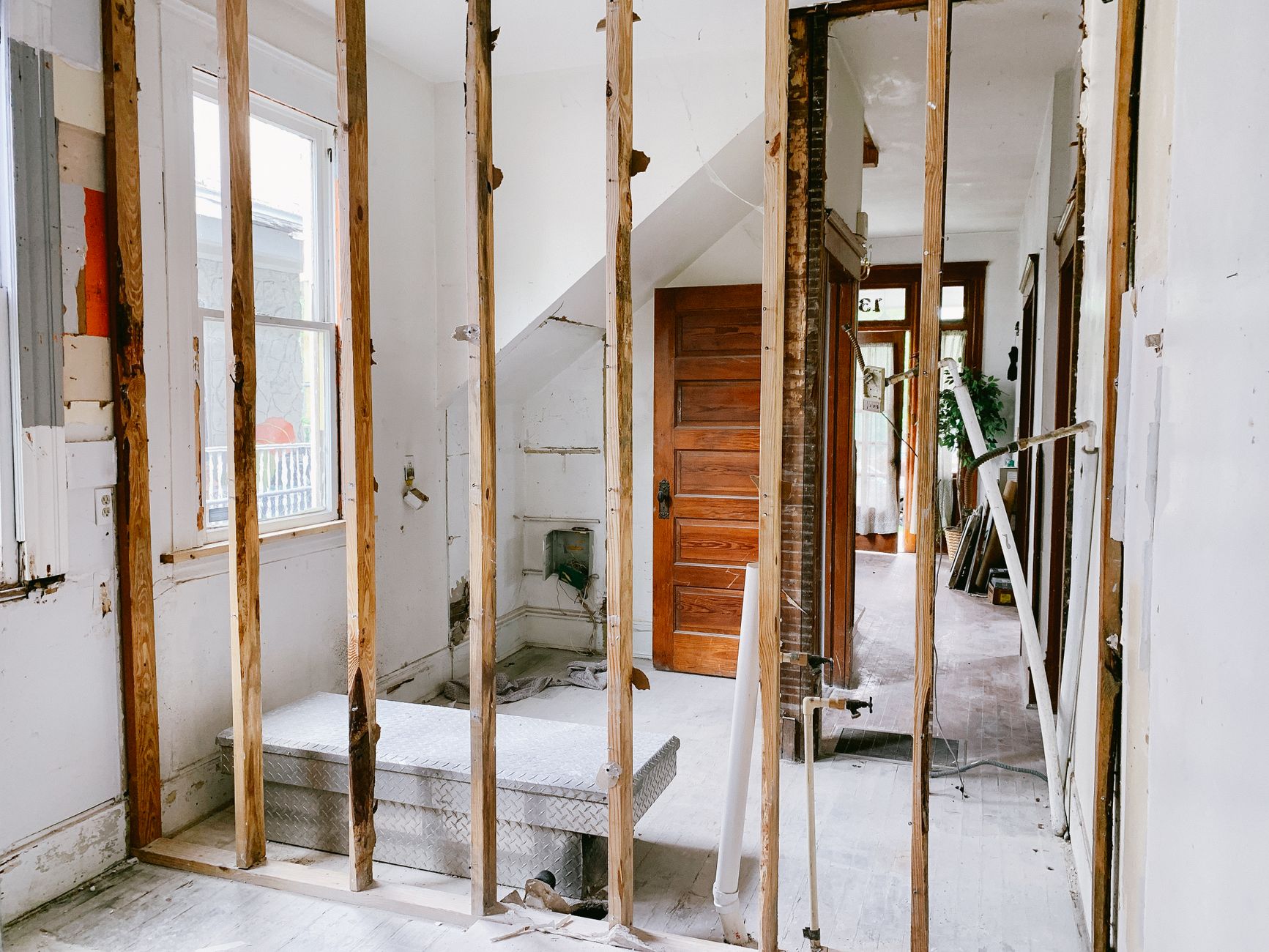
Trendy layouts and finishes don’t always suit the bones of an older home. Removing a wall without checking whether it’s load-bearing, or adding heavy stone countertops to cabinetry that can’t support the weight, leads to costly rework. Have a contractor or structural engineer assess the space before finalizing any design that changes the footprint. Working with what your home already offers, rather than fighting it, usually produces a more durable and cohesive result, similar to the approach used in these home design principles.
5. Over-Personalizing for Resale Value
Bold color choices, highly specific built-ins, and niche finishes can make a space feel personal, but they can also narrow your buyer pool if you plan to sell within a few years. Neutral bases with room for personality through decor and lighting tend to hold broader appeal. If resale is a consideration, lean on timeless materials and save the boldest choices for elements that are easy to swap out later, like the accents highlighted in these living room renovation ideas.
6. Starting Demolition Before a Final Plan
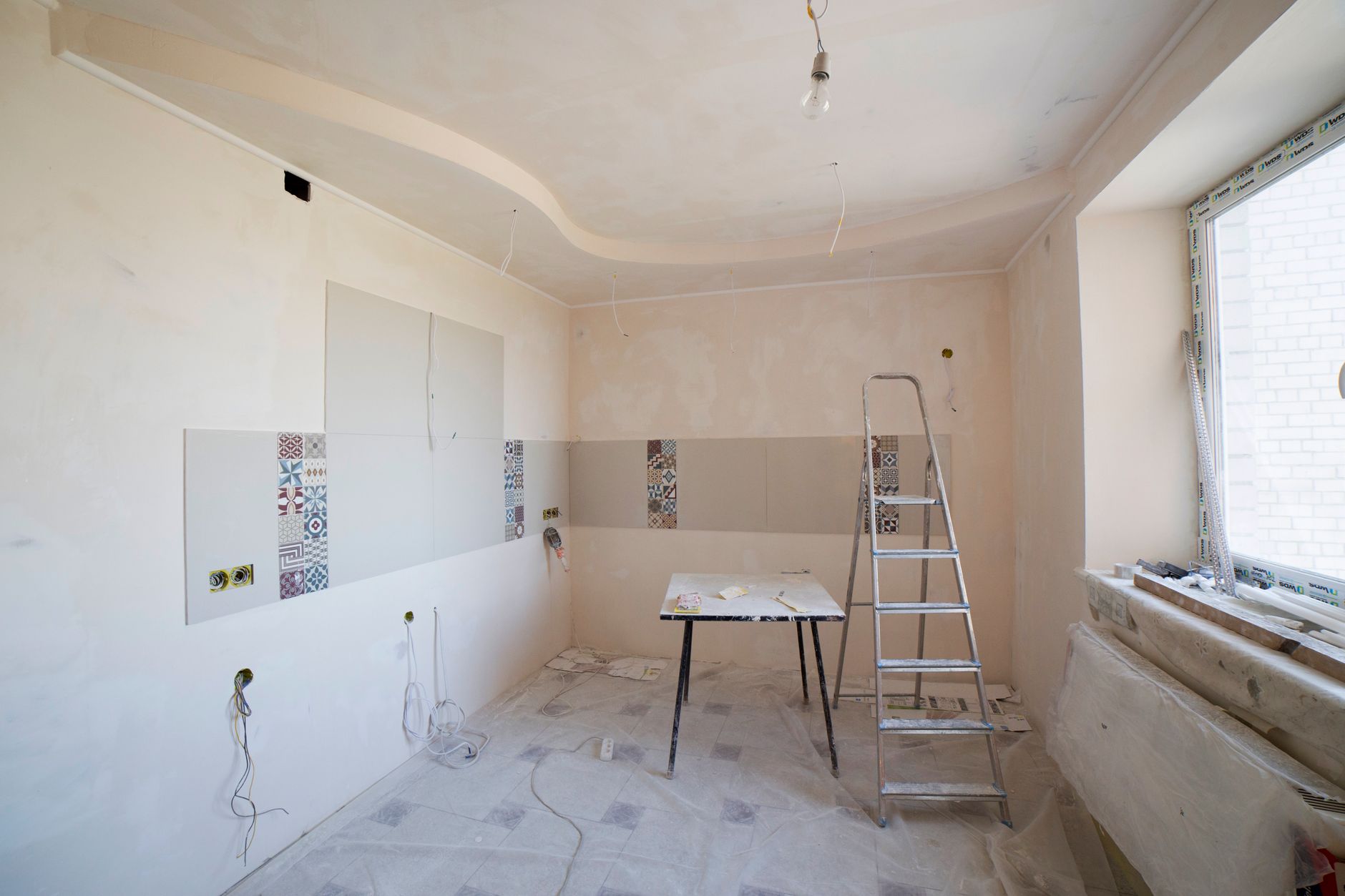
Beginning demo before every material, fixture, and layout decision is locked in almost always leads to delays and mismatched purchases. Once walls are open, contractors need clear direction to keep moving, and waiting on your decisions costs labor hours. Finalize your floor plan, finishes, and appliance specs before the first wall comes down. Homeowners who plan thoroughly upfront consistently see fewer surprises, a lesson echoed in these proven home renovation tips.
7. Neglecting Ventilation and Lighting
Beautiful finishes lose their impact in a room with poor airflow or inadequate lighting. Kitchens and bathrooms in particular need proper exhaust ventilation to prevent moisture damage and mold, while every room benefits from a layered lighting plan of ambient, task, and accent sources. Plan electrical and ventilation upgrades early, since retrofitting them after walls are finished is far more disruptive. Even a well-planned bathroom renovation can fall flat without the right ventilation and light layering.
8. Forgetting to Plan for Daily Life During the Project
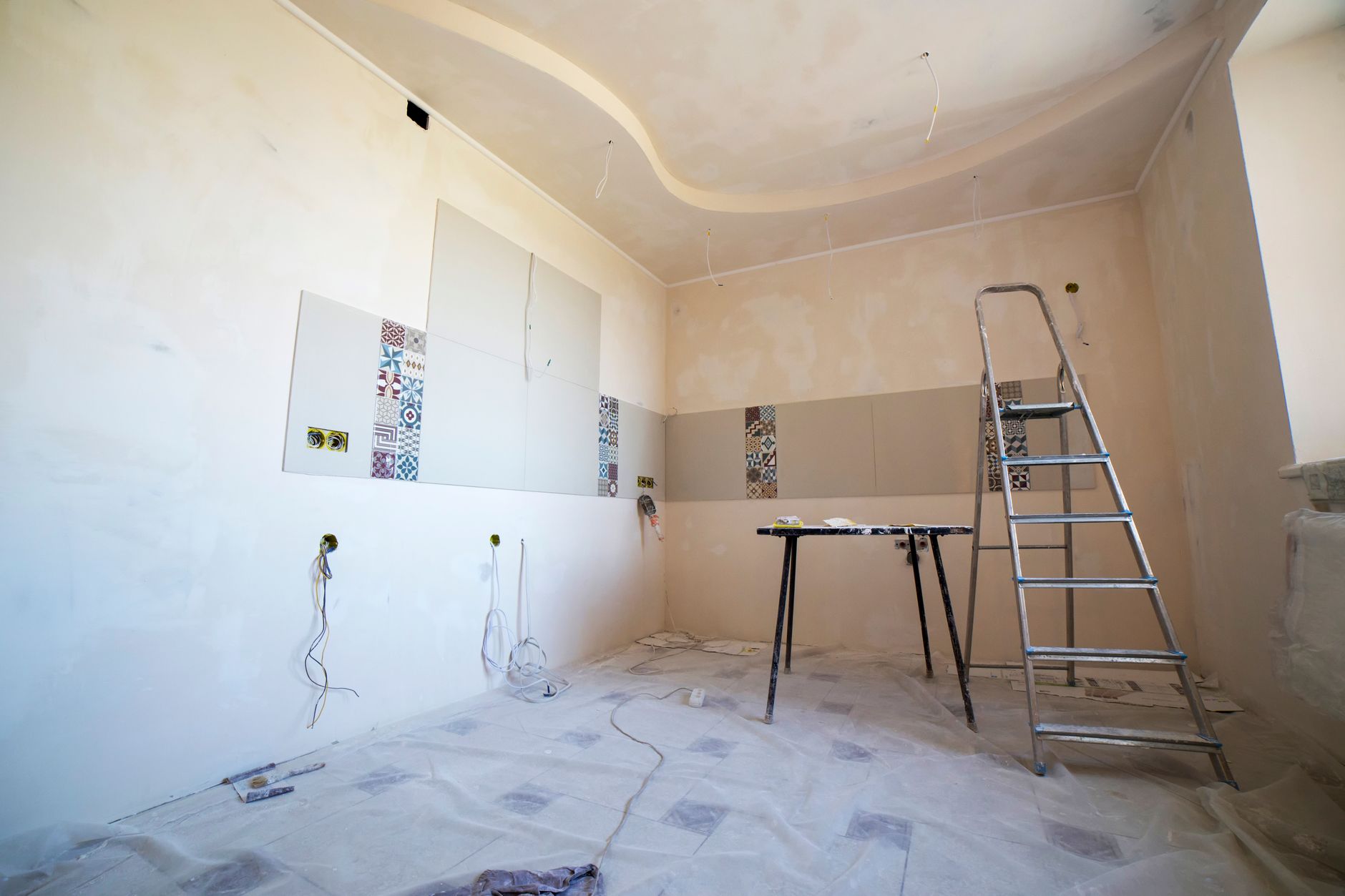
Renovations disrupt routines more than most homeowners expect, especially when a kitchen or bathroom is out of commission. Set up a temporary kitchenette, confirm access to a working bathroom, and communicate a realistic timeline with everyone in the household. Small renovations can still cause big disruptions, as shown in these simple room renovations, so plan around the disruption rather than being caught off guard by it.
Final Thoughts
Most renovation regrets trace back to decisions made before the first hammer swing: skipped permits, thin budgets, and unfinished plans. Slowing down at the planning stage, vetting your contractor, and building in a realistic buffer for both time and money will save far more stress than they cost upfront. For more inspiration on getting a renovation right the first time, browse these home design ideas and renovation ideas that add real value to your property.