Your home is more than four walls — it’s a reflection of who you are. Whether you’ve just moved in or are ready for a refresh, the right home design ideas can completely change how your space looks, feels, and functions. From smart furniture choices to lighting tricks that open up any room, these ten strategies will help you create a home that’s both beautiful and livable.
1. Start With a Clear Color Palette
Before buying a single piece of furniture, decide on a color palette for your space. A cohesive palette of two to three complementary colors creates visual harmony throughout the home. Neutral bases like warm whites, soft grays, or sandy beiges give you flexibility to add bolder accents through pillows, artwork, and rugs. Stick to your palette when shopping and you’ll avoid the mismatched-room problem that plagues so many homes.
2. Layer Your Lighting for Depth and Warmth
Relying on a single overhead light is one of the most common home design mistakes. Great lighting comes in three layers: ambient (general illumination), task (focused light for reading or cooking), and accent (highlighting art or architectural features). Mix floor lamps, table lamps, and pendant lights to create a warm, layered glow that adapts to different moods. Dimmer switches are an inexpensive upgrade that can dramatically shift the atmosphere of any room. If you want more inspiration on brightening your space, read our guide on making your apartment brighter with smart lighting techniques.
3. Choose Furniture That Earns Its Place
Every piece of furniture in a well-designed room should serve a purpose — either functional, aesthetic, or ideally both. Avoid the impulse to fill empty space; a few well-chosen pieces create a more sophisticated look than a cluttered room. Invest in quality sofas and beds since these see the most daily use, and choose accent furniture that adds personality without overpowering the space. Opt for pieces with clean lines if you want a timeless look that won’t feel dated in five years. Check out these 8 home design principles that transform every room for more guidance on furniture selection.
4. Use Rugs to Define Zones and Add Texture
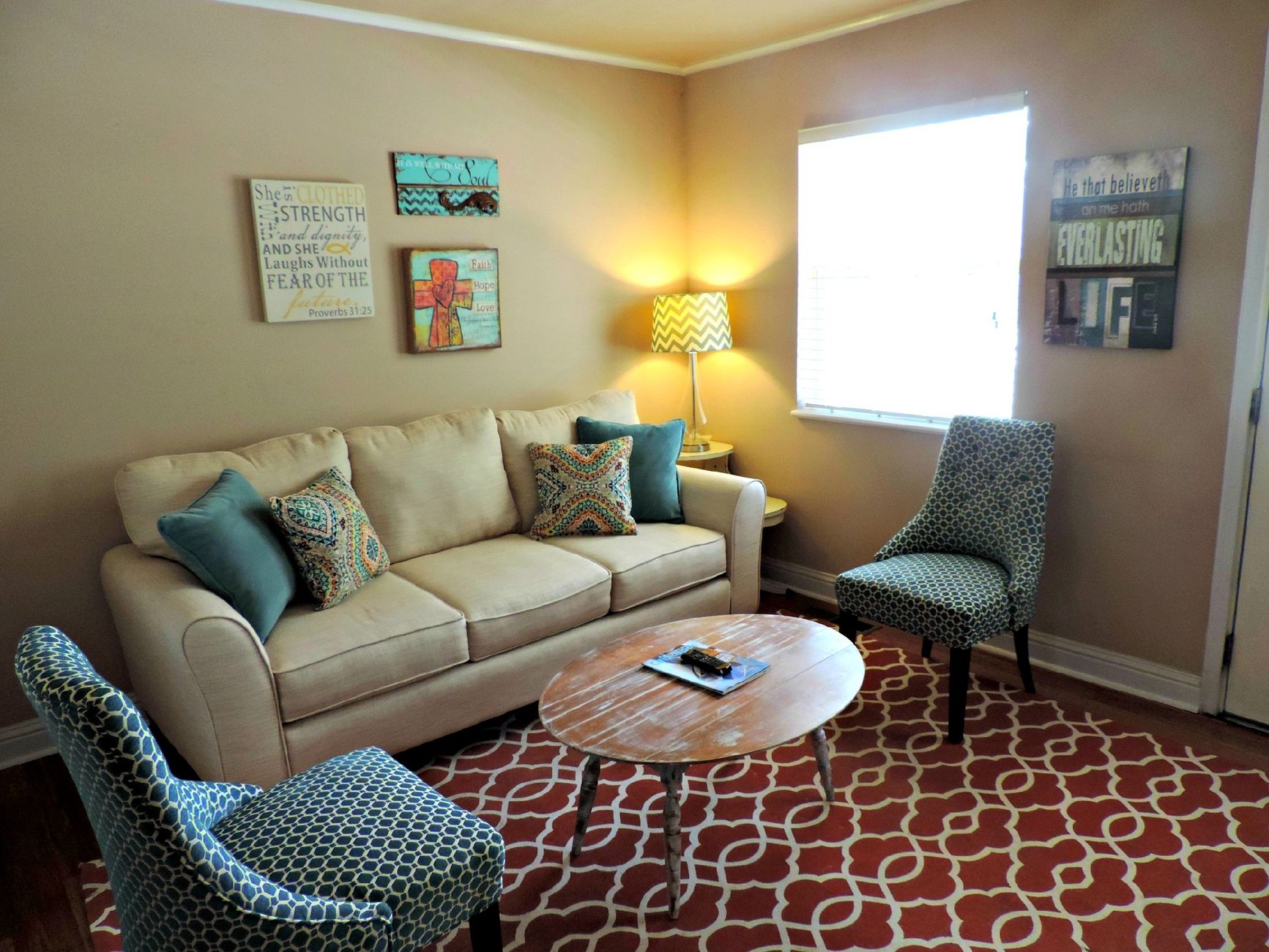
An area rug is one of the most powerful tools in a designer’s toolkit. It anchors furniture groupings, defines functional zones in open-plan spaces, and adds warmth underfoot. For living rooms, the front legs of sofas and chairs should sit on the rug — this connects the seating arrangement and makes the space feel intentional. Natural fiber rugs like jute or sisal add organic texture, while patterned rugs can introduce color without committing to a painted wall. Discover more about using carpets and rugs to change a room’s look.
5. Bring the Outdoors In With Natural Elements
Incorporating natural materials — wood, stone, linen, rattan, and living plants — makes any space feel warmer and more grounded. A few well-placed houseplants add life and color while improving indoor air quality. Wooden furniture, woven baskets, and stone accessories create a tactile richness that purely synthetic materials can’t replicate. Even small touches like a wooden cutting board displayed on a kitchen counter or a terracotta pot on a windowsill connect your interior to the natural world. For fresh inspiration on refreshing your rooms, explore 10 transformative decorating ideas to refresh every room in 2026.
6. Create Focal Points in Every Room
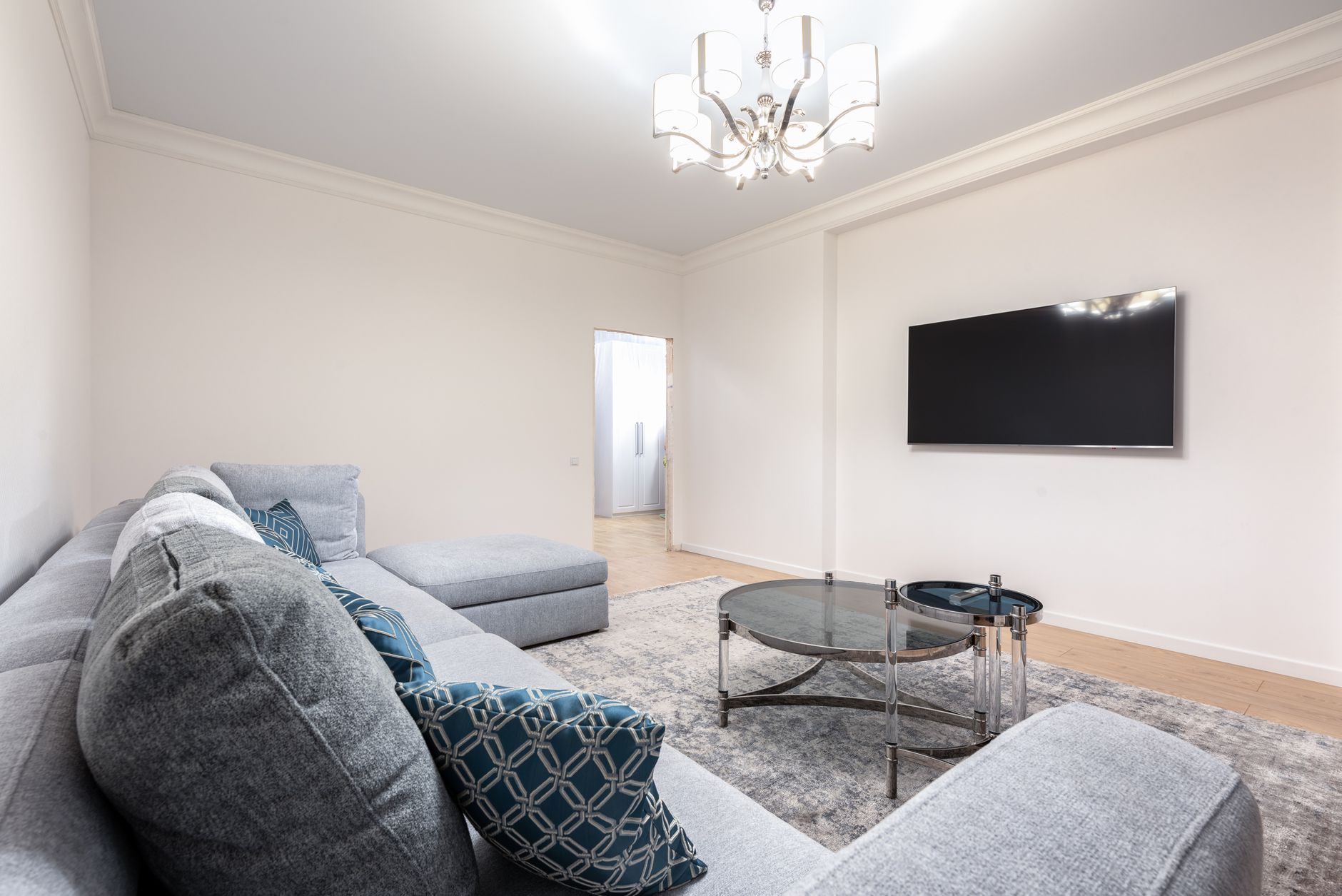
A focal point is the first thing your eye is drawn to when you enter a room, and every well-designed space has one. It could be a fireplace, a dramatic piece of art, a statement wall, or a beautifully styled bookcase. Once you’ve identified or created your focal point, arrange furniture to complement and highlight it rather than compete with it. A room without a focal point can feel directionless, so don’t skip this step. Take a look at these 20 gold geometric decor pieces for a posh, luxuriant home for ideas on statement focal pieces.
7. Maximize Natural Light Wherever Possible
Natural light is the most flattering and energizing light in any home. Keep windows clear of heavy draping, opt for sheer or linen curtains that filter rather than block sunlight, and use mirrors strategically to bounce light deeper into darker rooms. Light-colored walls and high-gloss or satin-finish surfaces also help amplify natural light throughout the day. If your space lacks windows, full-spectrum bulbs are the next best thing. You can also explore 5 home makeovers that invite coolness during warm days for light-maximizing ideas.
8. Declutter Before You Decorate
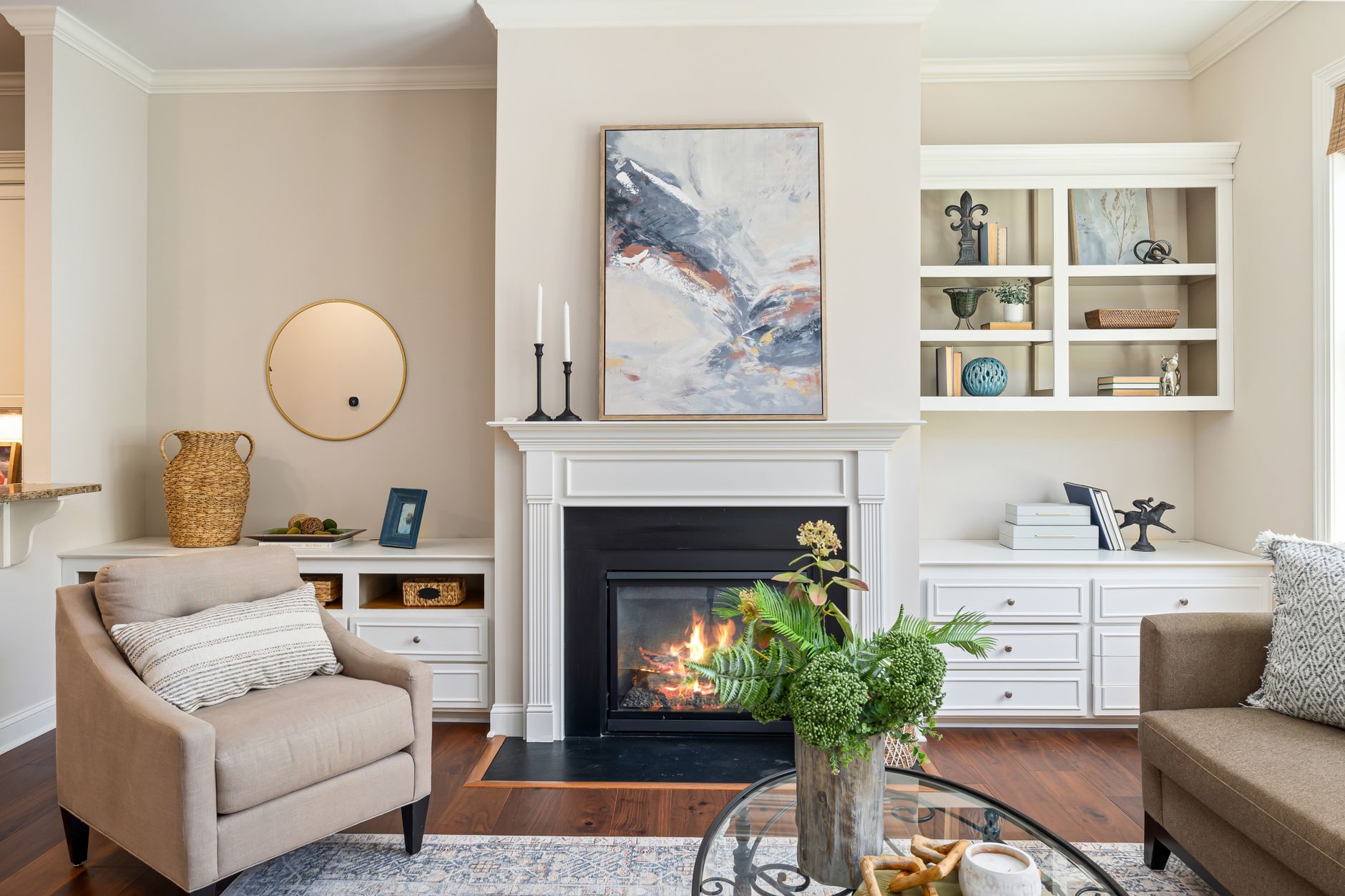
No amount of beautiful decor can overcome a cluttered room. Before adding anything new, edit ruthlessly — keep only what you love, use, or genuinely need. Invest in smart storage solutions like ottomans with hidden compartments, built-in shelving, or under-bed storage that eliminate visual noise. A clutter-free environment doesn’t just look better; it actually reduces stress and makes your home easier to maintain. For practical storage solutions, don’t miss our article on 50 tiny apartment storage and shelving ideas that actually work.
9. Mix Textures for Visual Interest
A room decorated entirely in smooth, matte surfaces can feel flat and lifeless. Mixing textures — a nubby linen sofa, a polished wood coffee table, a chunky knit throw, a glossy ceramic lamp — creates layered visual interest that draws the eye around the space. Texture is particularly important in neutral-colored rooms where pattern is minimal. The contrast between rough and smooth, soft and hard, matte and shiny gives a room its personality. For more ideas on room transformations, check out 9 proven home decorating ideas that transform any room.
10. Personalize With Art and Meaningful Objects
The final touch that elevates a house to a home is personal — art you love, travel souvenirs, family photographs, or heirloom pieces that tell your story. A gallery wall of mixed frames adds character to a hallway; a collection of objects grouped on a shelf creates a curated vignette. Don’t be afraid to mix the high and the low: a thrift-store find displayed next to a quality lamp creates an interesting, layered effect that feels genuinely personal rather than showroom-staged. Also consider how creative living room decorating ideas can help you design a space that feels inviting and truly yours.
Final Thoughts
Great home design doesn’t require a huge budget or a professional decorator — it requires intention. By starting with a clear color palette, layering your lighting, choosing purposeful furniture, and personalizing your space with meaningful objects, you can create a home that feels both beautiful and distinctly yours. Apply these ten principles one room at a time and you’ll be amazed at the transformation. If you’re looking to go further, explore how 7 ways to improve your house can change your lifestyle for even more home design inspiration.