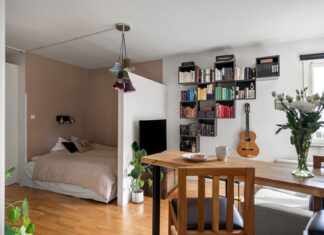
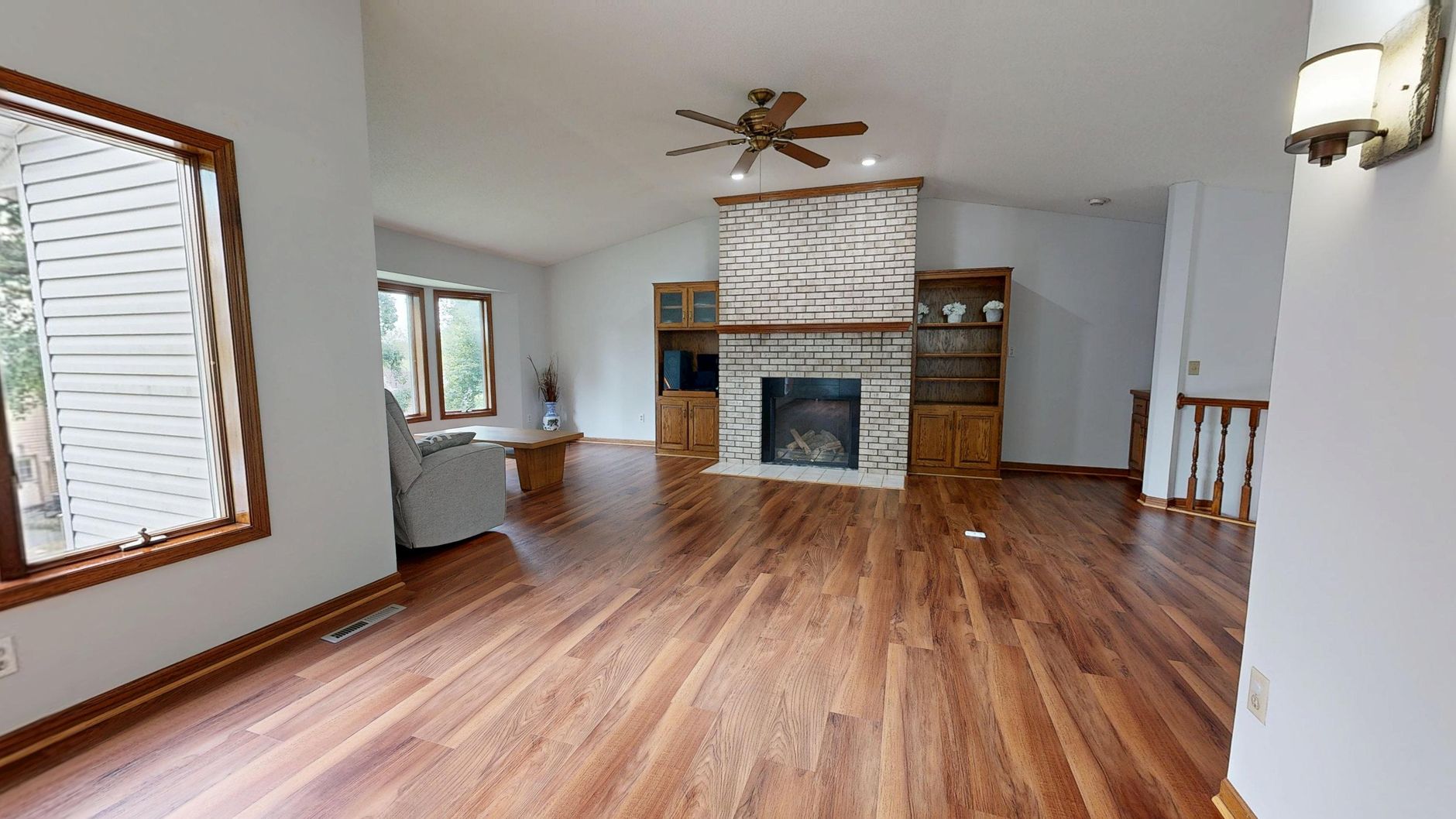
Renovating your living room is one of the most rewarding home improvement projects you can take on. Whether you’re looking to modernize an outdated space, increase your property value, or simply create a more functional and beautiful environment, a thoughtful renovation can completely transform how you live. With the right plan, the right materials, and a few expert strategies, your living room can become the stylish heart of your home.
1. Start with a Clear Vision and Floor Plan
Before swinging a hammer or ordering paint swatches, invest time in planning. Measure your living room carefully and sketch a scaled floor plan showing windows, doors, and existing architectural features. Decide on a primary design style — whether Scandinavian minimalism, mid-century modern, or warm transitional — and stick with it throughout every decision. A clear vision prevents costly impulse buys and ensures every element works cohesively. Many homeowners find that working with a mood board helps them visualize the end result before committing to expensive changes.
2. Refresh Your Walls with Texture and Color
Nothing transforms a living room faster than a fresh coat of paint or an eye-catching accent wall. In 2026, warm earth tones, sage greens, and deep terracottas are particularly popular choices that create cozy yet sophisticated atmospheres. Consider adding texture through board-and-batten paneling, shiplap, or decorative plaster for a dramatic architectural upgrade. If you want to go bold, a single statement wall with wallpaper featuring a large botanical or geometric pattern can become an instant focal point. For more inspiration on color and style, check out our guide on home renovation ideas that add real value to your property in 2026.
3. Upgrade Your Flooring for a Lasting Impact
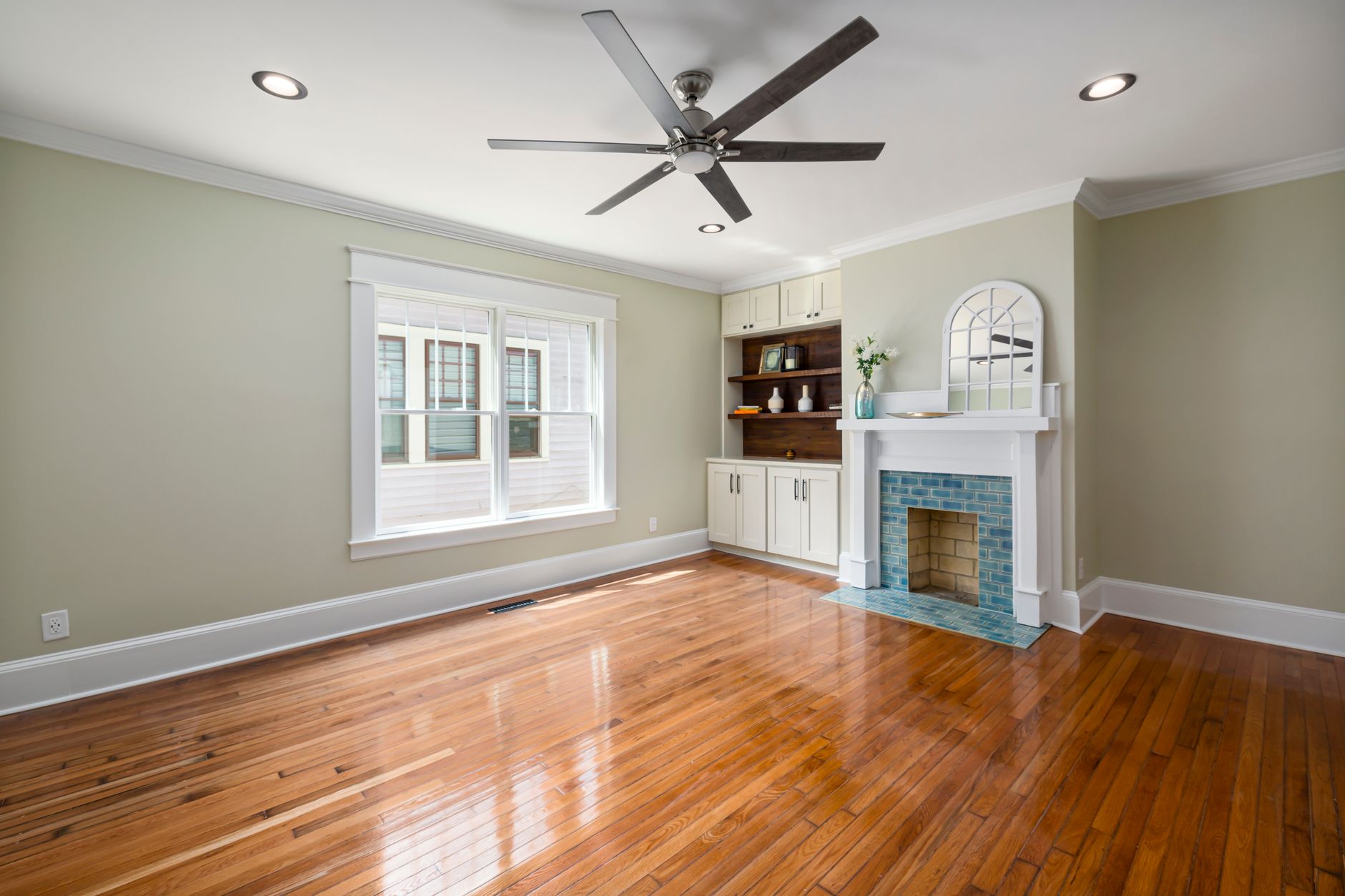
Flooring is one of the highest-impact renovation decisions you can make. Hardwood floors remain a timeless classic, adding warmth and increasing resale value significantly. If solid hardwood is beyond your budget, engineered hardwood or luxury vinyl plank (LVP) offer comparable aesthetics at a fraction of the cost. Consider installing heated floors beneath tile or stone for a touch of luxury that pays dividends in comfort during cooler months. Whatever material you choose, ensure the direction of the planks flows toward the room’s main focal point — typically the fireplace or largest window — to maximize the sense of space.
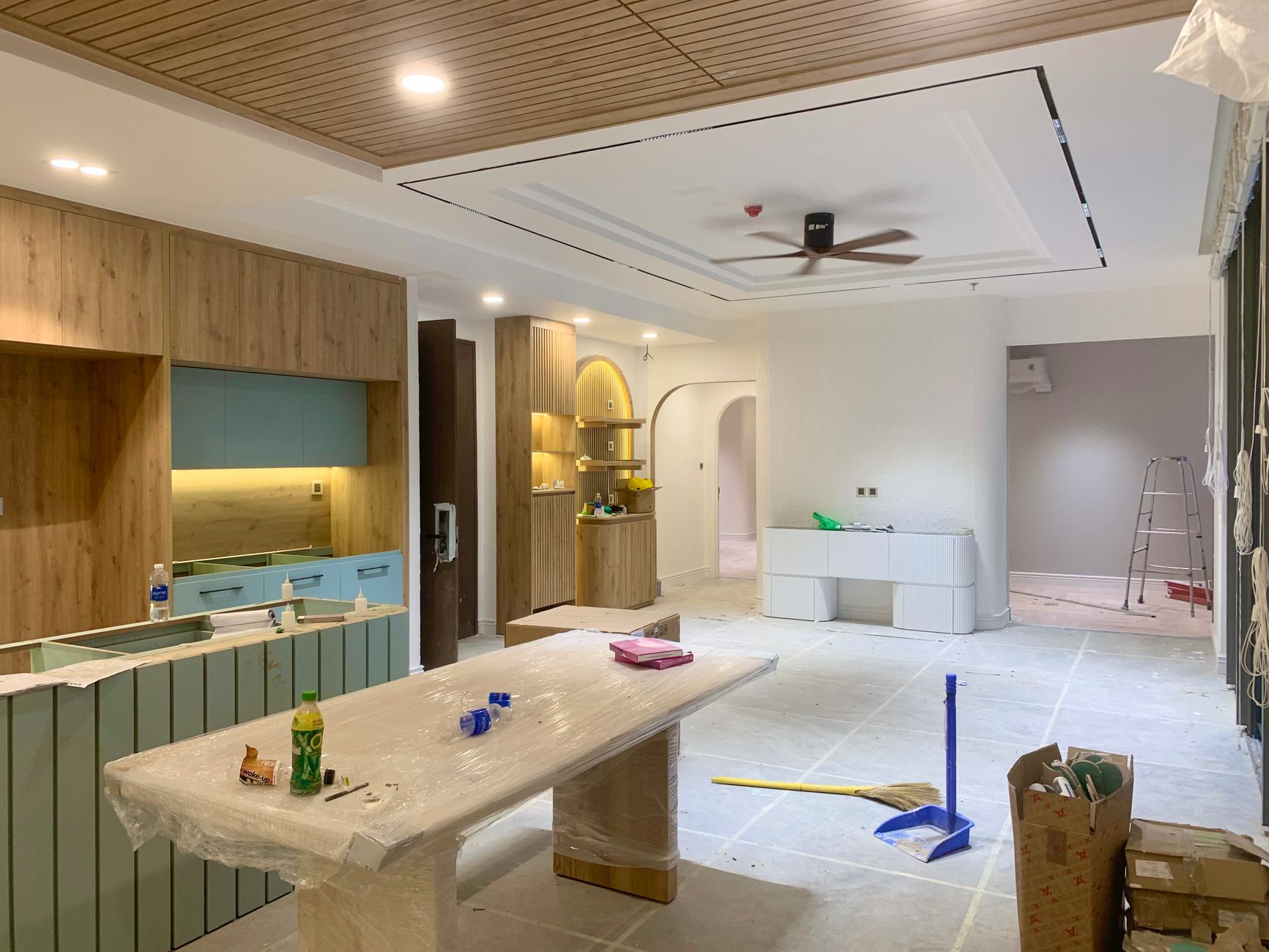
4. Maximize Natural Light with Smarter Window Treatments
Light is the most powerful design element in any room, and your living room renovation should prioritize it. If your budget allows, consider enlarging existing windows or adding a sliding glass door that opens onto a patio or garden. At minimum, replace heavy, dated curtains with sheer linen panels or motorized roller shades that let you control light precisely throughout the day. Strategically placed mirrors can double the apparent brightness of a room by reflecting light from windows across to darker corners. For more tips on brightening your space, see how you can make your apartment brighter with smart lighting techniques.
5. Reimagine Your Fireplace as a Design Statement
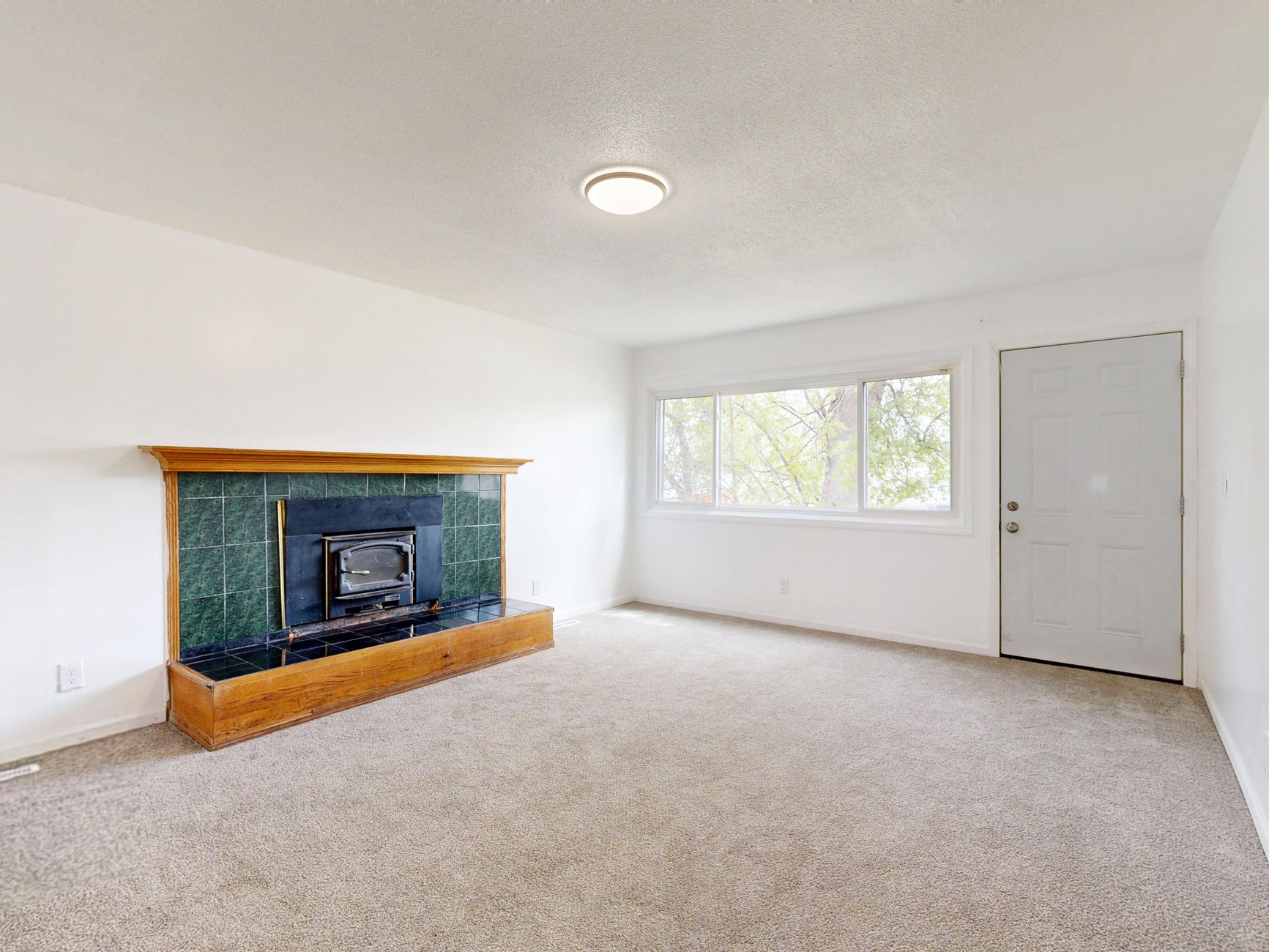
If your living room has a fireplace, it deserves to be the undisputed star of the space. A dated brick surround can be modernized with a sleek plaster render, a marble veneer, or bold floor-to-ceiling tile work. Swap an old wood-burning insert for a gas or electric fireplace with a modern flame effect for cleaner aesthetics and easier maintenance. Build flanking built-in shelves or cabinets on either side of the fireplace to create a custom-looking built-in wall unit that provides both storage and style. This type of architectural upgrade consistently ranks among the proven renovation tips that transform spaces and boost property value.
6. Update Your Furniture Layout and Selection
A renovation is the perfect time to reconsider how your furniture is arranged. Avoid pushing all seating against the walls — instead, float your sofa toward the center of the room to create a more intimate and conversational grouping. Invest in one or two high-quality anchor pieces, such as a well-made sofa or a distinctive coffee table, and complement them with budget-friendly accessories. Mixing textures — velvet cushions against a linen sofa, a rattan chair beside a metal side table — creates the layered richness that makes a room feel professionally designed rather than catalog-bought. See how simple home improvements can genuinely change your lifestyle.
7. Layer Your Lighting for Depth and Ambiance
A single overhead light is the enemy of atmosphere. A well-renovated living room uses at least three layers of lighting: ambient (the general overhead light), task (reading lamps, accent lighting over artwork), and accent (uplights behind plants, LED strip lights under shelving). Dimmer switches on every circuit give you the flexibility to shift from bright and functional during the day to warm and intimate in the evening. Consider a statement chandelier or pendant light as a design moment in itself — this single upgrade can elevate an ordinary room to something truly memorable.
8. Add Built-In Storage to Eliminate Clutter
One of the most common living room complaints is a lack of storage. Built-in shelving, media units, and window-seat benches with hidden storage can solve this problem while adding architectural character to the space. Floating shelves at varying heights create visual interest and display space for books, plants, and art objects. If a full built-in is beyond your current budget, consider free-standing bookshelves that flank the TV or fireplace — styled thoughtfully, these can look just as intentional. Decluttered, well-organized spaces consistently feel larger and more luxurious, making storage one of the most impactful elements in any smart home renovation plan.
9. Incorporate Natural Elements for Warmth and Texture
Biophilic design — the practice of bringing nature indoors — continues to be one of the dominant trends in 2026 interior renovation. Incorporate raw wood beams, stone accents, jute rugs, and living plants to add organic warmth that synthetic materials cannot replicate. A large fiddle-leaf fig or an arrangement of trailing pothos plants can animate a corner that furniture alone cannot fill. Natural materials also tend to be timeless in a way that trend-driven finishes are not, which means your renovation will still look fresh years down the road. Pair these elements with carefully chosen carpets and rugs that anchor the room and define distinct zones.
10. Finish with Art, Accessories, and Personal Touches
The final layer of any living room renovation is styling — the art, cushions, throws, and objects that make a space uniquely yours. Curate a gallery wall using a mix of framed prints, mirrors, and three-dimensional objects at varying scales. Choose a cohesive color palette for your soft furnishings that ties back to your wall color and flooring. Limit decorative objects on shelves and coffee tables to a thoughtful selection — quality always beats quantity. These finishing touches transform a renovated room from a showroom into a home, reflecting the personality and tastes of the people who live there. For even more inspiration, explore our full collection of budget-smart renovation ideas that deliver maximum impact.
Final Thoughts
A living room renovation doesn’t have to be overwhelming or prohibitively expensive. By breaking the process into clear phases — planning, structural changes, finishes, furniture, and styling — you can manage both the budget and the timeline with confidence. Whether you tackle the whole project at once or work through it room by room over several months, every improvement brings you closer to the living space you’ve always envisioned. Start with the changes that will have the greatest visual impact, and let each step build naturally toward your ultimate goal of a beautiful, functional home.