Lighting shapes a bedroom more than almost any other design choice. The right mix of fixtures can make a small room feel cozy, a large room feel intimate, and a plain layout feel intentional. If your bedroom relies on a single overhead fixture, you’re missing the layers that designers use to create warmth, function, and mood. These eight ideas will help you rethink your lighting plan from the ground up.
Layer Your Light Sources for Depth
A single ceiling fixture flattens a room and casts harsh shadows. Instead, combine ambient, task, and accent lighting so the space has depth at any hour. Start with a central fixture for general illumination, then add lamps and sconces at different heights to soften the overall effect. This layered approach is the same principle behind smart bedroom furniture arrangement ideas, where every element works together rather than competing for attention.
Choose Warm Bulbs for a Calming Glow
Bulb temperature matters as much as placement. Cool white light (above 4000K) reads as clinical and can make it harder to wind down at night, while warm bulbs in the 2700K to 3000K range create a softer, more restful glow. Swap out any leftover daylight bulbs in your bedroom fixtures and you’ll notice an immediate shift in atmosphere. Pairing warm light with a considered bedroom color scheme amplifies the cozy effect even further.
Add Bedside Lighting That Works as Hard as You Do
Bedside lamps need to do double duty: soft enough for winding down, bright enough for reading. Look for fixtures with adjustable arms or a two-way switch so you can control intensity without getting out of bed. Wall-mounted sconces are a smart alternative when nightstand space is tight, freeing up surface area while still delivering focused task light exactly where you need it.
Use Dimmers to Control the Mood Instantly
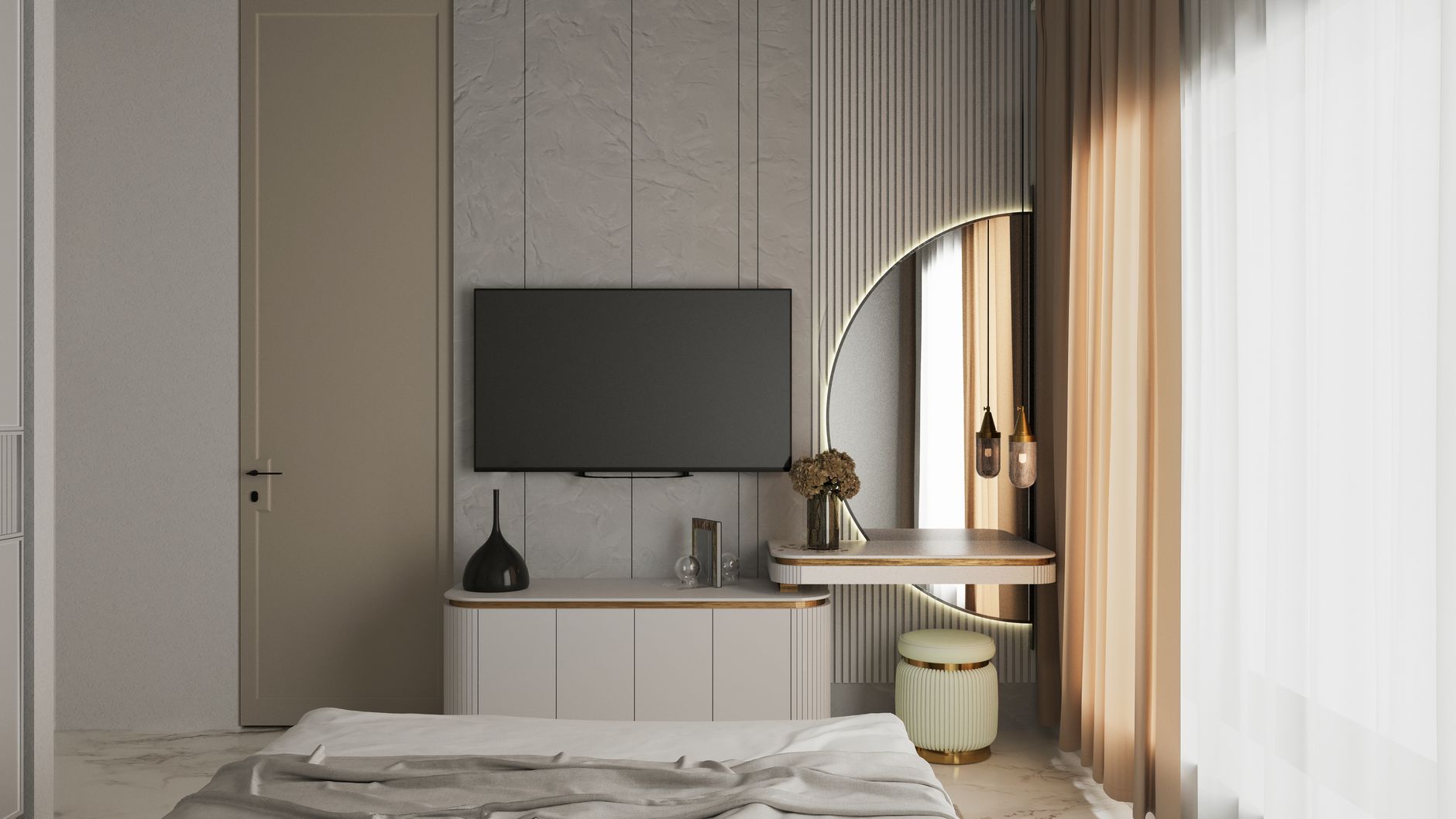
A dimmer switch is one of the most cost-effective upgrades you can make to a bedroom. It lets a single fixture serve multiple purposes throughout the day, bright for getting dressed in the morning, low and warm for reading before bed. Most standard fixtures can be retrofitted with a dimmer in an afternoon, making this one of the easiest wins on this list.
Highlight Architecture and Textures With Accent Lighting
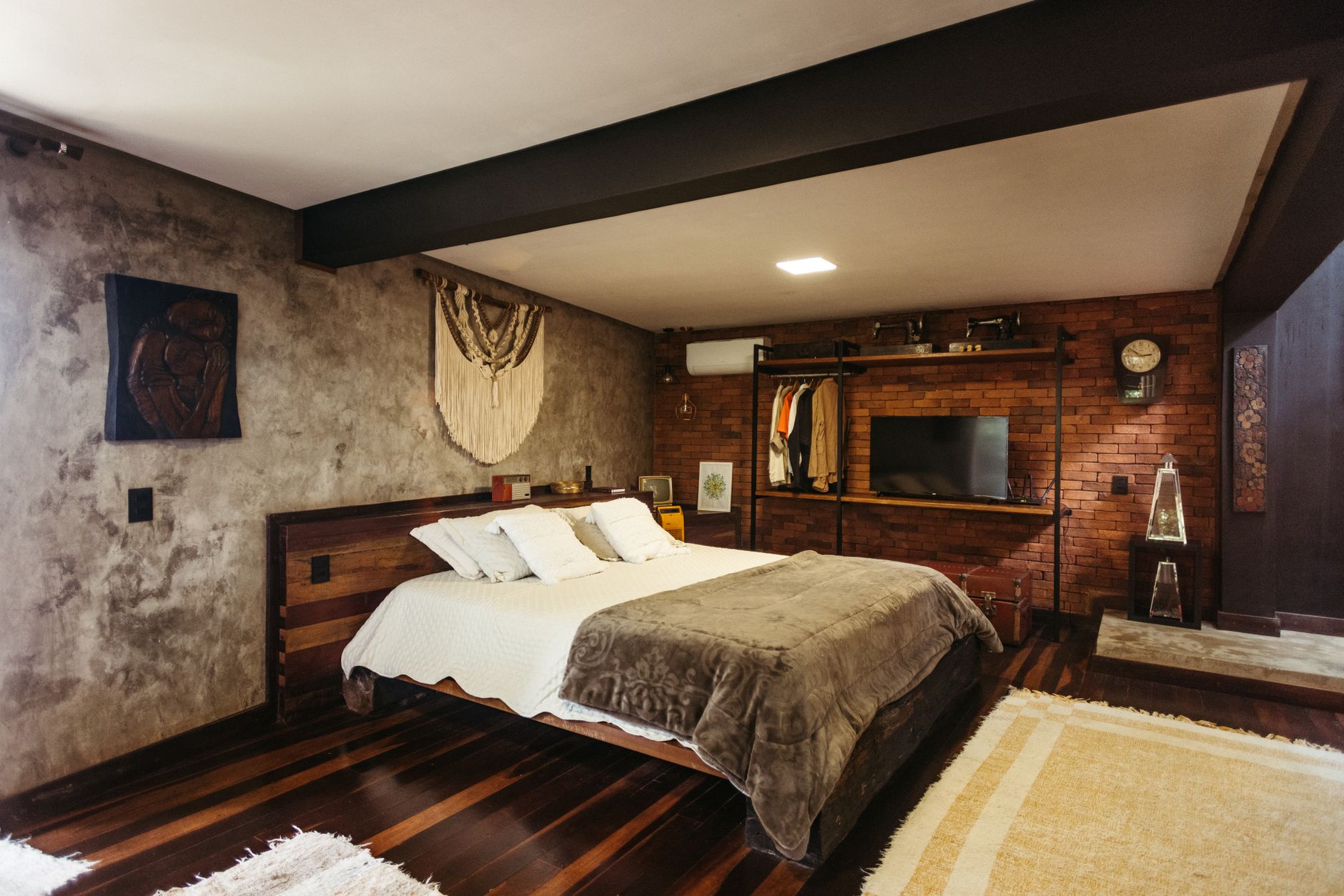
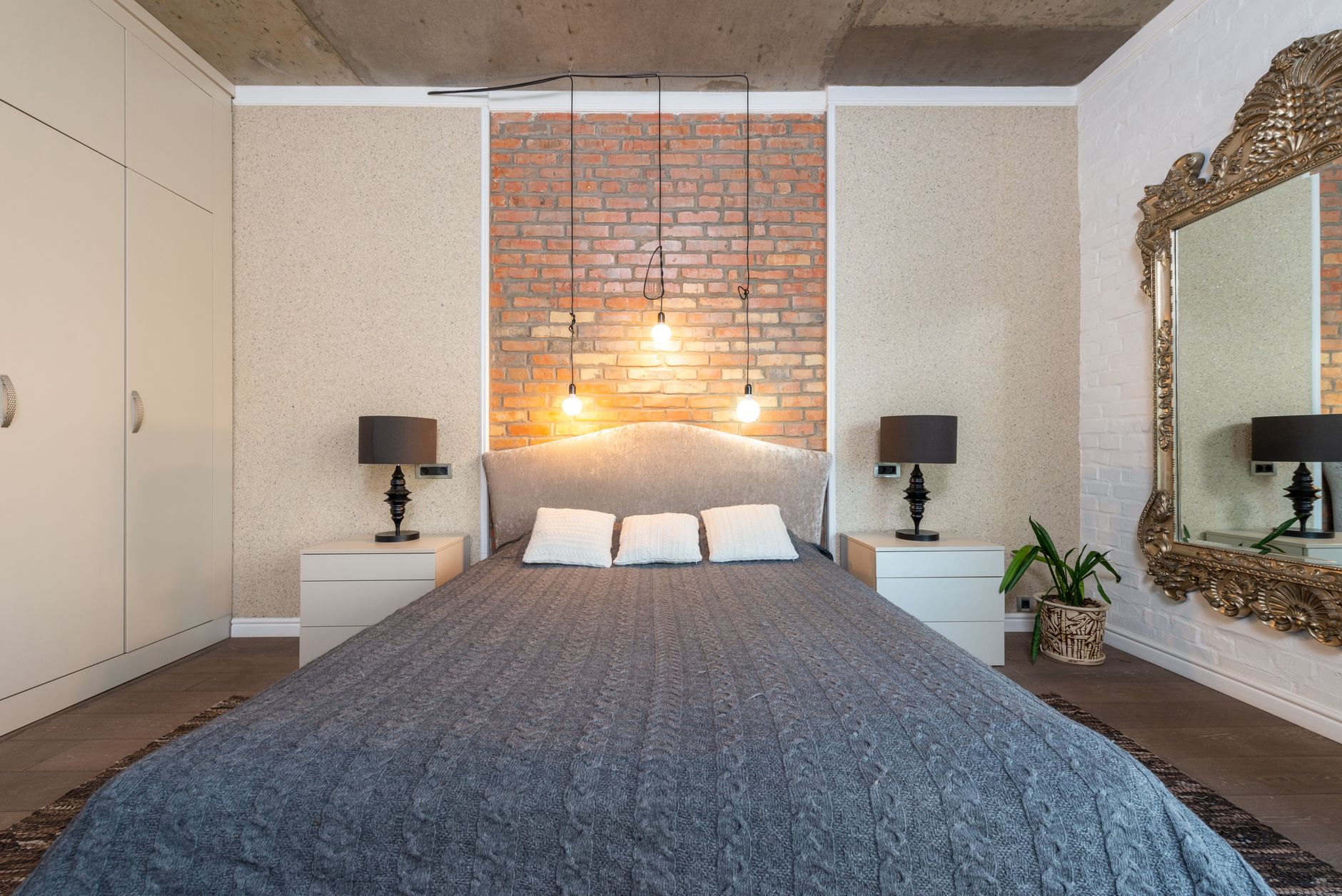
Accent lighting draws the eye to the features worth noticing, a textured headboard, a piece of art, or a statement wall. A narrow picture light or a pair of uplights can turn a flat surface into a focal point. This technique pairs especially well with bedroom accent wall ideas, since the added light makes texture and color pop after dark instead of disappearing into shadow.
Let Natural Light Guide Your Daytime Layout
Before adding a single fixture, take stock of how daylight moves through the room. Position your bed, seating, or reading nook to take advantage of natural light during the day, and reserve your strongest artificial sources for the areas that stay dim. Sheer curtains or adjustable blinds let you fine-tune how much daylight enters without sacrificing privacy, which matters just as much as the fixtures themselves.
Don’t Forget Statement Fixtures as Decor
Lighting doesn’t have to be purely functional. A sculptural pendant, a vintage floor lamp, or an oversized chandelier can serve as the room’s signature piece, much like a bold statement headboard anchors the space visually. Choose one fixture to be the star and keep the rest of the lighting supportive rather than competing for attention.
Final Thoughts
Great bedroom lighting is rarely about one big fixture. It’s the combination of ambient, task, and accent sources working together, tuned to warm tones and controlled by dimmers, that turns a room into a retreat. If you’re planning a bigger refresh, these lighting principles work hand in hand with broader bedroom styling tips and the latest master bedroom design trends. For techniques that extend beyond the bedroom, this collection of interior design techniques is worth bookmarking, along with these bedroom organization ideas for keeping the space as functional as it is beautiful.