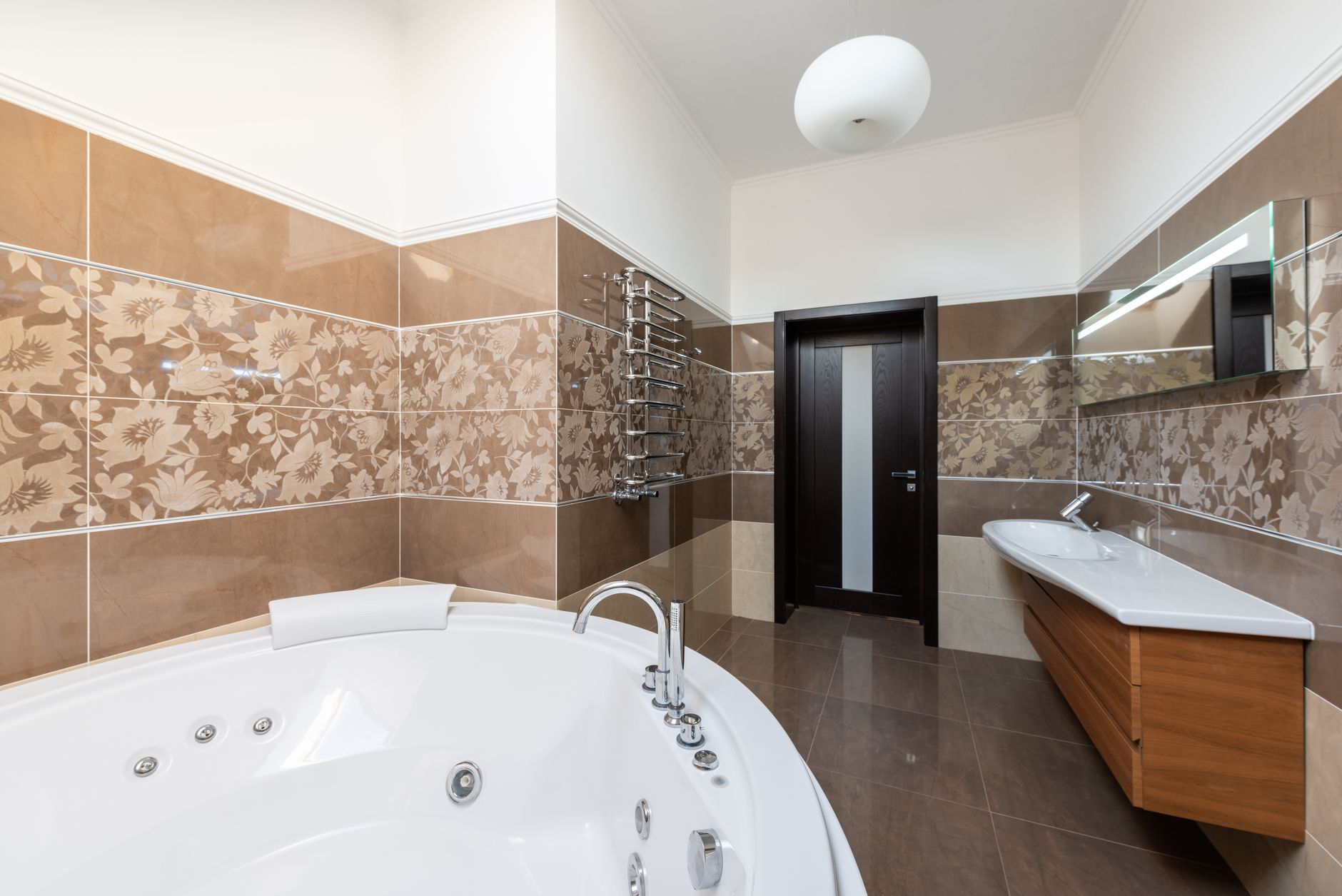
Bathroom flooring works harder than almost any other surface in your home. It has to survive splashes, steam, bare feet, and daily wear while still looking polished enough to anchor the whole room. Choosing the right material is one of those decisions that pays off for years, whether you are updating a single detail or planning a full remodel alongside new bathroom vanity ideas. Here are nine flooring options worth considering, along with what makes each one work.
Porcelain Tile: The Workhorse of Bathroom Floors
Porcelain tile remains the most popular choice for good reason. It is denser and less porous than standard ceramic, which means it resists water, stains, and scratches far better over time. Large-format porcelain tiles also reduce the number of grout lines, giving small bathrooms a cleaner, more expansive look. Pair a matte finish with a slip-resistant rating if the floor sits near a shower or tub, since safety matters as much as style.
Natural Stone for Timeless Elegance
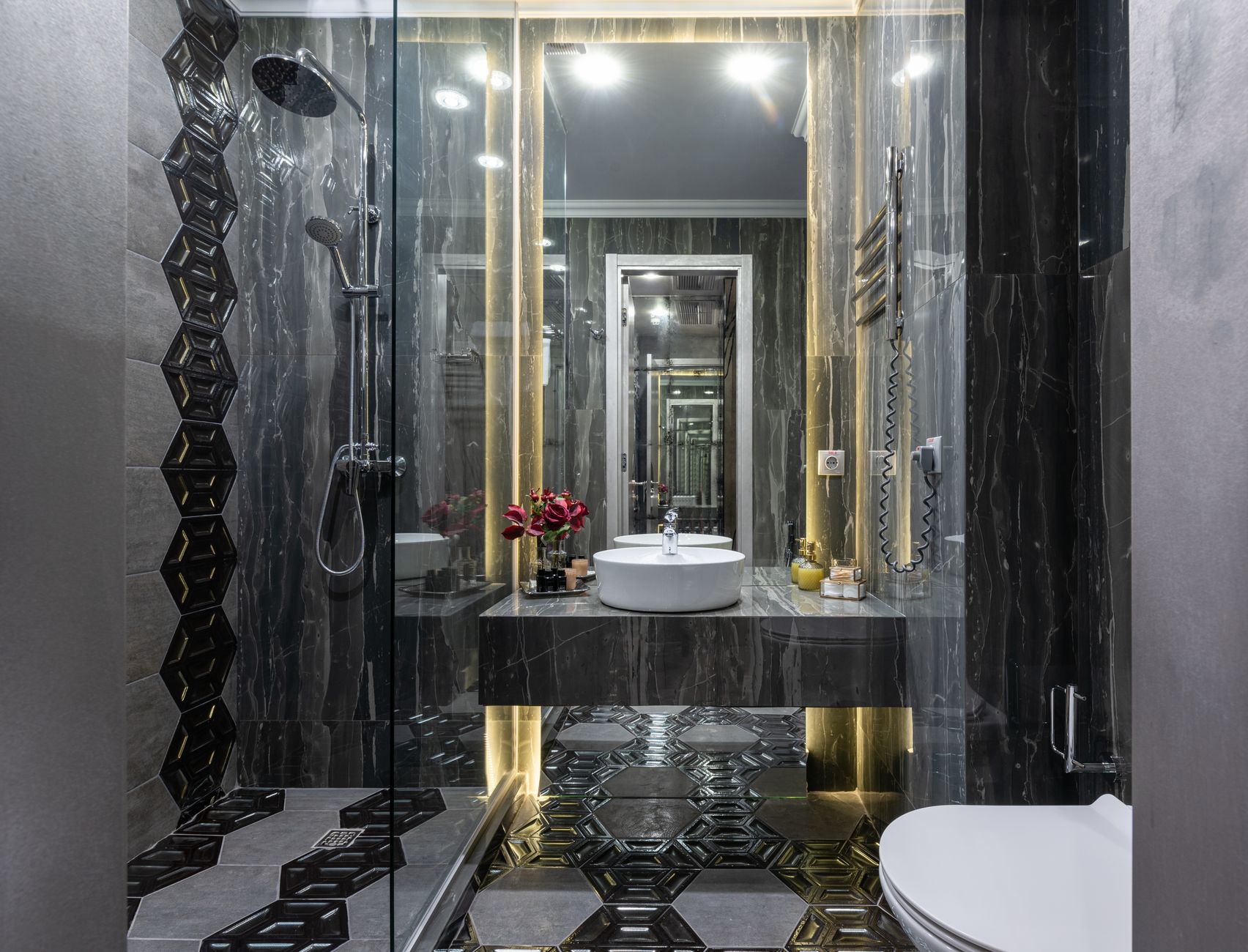
Marble, travertine, and slate bring a level of texture and depth that manufactured materials struggle to match. Stone does require periodic sealing to guard against moisture and staining, so it suits homeowners willing to keep up with light maintenance. The payoff is a floor that feels genuinely luxurious, especially when paired with the kind of spa-inspired bathroom ideas that turn a daily routine into a retreat.
Heated Flooring for Everyday Comfort
Radiant floor heating installed beneath tile or stone eliminates the shock of cold feet on winter mornings. It also helps the room dry faster after a shower, which cuts down on lingering moisture and mildew. While it adds to the upfront renovation cost, homeowners consistently rank it as one of the most appreciated upgrades once installed. It pairs particularly well with a bathroom renovation built around comfort.
Luxury Vinyl Plank for Budget-Friendly Durability
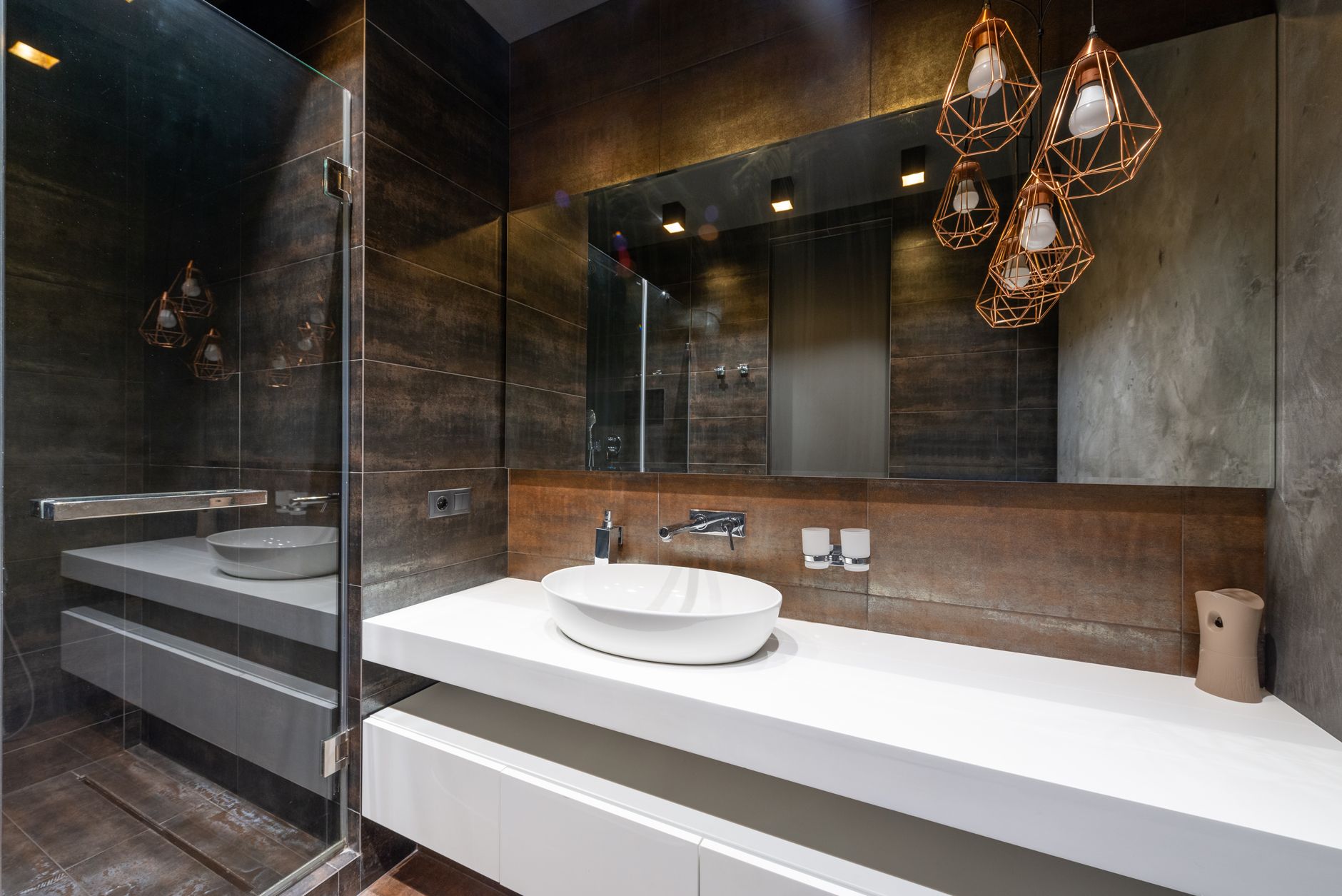
Luxury vinyl plank, often called LVP, has become a serious contender for wet spaces. It is fully waterproof, warmer underfoot than tile, and available in wood-look finishes that mimic hardwood convincingly. Installation is faster and less expensive than tile, making it a smart option for a small bathroom where budget needs to stretch across several updates at once.
Patterned and Cement-Look Tile for Personality
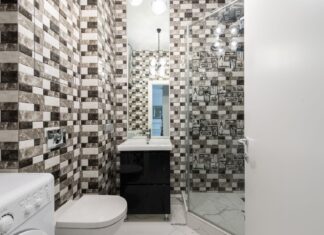
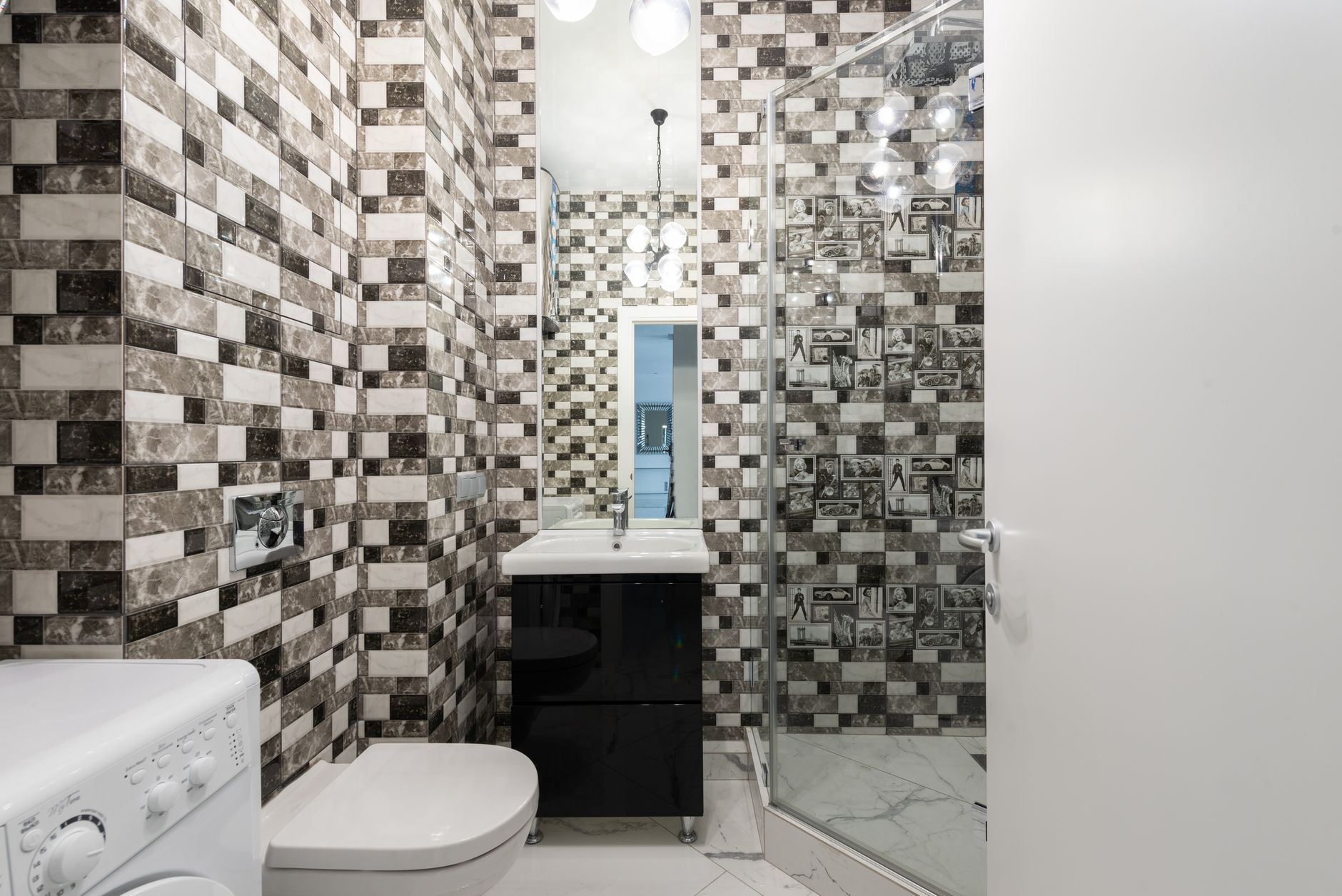
If the rest of the room leans neutral, a patterned or cement-look tile floor can become the design focal point without overwhelming the space. These tiles work especially well in powder rooms or guest bathrooms, where a bolder choice feels fresh rather than risky. Keep the walls and fixtures simple so the floor gets to do the talking, and consider echoing a smaller version of the pattern near the bathroom mirror for visual continuity.
Wood-Look Options Without the Water Risk
True hardwood rarely belongs in a bathroom, but wood-look porcelain and engineered vinyl now replicate the grain and warmth convincingly. These options bring a softer, more residential feel to spaces that might otherwise feel clinical. They also transition smoothly into adjoining rooms, which is useful if your layout includes an open connection near a walk-in shower or dressing area.
Getting Grout and Sealing Right
Even the best flooring material underperforms if the grout and seals are neglected. Epoxy grout resists staining and mildew far better than standard cement-based grout, and it is worth the extra cost in high-moisture zones. Schedule a resealing check every year or two for stone or grouted tile, and make sure the transition strips at doorways are watertight. Small details like this often separate a floor that lasts five years from one that lasts twenty, a lesson covered in more depth in common home renovation mistakes.
Final Thoughts
The best bathroom floor balances three things: how it handles moisture, how it feels underfoot, and how it looks alongside the rest of your fixtures. Porcelain and vinyl offer practicality, natural stone and patterned tile offer character, and heated flooring adds a comfort upgrade worth considering for any full remodel. Whichever direction you choose, factor flooring into your overall plan early, since it often shapes decisions about bathroom storage and lighting layout as well.