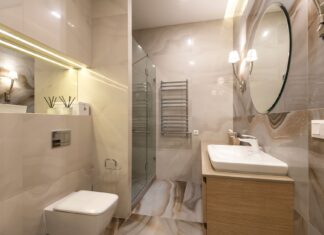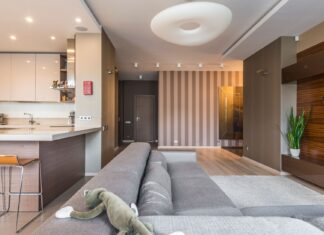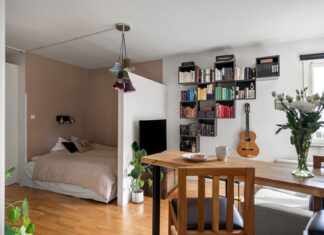
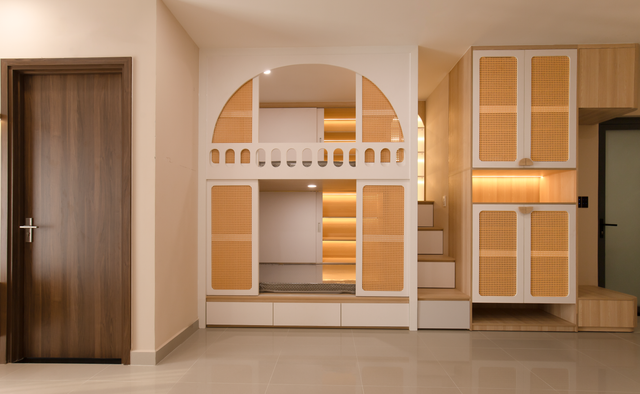
Living in a compact home does not mean you have to sacrifice comfort or style. With the right design strategies, even the smallest living room can feel open, airy, and beautifully curated. Whether you are furnishing a studio apartment or working with a narrow floor plan, these 10 small living room ideas will help you make every square foot count. From smart furniture choices to clever use of light and color, each tip is designed to maximize your space without compromising on personality.
1. Choose Furniture That Doubles as Storage
In a small living room, every piece of furniture should earn its place. Opt for ottomans with hidden compartments, sofas with built-in storage, and coffee tables that lift to reveal hidden shelving. These multi-functional furniture pieces eliminate the need for extra cabinets or shelving units that would visually crowd the space. A well-chosen storage ottoman, for instance, can serve as a footrest, extra seating, and a place to stash blankets all at once. The less visual clutter you have on display, the larger your room will feel.
2. Use a Light, Neutral Color Palette
Color has a profound effect on the perceived size of a room. Light shades — soft whites, warm creams, pale greys, and dusty beiges — reflect natural light and make walls feel farther apart than they actually are. If you want to add depth and interest, layer in texture through cushions, throws, and rugs rather than introducing dark or saturated wall colors. For more inspiration on how color influences perception, check out these color tricks that make small spaces look bigger. A monochromatic palette — using varying tones of the same color throughout — also creates a seamless, expansive feel.
3. Maximize Natural Light
Natural light is one of the most effective tools for opening up a small living room. Keep window treatments minimal — opt for sheer curtains or lightweight blinds that let sunlight flood in rather than block it. Position mirrors opposite windows to bounce light around the room and amplify brightness. If your living room lacks adequate windows, layered artificial lighting with floor lamps, table lamps, and recessed ceiling lights can mimic the effect. These lighting tricks for small spaces can dramatically change how open and welcoming a room feels at any time of day.
4. Hang Curtains High and Wide
One of the quickest and most affordable ways to make a living room feel taller and more spacious is to hang curtains close to the ceiling and extend them beyond the window frame on both sides. This draws the eye upward, creating the illusion of high ceilings and expansive windows. Choose floor-length curtains in light fabrics to elongate the wall visually. This single trick can transform the entire atmosphere of a compact room without requiring any structural changes. It pairs especially well with pale walls and minimalist furniture arrangements.
5. Scale Furniture Appropriately
Oversized furniture is one of the most common mistakes in small living rooms. A sectional sofa designed for a large family room will overwhelm a compact space and leave little room to move. Instead, choose a streamlined loveseat or a compact two-seater sofa paired with one or two occasional chairs. Keep legs visible on sofas and tables — furniture that sits directly on the floor blocks sightlines and makes a room feel heavier. These small space design tips will help you strike the perfect balance between comfort and proportion.
6. Embrace Vertical Storage
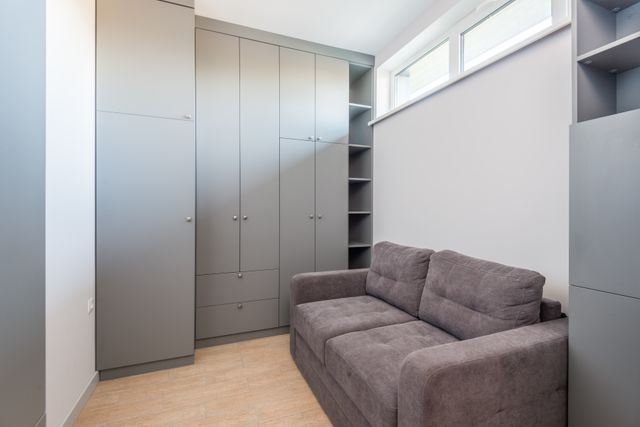
When floor space is limited, the walls become your best ally. Floor-to-ceiling bookshelves, tall cabinets, and wall-mounted shelving draw the eye upward and keep floor space clear for movement. Wall-mounted media consoles, floating shelves, and picture rails all contribute to a cleaner, more airy aesthetic. For practical inspiration, browse these open shelving ideas for small spaces that add storage without sacrificing style. Remember to keep upper shelves curated and uncluttered — they should display a few meaningful objects, not serve as overflow storage.
7. Define Zones with a Rug
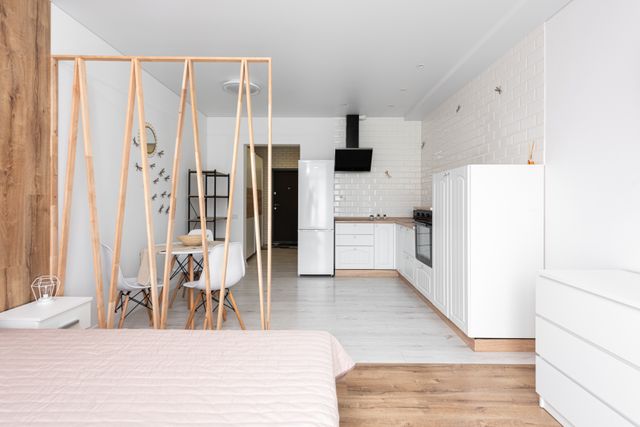
In a small open-plan living area, a well-chosen area rug can anchor the seating arrangement and define the living space without the need for walls or dividers. Choose a rug that is large enough for all front legs of your furniture to rest on it — this connects the pieces visually and makes the zone feel intentional. A rug in a light, subtle pattern or a solid neutral tone will maintain the sense of openness while adding warmth and texture underfoot. This technique is especially effective in one-room apartments where living, dining, and sleeping areas share a single open floor plan.
8. Declutter Ruthlessly and Style Minimally
No design trick can compensate for clutter. In a small living room, every item on display must be intentional. Pare back decorative objects to a few meaningful pieces — a sculptural vase, a stack of coffee table books, a single piece of wall art. Invest in small space storage hacks to keep everyday items out of sight. A tidy, minimally styled room will always feel larger than one filled with well-intentioned but competing accessories. Consider doing a seasonal purge to keep the space feeling fresh and functional year-round.
9. Add Mirrors Strategically
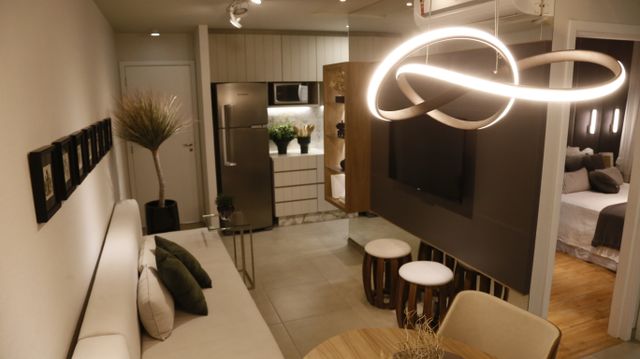
Mirrors are one of the oldest tricks in the interior design playbook, and for good reason — they genuinely work. A large mirror placed on the main wall of a living room creates the impression of a second room beyond it, effectively doubling the perceived depth of the space. Lean a full-length mirror against a wall for an effortlessly casual look, or hang a gallery of smaller mirrors for a more curated effect. Mirrored furniture — a side table, a console, a tray — can achieve a similar effect at a smaller scale. Even the most creatively designed small apartments rely on reflective surfaces to amplify light and space.
10. Keep Traffic Paths Clear
Good furniture arrangement in a small living room is as much about what you leave empty as what you fill. Ensure there is at least 30 inches of clearance between pieces to allow comfortable movement through the room. Avoid pushing furniture against every wall in an attempt to create more floor space — this actually makes a room feel smaller and less inviting. Instead, float furniture slightly away from walls and create a natural conversation cluster in the center of the room. For more ideas on making every inch work harder, explore these smart small space design ideas that maximize every square inch.
Final Thoughts
A small living room is a design opportunity, not a limitation. With thoughtful furniture selection, smart storage, strategic lighting, and a disciplined approach to styling, you can create a living space that feels genuinely generous and beautifully composed. Start with one or two of these ideas and build from there — even small changes can have a dramatic impact on how spacious and inviting your home feels. If you want to go deeper into any of these strategies, our guide to clever small space living tips is a great next step.