Living in a small space doesn’t mean sacrificing style, comfort, or functionality. With the right design strategies, even the most compact rooms can feel airy, organized, and beautifully put together. Whether you’re in a studio apartment, a cozy cottage, or a city flat, these proven small space design tips will help you unlock the full potential of every square foot you have.
1. Embrace Vertical Space
When floor space is limited, the smartest move is to look up. Tall shelving units, floor-to-ceiling bookcases, and wall-mounted storage all draw the eye upward, making rooms feel taller and more expansive. Installing floating shelves above doorways or in unused wall corners adds storage without stealing precious square footage. Don’t overlook the power of hanging hooks, pegboards, and magnetic strips — these simple additions can transform bare walls into highly functional storage zones. The key is to keep upper shelves tidy and decorative so the room feels intentional rather than cluttered.
For more inspiration on maximizing vertical real estate, see our guide to 8 Open Shelving Ideas for Small Spaces That Add Storage Without Sacrificing Style.
2. Choose Multi-Functional Furniture
In a small home, every piece of furniture should earn its keep — ideally doing double or even triple duty. A sofa bed offers comfortable seating by day and sleeping space by night. An ottoman with hidden storage works as a coffee table, extra seating, and a place to stash blankets or books. Extendable dining tables can shrink to a two-person setup on weekdays and expand for dinner parties on weekends. When furniture multitasks, you dramatically reduce the number of pieces you need, opening up floor space and making the room breathe. Check out 9 Multifunctional Furniture Ideas That Transform Small Spaces in 2026 for a curated list of the best options on the market.
3. Use Light Colors and Strategic Mirrors
Color has a profound effect on how we perceive space. Light, neutral tones — think soft whites, warm creams, pale grays, and sage greens — reflect natural light and make walls feel farther apart. Painting the ceiling the same color as the walls removes visual boundaries and creates a seamless, expansive effect. Mirrors are another powerful tool: a large mirror on one wall can effectively double the perceived size of a room by reflecting both light and the space itself. Placing a mirror opposite a window maximizes natural light and creates a bright, open atmosphere. For a deep dive into color psychology for compact interiors, visit our article on 7 Color Tricks That Make Small Spaces Look Bigger and More Beautiful.
4. Declutter Ruthlessly and Organize Smartly
The single most impactful thing you can do for a small space is eliminate what you don’t need. Every object that doesn’t serve a purpose or bring you joy is competing for your limited square footage. Adopt a ‘one in, one out’ rule — when something new enters the home, something old leaves. Once you’ve pared down your belongings, invest in smart organization systems: labeled bins, drawer dividers, under-bed storage containers, and cabinet organizers all keep things in their place without adding visual noise. A well-organized small space always feels larger than a cluttered one, regardless of the actual dimensions. 9 Smart Storage Solutions That Will Transform Your Small Space in 2026 offers practical, budget-friendly ideas to get you started.
5. Let in as Much Natural Light as Possible
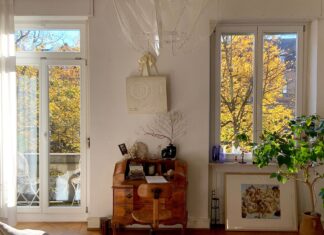
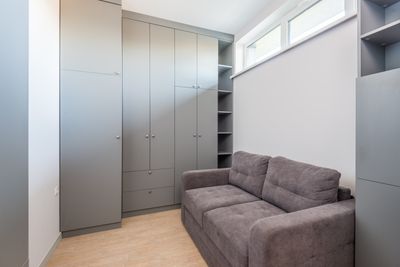
Natural light is the ultimate space enhancer — it’s free, beautiful, and makes any room feel more welcoming and open. Keep window treatments minimal or sheer to allow maximum light in during the day. Avoid placing large furniture pieces directly in front of windows, which blocks light from penetrating the room. If your space has limited windows, consider adding a skylight or using light tubes to bring daylight into darker areas. Supplement natural light with layered artificial lighting: ambient overhead lights, task lamps, and accent lighting work together to eliminate dark corners and create a sense of depth. Our feature on 9 Lighting Tricks That Make Small Spaces Feel Bigger and Brighter is packed with actionable advice on illuminating compact rooms.
6. Define Zones in Open-Plan Layouts
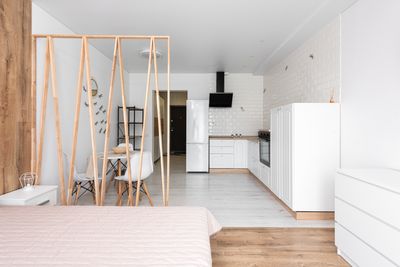
Studio apartments and open-plan spaces benefit enormously from clearly defined zones. Without walls to separate sleeping, living, and working areas, the whole space can feel chaotic and disorganized. Use area rugs to anchor distinct zones — a rug under the sofa defines the living area, while a different rug under the bed anchors the sleeping zone. Bookcases or open shelving units can serve as room dividers that maintain an airy feel while creating visual separation. A change in flooring material or ceiling height (where possible) also signals a transition between spaces. For home design ideas that translate beautifully to small-scale living, explore 7 Ways To Improve Your House To Change Your Lifestyle.
7. Scale Your Furniture to the Room
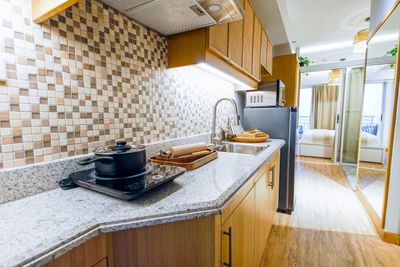
One of the most common small-space design mistakes is choosing furniture that’s too large for the room. A massive sectional sofa or a king-sized bed in a tiny space will crowd out everything else and make the room feel oppressive. Opt for scaled-down pieces with legs (which create the illusion of more floor space), sleek profiles, and light-colored upholstery. A loveseat instead of a full sofa, a queen bed instead of a king, or a round dining table instead of a rectangular one can make a dramatic difference. Transparent materials — acrylic chairs, glass coffee tables, lucite stools — take up physical space without adding visual weight. You can find more clever strategies in 8 Clever Small Space Design Tricks That Make Any Room Feel Larger.
8. Add Personality With Purposeful Decor
Small spaces don’t have to feel stark or sparse. The key is to be selective and intentional with your decorative choices. A few well-chosen pieces — a striking piece of wall art, a collection of plants, a beautifully textured throw — add warmth and character without contributing to clutter. Use one or two accent colors consistently throughout the space to create a cohesive look that feels curated rather than chaotic. Plants are especially valuable in small interiors: they bring life and color, improve air quality, and can be hung from the ceiling or placed on shelves to use vertical space creatively. If you’re looking for ways to style your compact home beautifully, 8 Clever Small Space Living Tips to Maximize Style and Comfort is essential reading.
Final Thoughts
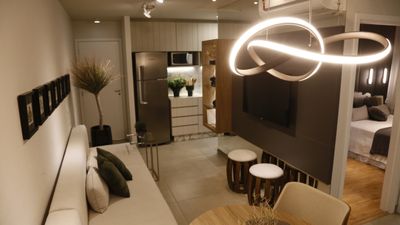
Designing a small space well is ultimately about making smart, intentional choices — the right furniture, the right colors, the right storage, and the right mindset. When you approach your compact home as an opportunity for creativity rather than a limitation, the results can be stunning. Every square foot becomes purposeful, every corner tells a story, and every piece earns its place. Start with one or two of these strategies, see how they transform your space, and build from there. For a comprehensive overview of small-space design principles, don’t miss 10 Smart Small Space Design Ideas That Maximize Every Square Inch — it’s the ultimate guide to living large in a small home.