Great interior design is more than choosing pretty furniture — it is about creating spaces that feel intentional, personal, and functional. Whether you are starting from scratch or refreshing an existing room, the right design choices can dramatically change how a space looks and feels. In this guide we explore ten powerful interior design trends and timeless principles that professionals rely on to create stunning, livable homes. From layering textures to embracing biophilic elements, these ideas will inspire you to see your home with fresh eyes.
1. Embrace a Neutral Base with Bold Accents
One of the most enduring principles in interior design is building your palette around a calm neutral base, then adding personality through bold accent pieces. Shades of warm white, soft greige, or light stone create a versatile backdrop that allows furniture, artwork, and textiles to shine. A single statement sofa in deep emerald or terracotta can anchor the entire room without overwhelming it. This approach is also budget-friendly because you can easily swap out accents as your tastes evolve.
2. Layer Textures for Depth and Warmth
Flat, single-texture rooms feel cold and uninspired no matter how high-end the furnishings are. Layering different materials — linen cushions, a jute rug, a velvet throw, and a raw-wood coffee table — creates a sensory richness that photographs beautifully and feels even better in person. Professional designers refer to this as the texture triangle: combine rough, smooth, and soft surfaces within each vignette. If you want to see this technique in action, check out these interior design secrets professionals use to create depth without clutter. Even small changes like swapping a synthetic rug for a natural fiber version can make a remarkable difference.
3. Prioritize Natural Light
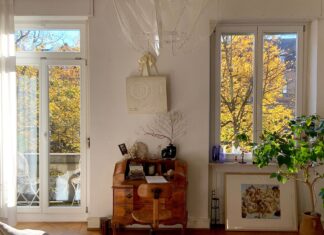
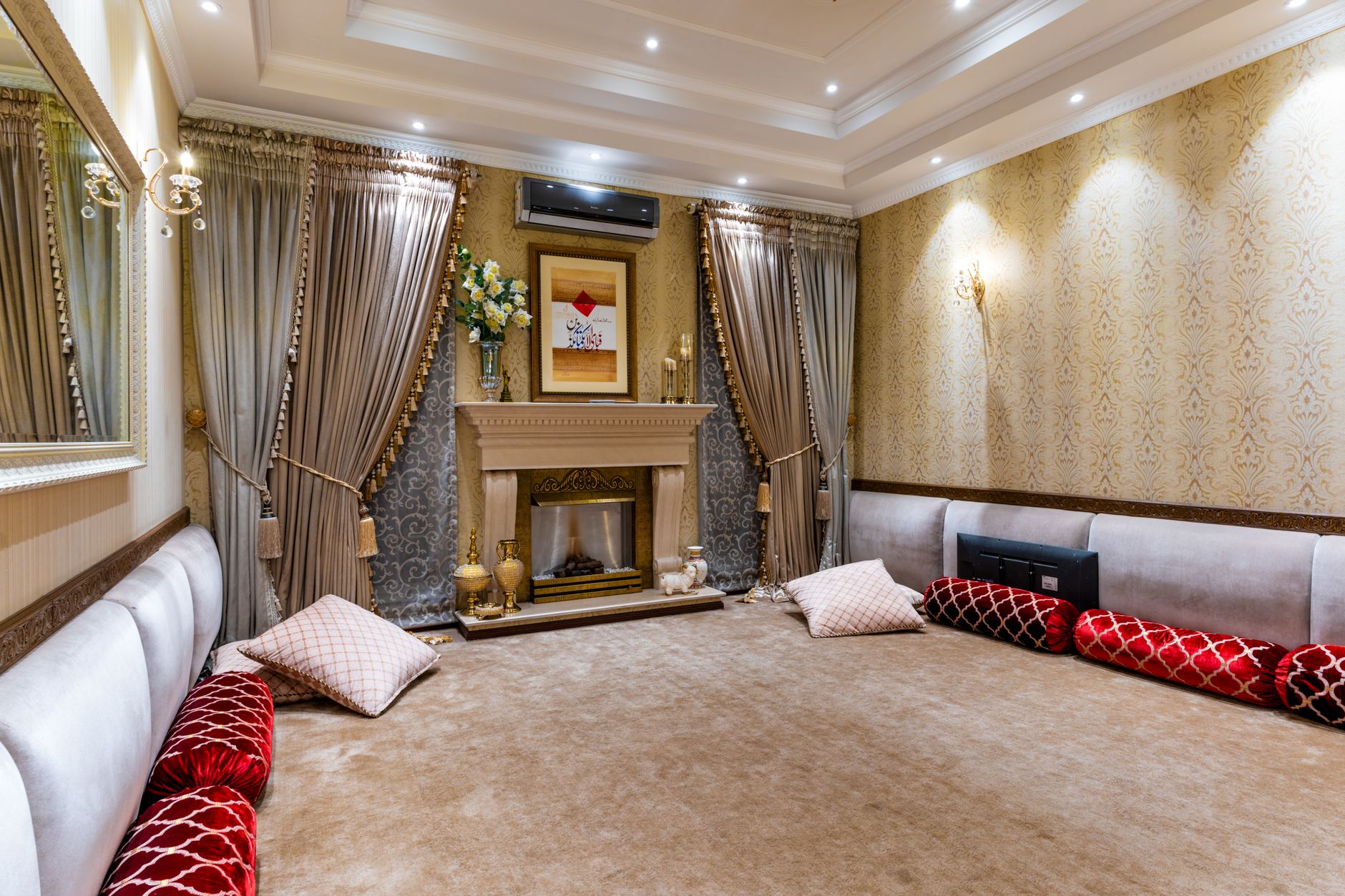
Light is arguably the most powerful design element in any room, yet it is often the most neglected. Start by maximizing what you already have: keep window treatments sheer or hung high and wide to make windows appear larger. Mirrors placed opposite windows bounce light deep into a space, effectively doubling the perceived brightness. For rooms with limited natural light, consider warm-toned LED bulbs layered across multiple light sources — overhead, task, and ambient — rather than relying on a single ceiling fixture. You can also find practical inspiration in this post on lighting techniques to make your apartment brighter.
4. Bring the Outdoors In with Biophilic Design
Biophilic design — integrating natural elements into indoor spaces — has moved from trend to design staple. Plants are the most accessible entry point: a cluster of pothos, a tall fiddle-leaf fig, or a trailing monstera instantly softens hard architectural lines. Beyond plants, consider raw stone accents, wooden beams, or woven rattan furniture to reinforce the connection to nature. Research consistently shows that biophilic environments reduce stress and improve productivity, making this an investment in both aesthetics and wellbeing. For outdoor inspiration that complements your interior choices, explore these ways to improve your home and lifestyle.
5. Define Zones with Rugs
In open-plan homes, rugs are essential tools for visually separating living, dining, and workspace areas without erecting physical walls. The key rule most people ignore: size up. A rug that is too small makes a space feel fragmented and furniture look like it is floating awkwardly. In a living room, all the main furniture legs should ideally sit on the rug, or at least the front legs. Learn more about how carpets and rugs can change a room’s entire look with surprisingly little effort. Natural fibers like wool and sisal add warmth and durability, while high-pile options create a cozy, luxurious feel.
6. Invest in Functional Storage that Looks Beautiful
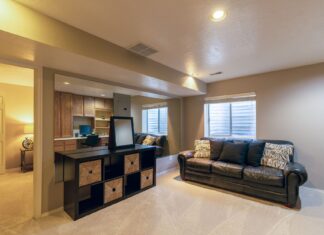
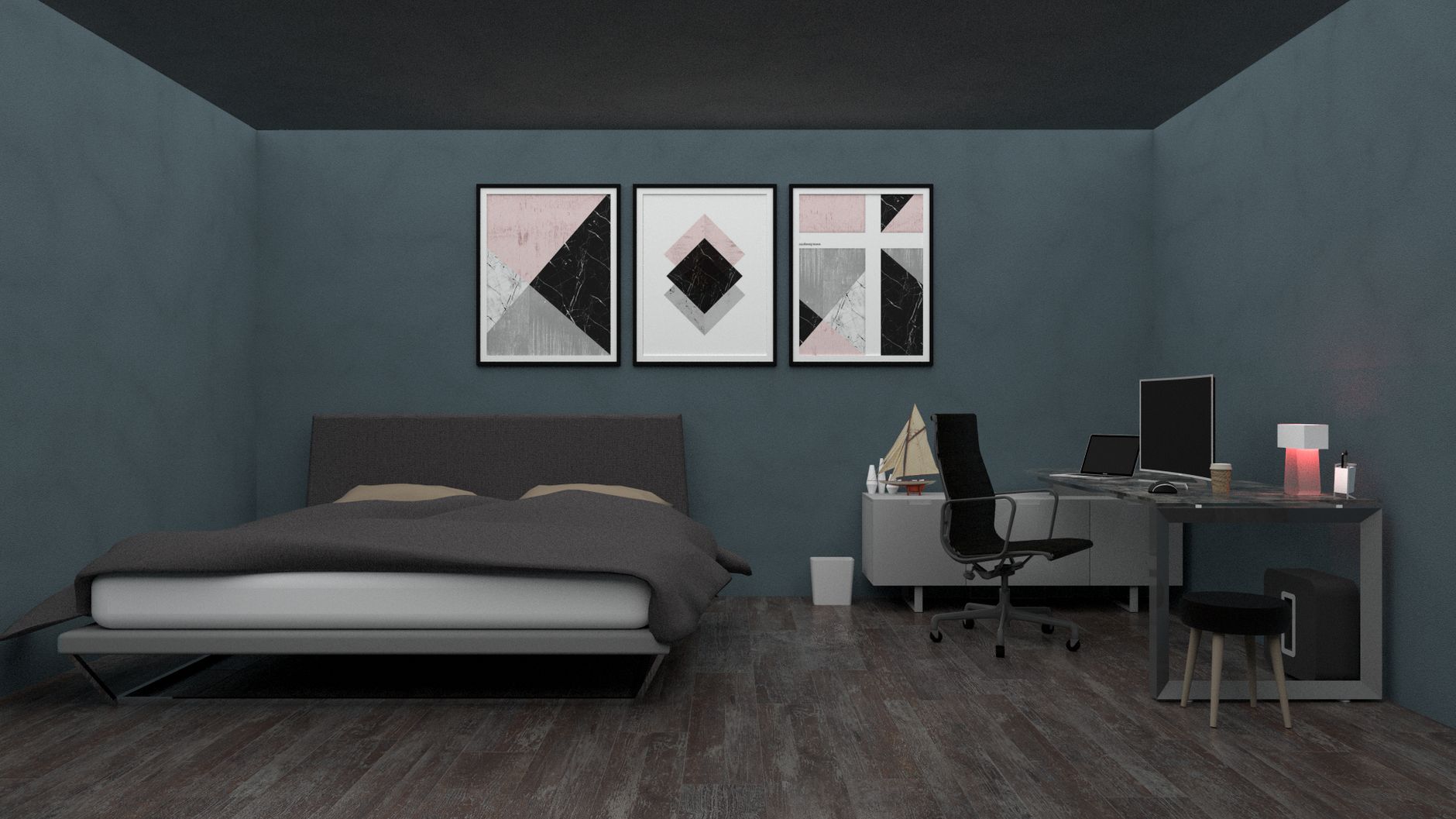
Clutter is the enemy of good design, and the best solution is storage that doubles as décor. Built-in shelving, cabinets with glass fronts, and decorative baskets all keep belongings organized while contributing to the room’s visual story. When styling open shelves, follow the rule of odd numbers: group objects in threes or fives, mix heights, and leave some breathing room between items. This approach works brilliantly in small spaces too — if you are working with limited square footage, these tiny apartment storage and shelving ideas offer dozens of creative solutions that maximize every inch.
7. Mix Old and New for a Curated Look
Rooms furnished entirely with matching sets from a single store feel showroom-sterile. The most interesting interiors blend vintage and contemporary pieces in a way that looks intentional rather than accidental. A mid-century credenza paired with a sleek modern sofa, or an antique mirror above a minimalist console table, creates the kind of layered, collected aesthetic that takes years to achieve — unless you know what you are doing. Study how professionals blend eras in these interior design principles that transform any room. Flea markets, estate sales, and online vintage platforms are goldmines for affordable statement pieces.
8. Use Color Psychology Intentionally
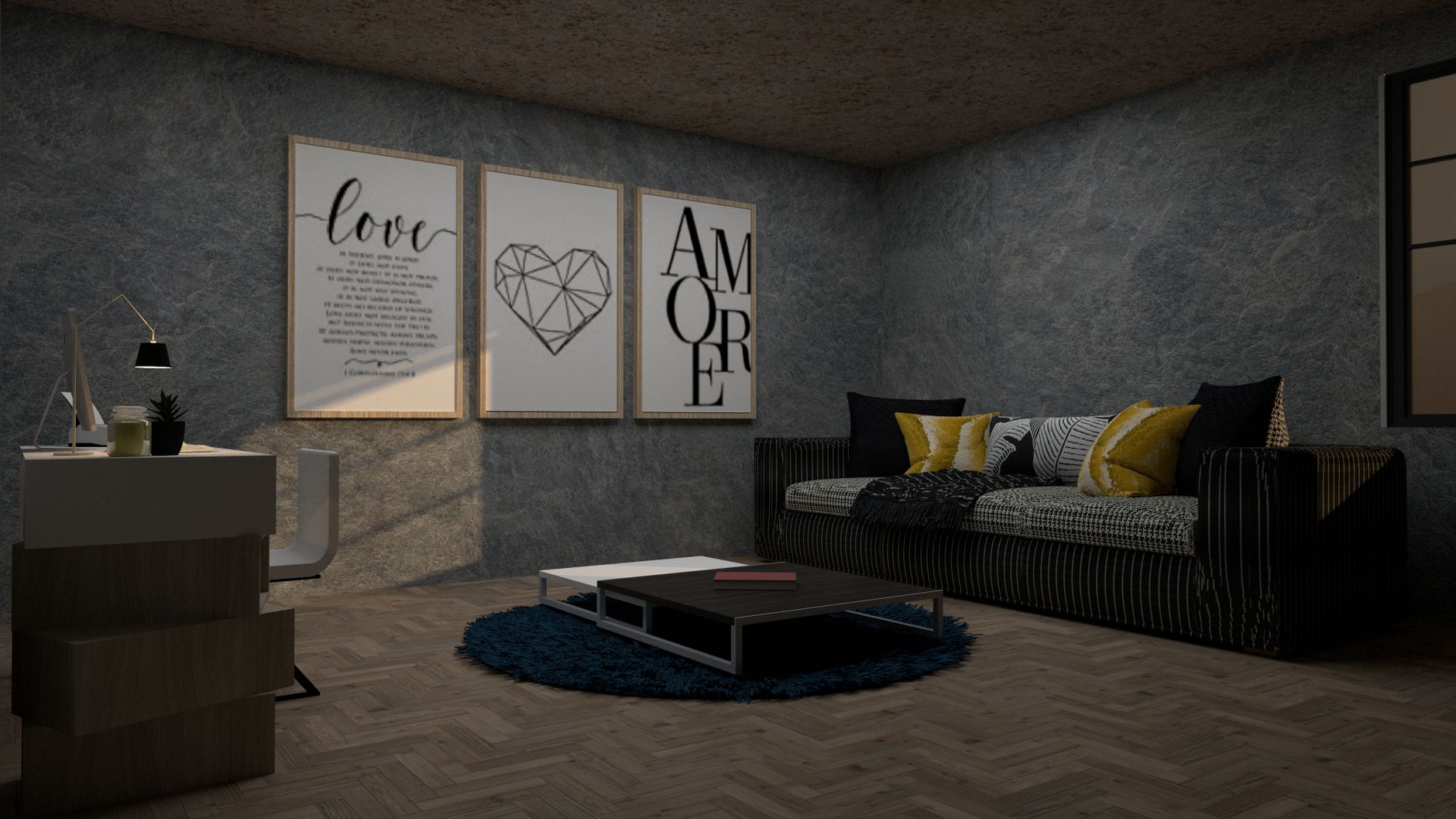
Color is one of the fastest and most affordable ways to shift a room’s mood. Blues and greens promote calm and are ideal for bedrooms or reading nooks; warm yellows and oranges inject energy into kitchens and creative spaces; deep navies and charcoals add sophistication to dining rooms and home offices. Beyond wall color, consider the undertones of every surface in the room — a sofa’s beige can read pink or green depending on the light, which will clash or harmonize with your walls accordingly. The secret to getting this right, as detailed in these tips for transforming your living room, is always testing paint swatches in the actual room at different times of day before committing.
9. Scale Furniture Correctly
Oversized furniture in a small room suffocates it; undersized pieces in a large room look lost. Before purchasing anything, sketch a simple floor plan to scale — even a hand-drawn one — so you can visualize proportions accurately. As a general guide, leave at least 90 cm of walkway around major pieces and ensure sofas are not longer than two-thirds the wall they sit against. In apartments and compact spaces, furniture that serves multiple purposes — ottomans with storage, sofas with pull-out beds, extendable dining tables — lets you live large without sacrificing flow. This is especially valuable when applying the tips shared in these home makeover ideas for warm-weather living.
10. Personalize with Art and Meaningful Objects
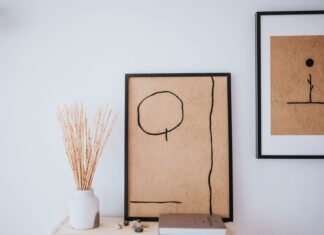
The final layer of any well-designed room is personal expression. A gallery wall of artwork you genuinely love, a collection of travel souvenirs, family photographs in cohesive frames — these are the details that transform a house into a home. Resist the urge to buy generic decorative objects simply to fill space; every piece should have either aesthetic value or personal meaning, ideally both. Hang artwork at eye level (approximately 145–150 cm from floor to center) and group pieces with consistent spacing for a polished effect. Professional designers agree that this final personalization step, combined with the right design framework, is what makes spaces feel truly complete and unique.
Final Thoughts
Elevating your home through interior design does not require a bottomless budget or years of experience. It requires intention, an understanding of a few core principles, and the willingness to experiment. Start with one room, apply two or three of these strategies, and observe how your space transforms. From choosing the right rug size to layering light sources and blending vintage finds with contemporary pieces, each decision adds up to a home that feels thoughtfully designed and deeply personal. The best interior design is always the kind that reflects who you are — so trust your instincts, lean on these principles, and enjoy the process.