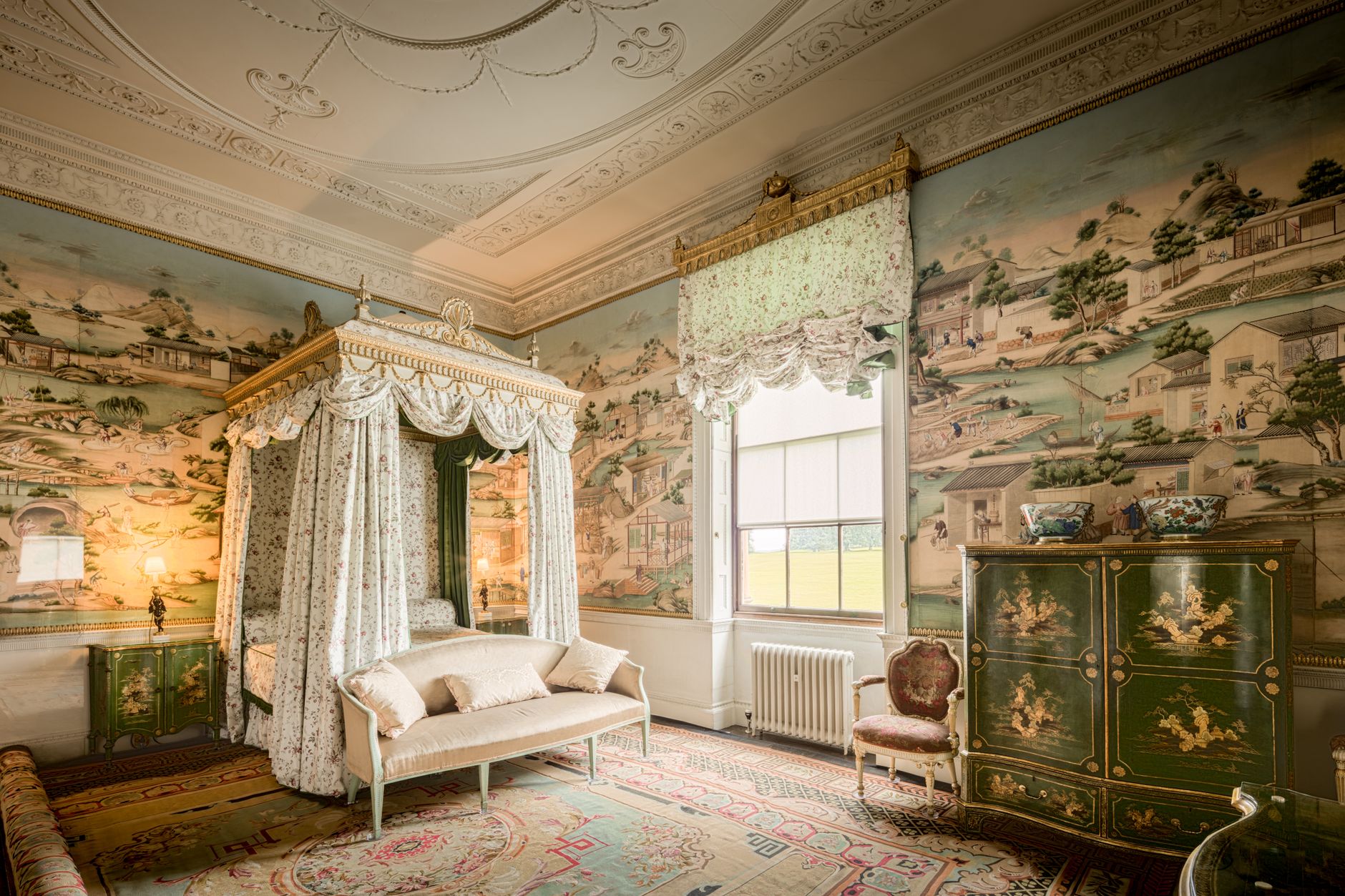
Your bedroom is more than just a place to sleep — it’s your personal retreat, a sanctuary where you recharge, relax, and reset. Whether you’re starting from scratch or looking to refresh an existing space, the right design choices can transform even the most ordinary room into a truly restful haven. From smart furniture layouts to calming color palettes and thoughtful lighting, these 10 bedroom design ideas will help you craft a space that’s both beautiful and deeply functional.
1. Choose a Calming, Neutral Color Palette
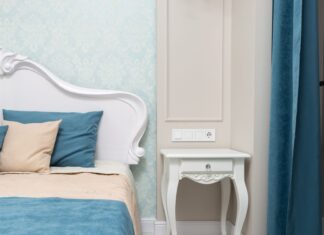
Color sets the emotional tone of a room before anything else. For bedrooms, soft neutrals like warm whites, muted greiges, pale sage, and dusty blues are perennial favorites because they promote relaxation and create a sense of visual calm. Avoid overly saturated or high-contrast hues on all four walls, as they can feel energizing rather than restful. Instead, introduce pops of color through bedding, artwork, or accent pillows. For inspiration on pairing colors that work harmoniously, explore these bedroom color palette ideas that set the perfect mood for restful sleep.
2. Invest in a Quality Bed Frame and Headboard
The bed is the undisputed focal point of any bedroom, so it deserves special attention. An upholstered headboard adds warmth and texture, while a sleek wooden frame lends a more organic, grounded feel. Choose a scale that suits your room — a king-sized bed in a small room will feel cramped, while an undersized bed in a large room will look lost. A thoughtfully chosen bed frame anchors the entire design and instantly elevates the space. If you’re working with limited square footage, check out these bedroom furniture arrangement ideas that maximize space and style.
3. Layer Your Lighting for Ambiance and Function
Good bedroom lighting isn’t just about brightness — it’s about creating the right mood at different times of day. Combine three layers: ambient lighting (overhead fixture or recessed lights), task lighting (bedside lamps or sconces for reading), and accent lighting (LED strips behind the headboard or a statement chandelier). Dimmer switches are a worthwhile investment, giving you full control over the atmosphere from bright mornings to cozy evenings. For detailed ideas, explore these bedroom lighting ideas to create the perfect ambiance in your sleep space.
4. Embrace Texture Through Bedding and Soft Furnishings
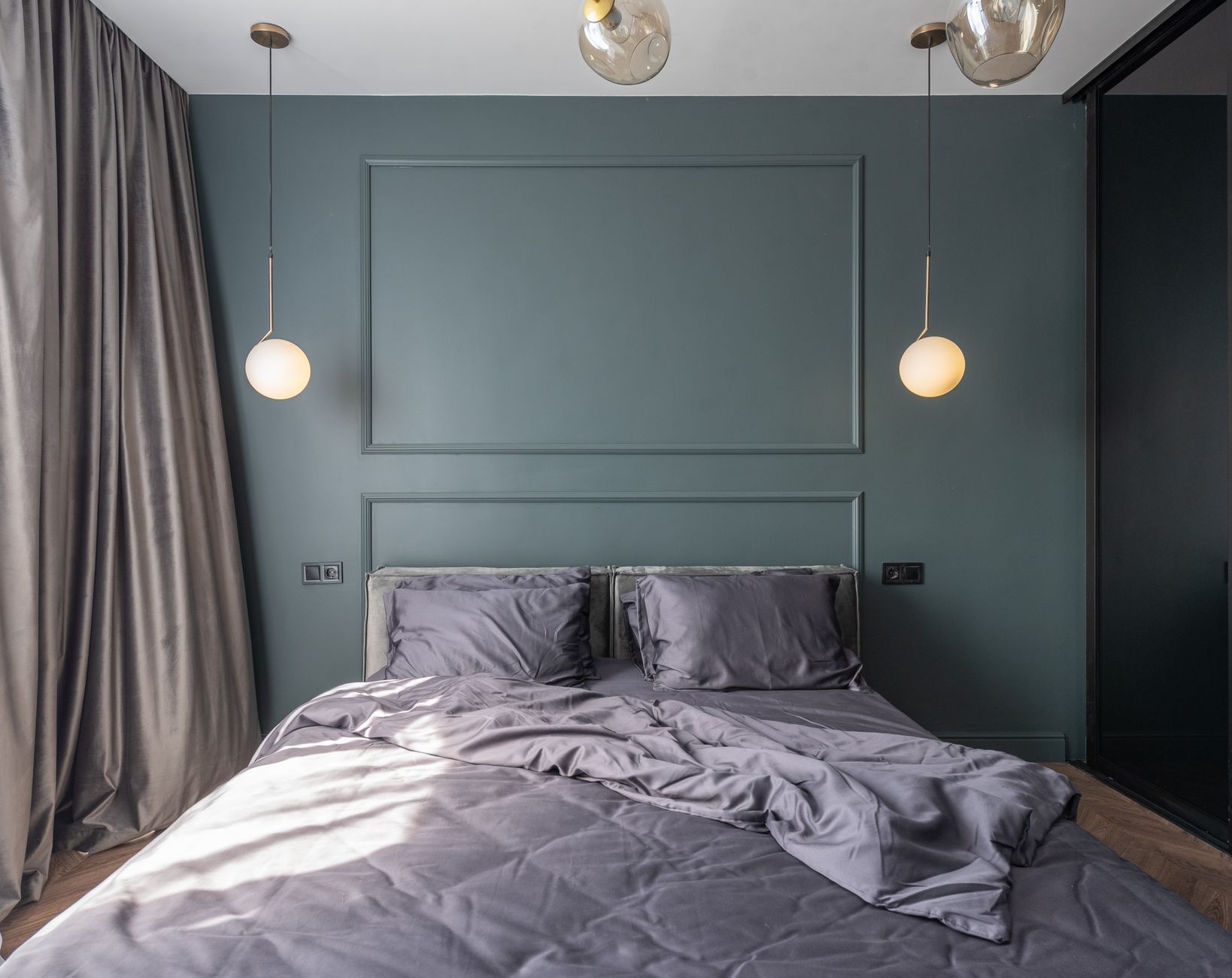
A bedroom that looks luxurious almost always has one thing in common: layered textures. Think linen duvet covers, a chunky knit throw, velvet accent pillows, and a plush area rug underfoot. Mixing materials — cotton, linen, wool, faux fur — adds depth and visual interest without relying on bold patterns. The tactile quality of your bedding also directly affects how comfortable and inviting your space feels. Keep the color palette cohesive while varying textures to achieve that high-end hotel look at home. For more ideas, see bedroom decor ideas to create a luxurious and restful retreat.
5. Prioritize Smart Storage to Reduce Clutter
Nothing disrupts bedroom tranquility quite like visible clutter. Built-in wardrobes, under-bed storage drawers, and nightstands with ample shelving all help keep surfaces clear and the room feeling serene. If you’re working with a smaller space, choose furniture that does double duty — an ottoman at the foot of the bed that opens for storage, or a bed frame with integrated drawers. A clutter-free environment directly supports better sleep quality by reducing visual “noise” and mental stimulation before bed. Get practical tips from these bedroom organization ideas to maximize space and create a calmer sleep sanctuary.
6. Add a Statement Wall to Anchor the Space
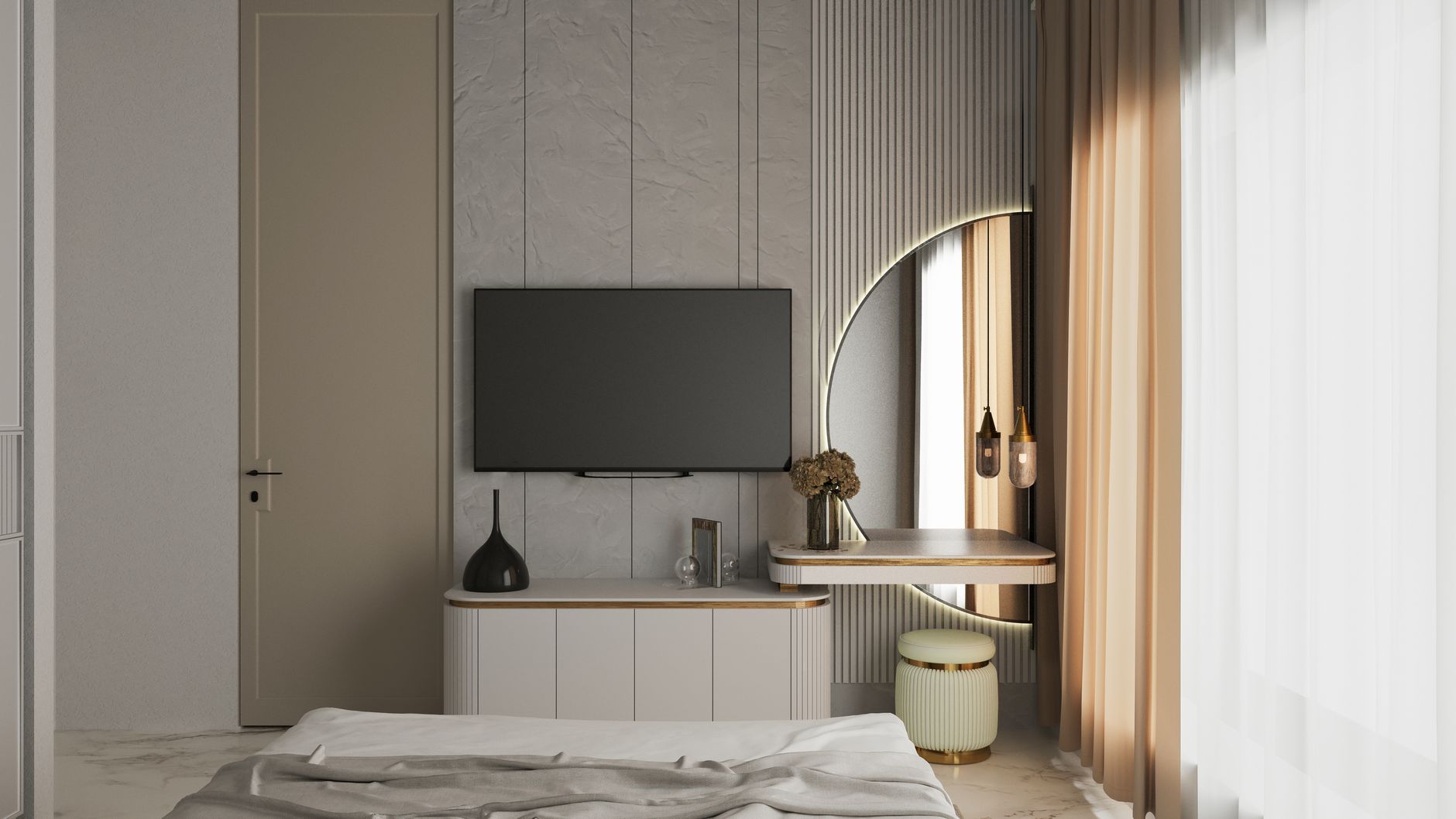
A well-designed statement wall behind the bed creates a natural focal point and adds personality without overwhelming the room. Options range from wallpaper with a subtle botanical or geometric print to a textured plaster finish, shiplap paneling, or a bold paint color. The key is to keep the remaining walls neutral so the statement wall truly stands out. Even a gallery arrangement of framed artwork or mirrors can serve this purpose beautifully. For fresh ideas, browse these stunning bedroom wall decor ideas to transform your sleep space.
7. Bring Nature Indoors with Plants and Natural Materials
Biophilic design — the practice of connecting interior spaces to nature — has proven benefits for mental well-being and stress reduction. Incorporating houseplants like pothos, snake plants, or peace lilies adds life and softens hard edges in the room. Natural materials such as rattan, jute, solid wood, and stone reinforce this connection and lend an earthy warmth that synthetic materials can’t replicate. Even a small potted plant on a windowsill or a wooden nightstand can make a meaningful difference in how a room feels. For broader inspiration, see interior design principles that will instantly elevate your home.
8. Define the Space with an Area Rug
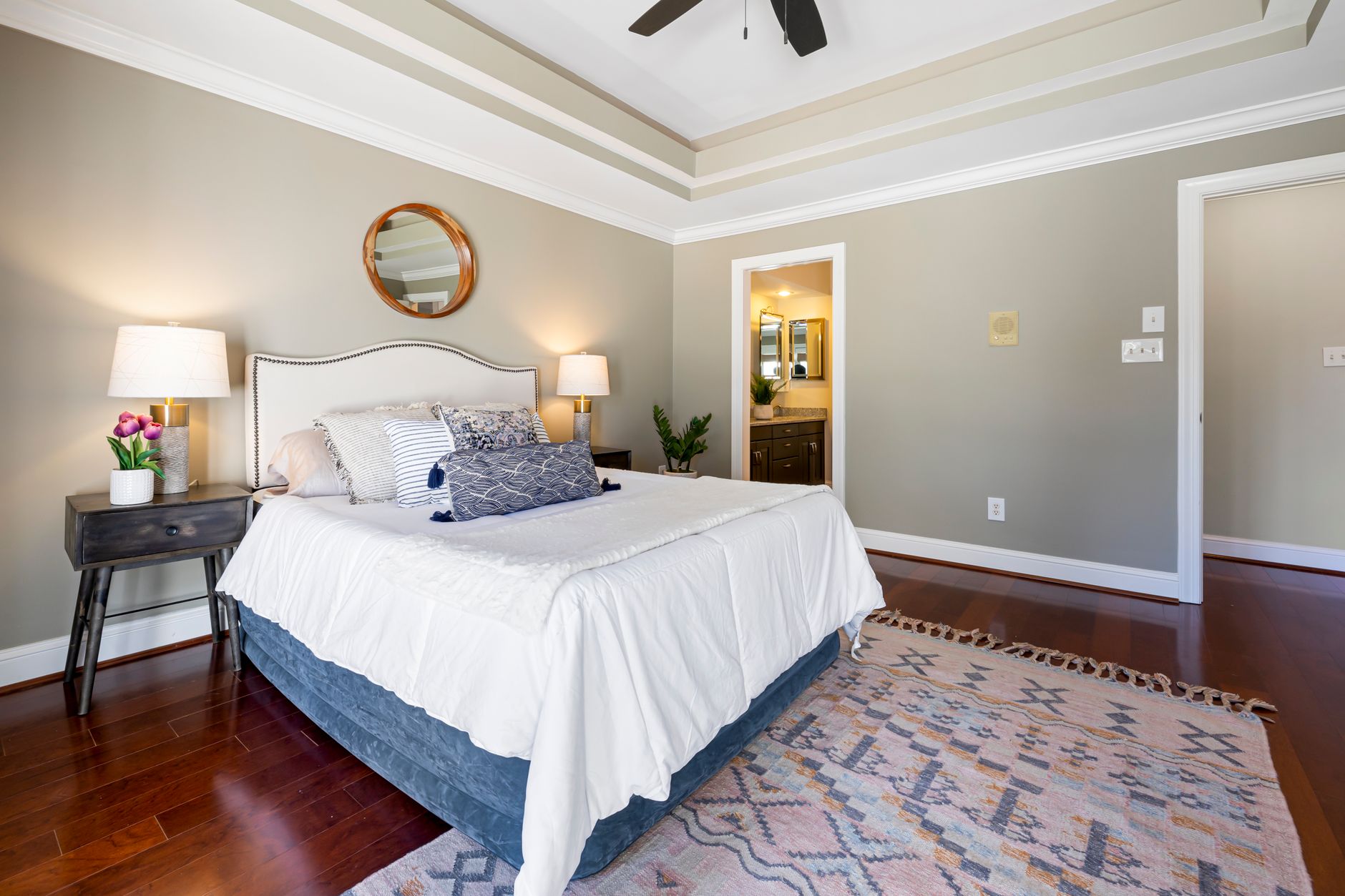
An area rug is one of the most impactful — and often underestimated — elements in bedroom design. It grounds the furniture arrangement, adds warmth underfoot (especially on hard floors), and introduces color, pattern, or texture in a way that’s easy to change. For best results, choose a rug large enough that both nightstands and at least the bottom two-thirds of the bed sit on it. Natural fiber rugs like wool or jute work beautifully in most bedroom styles, from modern minimalist to traditional. A well-chosen rug can tie the entire room together and make it feel intentional and complete.
9. Keep the Color Temperature of Lighting Warm
The color temperature of your light bulbs plays a surprisingly large role in how relaxing your bedroom feels. Opt for bulbs in the 2700K–3000K range, which emit a warm, amber-toned light that mimics the glow of candlelight. Cooler, blue-toned light (5000K and above) signals wakefulness to the brain and can interfere with melatonin production, making it harder to wind down. Swap out any cool-toned bulbs in your bedroom fixtures and lamps, and consider smart bulbs that allow you to gradually dim and warm the light as bedtime approaches. This small change can have a meaningful impact on your sleep quality. For more tips, read interior design principles that will transform any room in your home.
10. Personalize with Art and Meaningful Accessories
The final layer of any bedroom design is the personal one — the artwork, objects, and accessories that tell your story and make the space feel uniquely yours. Choose art that evokes calm or joy, keeping the subject matter and color palette aligned with your overall design. A few carefully chosen accessories — a stack of favorite books, a ceramic vase, a meaningful photograph — will always look more intentional than a cluttered collection of impulse purchases. Edit ruthlessly: in the bedroom, restraint is a form of luxury. For a full bedroom styling guide, visit bedroom styling tips to create a calm and beautiful retreat.
Final Thoughts
Creating a bedroom that truly feels like a sanctuary doesn’t require a complete renovation or an unlimited budget. By making thoughtful choices about color, lighting, texture, and furniture, you can build a space that supports deep rest and genuine relaxation. Start with the elements that will make the biggest impact — a quality bed, layered lighting, and a clutter-free layout — and layer in the personal touches over time. Your bedroom should be the most restorative room in your home, and with these 10 design ideas, it absolutely can be.