Your bedroom is more than just a place to sleep — it’s your personal sanctuary, the one room in your home that should reflect your personality, comfort, and style. Whether you’re starting from scratch or looking to refresh a tired space, the right design choices can completely transform how you feel the moment you walk through the door. In this guide, we’ll explore 8 bedroom furniture arrangement ideas that maximize both space and style, helping you create a room that’s as functional as it is beautiful.
1. Start With the Focal Point: Your Bed
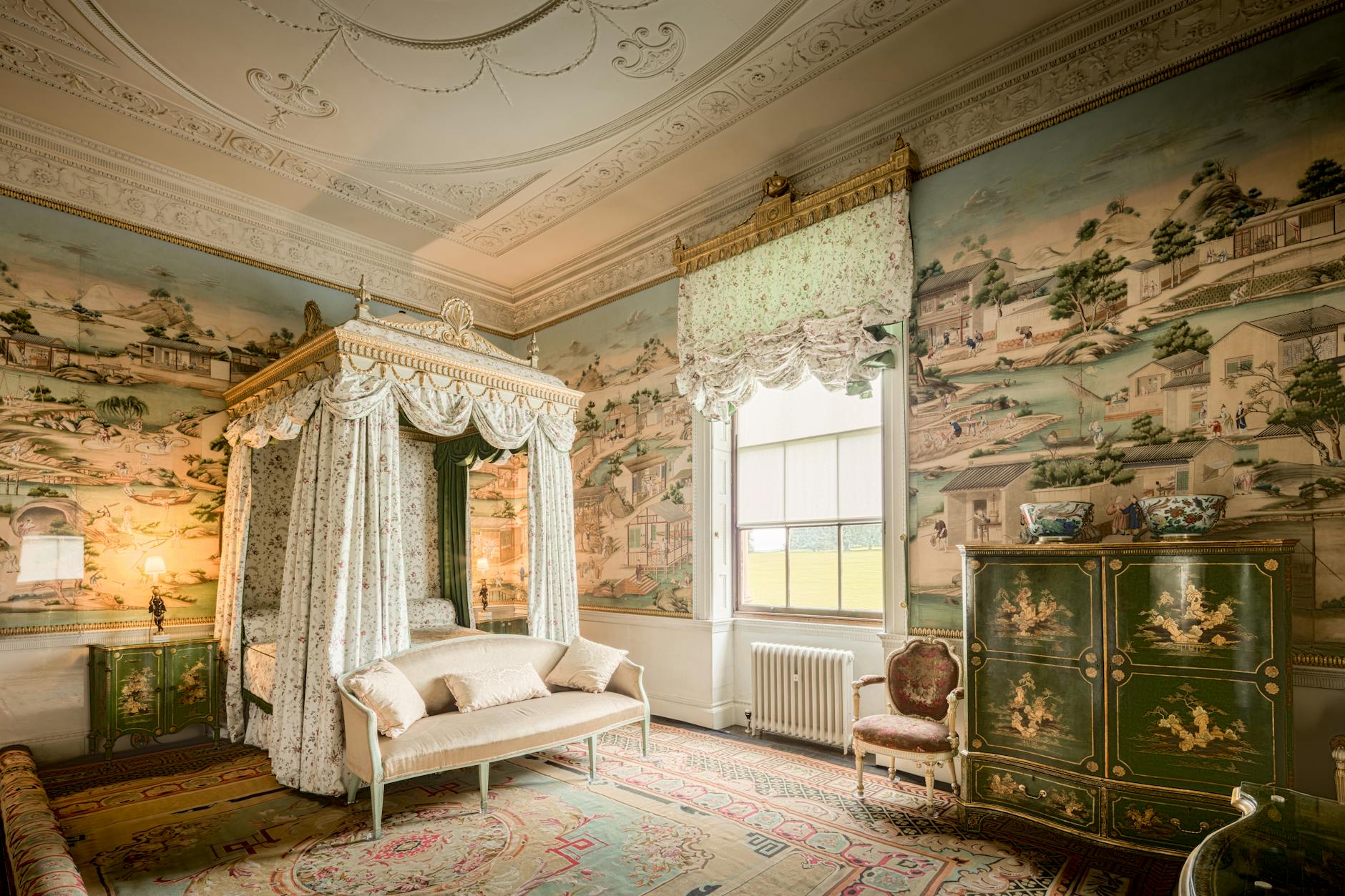
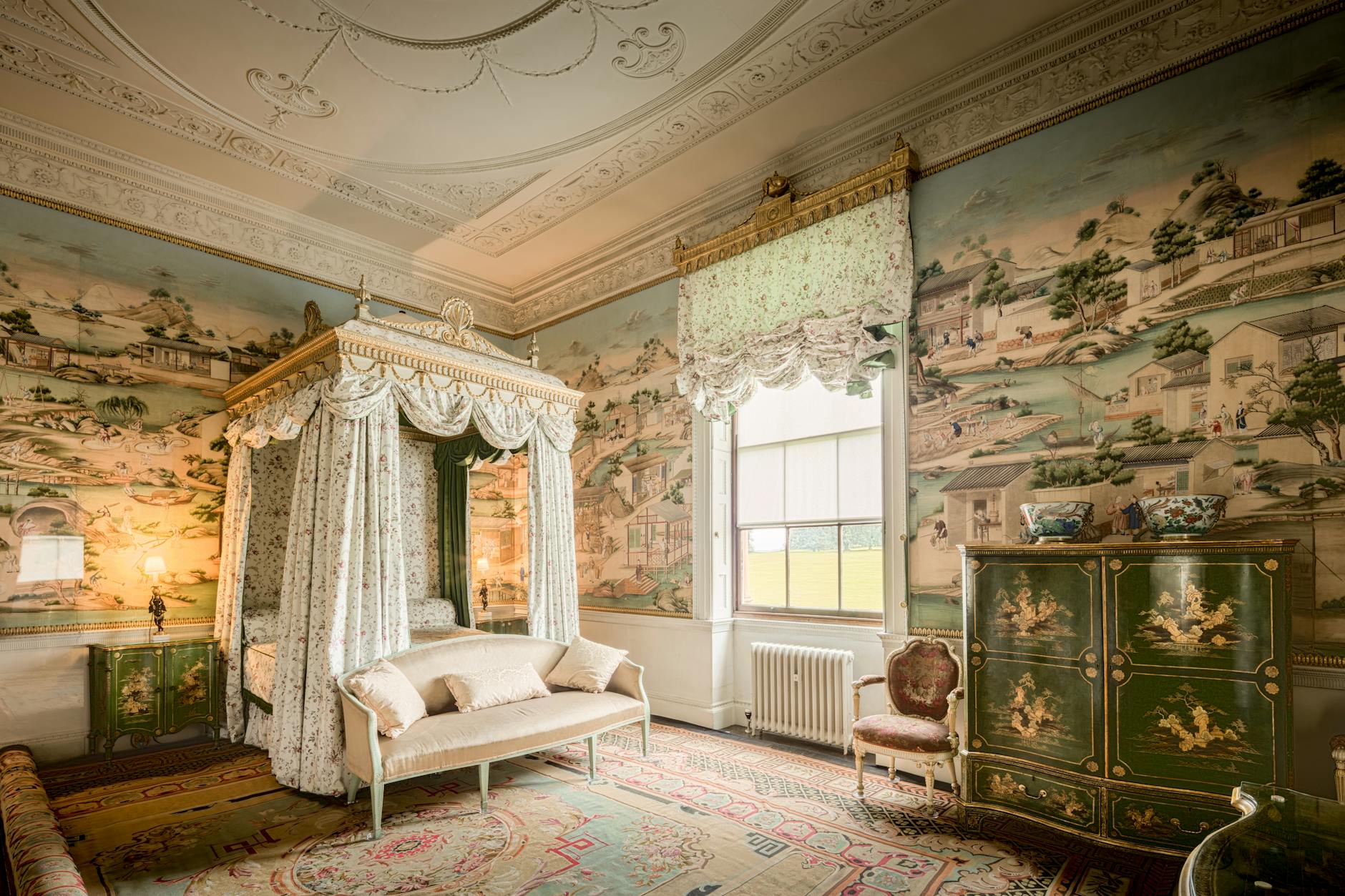
Every well-designed bedroom begins with the bed, and positioning it correctly is the single most impactful decision you’ll make. In most rooms, the bed works best centered on the longest wall, ideally opposite the doorway so it’s the first thing you see when you enter. This placement creates a natural sense of balance and visual symmetry. If your room has a fireplace, an accent wall, or a large window, consider anchoring the bed to that feature instead to make the most of what the space already offers. For more inspiration on creating a calming sleep environment, check out our guide on bedroom styling tips to create a calm and beautiful retreat.
2. Create a Balanced Layout With Matching Nightstands
Symmetry is one of the most reliable tools in bedroom design, and matching nightstands on either side of the bed instantly create a polished, cohesive look. Beyond aesthetics, symmetrical nightstands provide practical benefits — easy access to lighting, charging cables, and bedtime essentials on both sides. If your room is narrow, opt for wall-mounted floating shelves instead of traditional bedside tables; they provide the same visual balance without eating into floor space. You can explore more bedroom makeover ideas to create your perfect sleep sanctuary for additional layout strategies.
3. Define a Cozy Reading or Relaxation Nook
If your bedroom has the square footage to spare, carving out a dedicated reading or relaxation nook adds both function and charm. A comfortable armchair or chaise lounge placed near a window makes an ideal spot for morning coffee or evening reading. Anchor the nook with a small rug to visually separate it from the sleeping area, and add a floor lamp for task lighting. This kind of thoughtful zoning makes a bedroom feel more like a complete retreat rather than just a place to sleep. Our article on bedroom design ideas to elevate your sleep space covers how to make multi-zone layouts work in different room sizes.
4. Use a Dresser or Wardrobe to Balance the Room
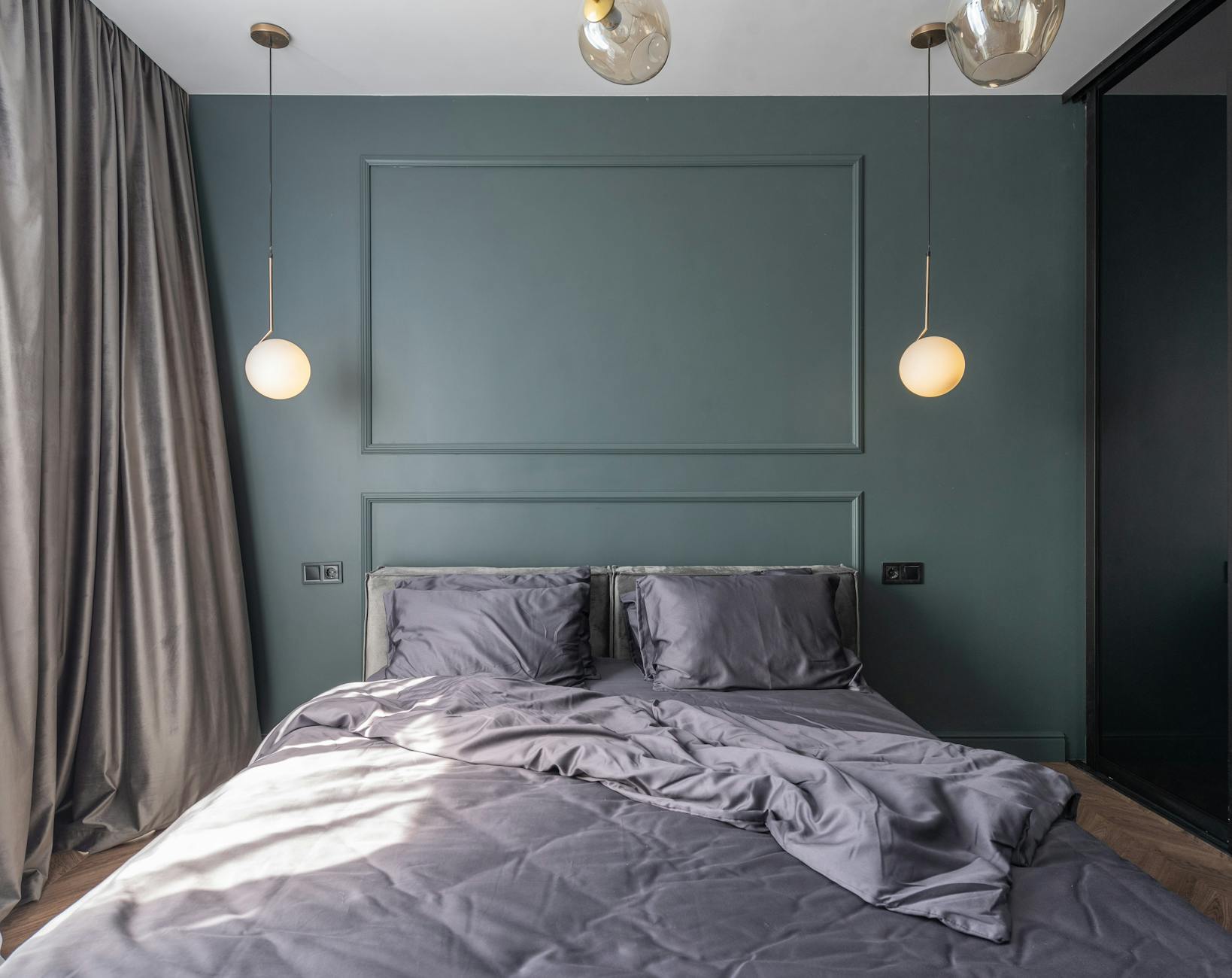
Large storage pieces like dressers, armoires, and wardrobes serve double duty in bedroom design — they provide essential storage while also helping to balance the visual weight of the room. Place a tall wardrobe on the wall opposite a low-profile bed to create a sense of proportion, or tuck a dresser into an alcove or corner to free up central floor space. Avoid pushing all furniture to the walls, as this can make a room feel sparse and disconnected. Instead, pull pieces slightly away from the wall to create depth and dimension. For color ideas that complement your furniture choices, see our guide to bedroom color palettes that set the perfect mood for restful sleep.
5. Maximize Space With a Storage Bench at the Foot of the Bed
A storage bench at the foot of the bed is one of the most underrated pieces of bedroom furniture. It provides a convenient spot to sit while dressing, keeps extra blankets and pillows neatly tucked away, and adds a designer touch that elevates the entire room. Choose an upholstered bench in a fabric that complements your bedding for a cohesive look, or opt for a wooden bench with a lift-top lid for maximum storage capacity. This is especially useful in smaller bedrooms where every piece of furniture needs to work harder. Learn more smart strategies from our post on modern bedroom design ideas for a calm and beautiful retreat.
6. Layer Your Lighting for Ambiance and Function
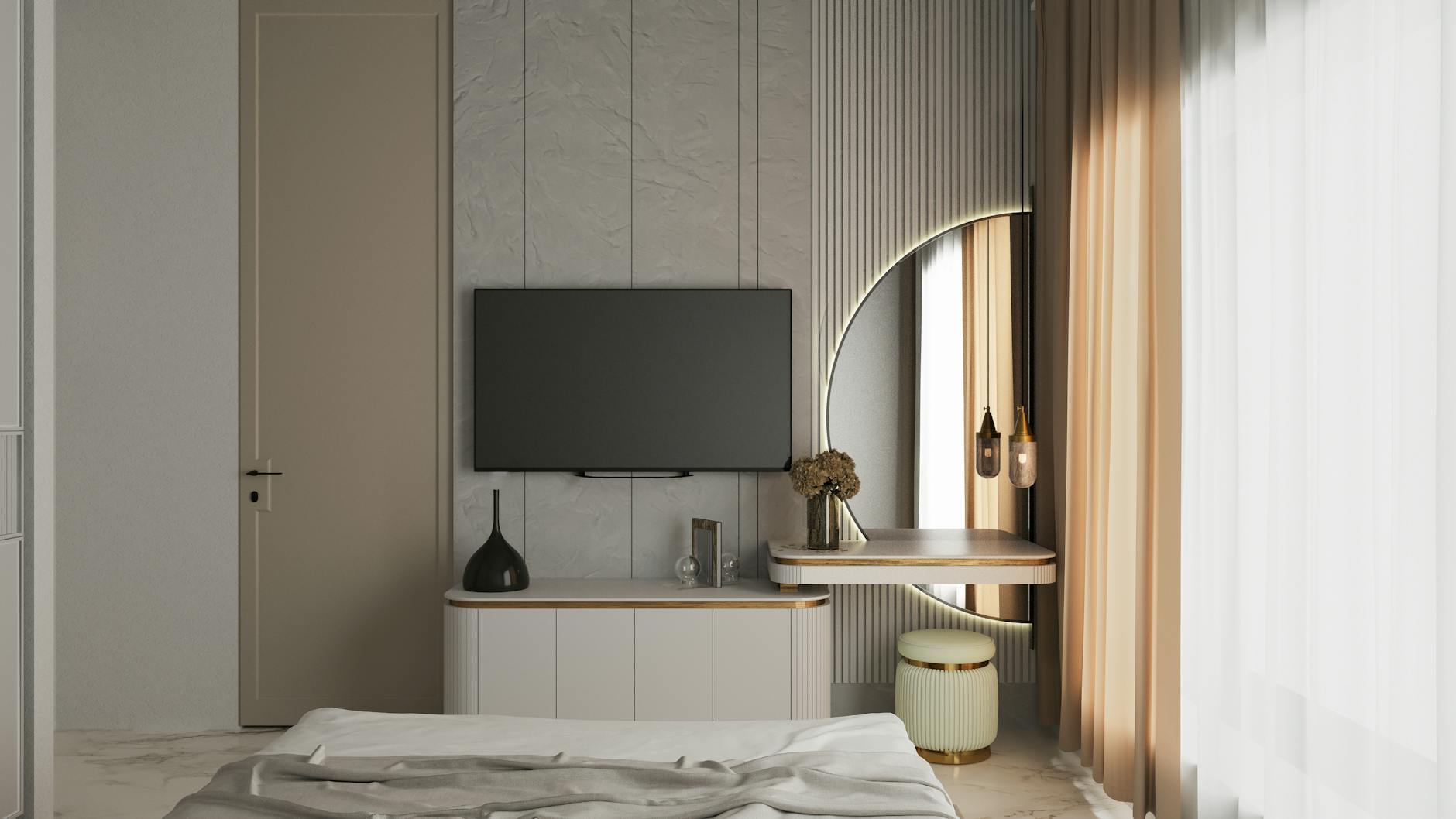
Lighting is one of the most transformative elements in any bedroom, yet it’s often an afterthought. A well-lit bedroom uses three layers: ambient lighting (overhead fixtures or recessed lights) for general illumination, task lighting (bedside lamps or sconces) for reading and grooming, and accent lighting (LED strips, table lamps, or a chandelier) for mood. Dimmable bulbs are a wise investment — they allow you to shift from bright, energizing light during the morning to soft, warm light in the evening. For in-depth advice on getting this right, our dedicated article on bedroom lighting ideas to set the perfect mood is a great starting point.
7. Incorporate a Vanity or Desk Without Cluttering the Space
A vanity or small writing desk can make a bedroom significantly more functional, but only if it’s placed thoughtfully. Tuck a compact vanity into a corner or alcove where it doesn’t interrupt the flow of traffic through the room. If you’re working with limited space, a floating wall-mounted desk folds away when not in use, keeping the room feeling open and airy. Choose pieces with built-in storage — drawers, shelves, or cubbies — to keep surfaces clutter-free. For broader design principles that apply beyond the bedroom, explore our resource on interior design principles that will transform any room in your home.
8. Ground the Room With a Statement Rug
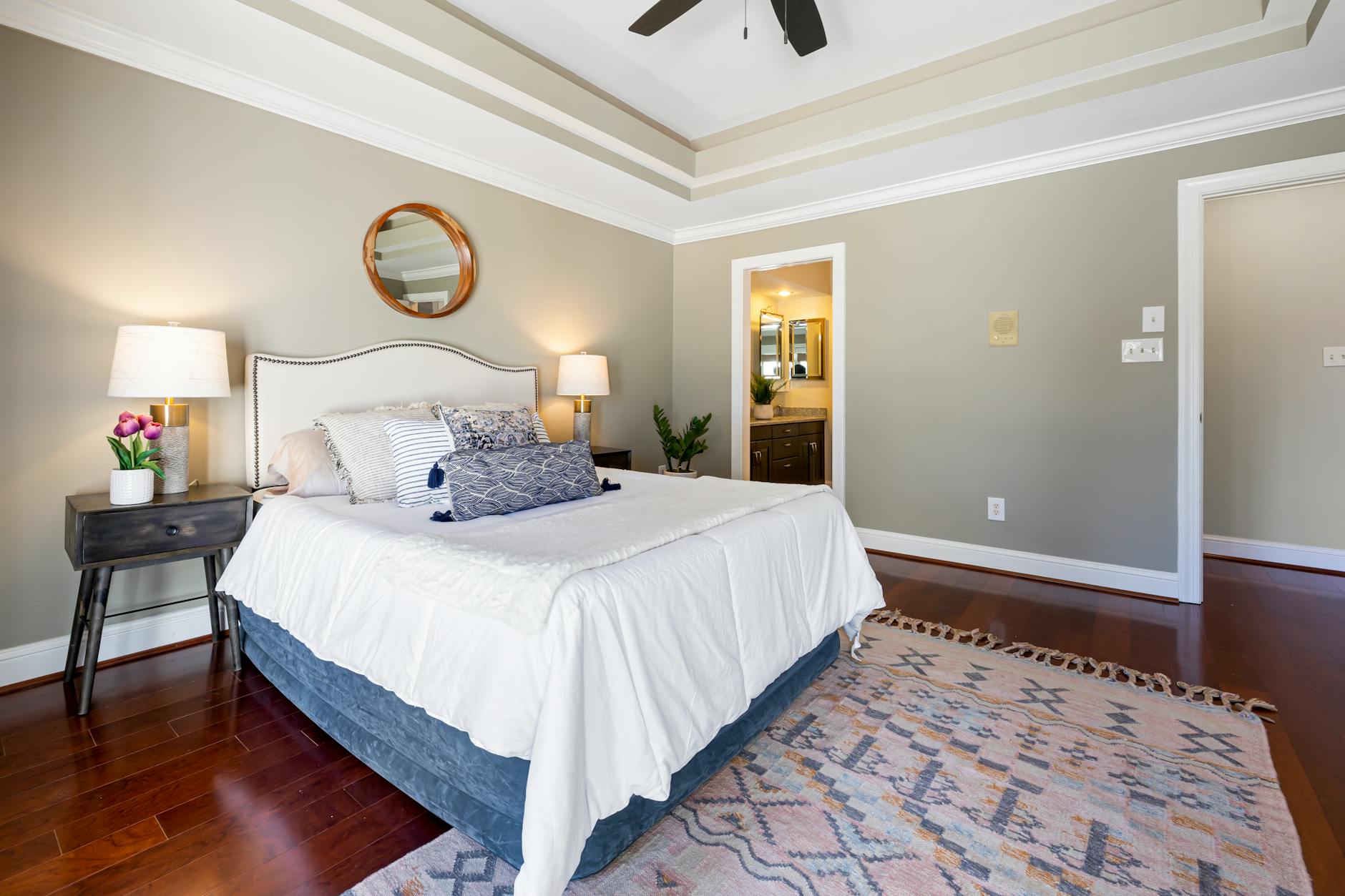
A rug is one of the most effective tools for anchoring bedroom furniture and defining the sleeping zone. The most common mistake is choosing a rug that’s too small — ideally, your rug should extend at least 18 to 24 inches beyond the sides and foot of the bed so that your feet land on soft fabric when you step out of bed each morning. A large area rug also makes the room feel more spacious and luxurious. Choose a texture and pattern that complement your overall aesthetic, whether that’s a plush shag for a cozy feel, a flat-weave geometric for a modern look, or a Persian-style design for traditional warmth.
Final Thoughts
Arranging bedroom furniture is as much about how the space feels as how it looks. The most successful bedroom layouts prioritize flow — meaning you can move naturally through the room without bumping into furniture — while also ensuring every piece serves both a functional and aesthetic purpose. Start with your bed placement, build outward with storage and seating, and layer in lighting and textiles to create depth and warmth. With these 8 furniture arrangement ideas, you have everything you need to transform your bedroom into a space that genuinely feels like a retreat. For even more ideas on elevating your home, browse our full collection of interior design tips to transform your home into a stunning retreat.