When every design feed shows the same white kitchens and neutral linen sofas, it’s easy to feel like decorating inspiration has dried up. The truth is, the freshest ideas rarely come from scrolling the same five accounts. They come from noticing color, texture, and proportion in places that have nothing to do with home decor at all. Here are eight places to look when you want your rooms to feel like yours, not like a copy of someone else’s feed.
1. Look to Nature Before You Look at Pinterest
Nature has been perfecting color palettes and textures for millions of years, and it never goes out of style. Take a walk and notice how a mossy stone wall pairs deep green with warm gray, or how the underside of a mushroom plays with ribbed texture. These combinations translate directly into paint colors, upholstery, and even the way you layer a bookshelf.
Photograph what catches your eye and hold it up against your existing furniture before you buy anything new. You’ll often find that the colors you’re drawn to outdoors are the ones missing from your living room.
2. Raid the Runway for Color and Texture Cues
Fashion designers are typically a season or two ahead of interiors when it comes to color trends, which makes runway shows and lookbooks a genuinely useful research tool. A season heavy on chocolate brown and burnt orange in clothing usually shows up in throw pillows and paint chips the following year.
Beyond color, pay attention to fabric texture and pattern mixing. A boldly patterned scarf or a nubby wool coat can inspire a rug choice or a reupholstered accent chair long before that trend reaches the design blogs.
3. Let Boutique Hotels Teach You About Layering
Boutique hotels are essentially decorated by professionals whose entire job is to make a room feel welcoming to strangers, which means they’re a masterclass in layering. Notice how a lobby uses lighting at three different heights, or how a guest room mixes one antique piece with otherwise modern furniture.
The layering tricks that make rooms feel curated are almost always borrowed from hospitality design, where every surface has to earn its place. Next time you travel, take five minutes to really study how a hotel room is put together instead of rushing past it.
4. Wander Through Art Galleries and Museums
You don’t need to buy original art to benefit from looking at it. Museums and galleries are free education in composition, scale, and color relationships. Notice how a curator groups paintings by color story rather than by artist, or how negative space is used to make a single piece feel more important.
This is also where you’ll find unconventional color pairings you’d never think to try on your own, like dusty pink next to olive green, or ochre against charcoal. Bring a photo of the combination home and test it as a paint swatch or textile pairing before committing.
5. Study Architecture, Old and New
Architecture teaches proportion in a way that decor magazines rarely do. Notice how a Victorian home uses tall windows and high ceilings to make small rooms feel grand, or how a mid-century house uses low, horizontal lines to feel calm and grounded. These principles apply just as much to furniture arrangement as they do to buildings.
If you’re drawn to a particular architectural style, the interior design techniques that make a room feel polished often trace directly back to the era that inspired them. Understanding the “why” behind a style makes it much easier to adapt for your own space.

6. Build a Living Mood Board, Then Actually Use It
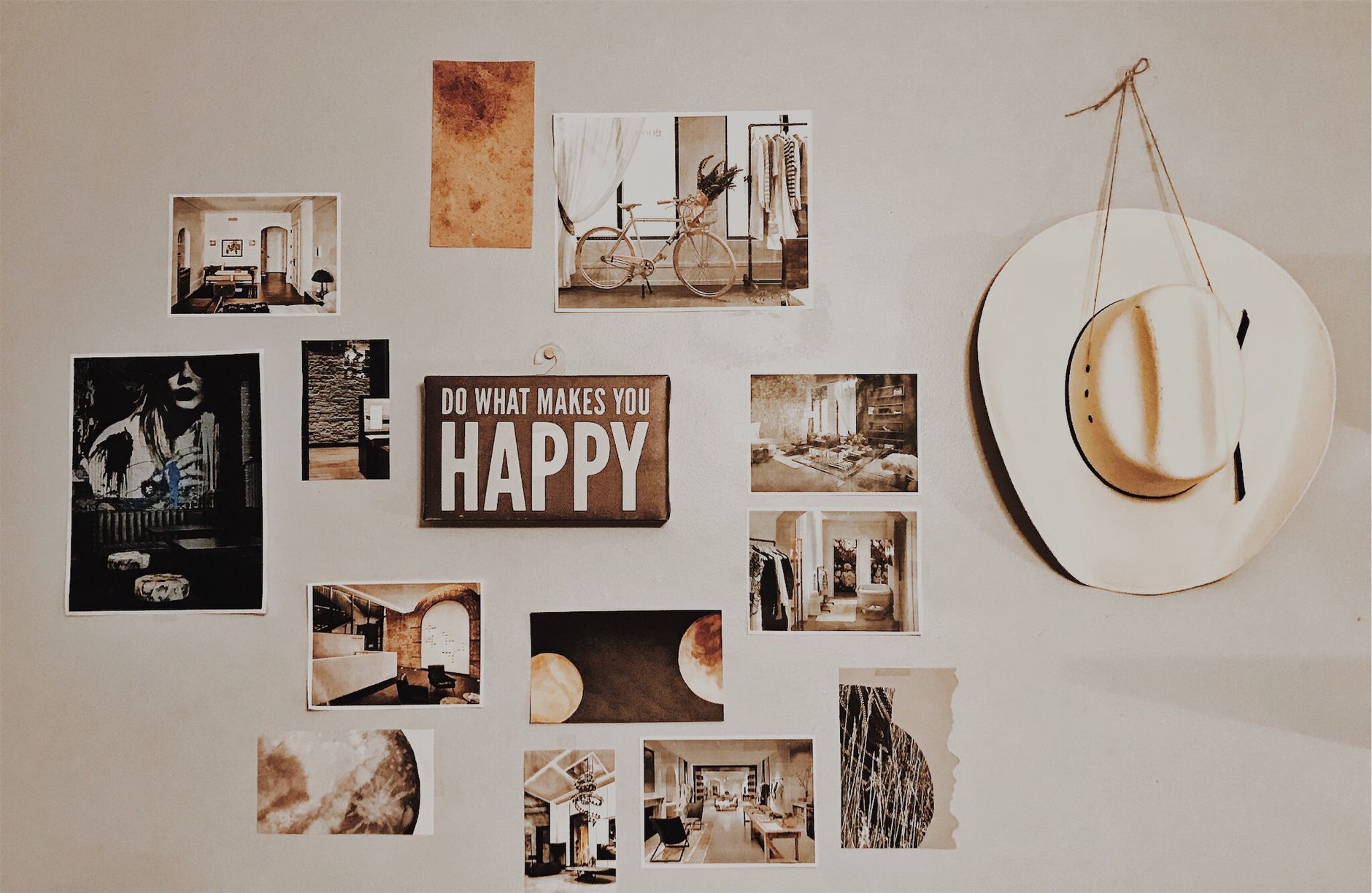
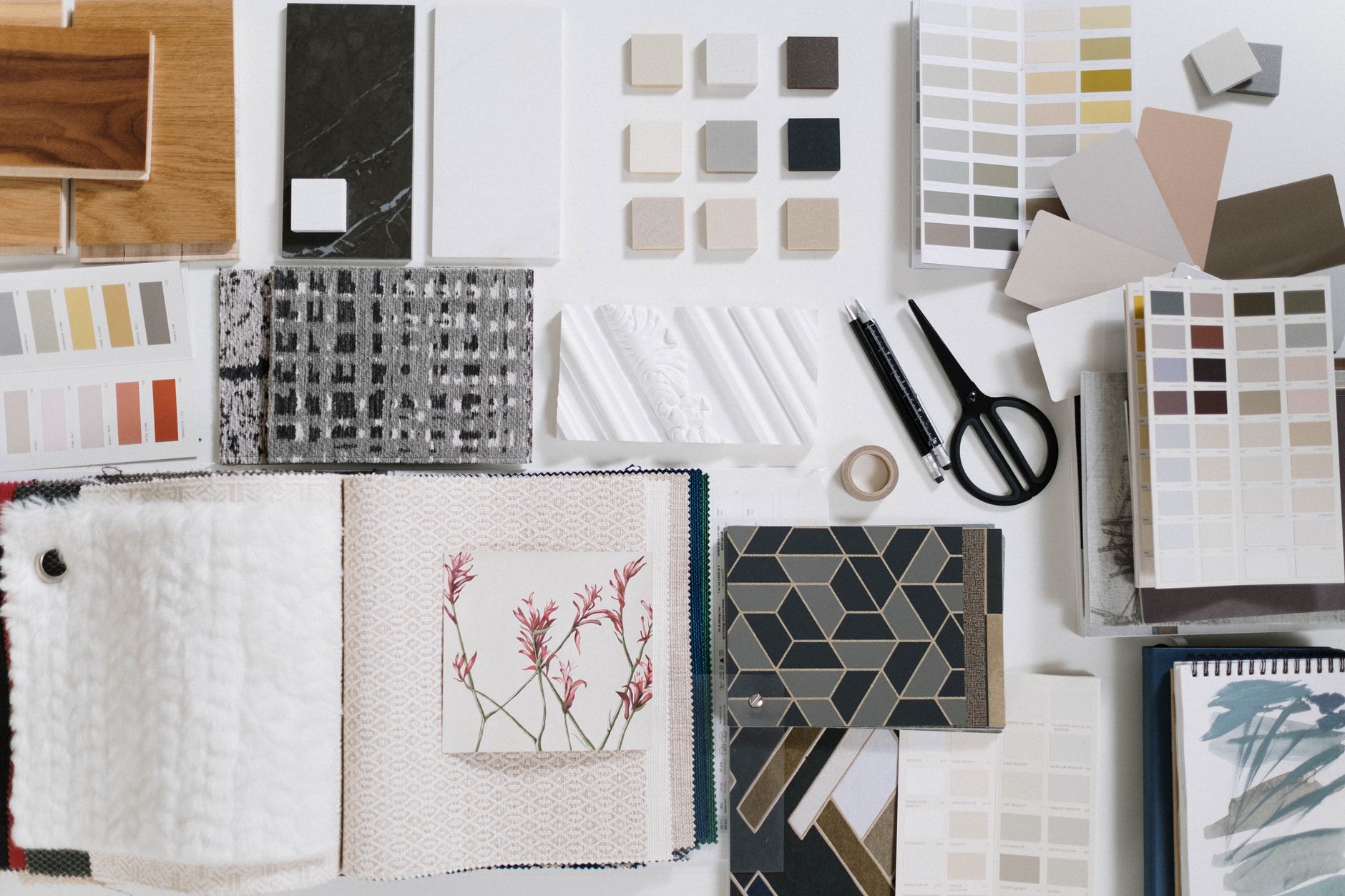
A mood board is only useful if you keep adding to it and referring back to it. Rather than a static Pinterest board you set up once, keep a running folder of photos, fabric swatches, and paint chips that you revisit monthly. Over time, patterns emerge in what you’re drawn to, and those patterns are more honest than any single trend.
The decorating inspiration ideas that transform a room tend to come from this kind of slow, accumulated noticing rather than a single burst of scrolling before a big purchase.
7. Mine Your Own Everyday Life
Some of the best inspiration is already in your home. Notice the objects you reach for constantly, the corner where you always end up reading, or the color of a mug you love. These small, personal preferences are more reliable design guides than anything trending online, because they reflect how you actually live.
If you’re short on space to experiment, the small bedroom ideas that make the most of every square foot show how paying attention to daily habits, not just square footage, leads to smarter layouts.
8. Revisit Old Design Eras With Fresh Eyes
Trends are cyclical, and design eras you dismissed a decade ago often look fresh again with small updates. Look at 1970s earth tones filtered through a more muted, modern palette, or Art Deco geometry paired with soft, rounded furniture instead of hard edges. Combining an old era with current materials keeps a room from feeling like a costume.
The home design habits that make a house feel effortlessly put together often include this kind of era-blending, using one or two vintage-inspired pieces alongside otherwise contemporary furniture.
Final Thoughts
The most memorable rooms rarely come from copying a single source exactly. They come from combining ideas pulled from nature, fashion, travel, art, and your own daily habits into something that feels specific to you. Next time you feel stuck, close the design apps for a week and pay closer attention to the world around you instead. You’ll likely find more useful inspiration in a walk through a museum or a scroll through your own closet than in another hour of scrolling the same decor accounts. For more structured ideas, the decorating inspiration ideas that elevate every room and the interior design principles that elevate every room are good places to turn those observations into an actual plan.