Your bedroom is more than just a place to sleep — it’s your personal retreat, a space where you recharge, relax, and wake up ready to face the day. Whether you’re working with a modest room or a spacious suite, the right design choices can transform your bedroom into a haven of calm and style. From color palettes to furniture placement, these 9 bedroom interior design ideas will help you create a space that feels both beautiful and deeply restful.
1. Start with a Calming Color Palette
Color is the single most powerful tool in bedroom design. Soft neutrals like warm whites, muted greiges, and dusty blues promote relaxation by lowering visual stimulation. Deep, saturated tones such as forest green or terracotta can create a cocooning effect that feels luxurious and grounded. Whichever direction you choose, aim for a palette of two to three complementary shades to keep the room feeling cohesive and intentional. If you’re unsure where to start, our guide to bedroom color palette ideas that set the perfect mood for restful sleep offers practical inspiration for every style.
2. Invest in Quality Bedding and Layered Textiles
The bed is the focal point of any bedroom, and luxurious bedding makes an immediate impact on how the space looks and feels. Start with high-thread-count cotton or linen sheets in a neutral base color, then layer in texture through a quilted coverlet, a chunky-knit throw, and an assortment of pillows in varying sizes. The goal is to create visual depth while keeping the palette tight. This layered approach is also practical — you can easily adjust warmth throughout the seasons without sacrificing style. For more ideas on creating a plush, hotel-worthy bed, explore our post on bedroom styling tips to create a calm and beautiful retreat.
3. Master the Art of Bedroom Lighting
Great bedroom lighting works in layers: ambient, task, and accent. Ambient light (usually a ceiling fixture or recessed lighting) provides overall illumination, while task lighting — bedside lamps or wall sconces — supports reading and getting ready. Accent lighting, such as LED strip lights behind a headboard or a statement pendant, adds drama and depth. Always install dimmers where possible, because the ability to dial down brightness in the evening signals to your body that it’s time to wind down. Our detailed breakdown of bedroom lighting ideas to create the perfect ambiance covers every type of fixture and technique.

4. Choose Furniture That Earns Its Place
In a bedroom, every piece of furniture should serve a clear purpose. A generously sized upholstered headboard anchors the room and adds softness, while a well-placed dresser keeps clutter off the floor. Nightstands at the correct height (roughly level with the top of your mattress) are both functional and visually balancing. If space is tight, opt for furniture with built-in storage — ottomans with lift lids, beds with under-frame drawers, or floating shelves that free up floor area. For expert guidance on layout and scale, check out our article on bedroom furniture arrangement ideas that maximize space and style.
5. Create a Feature Wall That Commands Attention
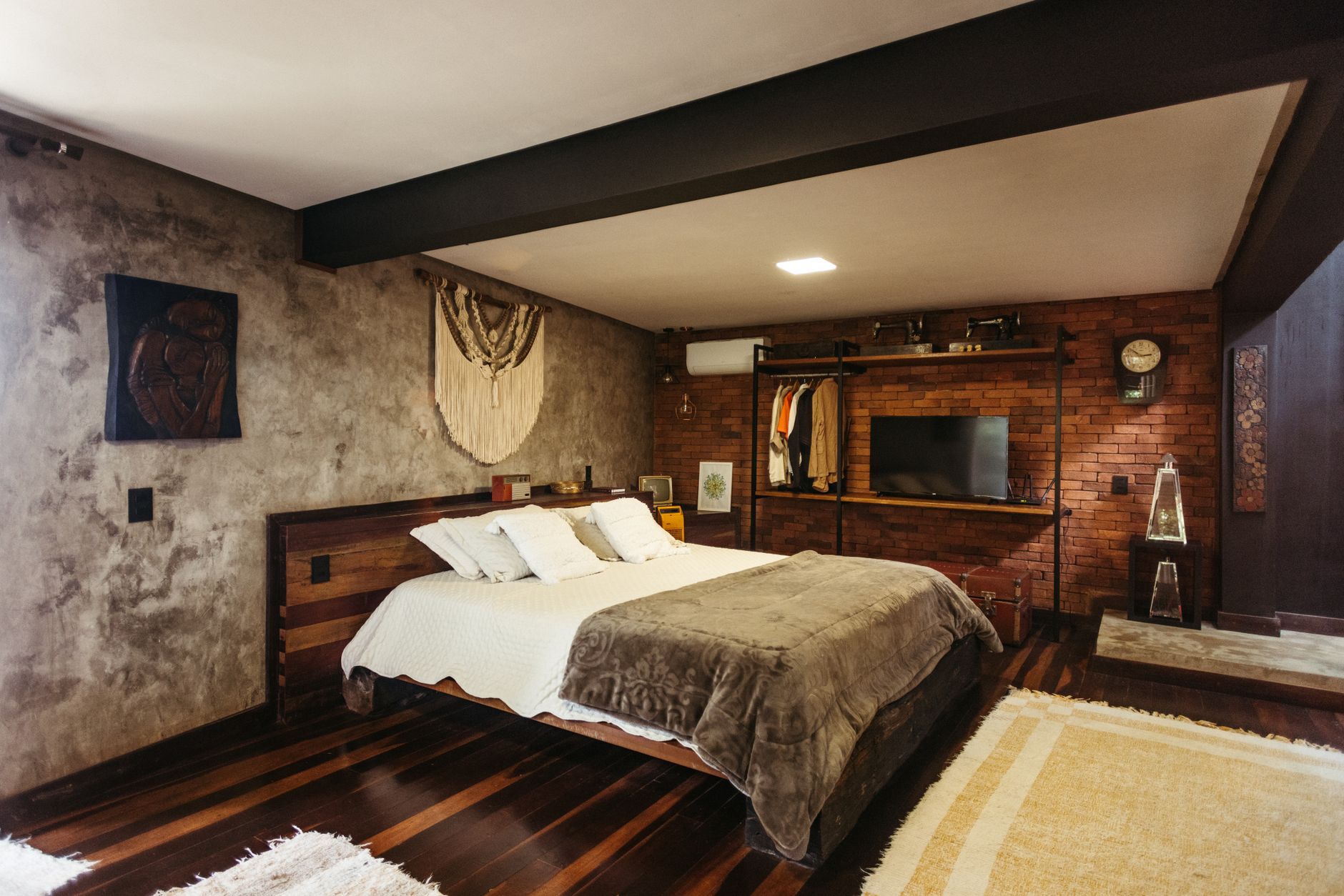
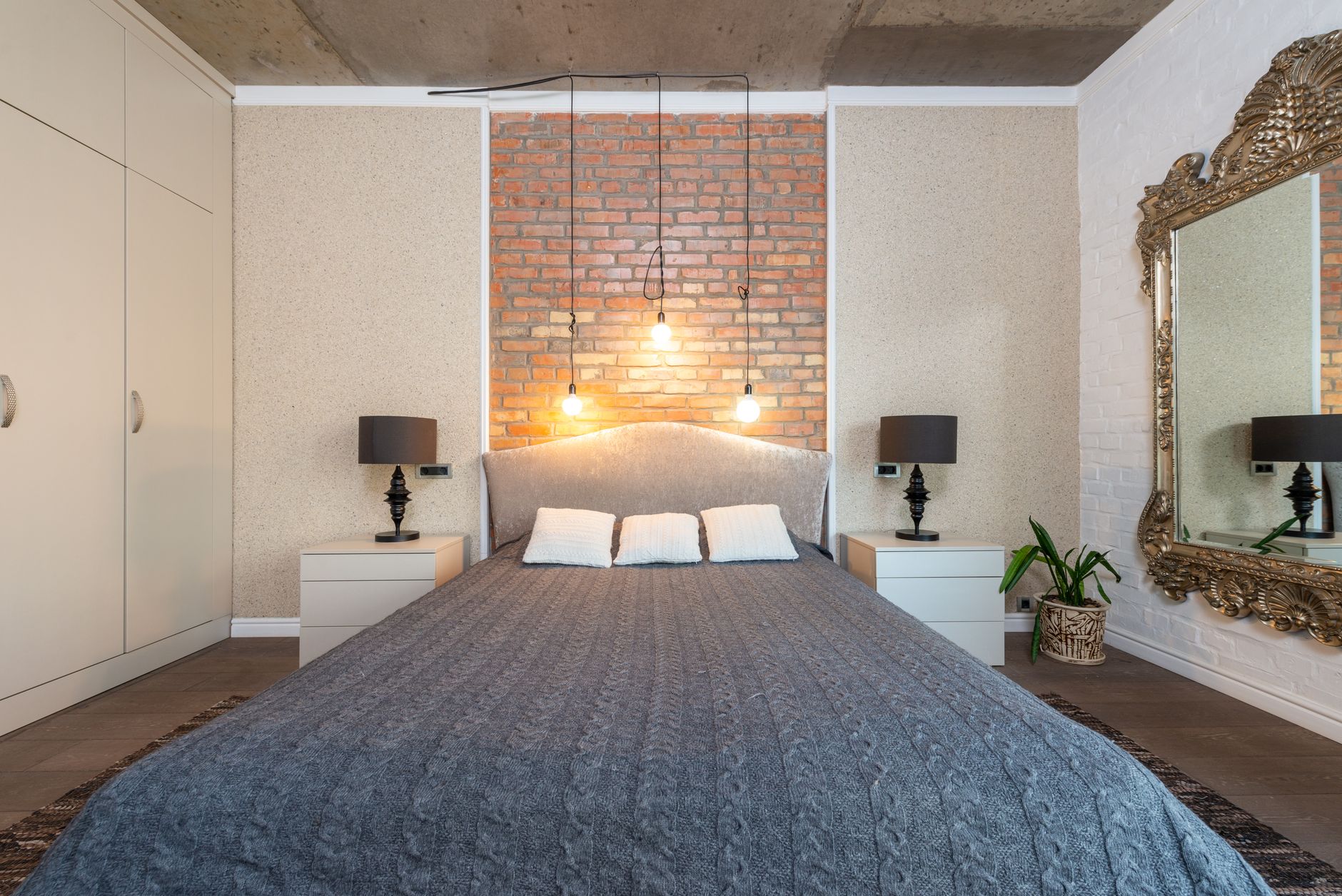
A feature wall behind the bed instantly elevates the room’s design quotient. The options are broad: a dramatic paint color, patterned wallpaper, a wood-paneled treatment, exposed brick, or even a gallery arrangement of framed artwork. The key is to choose something that complements the rest of the room rather than competing with it. A feature wall works best when it echoes at least one color or texture already present in the bedding or soft furnishings. For fresh ideas and execution tips, our roundup of bedroom wall decor ideas to transform your sleep space is a great starting point.
6. Prioritize Smart Storage and Organization
A cluttered bedroom is an anxious bedroom. Built-in wardrobes, under-bed storage, and floating shelves can all absorb the everyday items that tend to accumulate on surfaces. The goal is to give everything a designated home so that tidying up takes seconds, not minutes. Drawer organizers, matching storage boxes, and a dedicated charging station for devices are small investments that pay enormous dividends in day-to-day calm. If you’re dealing with a particularly challenging layout, our post on bedroom organization ideas to maximize space and create a calmer sleep sanctuary is packed with actionable solutions.
7. Bring Nature Indoors with Plants and Natural Materials
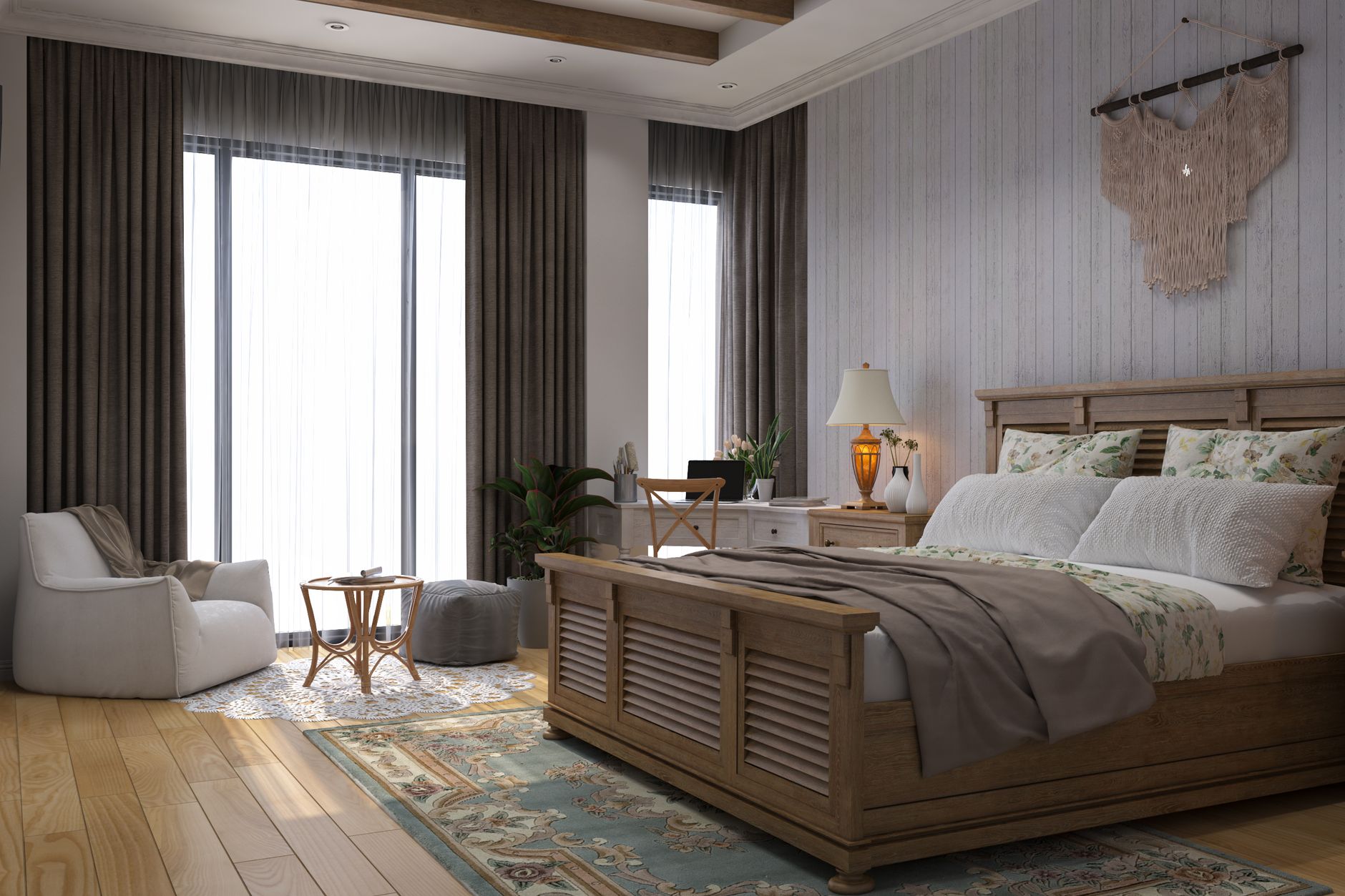
Biophilic design — connecting interior spaces to the natural world — has been shown to reduce stress and improve sleep quality. A few well-placed houseplants (snake plants, pothos, and peace lilies are all bedroom-friendly choices that thrive in lower light) add life and color without demanding much maintenance. Beyond plants, incorporate natural materials like rattan, linen, solid wood, and stone to ground the room with organic warmth. These textures contrast beautifully with smooth painted walls and crisp bedding, creating a layered, lived-in feel that is distinctly inviting. Interior design principles that emphasize natural elements are explored further in our article on interior design principles that will instantly elevate your home.
8. Edit Ruthlessly and Embrace Negative Space
One of the most underrated bedroom design principles is restraint. Resist the urge to fill every surface and corner — negative space allows the eye to rest and makes statement pieces stand out. A single well-chosen piece of art is almost always more effective than a crowded gallery wall. Choose décor items with intention: each object should be beautiful, meaningful, or useful (ideally all three). This edited approach also makes the room easier to clean and maintain, which contributes to the sense of calm you’re trying to create. For a broader look at how these design rules apply across an entire home, see our feature on interior design principles that will transform any room in your home.
9. Personalize with Meaningful Accents
The best bedroom designs feel personal, not showroom-perfect. A stack of books on the nightstand, a travel photograph above the dresser, a ceramic vase picked up at a local market — these details tell your story and make the space unmistakably yours. When choosing accents, think in odd numbers (groups of three or five tend to look more dynamic) and vary height, texture, and material within each vignette. The goal is a curated, collected look rather than something that feels mass-produced. If you need a starting point or inspiration for a full-room refresh, our comprehensive guide to bedroom design ideas to create your perfect sleep sanctuary in 2026 covers every element from floor to ceiling.
Final Thoughts
Designing a beautiful, restful bedroom doesn’t require a limitless budget or a complete overhaul — it requires thoughtful choices made consistently. Start with color and lighting, invest in quality bedding, and layer in texture, storage, and personal touches over time. Each of the ideas above can be adopted individually or combined for a more comprehensive transformation. The result will be a bedroom that doesn’t just look good in photographs but genuinely supports better sleep, greater calm, and a more joyful daily routine.