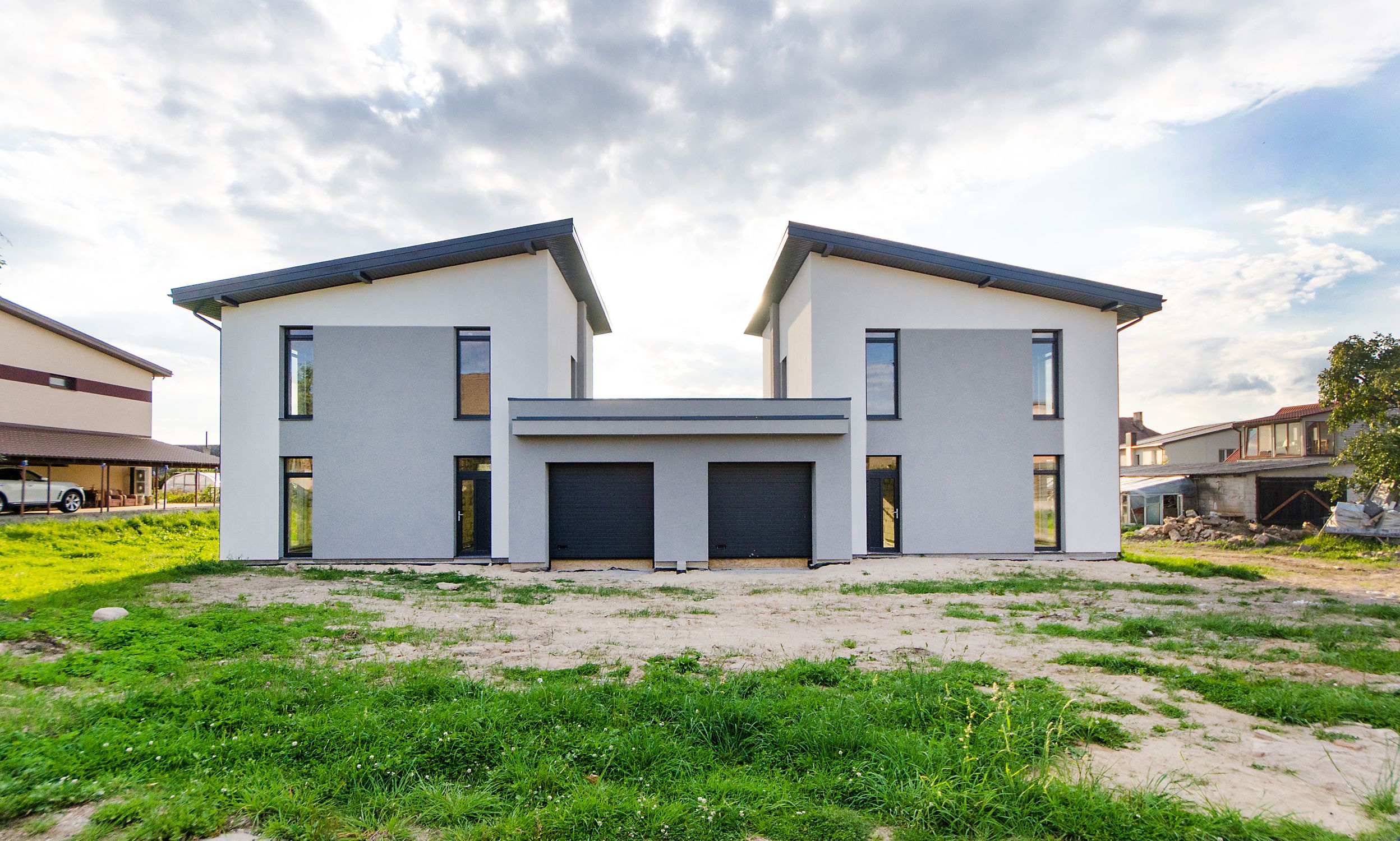
Modern architecture is no longer reserved for museums and skyscrapers — it has moved firmly into our neighborhoods, reshaping the way everyday homes look, feel, and function. In 2026, a new wave of design philosophies is influencing homeowners, architects, and developers alike, merging aesthetics with sustainability, technology, and a deep respect for the natural world. Whether you are building from scratch or simply looking for inspiration to refresh your space, understanding these architectural styles can help you make informed choices that stand the test of time.
1. Biophilic Architecture: Bringing Nature Inside
Biophilic architecture goes beyond placing a few houseplants near a window — it fundamentally integrates living systems into a building’s structure. Green walls, interior gardens, natural light corridors, and organic material palettes are all hallmarks of this approach. The goal is to reduce the psychological and physical distance between occupants and the natural world. Research consistently shows that biophilic environments lower stress, improve focus, and even accelerate recovery from illness, making this style as practical as it is beautiful.
2. Minimalist Contemporary: Less Is Definitively More
The minimalist contemporary style strips away decorative excess to reveal the honest beauty of form, material, and proportion. Clean lines, neutral palettes, and an emphasis on open-plan living define these homes. Clutter is architecturally designed out of the equation through clever built-in storage solutions and precisely considered layouts. If you are drawn to this aesthetic, you may also enjoy 7 Iconic Architectural Trends Redefining Modern Homes in 2026, which covers how simplicity is driving some of the decade’s most acclaimed residential designs.
3. Sustainable Passive Design: Architecture That Works With Climate
Passive design is one of the most intelligent architectural movements of our time. Homes built on passive principles use strategic orientation, thermal mass, deep overhangs, and high-performance insulation to dramatically reduce energy consumption without mechanical systems. South-facing windows capture winter sun while shading elements block summer heat. The result is a home that stays comfortable year-round with minimal energy input. For a deeper look at how green building is redefining construction practices, read our piece on the Advantages of Eco-Friendly Construction.
4. Parametric Architecture: Algorithms as Architects
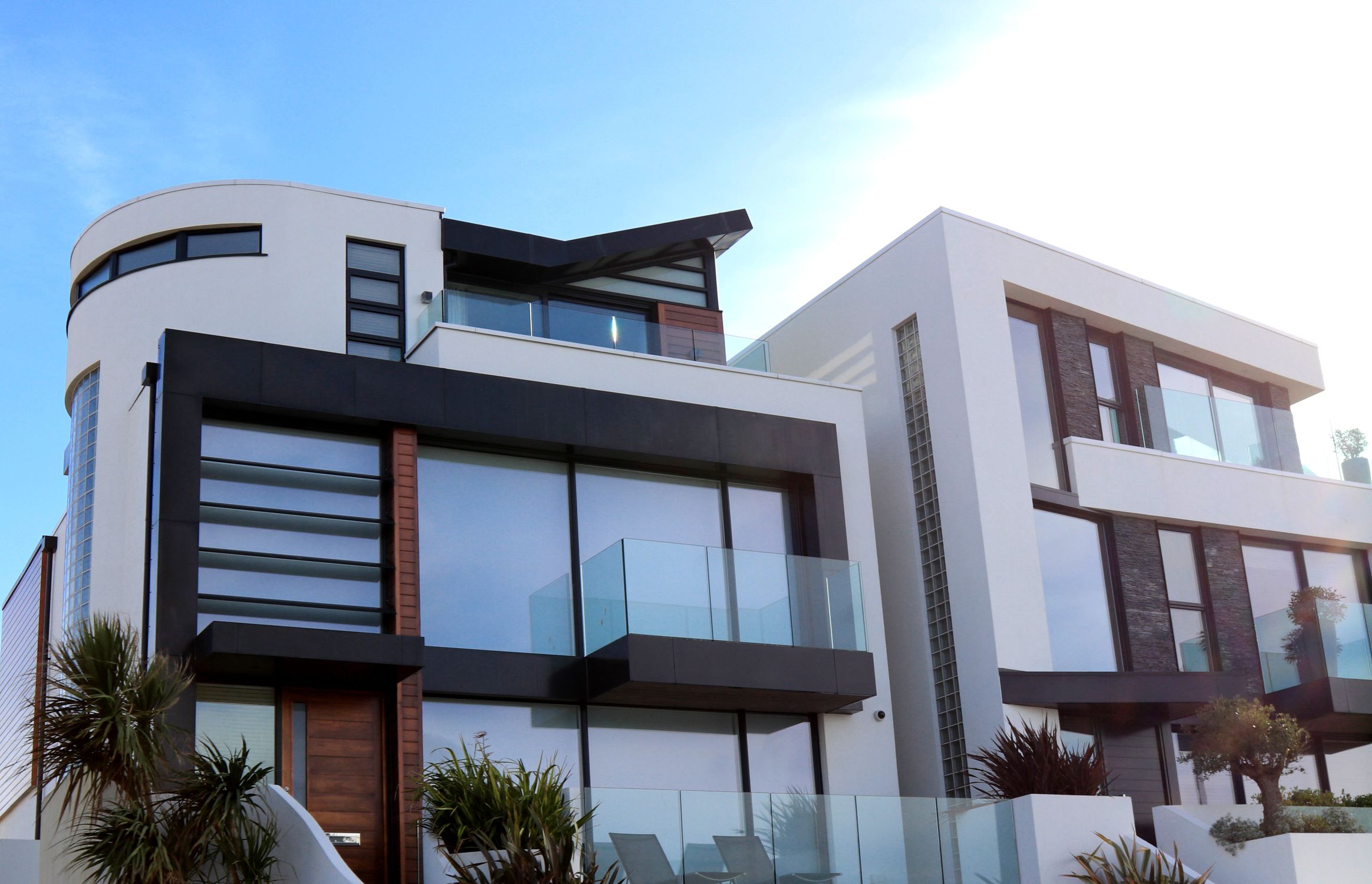
Once confined to experimental studios, parametric architecture has become increasingly accessible to residential projects. Using computational design tools, architects generate complex curved forms, tessellated facades, and structural geometries that would be impossible to design by hand. The appeal is both aesthetic and functional — parametric structures can be optimized for wind resistance, solar gain, and material efficiency simultaneously. This style produces homes that look almost alive, their surfaces responding to environmental data embedded at the design stage. You can see how this cutting-edge thinking is influencing housing in 10 Architecture Innovations That Will Redefine How We Live in 2026.
5. Industrial Chic: Raw Materials, Refined Spaces
Industrial architecture has evolved from a warehouse aesthetic into a sophisticated residential style that celebrates honesty of materials. Exposed concrete, structural steel, reclaimed timber, and oversized windows are defining features. Far from feeling cold, well-executed industrial homes achieve a warm, textured atmosphere through layered lighting and carefully chosen soft furnishings. The key is contrast — the roughness of raw concrete against the warmth of a sheepskin rug, or polished steel beside aged oak flooring. If you want to translate this look into your living space, 7 Ways To Improve Your House To Change Your Lifestyle offers actionable ideas on how material choices transform mood.
6. Tropical Modern: Luxury Meets the Outdoors
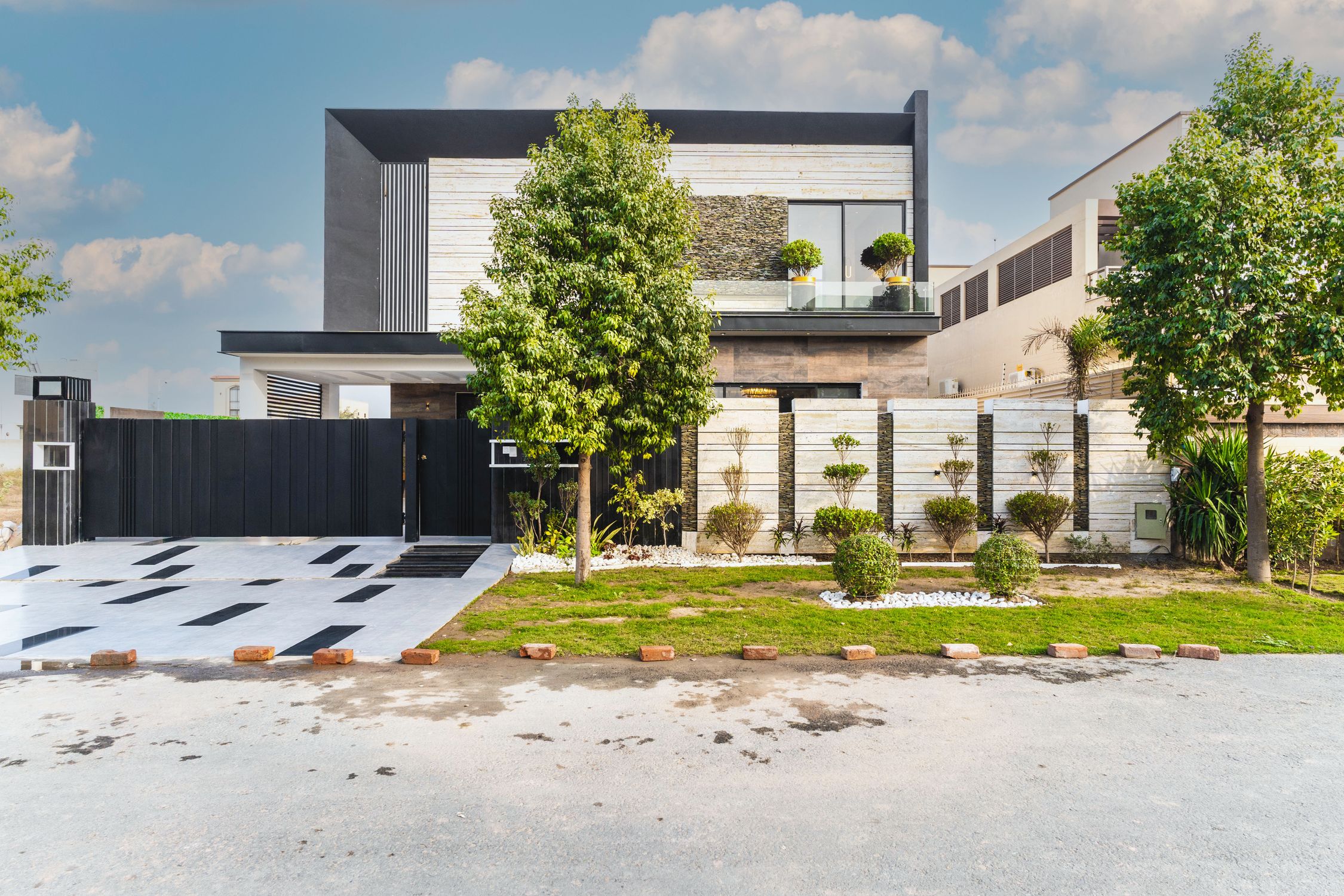
Inspired by resort architecture across Southeast Asia, Latin America, and the Caribbean, tropical modern design has crossed into mainstream residential building. Infinity pools that dissolve into the horizon, retractable glass walls that erase the boundary between interior and exterior, and deep covered terraces for year-round outdoor living are its signatures. Even in temperate climates, homeowners are incorporating tropical modern principles — prioritizing indoor-outdoor flow, natural ventilation, and lush landscaping — to create homes that feel like permanent vacations. For an extraordinary example of this executed at scale, explore our coverage of the Luxury Brazilian Villa.
7. Prefab and Modular Architecture: Speed Without Compromise
Modern prefabrication has shed its reputation for cookie-cutter mediocrity. Today’s modular homes are precision-engineered in factory conditions, resulting in tighter tolerances, less waste, and dramatically faster construction timelines. Architects are designing prefab components with the same creative ambition applied to site-built homes, and the results are stunning. Modular construction also opens opportunities for phased building — you can start with a core home and add modules as your family or budget grows. Paired with passive design principles, a prefab home can achieve near-zero energy performance while remaining highly cost-effective.
8. Rammed Earth and Natural Material Homes
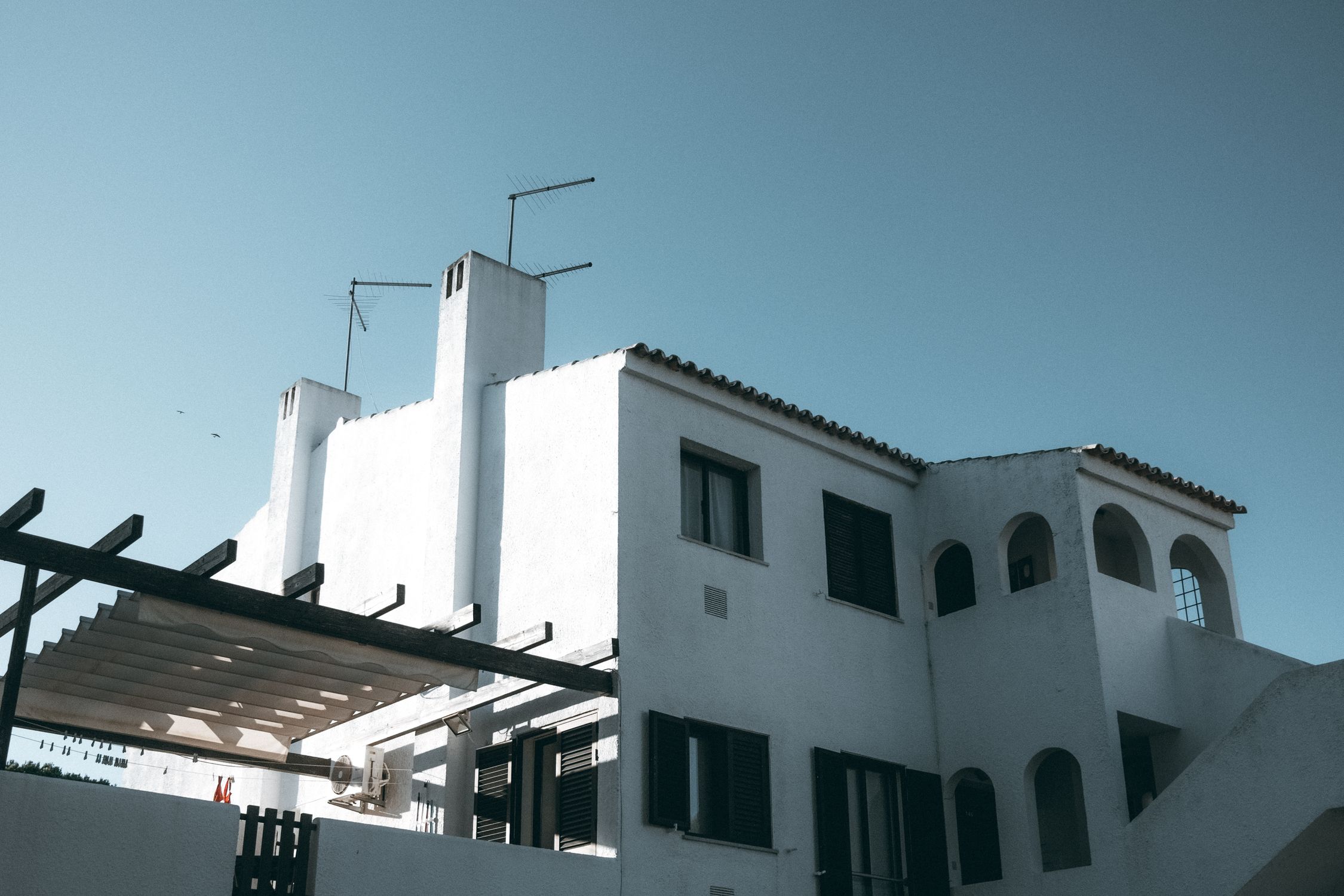
There is a quiet revolution underway in the use of ancient building materials reimagined through a contemporary lens. Rammed earth walls — compacted layers of raw soil, gravel, and stabilizer — offer extraordinary thermal mass, striking visual texture, and a genuinely low environmental footprint. Combined with timber framing, stone flooring, and lime render, natural material homes connect occupants to place in a way that no synthetic material can replicate. If you are curious about how this approach plays out in real residential projects, our article on Rammed Earth and Timber in an Australian Home is essential reading. For interior inspiration that complements this style, 5 Home Makeovers To Invite Coolness During Warm Days demonstrates how natural interiors stay comfortable in warm weather.
9. Smart Home Architecture: Technology Embedded by Design
The most forward-thinking architects are no longer treating technology as an afterthought — they are integrating smart systems into the structural and aesthetic logic of the building from day one. Concealed wiring routes, built-in sensor arrays, automated shading systems responsive to sun position, and façades embedded with photovoltaic panels are all part of this approach. The best smart homes don’t look smart — they simply perform better, learning occupant behaviors and optimizing comfort and energy use invisibly. This intersection of technology and architecture is explored further in 8 Modern Architecture Trends Shaping the Homes of Tomorrow.
Final Thoughts
The architectural landscape of 2026 is defined by a shared ambition: to build homes that are not only visually compelling but also responsive to environmental realities, human wellbeing, and long-term livability. Whether you are drawn to the raw honesty of rammed earth, the algorithmic precision of parametric forms, or the seamless indoor-outdoor flow of tropical modern design, there has never been a richer palette of ideas to draw from. The best architecture, regardless of style, tells a story — about the land it sits on, the people who live in it, and the values they hold. Choose the approach that resonates most deeply with you, and build something that will endure.