A well-placed mirror is one of the most powerful (and affordable) tools for making a small room feel larger, brighter, and more open. Unlike knocking down a wall or adding square footage, mirrors create the illusion of space almost instantly by reflecting light and extending sightlines. Whether you’re working with a tiny studio, a narrow hallway, or a cramped bedroom, these nine mirror placement ideas will help you maximize every inch without spending a fortune.
Position a Large Mirror Opposite a Window
The single most effective trick in small-space design is placing a large mirror directly across from a window. This doubles the natural light bouncing through the room and creates the illusion of a second window, instantly making the space feel airier. Choose a mirror as wide as your budget and wall allow — the bigger the reflection, the bigger the perceived room. Avoid angling it too sharply, or you’ll bounce light toward the ceiling instead of across the floor.
Use a Full-Length Mirror to Extend a Narrow Wall
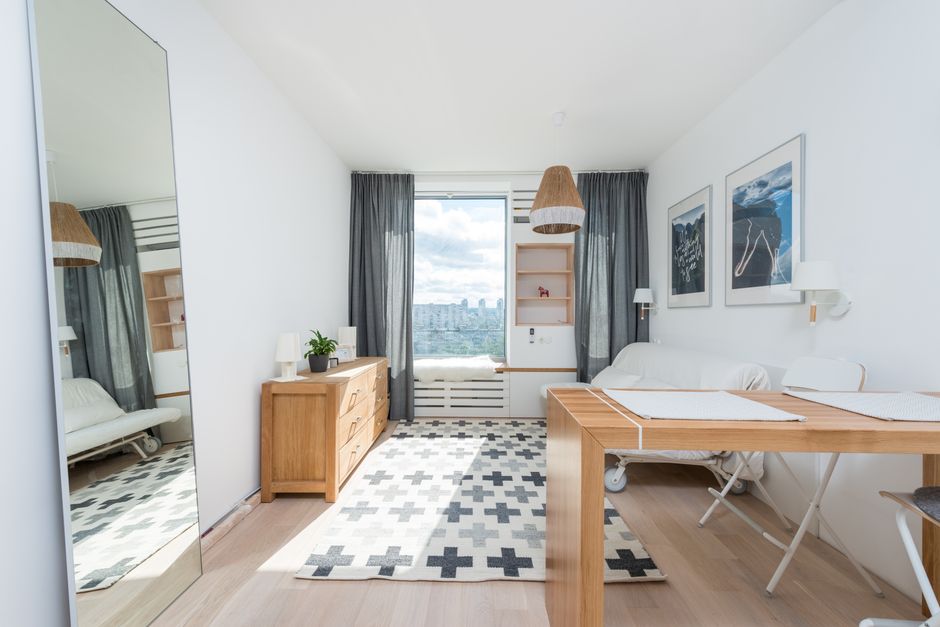
Narrow bedrooms and hallways benefit enormously from a full-length mirror leaned against or mounted on the longest unbroken wall. This visually stretches the room’s proportions and gives the eye a longer path to travel. For inspiration on pairing this trick with the rest of a compact bedroom layout, see these small space design tricks that make any room feel twice as large. A leaning mirror also has the advantage of being easy to reposition as your furniture layout changes.
Create a Mirrored Gallery Wall
Instead of one oversized mirror, try grouping several small and medium mirrors in different shapes to form a gallery wall. This approach adds visual interest while still multiplying reflected light throughout the room. It works especially well in entryways, where first impressions matter — pair the idea with tips from these small entryway ideas that make a big first impression. Keep the frames in a cohesive finish so the wall reads as one intentional feature rather than a mismatched collection.
Mirror the Backsplash in a Small Kitchen
A mirrored or high-gloss reflective backsplash can make a tight galley kitchen feel noticeably more open, especially when paired with under-cabinet lighting. The reflective surface bounces both natural and artificial light across countertops, which is particularly useful in kitchens without much window exposure. If you’re rethinking your entire layout, these small kitchen ideas that make cooking spaces feel bigger pair well with a mirrored accent wall behind open shelving.
Choose Mirrored Furniture for Double Duty
Mirrored nightstands, dressers, and console tables do double work: they provide storage while reflecting light like a wall mirror would. This is an easy upgrade for anyone already exploring multi-functional furniture ideas that transform small spaces. Because the reflective surface visually “disappears” against the wall, mirrored pieces read as less bulky than solid wood or upholstered alternatives, which matters enormously in a tight footprint.
Angle a Mirror to Reflect a View, Not a Wall
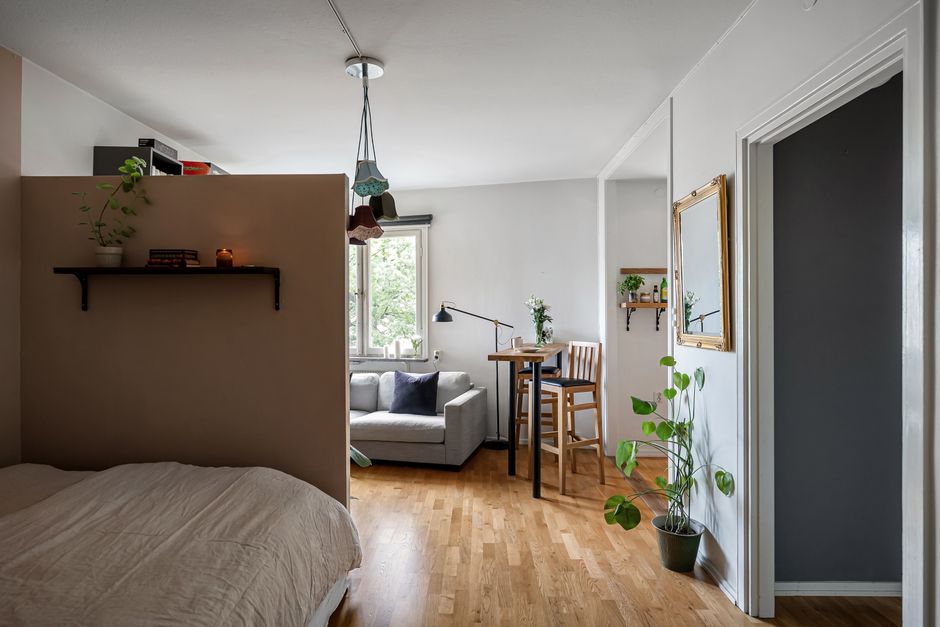
Where you point a mirror matters as much as where you hang it. Angle mirrors to reflect a window, a piece of art, or an open doorway rather than a blank wall or clutter — this creates the sense of an additional room just out of sight. In small apartments, this trick pairs nicely with broader layout strategies like these small apartment layout tricks that make every square foot work. A few degrees of tilt can be the difference between a mirror that flatters a room and one that just reflects the ceiling.
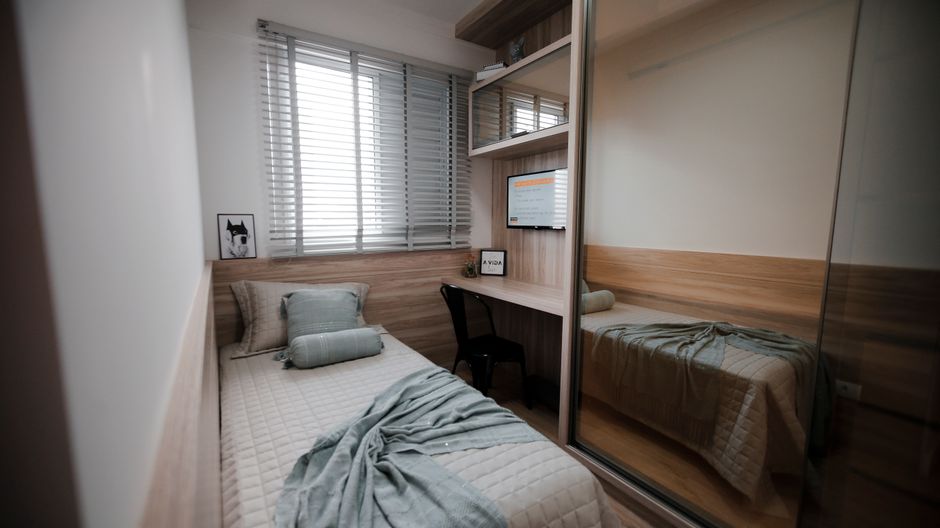
Add a Mirrored Closet or Sliding Door
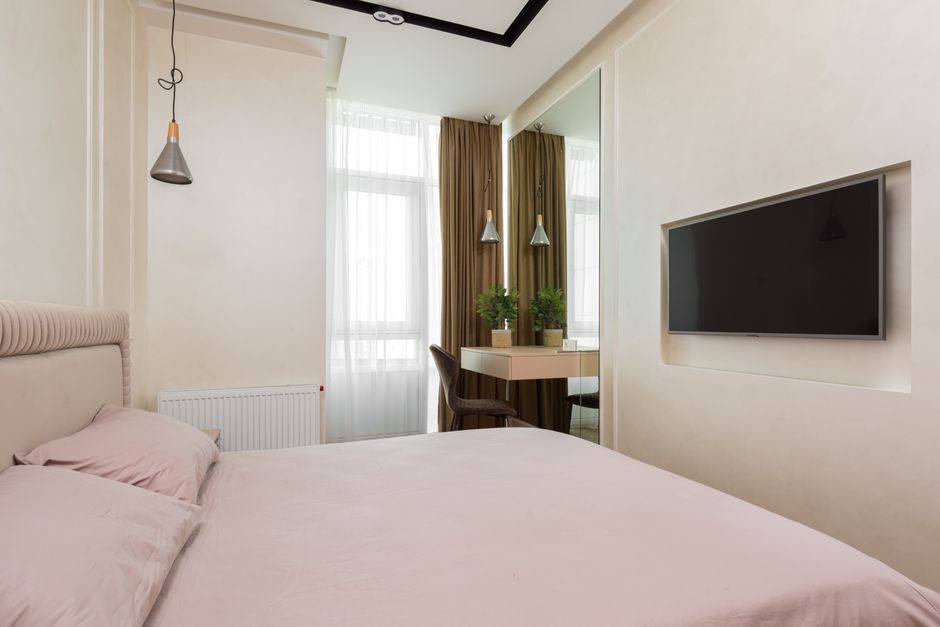
Swapping a solid closet door for a mirrored or mirrored-sliding version is one of the highest-impact, lowest-effort upgrades available. It eliminates the need for a separate full-length mirror while making the entire wall feel like it recedes. This works especially well in bedrooms where floor space is already tight, and complements broader small space storage hacks that keep your home clutter-free and stylish.
Layer Mirrors with Warm Lighting
Mirrors amplify whatever light source they reflect, so pairing them with warm, layered lighting — sconces, floor lamps, or string lights — creates a cozier glow than a single overhead fixture ever could. This is especially effective in small living rooms that feel spacious and stylish, where ambient light does more visual work than in larger rooms. Avoid placing mirrors directly across from harsh, unshaded bulbs, which can create glare instead of glow.
Scale the Mirror to the Room, Not the Furniture
A common mistake is choosing a mirror sized to match a dresser or console rather than the room itself. In small spaces, oversized mirrors almost always outperform smaller, “proportionate” ones because they maximize the reflective surface area. If you’re furnishing a compact apartment from scratch, keep this principle in mind alongside these small apartment decorating ideas that make every square foot work — go a size larger than feels intuitive.
Final Thoughts
Mirrors remain one of the most cost-effective ways to transform how a small space feels without any structural changes. By focusing on placement — opposite windows, along narrow walls, angled toward views, and layered with warm light — you can create the sense of significantly more square footage than you actually have. Start with one or two of these ideas, live with them for a few weeks, and you’ll likely find yourself reaching for another mirror before long.