The home office has graduated from a temporary corner of the dining table into one of the most considered rooms in the house. In 2026, the best workspaces are built around focus, comfort, and a quiet sense of personality. Whether you are designing a dedicated studio or carving out a productive nook in a small apartment, these ten home office design ideas will help you craft a space that supports the way you actually work — and that you will look forward to using every morning.
1. Start with an Ergonomic Foundation
No amount of styling can compensate for a workspace that hurts to sit in. Begin with a height-adjustable desk, a chair with proper lumbar support, and a monitor positioned at eye level. Aim for a posture where your forearms are parallel to the floor and your feet rest flat. NIOSH ergonomic guidelines offer a useful checklist if you are unsure where to begin. The cleanest looking office in the world is not worth chronic shoulder pain.
2. Embrace Quiet Minimalism
Visual clutter competes for cognitive bandwidth. The most effective home offices of 2026 lean into quiet minimalism: a single hero piece (a beautiful desk, a sculptural chair), neutral walls, and storage that hides cables and paperwork from view. Limit the desktop to three or four objects you genuinely use — a notebook, a desk lamp, a ceramic cup for pens, and your computer. Everything else lives behind a door.
3. Bring the Outdoors In with Biophilic Accents
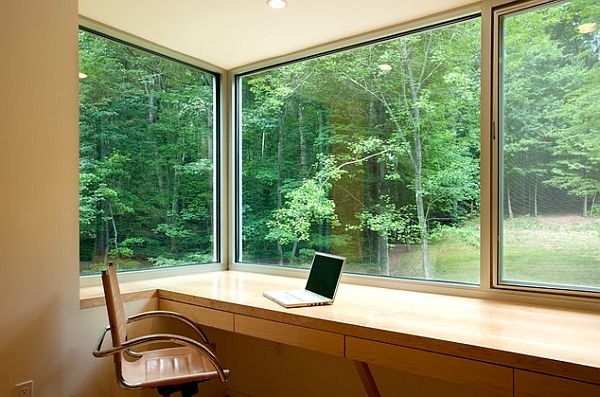
Plants do far more than soften the corners of a room. Studies summarised by the World Health Organization consistently link green spaces with lower stress and improved concentration. Layer in a tall fiddle-leaf fig, a trailing pothos on a high shelf, and a small herb planter on the windowsill. Choose a desk with a wood grain you can actually feel, and add a wool or jute rug. The goal is a workspace that feels alive, not sterile.
4. Choose a Calming, Grounded Colour Palette
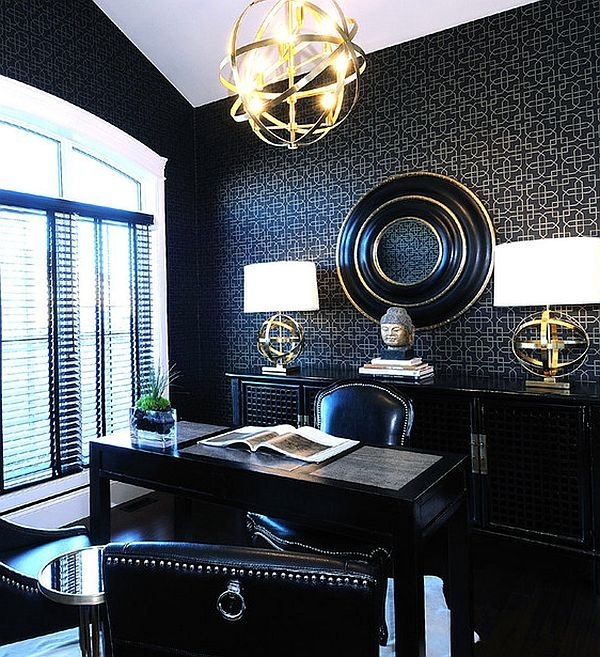
The all-white office is officially over. In 2026, designers are reaching for warm clay, sage green, mushroom taupe, and soft slate — colours that are easy on the eye during long video calls and that read well on camera. Pair a single saturated wall with natural timber and bouclé textiles for a grown-up palette that does not date. Avoid stark black-and-white contrasts on the wall directly behind you; they create harsh shadows on webcams.
5. Layer Your Lighting
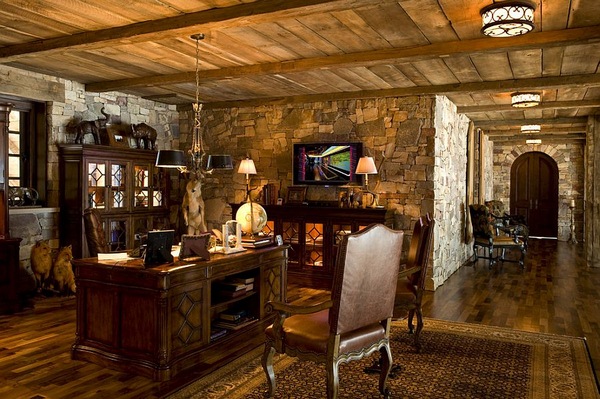
One overhead pendant is rarely enough. Plan three layers: ambient (a soft ceiling fixture or wall sconces), task (an articulating desk lamp aimed at your work, not your screen), and accent (a small lamp on a shelf or a low-glow LED strip behind the monitor). Use 2700K–3000K bulbs for warmth in the evening and consider a smart bulb that shifts cooler during deep-focus hours. Position your strongest light source in front of you, never behind, to keep your face evenly lit on calls.
6. Invest in Acoustic Comfort
The hidden cost of a stylish, hard-surfaced room is echo. A few well-placed soft elements — a thick wool rug, lined curtains, an upholstered headboard or wall panel behind the desk — absorb the high frequencies that wreck microphone clarity. Felt or PET acoustic panels mounted as a geometric feature can double as art. If you take a lot of calls, this single upgrade often makes the biggest day-to-day difference.
7. Hide Cables and Tech Beautifully
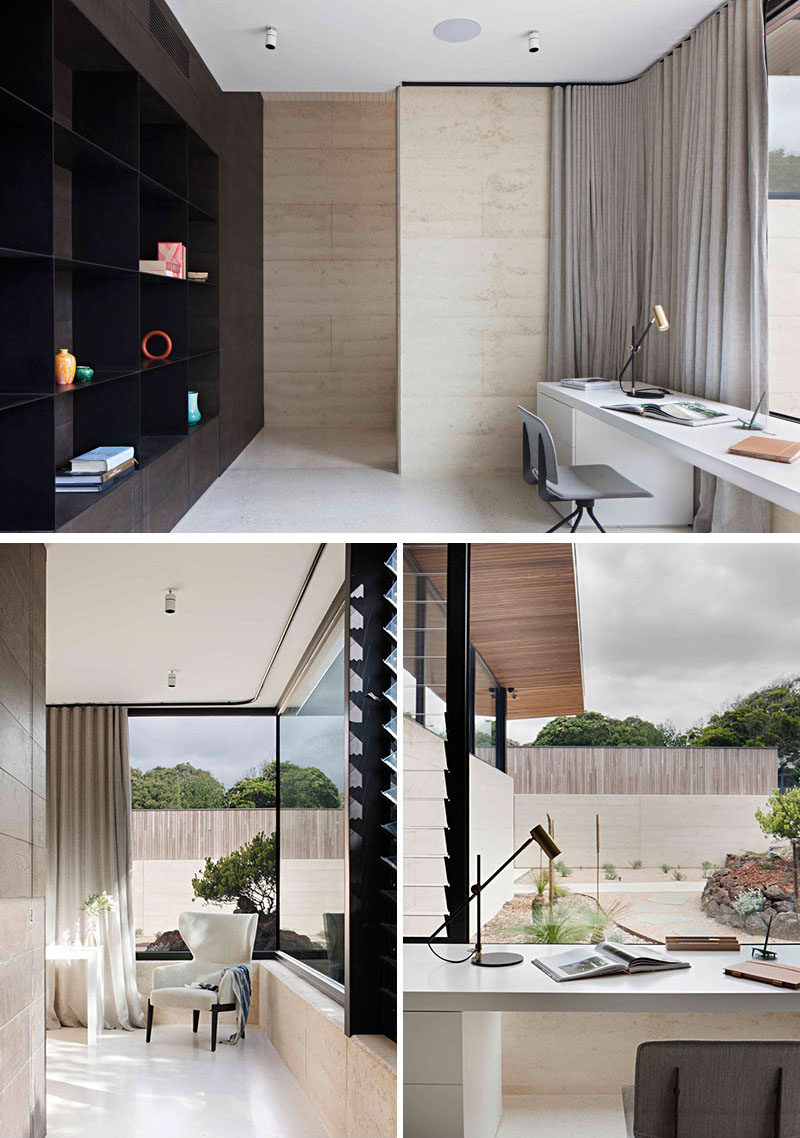
Nothing breaks the spell of a beautifully designed office faster than a tangle of cables. Use cable trays mounted under the desk, an in-drawer charging station, and a dedicated grommet hole for the monitor cable. Group the router, modem, and a UPS in a single ventilated cabinet. The fewer wires you can see, the more your eye is free to rest on the design choices you actually want to celebrate.
8. Make Room for a Reading or Thinking Chair
The desk is for execution — a separate seat is for thinking. Even in a small office, a single armchair, a footstool, and a side table create a deliberate “step away” zone for reading, sketching, or taking a long phone call. This dual-zone layout subtly trains your brain that the desk is for output, while the chair is for the slower, less linear work that produces your best ideas.
9. Style Vertical Storage as Display
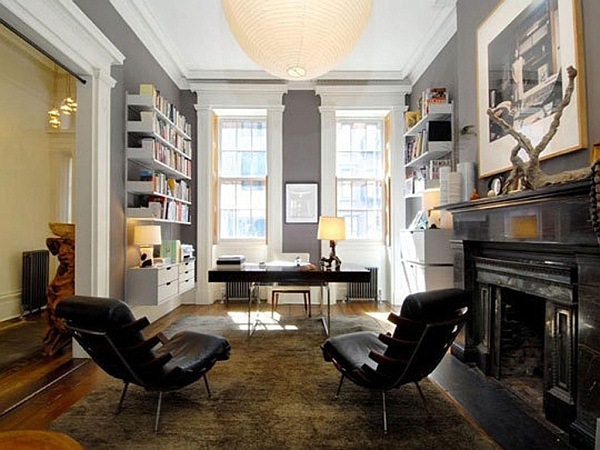
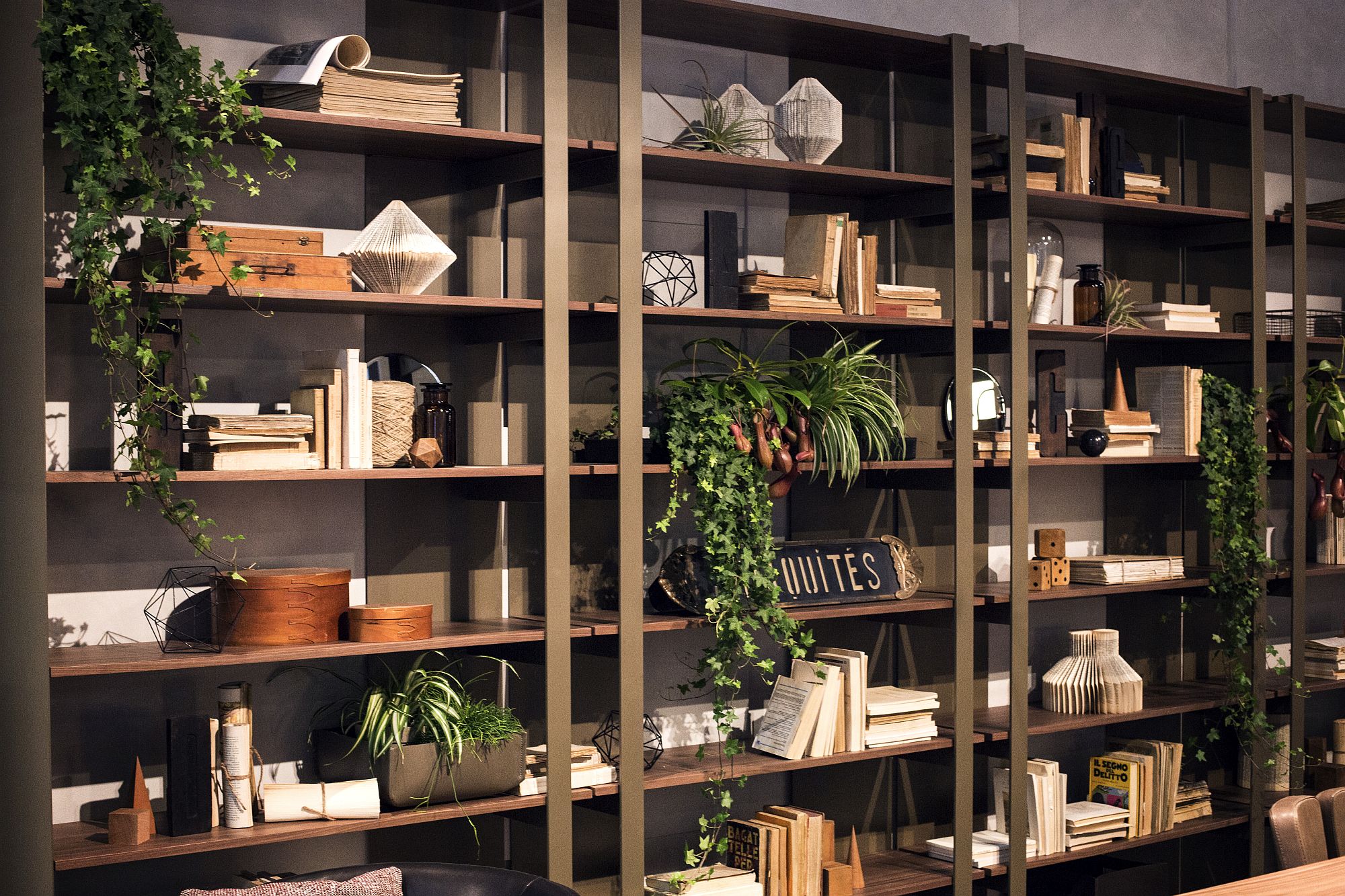
Floor space in a home office is precious; vertical space is usually wasted. Floor-to-ceiling shelving — whether built-in joinery or a modular system — lets you store books, archive boxes, and beloved objects without crowding the floor. Style each shelf with the 70/30 rule: roughly 70% function (binders, books, tech you actually reach for) and 30% personality (a framed photo, a small sculpture, a vintage clock).
10. Build It with Sustainable Materials
A workspace you intend to use for years deserves materials that will last. Look for FSC-certified timber desks, low-VOC paints, recycled-textile acoustic panels, and second-hand chairs from quality brands like Herman Miller or Vitra refurbished by reputable sellers. Sustainable choices typically age more gracefully than fast-furniture alternatives — and a well-built oak desk you keep for fifteen years is both kinder to the planet and significantly cheaper per year of use.
Designing a Home Office You Will Actually Use
The best home offices of 2026 are not the most photogenic — they are the ones that quietly disappear once you start working, supporting your focus instead of demanding your attention. Begin with the boring fundamentals (chair, light, sound), then layer in the colours, textures, and personal objects that make the room feel like yours. If you can get one upgrade done this month, make it ergonomics; the rest will compound from there.
For more inspiration on creating beautiful, functional rooms, you might also enjoy our recent guides on stunning bedroom design ideas for 2026 and cozy living room ideas for a perfect sanctuary.
Which of these home office ideas would make the biggest difference in your workspace? Tell us in the comments — we love seeing how readers adapt these ideas to their own homes.