A bedroom can have the perfect paint color, layered bedding, and a statement headboard, and still feel unfinished if the floor is bare. The right rug does more than soften cold mornings underfoot — it anchors the furniture, adds warmth and texture, and pulls every other design choice in the room together. Here are eight ways to choose and place a bedroom rug that actually elevates the space instead of just covering the floor.
Choose the Right Fiber for Comfort and Durability
Bedrooms call for a different fiber logic than living rooms, since bare feet meet the rug first thing every morning. Wool remains the gold standard for bedrooms because it’s naturally soft, resists stains, and holds up for years without matting. If you want something plusher underfoot, a hand-tufted shag or a wool-blend with a high pile delivers a hotel-like feel, while natural fibers like jute work best layered rather than placed directly by the bed, since they can feel coarse on skin. Whatever material you choose, prioritize how it feels against bare feet over how it photographs, since you’ll experience it far more than you’ll look at it.
Get the Sizing Right: Rug Dimensions for Every Bed Size
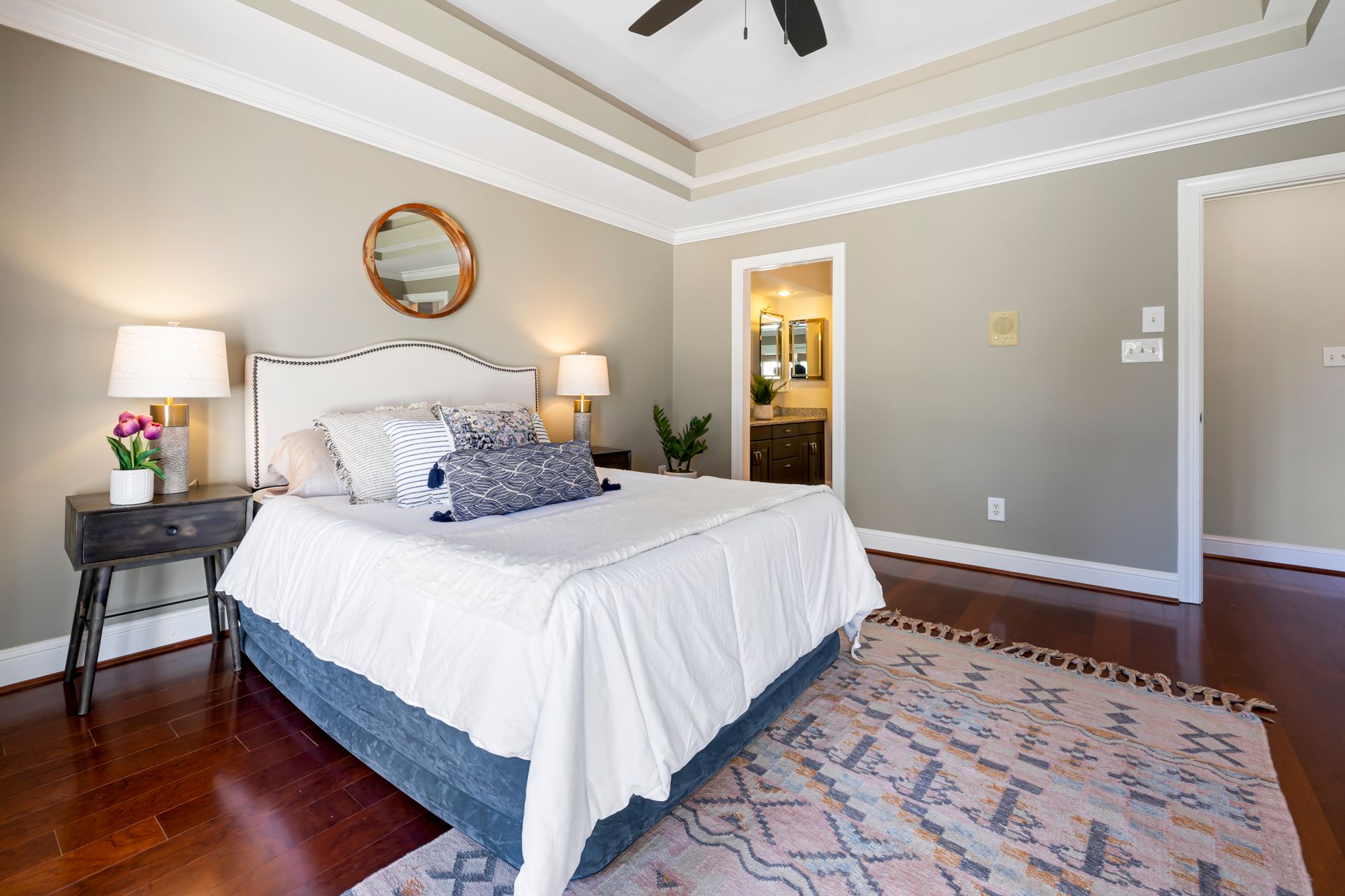
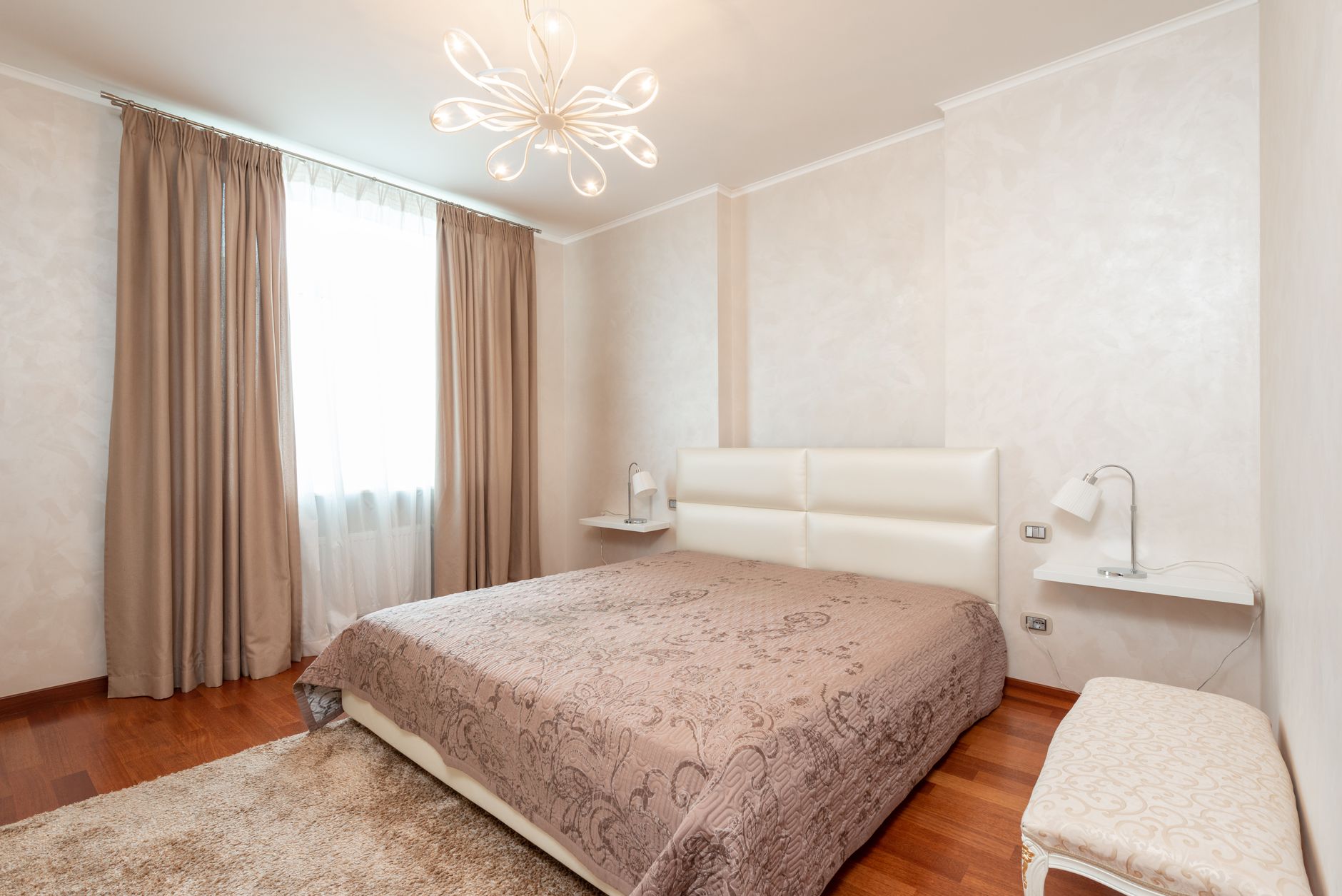
Undersized rugs are the most common bedroom styling mistake, and they make an otherwise well-designed room look pieced together. As a general rule, the rug should extend at least 18 to 24 inches beyond each side of the bed so your feet land on it when you get up. For a queen or king bed, that typically means an 8-by-10 or 9-by-12 foot rug positioned so it slides slightly under the bottom two-thirds of the bed frame. Smaller rooms can use two runners flanking each side of the bed instead of one large rug, which is a trick worth pairing with the bedroom storage solutions you’ve already built in, so the floor plan stays open and functional.
Layer Rugs for a Curated, Boutique Hotel Look
Layering a smaller patterned or textured rug over a larger neutral jute or sisal base is one of the fastest ways to add visual depth without overwhelming the room. This technique borrows directly from broader interior design layering tricks that make rooms feel intentionally curated rather than accidentally assembled. Keep the base layer neutral and let the top rug introduce color, pattern, or a more luxurious texture like a faux fur throw rug at the foot of the bed. This approach also gives you flexibility to swap the top layer seasonally without replacing the whole floor treatment.
Use Color and Pattern to Set the Mood
A rug is one of the largest surface areas in a bedroom, so its color has an outsized effect on how calm or energetic the room feels. If you’ve already committed to one of the more dramatic bedroom color schemes on your walls, let the rug play a supporting role in a muted, complementary tone rather than competing for attention. Conversely, a neutral wall palette is the perfect backdrop for a bold geometric or vintage-inspired rug that becomes the room’s focal point. Warm terracottas, dusty blues, and soft sage greens are especially effective in bedrooms because they read as restful rather than stimulating, which matters in a room meant for sleep.
Smart Placement for Small or Awkward-Shaped Bedrooms
Not every bedroom has room for a full 9-by-12 spread, and that’s fine — placement matters more than size in a tight footprint. In small rooms, a rug that runs the length of the bed rather than the width creates a visual runway that makes the space feel longer. If your layout includes a reading nook or a bench at the foot of the bed, a second small rug underneath it helps define that zone the same way a statement headboard defines the sleeping zone. Avoid pushing a rug into a corner where it doesn’t align with any furniture edge, since floating rugs with no visual anchor tend to make small rooms feel more cluttered rather than less.
Pair Rugs With Lighting and Bedding for Cohesion
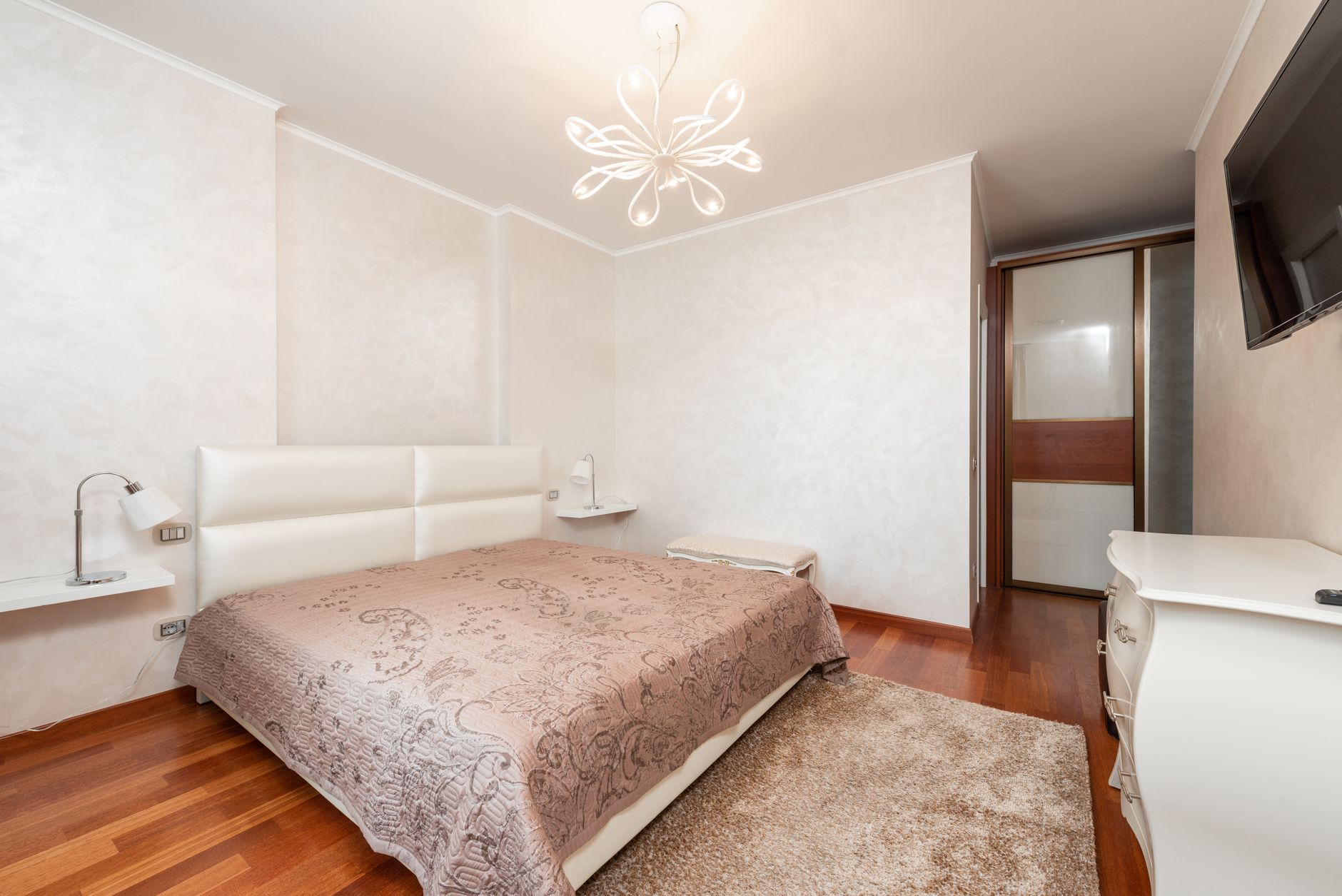
A rug rarely works in isolation; it needs to talk to the textiles and light sources around it. Warm, low-glare fixtures from your bedroom lighting plan will make a rug’s colors read richer at night than harsh overhead light ever could, so consider layering in a floor lamp near a reading chair to highlight the rug’s texture. Tie the rug’s color palette to your throw pillows, curtains, or an accent wall so the whole room feels considered rather than assembled piece by piece; even a subtle nod, like echoing an accent wall tone in the rug’s border, ties a room together instantly.
Final Thoughts
A bedroom rug is one of the few design choices you interact with physically every single day, so it deserves the same care you put into choosing a mattress or a headboard. Start with a fiber that feels good underfoot, size it generously, and let color and layering do the work of tying the rest of the room together. Get those fundamentals right, and the rug stops being an afterthought and becomes the detail that makes the whole bedroom feel finished.