Color is one of the most powerful — and least expensive — tools for making a small room feel larger than it is. Long before you invest in a renovation or knock down a wall, the right palette can push boundaries outward, bounce light into corners, and erase the visual clutter that makes tight spaces feel cramped. These nine color strategies work in studio apartments, small bedrooms, and cozy living rooms alike, and every one of them can be done with a few cans of paint and a weekend.
Choose a Soft, Monochromatic Palette
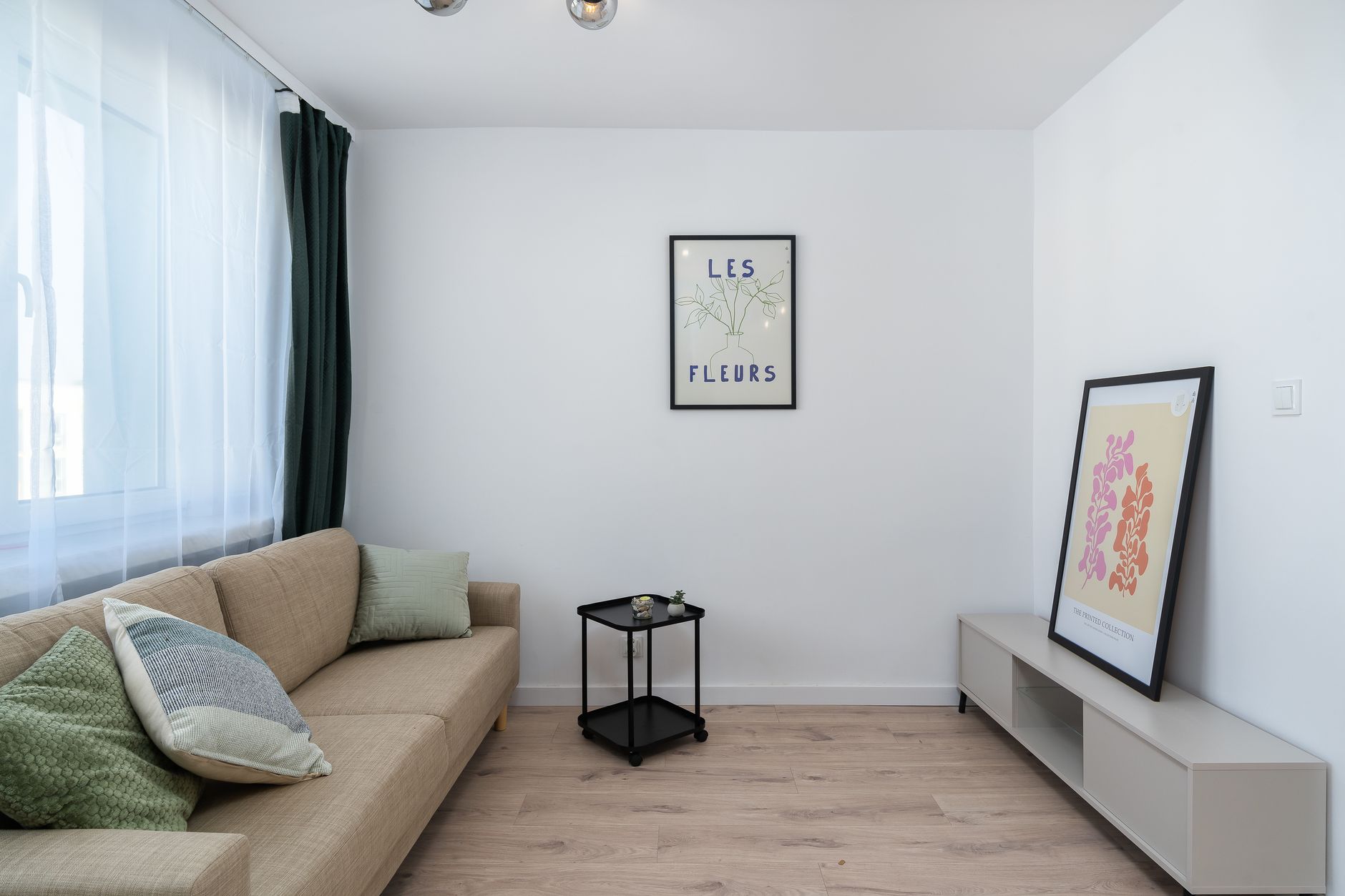
Painting walls, trim, and even furniture in shades of the same color removes the hard visual breaks that make a room read as segmented and small. When everything sits within one family of tones, the eye glides across surfaces instead of stopping at every edge. Stick to two or three values of a single hue — a pale blue wall, a slightly deeper blue chair, a navy throw pillow — for a look that feels intentional rather than flat. This approach pairs especially well with the layout tricks in 10 Small Living Room Ideas That Feel Spacious and Stylish, since a unified palette does much of the space-expanding work before furniture placement even comes into play.
Let Ceiling Color Trick the Eye Upward
Most small rooms have low ceilings painted the same flat white as the walls, which visually caps the space. Painting the ceiling a shade or two lighter than the walls — or in a soft, reflective white with a hint of blue — draws the eye up and makes the room feel taller than it is. In rooms with crown molding or trim, keep the transition subtle so the ceiling still reads as part of the same envelope rather than a separate plane. This trick works particularly well in bedrooms, where the ceiling is often the largest uninterrupted surface; see how it complements the layout suggestions in 9 Small Bedroom Ideas That Make the Most of Every Square Foot.
Use Warm Neutrals Instead of Stark White
Bright white can feel clinical and, counterintuitively, can make a small room feel more confined by emphasizing every shadow and corner. Warm neutrals — soft greige, sandy beige, or a muted oatmeal — diffuse light more gently and create a cocoon-like warmth that still reads as spacious. These tones also hide minor imperfections in walls and trim far better than pure white, which is a practical bonus in older apartments. Warm neutrals are a natural complement to the vertical elements described in 8 Vertical Storage Solutions That Make Small Spaces Work Harder, since shelving and cabinetry painted to match the walls all but disappear.
Paint Trim and Walls the Same Color
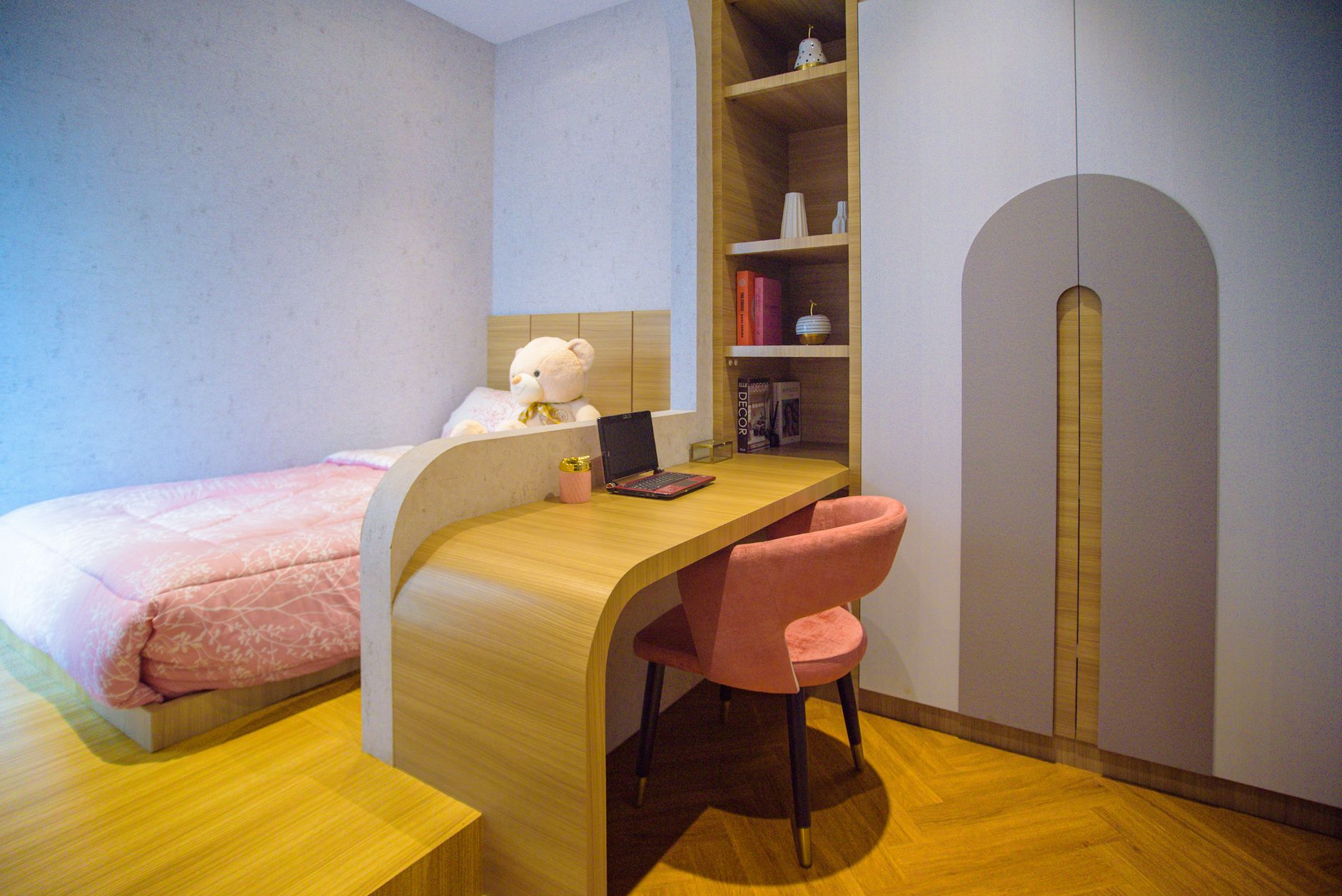
Contrasting white trim against colored walls creates a visual outline around every window and doorway, which chops a small room into smaller segments. Painting the trim the same color — or a very close shade — as the walls removes those interruptions and lets the architecture recede so the room itself feels bigger. This “color-drenching” technique has become a favorite among designers precisely because it works so reliably in compact rooms. It’s a natural next step after addressing the fixtures covered in 9 Small Space Lighting Ideas That Make Rooms Feel Bigger, since a monochromatic envelope makes light fixtures and hardware stand out as intentional accents rather than clutter.
Add Color Through Accents, Not Walls
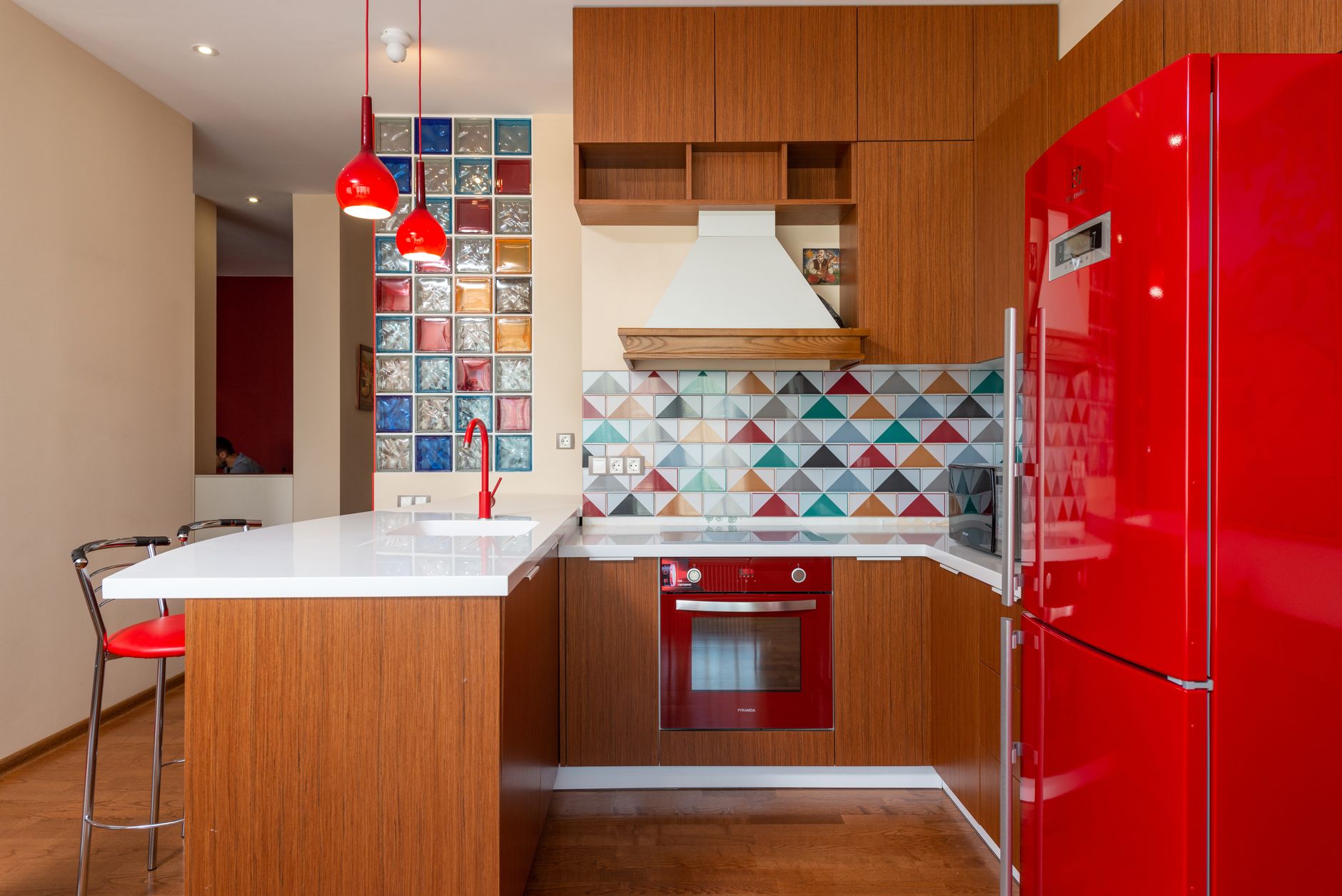
If a fully painted room feels like too much commitment, concentrate saturated color in a few movable accents instead: a bold armchair, a patterned rug, or a gallery of small framed prints. This keeps the backdrop calm and expansive while still giving the room personality and warmth. Because accents are easy to swap out, this approach also lets you experiment with trends without repainting every season. Kitchens benefit enormously from this strategy, since a single colorful backsplash or set of open shelves can transform the room the way described in 9 Small Kitchen Ideas That Make Cooking Spaces Feel Bigger.
Bring in Color With Textiles and Greenery
Textiles are the fastest and most forgiving way to introduce color into a small space. Layer a patterned throw over a neutral sofa, swap in a colorful duvet cover, or add a stack of striped towels to a bathroom shelf. Live plants contribute a natural, ever-changing green that pairs beautifully with almost any wall color and adds texture without taking up floor space when placed on shelves or hanging planters. These small, low-cost updates are exactly the kind of finishing touches that make the difference in 9 Small Apartment Decorating Ideas That Make Every Square Foot Work.
Test Bold Color in Small Doses
A single bold-colored wall, door, or built-in nook can energize a small room without overwhelming it, especially when it’s placed opposite the entry so it becomes a focal point rather than a boundary. Deep jewel tones like emerald or navy actually recede visually in the right context, creating the illusion of depth rather than closing a room in. Before committing, paint a large sample board and observe it at different times of day, since small rooms are especially sensitive to how light shifts a color’s undertone. Pairing a bold accent wall with a well-placed mirror, as suggested in 9 Mirror Placement Ideas That Make Small Spaces Feel Twice as Big, doubles the visual impact and bounces light back into the room.
Final Thoughts
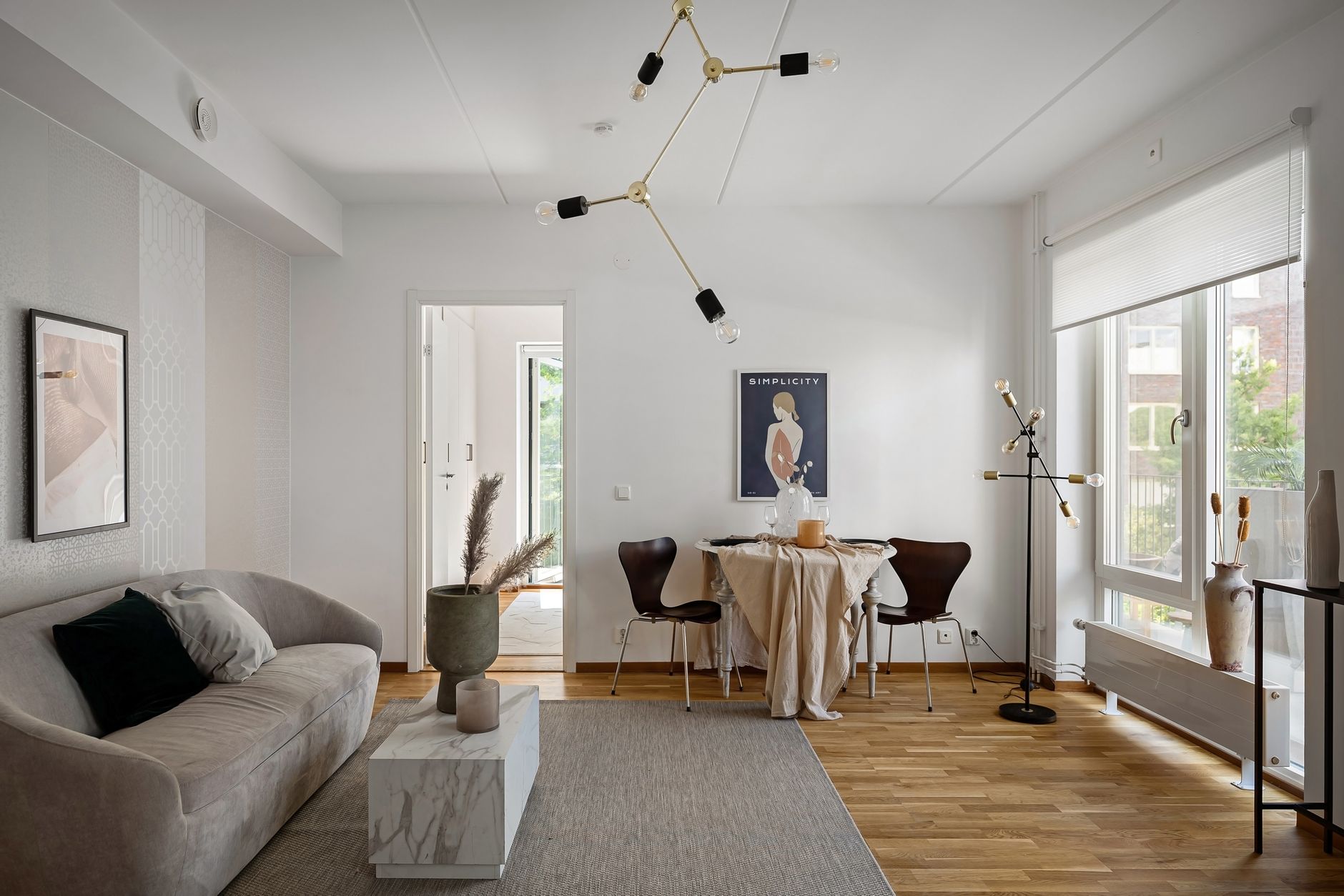
Making a small space feel bigger doesn’t require knocking down walls or investing in an expensive renovation — often, it just takes the right can of paint in the right place. Whether you choose a soft monochromatic scheme, drench a room in color-matched trim, or simply add a few bold textiles, these strategies work together to open up sightlines and let light travel further. Start with one change, live with it for a week, and layer in the next: small, deliberate color decisions add up to a room that feels twice its size.